
🏠 Home > 🗺️ Recipes > 🍝 Main Dishes > 🇰🇮 Kiribati Main Dishes
🇰🇮 🍝 Kiribati Main Dishes Recipes
Published by Supakorn | Updated: June 2026
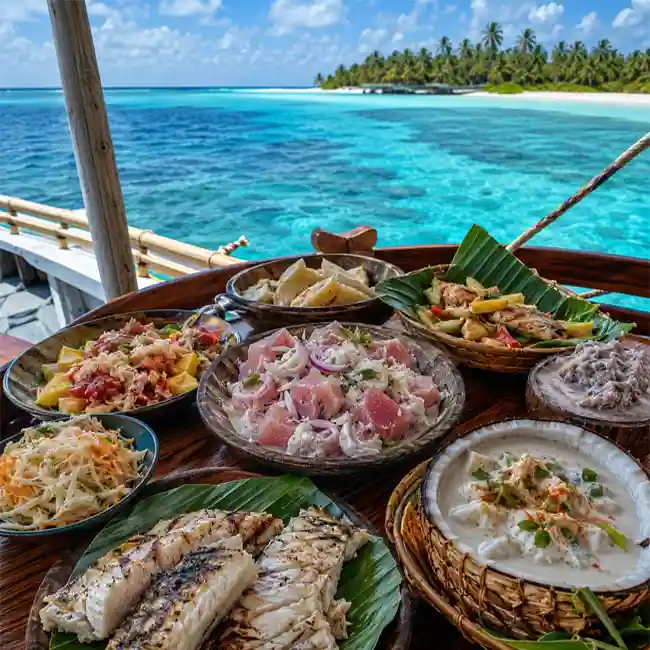
🇰🇮 🍝🌴 Welcome to the Edge of the World: The Vibrant Spirit of Kiribati Food Culture
Have you ever closed your eyes and imagined what a remote, sun-drenched Pacific paradise tastes like? If your mind immediately drifted to a blissful blend of ultra-fresh seafood plucked straight from a turquoise lagoon, sweet creamy coconut milk, and earthy root vegetables grown with love in coral soil, then you are already halfway to understanding the culinary magic of Kiribati. Pronounced Kiri-bas, this spectacular independent island nation straddles the equator in the vast, open waters of Micronesia. Comprising 33 stunning coral atolls and reef islands scattered across millions of square kilometers of ocean, Kiribati is a place where nature rules, community is everything, and the food speaks directly to the soul of the Pacific.
To understand Kiribati main dishes, you have to appreciate the sheer resilience, creativity, and resourcefulness of the I-Kiribati people (the locals). Living on narrow strips of coral sand means that standard western agriculture is pretty much non-existent here. There are no sprawling wheat fields, no massive cattle ranches, and no rolling vineyards. Instead, the ocean is the ultimate backyard pantry, and the towering coconut palms are the true trees of life. For thousands of years, the local cuisine has evolved to celebrate what can be sustainably caught, harvested, and gathered right from the immediate surroundings. It is a beautiful, minimalist approach to eating where the natural flavors of high-quality ingredients are allowed to shine without being masked by heavy processing or overly complex spice racks.
Gathering for a meal in Kiribati is never just about filling your stomach; it is a profound cultural ritual that binds families, neighbors, and entire villages together. Food is a token of deepest respect, a centerpiece for lively storytelling, and a literal lifeline that connects the modern generation to their proud seafaring ancestors. When you sit down to enjoy a traditional meal here, you are stepping into a warm, hospitable world where the concept of "mine" dissolves into "ours." Every single bite tells a story of survival, island pride, and a deep, harmonious relationship with the surrounding Pacific Ocean.
🌊 The Coastal Way of Life: How the Ocean Shapes Daily Eating and Living
🥥 The Sacred Trio of Island Life: Fish, Coconut, and Babai
In a typical Kiribati household, daily life moves to the gentle rhythm of the tides and the natural swaying of the palm trees. Because the land is narrow and surrounded by saltwater, the entire local diet revolves around three absolute pillars of survival: freshly caught seafood, versatile coconuts, and a deeply revered swamp taro known locally as Babai. These three elements find their way into almost every single main meal, creating a distinctive flavor profile that is beautifully rich, refreshing, and entirely unique to this corner of Micronesia.
🎣 The Daily Fishing Rituals of the Atolls
Fishing is not just an industry or a weekend hobby in Kiribati; it is an foundational art form and a daily necessity. Every single morning, before the tropical sun gets too intense, local fishermen head out past the calm lagoon reefs in traditional wooden outrigger canoes or small motorized boats. They read the ocean currents and sky patterns with an accuracy that would put modern weather apps to shame. By afternoon, they return to the shores with a gorgeous, glittering bounty of skipjack tuna, yellowfin tuna, reef fish, snapper, and giant clams. This fresh catch is immediately prepped for the main family meal of the day, ensuring that what is on the plate was swimming in the pristine ocean just a few short hours prior.
🏠 The Gathering at the Maneaba
To truly understand how people live and eat in Kiribati, you have to know about the Maneaba. The Maneaba is the grand, open-air community meeting house with a towering thatched roof made from pandanus leaves. It is the beating cultural heart of every village. While daily family meals are enjoyed at home on woven pandanus mats, large-scale celebrations, weddings, and welcoming feasts for travelers always take place inside the Maneaba. Here, food is prepared collectively by the women of the village, and massive platters of slow-roasted seafood and sweet taro puddings are shared among elders, youths, and visitors alike. It is the ultimate expression of community solidarity and legendary Pacific hospitality.
🗺️ From Atoll to Table: Exploring Food Culture Across Famous Travel Destinations
📍 South Tarawa: The Bustling, Flavorful Urban Hub
As the capital and main gateway to the nation, South Tarawa is a vibrant, energetic strip of land where traditional island life effortlessly collides with modern influences. For a traveling foodie, South Tarawa offers a fantastic introduction to Kiribati cuisine because it blends traditional home cooking with lively local markets. Walking along the main road, you will stumble upon small roadside stalls displaying the morning’s freshest catch laid out on banana leaves. Here, you can experience how locals adapt traditional seafood preparations using contemporary touches, creating an exciting, accessible entry point into the world of Micronesian flavors.
📍 North Tarawa: A Peaceful Journey Back in Time
Just a short boat ride away from the capital lies North Tarawa, a tranquil haven where the frantic pace of modern life instantly melts away. Here, electricity is sparse, cars are rare, and the ancient food traditions remain beautifully untouched by outside influences. Traveling through the villages of North Tarawa allows you to witness the authentic, slow-paced methods of food preparation. You will see grandmothers grating fresh coconut meat using traditional iron scrapers, uncles tending to deep, water-filled Babai pits, and young men skillfully climbing towering palms to collect fresh tree sap. Eating a main dish here is an incredibly grounding experience that feels like stepping back centuries into the past.
📍 Kiritimati (Christmas Island): The Ultimate Seafood Wilderness
Situated far to the east of the main Gilbert group, Kiritimati—better known internationally as Christmas Island—is the largest coral atoll in the world by land area. It is a legendary bucket-list destination for fly-fishing enthusiasts and eco-travelers alike. Because of its massive, untouched marine ecosystems, the food culture on Christmas Island is an absolute dream for seafood lovers. The main dishes here are dominated by spectacular reef fish, sweet lobster, and uniquely prized deep-sea crabs. Traveling to Kiritimati gives you a firsthand look at how a pristine, wild environment shapes an exceptionally clean, protein-rich, and healthy style of island dining.
🍽️ The Iconic Lineup: Famous Kiribati Main Dishes You Must Discover
🐟 1. Te Kinashii (The Ultimate Marinated Raw Fish Bliss)
◦ The Island’s True Culinary Signature: This is arguably the most famous, beloved, and iconic dish in the entire nation of Kiribati. It is a beautiful celebration of pristine, ultra-fresh raw fish—most commonly high-grade skipjack or yellowfin tuna.
◦ A Perfect Harmony of Textures and Flavors: The raw tuna is carefully cubed and marinated in a luxurious bath of fresh, rich coconut cream, crisp lime juice, and finely diced local onions or sea vegetables. The acidity of the lime gently cures the fish, while the coconut cream adds a silky, decadent sweetness that coats the palate.
◦ The Uncontested King of the Dinner Table: Te Kinashii is served at almost every single major life event, family gathering, and festive celebration. It perfectly embodies the refreshing, clean essence of Pacific island dining.
🥔 2. Te Babai Main Course Creations (Honoring the Sacred Giant Swamp Taro)
◦ A Root Crop Steeped in Cultural Royalty: Babai (giant swamp taro) is not just a basic carbohydrate in Kiribati; it is a highly respected cultural symbol that takes years of meticulous care to grow in deep, hand-dug muddy pits filled with fresh water.
◦ The Hearty Foundation of Island Feasts: For main courses, the large, starchy Babai root is typically peeled, cut into thick chunks, and either steamed, slow-baked in earth ovens, or boiled to a beautifully tender texture.
◦ The Irresistible Rich Finishing Touch: To transform it into a satisfying main dish, the warm taro chunks are generously smothered in fresh, velvety coconut cream or drizzled with sweet pandanus syrup, making it an incredibly filling and comforting staple that fuels the islanders.
🐟 3. Te Inai (The Crispy, Flavorful Fried Milkfish Delight)
◦ The Pride of the Local Lagoon Farms: Milkfish, known locally as Inai, are highly prized in Kiribati and are actively raised in the calm, brackish waters of the natural inland lagoons across the atolls.
◦ A Masterclass in Simple, Perfect Cooking: This dish keeps things wonderfully uncomplicated. The whole milkfish is cleaned, scaled, lightly seasoned with sea salt, and pan-fried or grilled over open coconut husks until the skin turns an irresistible, shattering golden-brown.
◦ Delicate, Sweet, and Highly Satisfying: The flesh of the milkfish is remarkably tender, moist, and naturally sweet. It is usually served alongside a mound of fluffy white rice or baked taro, making it a classic, comforting weekday dinner for local families.
🦞 4. Te Amori (The Spectacular Roasted Reef Bounty)
◦ A Magnificent Catch from the Ocean Reefs: This mouthwatering main dish utilizes whatever pristine reef fish or premium shellfish was brought home from the morning's ocean expedition, ranging from red snapper to sweet local lobsters.
◦ The Traditional Earth Oven Magic: The seafood is often wrapped delicately in thick, green banana leaves or breadfruit leaves to lock in all the natural juices, nutrients, and aromatic steam during the cooking process.
◦ Infused with the Smoky Spirit of the Islands: The wrapped parcels are placed carefully over hot, glowing charcoal or buried in a traditional underground earth oven (umu), resulting in smoky, intensely flavorful seafood that effortlessly falls apart at the touch of a fork.
🍲 5. Te Katara (The Hearty, Soul-Warming Seafood Stew)
◦ The Ultimate Comfort Food for Rainy Days: When the tropical rain pours down or the ocean breeze turns cool in the evening, local kitchens light up their stoves to simmer big, aromatic pots of Te Katara.
◦ A Rich Medley of Sea and Land: This comforting, rustic soup features thick, chunky cuts of fresh ocean fish, local clams, and crabs, all simmered together with pieces of green papaya, taro leaves, and pumpkin.
◦ The Magic of Coconut Broth: The entire stew is brought together by a rich, savory broth made from a blend of fresh sea water, coconut water, and heavy coconut milk, creating a deeply nourishing main course that warms the body from the inside out.
🐙 6. Te Kika (The Tender, Slow-Simmered Octopus Specialty)
◦ An Expertly Harvested Deep-Sea Delicacy: Octopus, known as Kika in Kiribati, is skillfully hunted by locals along the shallow reef flats during low tide using traditional, time-honored techniques.
◦ The Secret to Melt-in-Your-Mouth Tenderness: Because octopus can easily become tough, the I-Kiribati cooks have mastered the art of slow-cooking it over low heat for hours, often tenderizing it first with natural papaya leaves.
◦ A Rich, Savory Island Masterpiece: The tender octopus chunks are commonly simmered in a luscious sauce of pure coconut cream, local wild herbs, and a touch of sea salt, yielding a rich, savory main dish that pairs phenomenally with roasted root vegetables.
🥥 7. Te Moimoto Seafood Infusion (The Clever Use of Young Coconut)
◦ Celebrating the Refreshing Taste of Youth: Moimoto refers to the sweet, young green coconut that provides both refreshing drinking water and a incredibly soft, jelly-like inner flesh.
◦ An Ingenious Culinary Fusion: In this unique main dish concept, the delicate, gelatinous meat of the young coconut is scooped out and tossed gently with lightly poached lagoon fish, sweet shrimp, or shredded sea vegetables.
◦ Light, Nutritious, and Utterly Rejuvenating: The dish is often served right back inside the beautiful coconut shell itself, offering a light, incredibly hydrating, and protein-packed main meal that is perfect for hot tropical afternoons.
🌟 Fascinating Extra Insights: The Unique Customs of Kiribati Dining
👨🍳 The Incredible Art of Earth Oven Cooking (The Umu)
While modern gas burners and small kerosene stoves have certainly made their way into many contemporary Kiribati kitchens, the absolute pinnacle of traditional cooking still relies on the Umu. The Umu is an ancient underground earth oven dug directly into the sand. To use it, a pit is lined with volcanic stones or dense coral rocks, and a roaring fire is built over them using dry coconut husks and palm wood. Once the stones are glowing red-hot, the wood ash is cleared away, and food parcels—wrapped beautifully in fresh green leaves—are placed on the rocks. The entire pit is then covered with heavy mats and sand to seal in the intense heat. Food cooked in an Umu cooks slowly over several hours, absorbing a gorgeous, deeply complex smoky aroma that simply cannot be replicated by any modern kitchen appliance.
🖐️ The Etiquette of Eating with Your Hands
If you ever have the incredible honor of being invited to share a traditional main meal with an I-Kiribati family, you can leave your metal forks, knives, and spoons at the door. Traditional dining here is a wonderfully tactile, sensory, and intimate experience where eating with your clean bare hands is the standard custom. Using your fingers to flake the fresh fish, scoop up the creamy coconut milk, and break off pieces of tender Babai creates a profound physical connection to the food you are consuming. It slows down the pace of the meal, encourages mindful eating, and fosters a beautiful sense of shared equality and casual comfort around the dining mat.
🌴 The Ingenious Preservation Techniques for Hard Times
Living on remote atolls means that the local people have always had to be incredibly forward-thinking about food security, especially during times of long droughts or intense ocean storms. Because of this, the I-Kiribati have perfected brilliant, natural preservation methods over generations. Surplus fish from a massive catch is rarely wasted; it is immediately cleaned, salted with pure sea salt evaporated from ocean water, and laid out on elevated wooden racks to dry under the blazing equatorial sun. This dried fish can keep for months without refrigeration and is frequently rehydrated in hot coconut milk to create quick, savory, and satisfying main dishes during seasons when the ocean is too rough for the fishing boats to head out.
😕 Frequently Asked Questions (FAQ)
Q1.What makes Kiribati main dishes completely different from other Pacific Island cuisines?
While many Pacific nations share a love for fish and root crops, Kiribati cuisine stands out due to its extreme geographical isolation and coral atoll environment. With very limited soil for standard farming, the flavor profiles are incredibly pure, focusing intensely on marine life and the multiple distinct stages of the coconut. There is a magnificent, minimalist elegance to Kiribati food—it relies heavily on the natural sweetness of fresh seafood and coconut cream without the heavy use of imported spices, land-based animal fats, or complex sauces found elsewhere.
Q2.Is it easy for travelers to find authentic traditional main dishes in local restaurants?
In the main urban center of South Tarawa, you will find a handful of local eateries and small hotel restaurants that proudly serve traditional items like Te Kinashii (marinated raw fish) alongside westernized options. However, the most authentic way to experience true Kiribati main dishes is by visiting the local roadside food stalls, exploring the open-air fish markets, or traveling to the outer islands where traditional cooking remains an everyday way of life.
Q3.How do locals manage to grow root vegetables like Babai in barren coral sand?
It is an incredible feat of human ingenuity! Because coral sand lacks nutrients and does not retain fresh water, the I-Kiribati people dig deep, large pits right down to the natural freshwater lens that sits beneath the island's surface. They then build individual woven baskets around the roots of the Babai plants and manually fill them with a rich, natural compost made from fallen chopped leaves, decayed coconut logs, and fertile soil gathered from around the island. It is a highly labor-intensive process that transforms the barren sand into a fertile oasis.
Q4.Are there any specific dining customs or etiquettes that foreign visitors should be aware of?
Absolutely! The most important custom is showing deep respect when entering a home or a village Maneaba (meeting house). Always remove your shoes before stepping onto the woven dining mats. When food is served, it is customary to wait until the eldest person or the host says a short prayer and takes the very first bite before you begin eating. Additionally, showing enthusiastic appreciation for the meal is highly polite, as preparing a feast on a remote atoll requires an enormous amount of physical effort and communal coordination.
🍝 Bring the Pacific to Your Kitchen: 3 Easy Kiribati Dinners for Busy Nights
👉 Savor 3 Iconic Weeknight I-Kiribati Main Dishes
| 🌐 🍝 < Back | 🇰🇮 🥪 < Previous | Next > 🍨 🇰🇮 |