
🏠 Home > 🗺️ Recipes > 🥪 Appetizers > 🇰🇮 Kiribati Appetizers
🇰🇮 🥪 Kiribati Appetizers Recipes
Published by Supakorn | Updated: June 2026
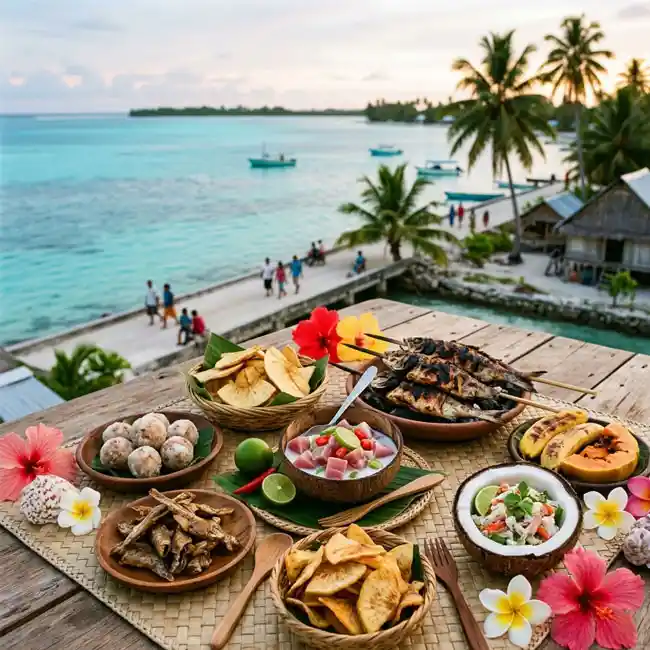
🇰🇮 🥪🏝️ Exploring the Delicious World of Kiribati Appetizers
Kiribati may be one of the least-visited destinations in the Pacific, but its food culture tells an incredible story of survival, community, and a deep connection to the ocean. Spread across dozens of coral atolls and islands in the central Pacific Ocean, Kiribati has developed a culinary identity shaped by its geography, climate, and traditions passed down through generations.
When travelers first think about Pacific Island cuisine, they often imagine tropical fruits, fresh seafood, and coconut-rich dishes. Kiribati certainly offers all of those elements, but its appetizer culture brings something even more special to the table. Local starters and snacks reflect the everyday lifestyle of island communities, where meals are often shared among family members, neighbors, and guests.
Unlike heavily processed snack foods found elsewhere, many traditional Kiribati appetizers are made from ingredients gathered directly from the sea or harvested from local trees and gardens. Fresh fish, coconut, pandanus fruit, breadfruit, giant swamp taro, and seasonal produce frequently appear in small dishes served before meals or enjoyed throughout the day.
For food lovers seeking authentic culinary experiences, Kiribati appetizers offer a fascinating introduction to the nation's heritage and island lifestyle.
🏝️ Why Kiribati Food Culture Is So Unique
Kiribati consists mostly of low-lying coral atolls surrounded by crystal-clear lagoons and abundant marine ecosystems. Because of this environment, local cuisine developed around ingredients that thrive in coastal conditions.
Food is more than nourishment in Kiribati. It plays an important role in celebrations, family gatherings, religious events, and community activities. Traditional recipes are often connected to local customs and reflect centuries of adaptation to island living.
Many appetizers highlight simple preparation methods that allow natural flavors to shine. Freshness is highly valued, and meals frequently feature ingredients harvested on the same day they are consumed.
Visitors quickly discover that food in Kiribati is closely connected to daily life. Whether enjoyed on a beach, in a village gathering place, or at a family home, appetizers often serve as a welcoming introduction to local hospitality.
🐟 Iconic Kiribati Appetizers Every Food Lover Should Know
When exploring traditional Kiribati cuisine, several appetizers and small dishes stand out as local favorites.
🌊 Fresh Seafood Starters
Seafood forms the foundation of many Kiribati appetizers. The surrounding Pacific waters provide an abundance of fish and other marine ingredients that have sustained island communities for generations.
Popular seafood-based starters often feature:
• Fresh reef fish
• Tuna varieties
• Shellfish
• Crab preparations
• Lagoon-caught seafood specialties
These appetizers are prized for their freshness and natural ocean flavor. Local cooks often use simple seasonings that complement rather than overpower the seafood itself.
🥥 Coconut-Based Island Snacks
Coconut is one of the most important ingredients in Kiribati cooking. Nearly every part of the coconut palm contributes to daily life, including food preparation.
Many appetizers incorporate:
• Fresh coconut flesh
• Grated coconut
• Coconut cream
• Young coconut ingredients
• Coconut-infused side dishes
The rich, slightly sweet flavor of coconut helps create the distinctive taste profile associated with Kiribati cuisine.
🍠 Root Crop Appetizers
Root crops have long been essential staples throughout the Pacific Islands. In Kiribati, traditional appetizers may include preparations featuring:
• Giant swamp taro
• Breadfruit
• Local root vegetables
• Seasonal island crops
These ingredients provide texture, nourishment, and cultural significance within many traditional meals.
🍃 Pandanus-Inspired Snacks
Pandanus trees hold special importance in Kiribati culture. The fruit has been used for generations and remains deeply connected to traditional food practices.
Pandanus-based appetizers often showcase:
• Natural sweetness
• Distinctive tropical flavors
• Traditional preparation methods
• Seasonal availability
For many visitors, pandanus foods offer a unique taste experience unavailable in most other destinations.
🌺 The Role of Appetizers in Everyday Kiribati Life
Unlike formal dining traditions found in some countries, meals in Kiribati often emphasize sharing and community participation.
Appetizers serve several purposes:
• Welcoming guests
• Providing light nourishment between meals
• Supporting social gatherings
• Celebrating special occasions
• Showcasing local ingredients
Many island households prepare small dishes that family members can enjoy throughout the day. These snacks help maintain connections between generations as traditional recipes continue to be shared and preserved.
Food preparation itself is often a communal activity. Relatives may work together to gather ingredients, prepare seafood, grate coconuts, and assemble dishes for family events.
This spirit of cooperation contributes significantly to the unique character of Kiribati food culture.
🏖️ Food and Tourism: Discovering Kiribati Through Its Appetizers
Travelers seeking authentic experiences often find that local food provides one of the best ways to understand a destination.
In Kiribati, appetizers offer valuable insights into:
• Traditional lifestyles
• Environmental adaptation
• Community values
• Local agriculture
• Fishing traditions
Unlike destinations heavily influenced by international tourism, many areas of Kiribati still maintain strong connections to traditional foodways.
Visitors can often encounter appetizers made using methods that have remained largely unchanged for generations.
The simplicity of these dishes highlights the resourcefulness of island communities and their ability to create satisfying meals from locally available ingredients.
🌊 Appetizers Inspired by the Pacific Ocean
The ocean is central to Kiribati identity.
Many traditional appetizers reflect this relationship by emphasizing marine ingredients harvested from nearby reefs and lagoons.
Common themes include:
• Freshness
• Sustainability
• Seasonal availability
• Respect for natural resources
• Community fishing traditions
Fishing knowledge is often passed from elders to younger generations, ensuring that traditional practices continue into the future.
As a result, many appetizers are not simply foods—they represent cultural heritage and environmental stewardship.
🐠 Reef-to-Table Traditions
One of the most fascinating aspects of Kiribati cuisine is the close connection between food gathering and meal preparation.
In many communities:
• Fish are caught locally.
• Ingredients are prepared shortly afterward.
• Meals are shared among family members.
• Traditional knowledge guides preparation methods.
This approach creates appetizers that celebrate freshness while reinforcing community bonds.
🌴 Traditional Ingredients Found in Kiribati Appetizers
Several ingredients appear repeatedly throughout Kiribati cuisine.
🥥 Coconut
Coconut contributes richness and versatility.
It appears in countless appetizers and remains one of the country's most recognizable culinary symbols.
🐟 Fish
Fresh fish is arguably the most important protein source throughout many islands.
Its availability has shaped Kiribati cooking for centuries.
🍞 Breadfruit
Breadfruit serves as both a staple food and an ingredient in various snack dishes.
Its adaptability makes it highly valuable within island communities.
🍠 Giant Swamp Taro
This traditional crop has long been cultivated despite challenging environmental conditions.
Its importance extends beyond nutrition into cultural identity.
🍃 Pandanus
Pandanus remains deeply connected to traditional food preservation and snack preparation practices.
🌺 How Geography Shapes Kiribati Appetizers
Kiribati's remote location influences every aspect of its cuisine.
Because fertile land is limited, communities have historically relied on:
• Marine resources
• Coconut palms
• Hardy crops
• Seasonal harvesting
• Food preservation techniques
This environmental reality encouraged the development of appetizers that maximize available resources while minimizing waste.
As a result, many traditional snacks demonstrate remarkable ingenuity and sustainability.
🏝️ Popular Places to Experience Local Food in Kiribati
Travelers interested in authentic appetizers often explore food opportunities across various islands and atolls.
Notable destinations include:
• South Tarawa
• Betio
• Abaiang Atoll
• Tabiteuea
• Kiritimati
Each location offers its own interpretation of local cuisine, influenced by geography, available ingredients, and community traditions.
Food exploration often becomes an unforgettable part of the travel experience.
🍽️ Why Kiribati Appetizers Deserve More Global Attention
Despite their cultural significance and unique flavors, Kiribati appetizers remain relatively unknown outside the Pacific region.
Yet these dishes offer many qualities modern food enthusiasts appreciate:
• Fresh ingredients
• Traditional preparation methods
• Strong cultural roots
• Sustainable food practices
• Distinct island flavors
As travelers increasingly seek authentic culinary experiences, Kiribati's appetizer traditions represent an exciting frontier for food tourism.
They showcase how simple ingredients can create memorable flavors while preserving cultural identity.
🌅 The Future of Kiribati Food Heritage
Like many traditional cuisines around the world, Kiribati food culture faces both challenges and opportunities.
Modern influences continue to shape eating habits, but many communities remain committed to preserving traditional recipes and food knowledge.
Appetizers play an important role in this preservation effort because they are often among the first dishes shared with younger generations and visitors.
By celebrating these foods, local communities help ensure that their culinary heritage remains vibrant for years to come.
For travelers, food lovers, and cultural explorers, Kiribati appetizers offer much more than a quick bite. They provide a delicious window into island life, community values, and centuries of Pacific tradition.
Whether enjoyed beside a turquoise lagoon, at a family gathering, or during a cultural celebration, these authentic island starters reveal the heart and soul of Kiribati—one flavorful bite at a time.
🤔 FAQ About Kiribati Appetizers
Q1.What are the most common ingredients in Kiribati appetizers?
Fresh fish, coconut, breadfruit, giant swamp taro, pandanus fruit, and locally available seafood are among the most common ingredients.
Q2.Are Kiribati appetizers mainly seafood-based?
Many traditional appetizers feature seafood because of the country's strong connection to the Pacific Ocean, though plant-based options are also common.
Q3.What makes Kiribati appetizers unique?
Their freshness, simplicity, cultural heritage, and use of locally sourced island ingredients make them distinct from many other cuisines.
Q4.Is Kiribati a good destination for food tourism?
Yes. Travelers seeking authentic Pacific Island culinary experiences can discover unique traditional foods, local hospitality, and rich cultural traditions throughout Kiribati.
🥪 Quick & Easy I-Kiribati Appetizers You Can Make in 30 Minutes
👉 Unlock 3 Fast I-Kiribati Appetizers!
| 🌐 🥪 < Back | Next > 🍝 🇰🇮 |