
🏠 Home > 🗺️ Recipes > 🏛️🧪 Sacred Infusions & Botanical Tonics > 🏝️ Kingdom of Kerma: Sacred Infusions & Botanical Tonics Recipes
🏝️ 🏛️🧪 Kingdom of Kerma: Sacred Infusions & Botanical Tonics Recipes
Published by Supakorn | Updated: October 2026
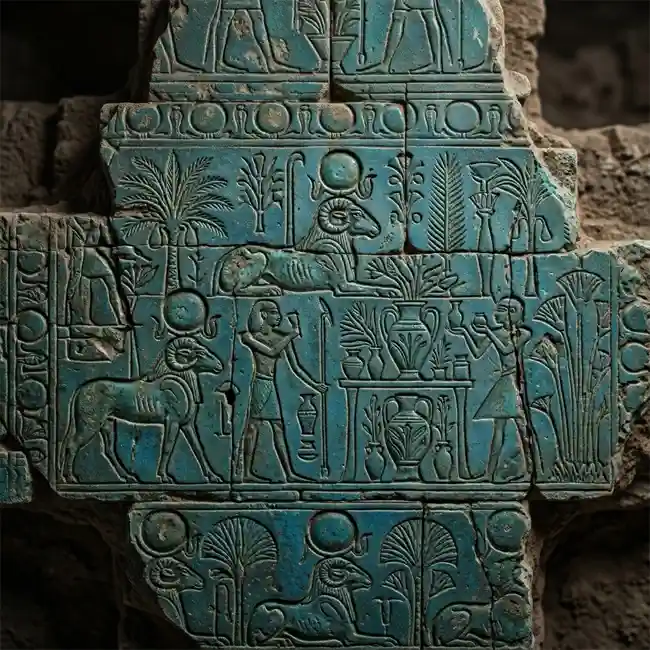
🛕📜 The Storyteller’s Intro: 5,000 Years of Ancestral Flavors
Hey there, fellow history explorer and flavor adventurer! Grab your favorite cozy drink and let's take an incredible step back in time together. We are traveling back roughly 5,000 years to about 3000 BCE to cross the threshold of one of Africa’s oldest, most vibrant, and yet mysteriously underrated empires: the mighty Kingdom of Kerma.
Located right in the heart of Nubia, in what we know today as northern Sudan, Kerma was far more than just a neighboring trading partner to ancient Egypt. It was a thriving, deeply sophisticated powerhouse that commanded respect all across the Nile River valley for over a thousand years.
To really get how special their food and drink culture was, it helps to understand that Kerma wasn't built in a single day. Historians and archaeologists generally break this rich civilization down into four distinct, fascinating eras that show how their society grew and evolved:
✨ Early Kerma (around 2500–2050 BCE): This was the foundational period where pastoralist roots combined with early agricultural settlements along the fertile Nile riverbanks. Simple, wholesome whole grains, native botanical harvesting, and direct cattle rearing formed the daily rhythm of life.
✨ Middle Kerma (around 2050–1750 BCE): During this golden age of expansion, urban centers flourished. Architectural marvels began to rise, craft skills skyrocketed, and exotic trade routes brought rare aromatic herbs and spices into local kitchens.
✨ Classic Kerma (around 1750–1500 BCE): The peak of the empire’s grand power! Kerma extended its dominance over vast stretches of Nubia. Massive royal monuments like the iconic Deffufa were built, and lavish, complex sacred banquets became a defining feature of courtly life and spiritual ritual.
✨ Final Kerma (around 1500 BCE): A period of dramatic transition and cultural blending as interactions and conflicts with the New Kingdom of Egypt shifted the political landscape, leaving behind a rich legacy that continued to influence African and Middle Eastern culinary heritage for millennia.
What makes the culinary world of Kerma so uniquely enchanting is their deep, spiritual connection to nature. Long before modern wellness trends praised plant-based living, the people of Kerma were already master herbalists. They viewed wild plants, aromatic roots, sun-dried flowers, and pure natural sweeteners not merely as food, but as sacred infusions and nourishing botanical tonics designed to align the body with the earth's natural energies.
Imagine stepping into a bustling Kerma kitchen 5,000 years ago. You would be greeted by the warm, sweet aroma of wild jujube fruits simmering in clay pots, the citrusy tang of hibiscus leaves, the cool fragrance of desert mint, and the comforting earthy depth of roasted native grains like sorghum. They created drinks and decoctions that recharged weary travelers, sustained grand builders, and honored ancestral spirits during high festival seasons.
Best of all? They accomplished all of this through absolute purity—relying strictly on nature’s bounty of herbs, barks, seeds, fruits, and honey without needing complex processing or artificial additions. It is a world of pure, refreshing, and deeply historical gastronomy waiting for us to uncover!
📜 Iconic Excavated Menus: Timeless Nubian Botanical Elixirs
Archaeologists excavating the vast royal tombs, living quarters, and sacred temples around the great city of Kerma have discovered fascinating botanical remnants, ancient ceramic vessels, organic residue in storage jars, and botanical traces preserved in dry desert sands. These discoveries give us direct proof of the incredible beverages and botanical preparations that filled their daily life and ceremonial banquets:
🍵 Sacred Temple & Courtly Infusions
• Royal Karkadeh-Zingiber Sacred Infusion: A deep ruby-red ceremonial elixir crafted from sun-dried wild hibiscus blossoms, gently steeped with crushed native wild ginger and sweetened with raw desert honey, served during grand temple gatherings.
• Nabag Jujube & Honey Botanical Tonic: A comforting, golden-hued wellness decoction made by slowly simmering dried wild jujube fruits (Nabag) with cracked acacia gum resin to yield a soothing, naturally sweet elixir used for daily vitality.
• Senna-Mint Cooling Oasis Draught: A light, uplifting daytime beverage combining crushed wild desert mint with mild botanical leaves, served cold from porous clay amphorae to keep priests and temple scribes refreshed under the scorching African sun.
• Tamarind-Date Sun Tonic: A rich, tangy-sweet thirst-quencher created by blending tart wild tamarind pods with soft, naturally sugary desert dates, providing long-lasting energy for royal builders and craftworkers.
🌾 Grain-Based Heritage Decoctions
• Roasted Sorghum-Spiced Warm Infusion: A nourishing, nutty grain decoction made from gently roasted sorghum kernels infused with aromatic cracked seeds, acting as both a light liquid breakfast and a digestive tonic.
• Whole Pearl Millet Earth Brew: A thick, wholesome botanical brew prepared from coarse ground pearl millet, steeped with wild aromatic barks to create a deeply filling meal-in-a-glass for long desert journeys.
• Nile Wheat Germ & Wild Herb Tonic: A refreshing, lightly herbal liquid crafted from sprouted wheat grains steeped alongside native wild herbs to celebrate seasonal harvests and renewal.
🌿 Wild Desert & Forest Botanical Elixirs
• Wild Baobab Citrus-Pulp Draught: A nutrient-rich, delightfully tart botanical elixir made by whisking the sun-dried white fruit pulp of the mighty baobab tree with fresh spring water and a touch of palm nectar.
• Acacia Gum & Frankincense Botanical Hydrator: A delicate, smooth herbal water infused with high-grade natural acacia resin and subtle whispers of aromatic incense tree bark, valued for its soothing properties.
• Desert Melon Seed & Wild Honey Milk: A silky, plant-based botanical milk created by finely grinding harvested desert melon seeds with pure water and sweetening it with wild honeycomb.
• Licorice Root & Wild Basil Evening Elixir: A calming, fragrant nighttime infusion brewed from sweet wild licorice root paired with aromatic desert basil leaves, taken to promote restful sleep after long days along the riverbanks.
🗺️ Living like an Ancient Nubian: Daily Life, Foodways & Cultural Heritage Travel
To really feel the spirit of the Kingdom of Kerma, you have to look at how their geography shaped every single aspect of their daily rhythm. Living at the crossroads of Central Africa and North Africa, the people of Kerma developed a lifestyle that balanced sedentary farming along the rich alluvial soils with energetic, mobile pastoralism across the open savanna and desert margins.
Daily foodways were centered around community, hospitality, and gratitude. Meals were rarely eaten alone; instead, families and neighbors gathered around outdoor fire pits and central courtyard hearths. Food was served in beautifully crafted, ultra-thin black-topped red pottery bowls—a signature artistic achievement of Kerma potters that remains world-famous among art historians today.
• Their daily diet was wholesome, clean, and deeply connected to their environment:
◦ Staple Grains: Sorghum and pearl millet were the true heroes of the Nubian table, turned into soft flatbreads, warm porridges, and toasted grain drinks.
◦ Plant & Botanical Bounty: Wild greens, jujube berries, melon seeds, dates, tamarind, and wild legumes were gathered regularly to complement cultivated crops.
◦ Clean Hydration: Water drawn directly from the Nile or deep desert wells was stored in wide-mouthed clay jars called zir, which naturally cooled the liquid through evaporation, keeping everyday herbal tonics fresh and chilled even in summer heat.
• For modern culture lovers, history buffs, and heritage travelers, tracing the path of the Kerma civilization offers one of the most rewarding off-the-beaten-path journeys in the world:
◦ The Great Deffufa of Kerma: This monumental mud-brick temple structure stands as one of the largest and oldest man-made mud structures in all of Africa. Walking around its towering walls gives you an unforgettable, humbling sense of ancient grandeur.
◦ The Kerma Museum: Located right near the archaeological site, this modern facility houses breathtaking collections of black-topped pottery, ancient ivory inlay furniture, bronze artifacts, and organic botanical remains preserved for 5,000 years.
◦ Modern Nubian Village Hospitality: Visiting the peaceful Nubian villages along the Northern Nile offers a living bridge to the past. Today's Nubian hosts still greet guests with incredible warmth, serving traditional Hibiscus (Karkadeh) tea, date drinks, and freshly baked flatbreads prepared using techniques handed down through hundreds of generations.
🚣 Life Along the Sacred River: The Nile Basin Ecosystem & Ancient Waterways
The majestic Nile River was the absolute lifeblood of the Kingdom of Kerma. Without the river's predictable annual floods and fertile silts, this powerful kingdom could never have blossomed in the middle of such an arid landscape.
Navigating the Third Cataract: Kerma was strategically situated near the Third Cataract of the Nile—a dramatic stretch of the river where granite boulders, small islands, and swirling rapids break up the water's flow. This natural geographical feature acted as both a protective barrier against invaders and a busy trading hub for rivercraft.
• The Riverine Agriculture & Foraging Ecosystem:
◦ Silt-Enriched Farming: Every year, as the Nile floodwaters receded, farmers planted crops in the rich, moist mud without needing complex artificial fertilizers.
◦ Riverbank Wild Harvest: The marshy banks were rich with papyrus, wild lotus roots, native water reeds, and river grasses used for both culinary herbs and natural medicines.
◦ Abundant Fishing & Wildlife: The clear Nile waters provided fresh fish like tilapia and Nile perch, while wild fowl frequented the riverbanks, enriching the local food ecosystem.
• Water Trade Routes & River Travel:
◦ Wooden riverboats and sturdy reed rafts glided up and down the Nile carrying heavy clay amphorae packed with dried botanical herbs, jars of raw honey, sacks of grain, and polished cattle horn vessels.
◦ These liquid highways connected Kerma with upper and lower trade ports, allowing exotic herbs from deep in Africa to meet Mediterranean and Middle Eastern trade goods right in Kerma’s bustling river markets.
🏜️ Oasis Trade Trails & Desert Exploration Trails
Beyond the lush green ribbon of the Nile, the people of Kerma were supreme masters of the vast desert. They treated the surrounding arid wilderness not as an impassable wall, but as a vast network of highways connecting hidden desert oases and distant distant trade posts.
• Caravan Trade & Botanical Exchange:
◦ Skilled desert traders led caravans across ancient trails, connecting Kerma with the Red Sea coast, the Sinai, and the rich interior lands of Punt and Central Africa.
◦ Through these rugged trails flowed highly prized trade goods: rare fragrant resins like frankincense and myrrh, aromatic woods, wild spices, dried therapeutic barks, and precious stones.
• Desert Survival & Oasis Hydration Secrets:
◦ Traversing the desert required deep knowledge of natural botanical hydrators. Travelers carried lightweight leather waterskins and dried gourd flasks filled with concentrated botanical syrups made from dates, jujube, or tamarind.
◦ By adding just a small spoonful of these dense, mineral-rich fruit pastes to well water found at desert oases, traders created instant, refreshing herbal tonics that replenished lost electrolytes and kept them energized under the blazing sun.
• Modern Oasis Travel & Desert Adventure:
◦ Today, adventurous travelers can explore the ancient caravan routes across the Nubian Desert, discovering ancient rock art sites, remote well-springs, and tranquil desert oases that have provided cool shade and fresh water to wanderers for 5,000 unbroken years.
🏹❓ Ancient Civilization FAQ: Unlocking Palace Kitchen Mysteries
Q1: What made the beverages of the Kingdom of Kerma different from those of Ancient Egypt?
While both civilizations shared the magnificent Nile River and enjoyed similar native grains like sorghum and barley, Kerma’s beverage culture was uniquely shaped by its deep African trade roots and nomadic heritage. Kerma placed a much stronger emphasis on wild-foraged desert botanicals, native tree fruits like baobab and jujube, aromatic gums, and pure herbal decoctions tailored for desert survival, giving their foodways a distinct Nubian identity.
Q2: How did ancient Kerma cooks sweeten their botanical tonics without modern sugar?
Natural sweetness was everywhere in the ancient Kerma kitchen! Cooks relied primarily on raw wild honeycomb harvested from trees and rock crevices, naturally sweet desert dates, sun-dried jujube fruits (Nabag), and concentrated fruit reductions made from tamarind or dates. These natural ingredients added subtle, rich, caramel-like flavors while providing clean, long-lasting energy.
Q3: Did the people of Kerma use hot or cold methods to prepare their herbal decoctions?
They actually mastered both! For tough barks, roots, and dried fruits, they used slow-simmering techniques over gentle charcoal hearths to extract every bit of flavor and natural goodness into warm decoctions. For delicate leaves, blossoms, and everyday cooling drinks, they used long cold-steeping methods, allowing clay pots (zir) to keep the water cool while herbs gently infused overnight.
Q4: How do modern archaeologists know what ancient Nubians consumed 5,000 years ago?
Archeologists use cutting-edge scientific techniques to discover these ancient secrets! By carefully analyzing microscopic organic residues left inside excavated clay pots, testing soil samples around ancient hearths, examining botanical plant remains trapped in dry desert tombs, and studying microscopic plant crystals (phytoliths) found on ancient grinding stones, scientists can precisely reconstruct the exact herbs, grains, and fruits used in Kerma’s kitchens.
🧠 Final Thoughts: The Timeless Allure of Antique Gastronomy
Exploring the culinary legacy of the Kingdom of Kerma is like opening a forgotten window into humanity’s deep, harmonious relationship with the natural world. Long before complicated processing or artificial flavors existed, ancient Nubian cooks created drinks that were wholesome, delicious, visually stunning, and deeply nourishing for body and soul.
There is something truly magical about realizing that a cooling hibiscus tonic or a warm, honey-sweetened herbal infusion enjoyed today connects us directly across 5,000 years to the vibrant people who walked the grand plazas of Kerma.
Keep your eyes open and your tasting glass ready! In our upcoming culinary feature, we will be stepping into the kitchen together to reveal step-by-step, authentic recreated recipes for these sacred infusions and botanical tonics so you can brew the timeless flavors of ancient Nubia right in your own home!
🏛️ Credit to the Keepers of the Culture (The Legacy)
Grounded in archaeological research, historical excavation findings, and botanical conservation records from the Nile Valley, this overview pays tribute to the enduring heritage of the Nubian people and the dedicated scientific community preserving African ancient history.
📜 Primary Historical & Archaeological References
◦ Swiss Archaeological Mission at Kerma: Decades of pioneering field excavations led by Professor Charles Bonnet and his dedicated team, uncovering the Great Deffufa, royal tombs, urban structures, and ancient foodway artifacts.
◦ Sudan National Museum (Khartoum): Custodian of priceless Kerma pottery, botanical specimens, bronze artifacts, and ancient Nubian cultural treasures.
◦ National Council for Antiquities and Museums (NCAM) Sudan: For their ongoing efforts in preserving, protecting, and researching the World Heritage historical sites along the Nile.
◦ Archeobotanical & Ethno-archaeological Studies of Nubia: Scholarly research on ancient African crop domestication, native sorghum and millet agriculture, and traditional desert herb usage across the Middle Nile region.
◦ Living Nubian Cultural Communities: The traditional elders, home cooks, and local historians across Northern Sudan and Upper Egypt who have faithfully passed down ancestral recipes, herbal wisdom, and hospitality traditions through generations.
🏛️🧪 Unearthing Nubia’s 5,000-Year-Old Sacred Grain elixir
👉 Sip Kingdom of Kerma's Sacred Infusions & Botanical Tonics
| 🌐 🏛️🧪 < Back | 🏝️ 🍯 < Previous |