
🏠 Home > 🗺️ Recipes > 🏛️🍲 Clay-Pot Broths & Stews > 🏝️ Kingdom of Kerma: Clay-Pot Broths & Stews Recipes
🏝️ 🏛️🍲 Kingdom of Kerma: Clay-Pot Broths & Stews Recipes
Published by Supakorn | Updated: October 2026
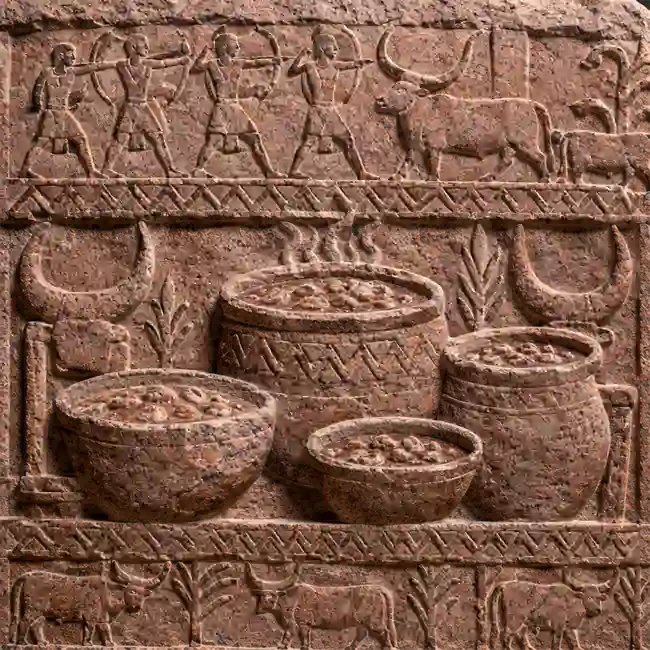
Welcome to the steaming heart of ancient Nubia, where the scent of slow-simmered broths once drifted from round clay kitchens along the Nile. Long before cookbooks existed, the Kingdom of Kerma was perfecting the art of the clay-pot. This is not just food history. This is a 5,000-year-old story told in smoke, sorghum, and sacred stews.
🛎️📜 The Storyteller’s Intro: 5,000 Years of Ancestral Flavors
Imagine this. You are standing on the banks of the Middle Nile around 2500 BCE. The desert wind is hot, the Nile is life itself, and in front of you rises a massive mud-brick city called Kerma. This was the capital of one of Africa's oldest and most powerful civilizations, the Kingdom of Kerma, and believe me, they knew how to cook.
Most people talk about Egypt when they think ancient Nile cuisine, but Kerma was Egypt's sophisticated, powerful southern neighbor for nearly a thousand years. Their food culture was completely their own, built on patience, fire, and the perfect clay pot.
Let's break down the timeline so you can feel how deep this goes:
⭐ The Deep Roots (c. 3500-2500 BCE - Pre-Kerma Culture): Before Kerma became a kingdom, pastoralist communities in Upper Nubia were already mastering fire-pit cooking and early pottery. They were fermenting wild grains and slow-cooking tough cuts of meat from cattle herds in pit-fired earthenware. This is where the clay-pot soul was born.
⭐ The Rise - Early Kerma Period (c. 2500-2050 BCE): This is the game-changer. Kerma becomes a fortified urban center. Archaeologists found distinct, thin-walled, hand-polished pottery, black-topped and red-slipped. These were not just pretty bowls. They were engineered for heat retention. Broths started to become status food.
⭐ The Golden Age - Middle & Classic Kerma Period (c. 2050-1550 BCE): At its peak, Kerma ruled from the Second to the Fourth Cataract of the Nile. Population boomed to around 10,000 people in the city alone. Royal tombs revealed massive kitchens with dozens of large storage jars for sorghum, barley, and dried fish. The palace kitchen was a real institution. Stew was power.
⭐ The Legacy - Late Kerma to Kushite Period (c. 1550-1070 BCE): Even after the Egyptian New Kingdom conquered Kerma, the cooking traditions refused to die. They blended, evolved, and became the foundation for the later Kingdom of Kush. That slow-cooked flavor DNA survived for another thousand years.
What made Kerma food so special? It was all about thermal wisdom. In a land where water was precious and fuel was scarce, you did not waste heat. You built a low, controlled fire, tucked a round-bottomed clay pot into the embers, and let time do the work for 6 to 10 hours. The result was never a quick fry. It was always a deep, collagen-rich, soul-warming broth.
📜 Iconic Excavated Menus: Dishes From The Kerma Palace Kitchens
Archaeologists working at the Kerma archaeological site in modern-day Sudan didn't find written recipes, of course. They found something better: food residues inside pots, animal bones with cut marks, charred grains, grinding stones, and tomb paintings. From this evidence, we can reconstruct the iconic menus that defined the palace table. Think of this as the ancient Nubian tasting menu.
💥 The Royal White Nile Broth - Aman-Kush Broth: This was the signature. Named after Aman, the Nubian word for water. Excavations show Nile perch and catfish bones found inside large black-topped pots. The theory is clear. They slow-simmered whole Nile fish with wild celery seeds, doum palm shoots, and a souring agent from dried desert dates. It was light, slightly smoky, and incredibly nourishing. A true palace staple.
💥 Classic Kerma Cattle & Sorghum Stew - Kuru Stew: Kuru means ancient in some Nubian dialects. Cattle were wealth in Kerma. You didn't eat them every day. When you did, you used everything. Bone-in cuts of long-horned cattle were sealed in a pot with fermented red sorghum, roasted acacia seeds, and crushed wild onion bulbs. The sorghum thickened the broth into a porridge-stew hybrid. This was found in both royal and commoner contexts.
💥 Black Pot Barley & Desert Herb Broth - Sai Herb Pot: Named after Sai Island, a major Kerma outpost. Residue analysis shows emmer barley mixed with desert thyme and nalta jute leaves. This was the everyday health broth. The jute gave it a slightly viscous, silky texture, similar to modern molokhia, perfect for dipping hand-pressed flatbreads.
💥 Western Deffufa Smoked Goat Stew - Deffufa Night Stew: The Western Deffufa is Kerma's massive mud-brick temple. Priests likely prepared this offering stew. Goat meat was smoked first over acacia wood, then re-hydrated in a broth of dried okra, Bambara groundnuts, and charred shallots. The smoking was both flavor and preservation.
💥 Nubian Wild Date & Lentil Sweet-Savory Pot - Benut Lentil Pot: A surprising find. Wild red lentils mixed with the pulp of wild desert dates and a hint of honey from wild hives. This was served in smaller, finer red-slipped bowls, likely as a side for royalty or a special dish for children and elders. It proves Kerma cooks understood sweet-savory balance 4,000 years before it became trendy.
💥 Funerary Offering Broth - Akhra Ritual Broth: Found in sealed pots inside the great tumulus graves at Kerma, some up to 90 meters wide. These pots contained sterile broth residues of cattle marrow, white sorghum, and frankincense resin. It was not meant for the living. It was a food for the afterlife journey, symbolizing purity, sustenance, and safe passage.
🗺️ Kerma Living & Traveling: Eating Like a Nubian King Today
How did they actually live and eat, and how can YOU follow their trail today? Kerma food was inseparable from daily life. It was communal, seasonal, and deeply spiritual.
• The Kitchen Layout: A Kerma kitchen was circular, open-roofed, with a central hearth sunk into the ground. Pots were nestled, not placed. Women were the keepers of the clay-pot knowledge, passing down the art of tempering pots with sorghum husk to prevent cracking. The whole family ate from a large shared central pot using fingers and sorghum flatbread as scoops.
• The Rhythm of Eating: Mornings were for leftover broth reheated with fresh barley porridge. Midday was light, dried fish, dates, and water. Evening was the main event, the long-simmered stew, eaten as the sun set and the desert cooled. Meat was for festivals, ceremonies, and honoring guests. Grains were every day.
• Where to Travel on This Food Trail: If this story makes you hungry for history, your pilgrimage starts in Northern Sudan. The Kerma Museum is a gem, built around the Western Deffufa itself. It displays actual 4,000-year-old pots with soot still on the bottom. Just a few kilometers away is the ancient Kerma necropolis, where you can stand beside the giant royal tombs. For a living food connection, visit the local Nubian villages around Tombos and Dongola. Many families still cook in nearly identical round black pots called burma and make sorghum kisra flatbread exactly like their ancestors.
🚣 The Nile's Gift: The Third Cataract Broth Corridor
You cannot talk about Kerma food without talking about the Nile. Specifically, the stretch between the Second and Third Cataracts. This was the Kerma breadbasket and pantry, and archaeologists call it the Nile Broth Corridor.
• Why This Stretch of River Was Everything: The cataracts slowed the Nile, creating wide floodplains perfect for growing sorghum and barley without complex irrigation. The slower water also meant richer fishing grounds for Nile perch. The clay for the pots came directly from the riverbank silt, rich in minerals that helped seal the pottery naturally.
• Seasonal Cooking Logic: When the Nile flooded from July to October, fresh fish broths dominated. As waters receded from November to March, stored sorghum stews and dried meat broths took over. In the harsh hot season from April to June, they relied on fermented sorghum porridges and light herb broths that required little fuel. They cooked with the river, not against it.
• Keyword for Modern Explorers: If you are searching for Ancient Nubian Nile River Food Culture or Third Cataract Ancient Kitchen Secrets, this is the heart of it. The Kerma diet was the ultimate example of river-to-pot sustainability.
🏜️ The Desert Pantry: Oasis, Acacia, and Caravan Spices
Kerma wasn't just a river kingdom. It was a desert kingdom that controlled the trade routes deep into Central Africa. Their broths tell that story.
• The Oasis Ingredients: The Bayuda Desert and surrounding oases provided what the Nile could not. Doum palm fruit for souring, desert dates for sweetness, wild thyme and acacia gum for thickening, and natron salt from desert salt pans for seasoning and preservation. These were not luxury imports. They were essential pantry items carried in leather pouches.
• The Caravan Connection: Kerma was the middleman. Caravans brought ivory and ebony from the south, but also brought Bambara groundnuts, wild okra, and dried baobab leaves from the savanna. You can literally taste the African continent in a single Kerma stew pot. It was an early example of fusion, thousands of years before the word existed.
• For Desert Travel Dreamers: If you are hunting for Ancient Sahara Oasis Food Traditions or Kerma Desert Spice Routes Culinary History, remember this. The magic of Kerma clay-pot broths was this perfect balance. Nile freshness plus desert resilience. Soft river fish plus hardy desert seeds. That duality is what makes it so timeless and so perfect for modern slow-food inspiration.
🔍❓ Ancient Civilization FAQ: Unlocking Palace Kitchen Mysteries
Q1. Did the Kingdom of Kerma really have palace kitchens like ancient Egypt?
Yes, but different. Egyptian palace kitchens were highly organized state bakeries. Kerma's was more centralized and communal. Excavations near the Eastern Deffufa uncovered large-scale storage areas with over 30 large grain jars and communal grinding stones. Royal graves also contained models of kitchens and actual servants' burials with cooking pots. It suggests the royal household fed a large retinue daily, and food was a direct display of a king's ability to provide. It was less bureaucratic than Egypt, more like a giant family feast.
Q2. What made Kerma clay pots so special compared to other ancient pottery?
It was the engineering. Kerma pottery is world-famous for its thin walls and incredibly polished, almost metallic finish. The famous black-topped ware was fired upside down in a low-oxygen pit, creating a natural non-stick, carbonized interior. This made it ideal for long, slow, low-heat simmering without burning or sticking. The round bottom meant heat circulated evenly, like a modern Dutch oven. They were light, strong, and held heat for hours after being removed from fire.
Q3. Is there any connection between Kerma stews and modern Sudanese or Nubian food?
Absolutely direct. If you eat in northern Sudan today, you will still find Mullah stews made with okra and dried meat, Kisra sorghum flatbread, and slow-cooked fish broths called Shorbat Samak. The technique of using acacia and baobab as thickeners and souring agents from dried dates is still alive. Many Nubian grandmothers still use the same style of blackened clay burma pot. Kerma never really disappeared. It just kept simmering.
🧠 Final Thoughts: The Timeless Allure of Antique Gastronomy
The Kingdom of Kerma reminds us that great food doesn't need complexity. It needs patience.
Their entire culinary philosophy can be summed up in one pot. Take what the river gives you. Take what the desert gives you. Put it in a vessel made from the earth itself. Give it time and low fire. Share it with everyone.
These were not primitive gruels. These were intentional, nutritious, deeply flavorful broths designed to make tough ingredients tender, to preserve precious calories, and to bring a community together after a hard day under the Nubian sun.
We have only scratched the surface. We have not even talked about fermentation techniques, the sacred beer-free ritual drinks made from tigernut, or how they baked bread directly on the pot lids. The full, reconstructed recipes with modern measurements are coming soon.
For now, let the image of that glowing hearth in a circular mud-brick kitchen stay with you. The pot is still warm.
🕌 Credit to the Keepers of the Culture (The Legacy)
This content is built with deep respect for the archaeological work of the Swiss Archaeological Mission at Kerma led by Charles Bonnet, whose 50+ years of excavation brought this incredible city back to light. And above all, our deepest gratitude goes to the people of Nubia, both ancient and modern.
The Kerma civilization, the Kushite descendants, and the contemporary Nubian communities of Sudan and southern Egypt are the true keepers of this culinary wisdom. Their traditions, oral histories, and continued use of ancestral cooking methods are the living library that allows us to interpret ancient pot residues as real food.
All historical interpretations are based on published findings from the Kerma Site Museum, the University of Neuchâtel, and the Sudanese National Corporation for Antiquities and Museums. We honor their legacy by telling their story with accuracy, humility, and a deep appetite for truth.
🏛️🍲 The Forgotten Clay Pot That Fed a 5000-Year-Old Kingdom
👉 Master Kingdom of Kerma's Clay-Pot Broths & Stews
| 🌐 🏛️🍲 < Back | 🏝️ 🍖 < Previous | Next > 🍯 🏝️ |