
🏠 Home > 🗺️ Recipes > 🔥🍗 First Flame Hearth (Primitive Roasted Meats) > 📜 Jordan Rift & Levantine Corridor: First Flame Hearth (Primitive Roasted Meats) Recipes > 🔥🍗 1.Ubeidiya Fire-Roasted Fallow Deer with Ash-Baked Wild Roots
🔥🍗 How Homo Erectus Cooked: The 1.4-Million-Year-Old Fallow Deer Roast
Published by Supakorn | Updated: August 2026
🔥 🦴 Prehistoric Ancestral Palate: Lower Paleolithic Era (300,000 – 2,500,000 Years Ago)
🌋 The Dawn of Fire & Stone: 300,000 - 2,500,000 Years of Early Hominid Survival
Imagine standing on the breezy shores of an ancient rift valley lake over a million years ago. The wind sweeps across tall savanna grasses, carrying the earthy scent of wet soil, crushed wild herbs, and the distinct, savory perfume of wood smoke drifting from a hearth built of river stones. Around you, the rhythmic, metallic clack-clack-clack of flint strikes echoes against limestone cliff walls as early Homo erectus hunters shape raw flint into sharp Acheulean handaxes.
This was not a primitive struggle of mere survival—it was the birth of human culinary culture. Long before spices, pans, or ovens existed, our ancestors gathered around crackling open fires under starry primeval skies. The triumph of a successful hunt brought the tribe together, transforming raw game into deeply nourishing feasts that sustained life, built community, and fuelled the rapid evolutionary leap of the human brain.
🍃 The Primordial Genesis of Human Sustenance
Deep inside our DNA, we still carry the instinctual memory of the primordial hearth. Before agriculture, processed foods, or synthetic additives, early humans relied entirely on the raw bounty of mother nature. The very first forest fire sparked by lightning was more than a natural force; it was a revelation that turned dark, terrifying nights into warm, safe havens.
When our ancestors discovered that heat transformed tough muscle fibers into tender, succulent bites and rendered dense bone marrow into rich energy, everything changed. This primal nutrition—packed with healthy fats, bioavailable proteins, unrefined plant tubers, and mineral-rich wild greens—nurtured the body and mind in its purest form. Reconnecting with these foundational flavors allows us to honor the raw, unadulterated nourishment that kept our ancestors thriving for millions of years.
⛏️ The Lower Paleolithic Culinary Awakening
The Lower Paleolithic period was an age of remarkable innovation hidden beneath layers of fossilized ash and river sediment. Early hominids mastered the art of knapping stone tools, creating teardrop-shaped handaxes capable of cleanly butchering thick-skinned game. They smashed heavy leg bones on anvil stones to unlock the golden treasure inside: lipid-rich bone marrow.
By roasting heavy cuts of game over red-hot hardwood coals and baking starchy wild roots right under the gray ash, they laid the groundwork for every cooking technique we use today. Excavations across ancient hominid sites prove that cooking was never an accident—it was a deliberate, highly skilled ancestral ritual that turned wild ingredients into pure vitality.
🥩 Recipe: Ubeidiya Fire-Roasted Fallow Deer with Ash-Baked Wild Roots
📜 Whispers from the Ancient Cave Wall
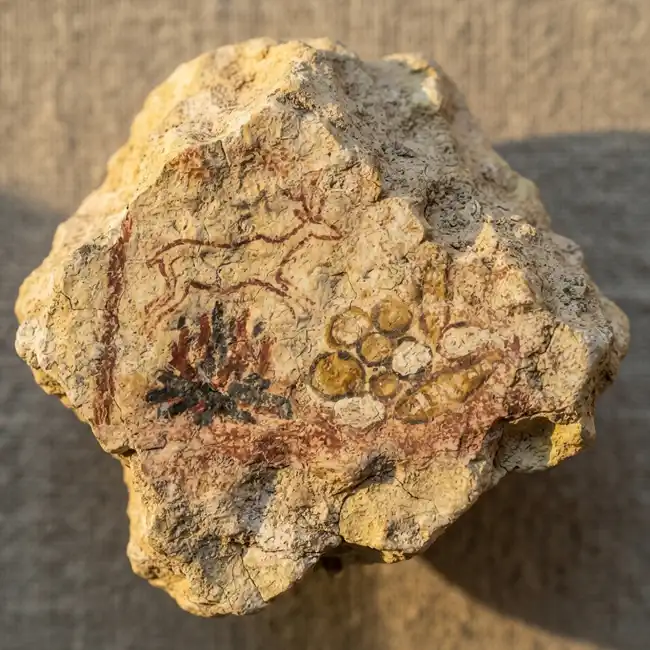
Archaeological digs along the Jordan Rift Valley at the famous Ubeidiya site have uncovered charred animal bones, flint handaxes, and hearth sediment deposits dating back roughly 1.4 million years. These fossilized remains tell an incredible story of Homo erectus bands gathering along the lake shore, harvesting fallow deer (Dama dama), and roasting prime cuts over glowing embers. The subtle scorch marks on fossilized marrow bones reveal a deep understanding of fire control and butchery. This recipe pays homage to those legendary shoreline feasts, adapted so you can safely bring the authentic tastes of the Lower Paleolithic into your own modern home.
🌿 Wild Savannah Treasures & The Hominid Larder
• The Primitive Staples: Ancient hominid cooking revolved around wild game, rich animal fats, wild tubers, and native botanical botanicals gathered near freshwater lakes and river basins. The core components were megafauna meat, marrow fat for sustained energy, ash-roasted roots, and wild greens that provided sharp, refreshing bites to balance dense proteins.
• Modern Kitchen Substitutes: Since wild 1.4-million-year-old game is a bit hard to come by at your local supermarket, you can easily replicate these prehistoric flavors using high-quality grass-fed proteins and earthy wild plants:
◦ Ancient Fallow Deer ➔ Grass-fed venison roast, elk tenderloin, or a thick-cut grass-fed beef ribeye roast.
◦ Primal Marrow Bones ➔ Center-cut beef or bison marrow bones.
◦ Wild Shoreline Tubers ➔ Organic orange sweet potatoes, purple yams, or sunchokes (Jerusalem artichokes).
◦ Savanna Foraged Greens ➔ Fresh dandelion greens, wild arugula, or watercress.
◦ Ancient Seed Crust ➔ Crushed raw juniper berries, coarse sea salt, and cracked wild black peppercorns.
• Paleolithic Proportions:
◦ 2.5 pounds grass-fed venison roast (or beef ribeye roast)
◦ 4 large center-cut beef marrow bones (pipe cut)
◦ 3 large sweet potatoes or sunchokes (left whole with skin on)
◦ 2 cups fresh dandelion greens or wild arugula
◦ 1 tablespoon crushed raw juniper berries
◦ 1.5 tablespoons coarse flaky sea salt
◦ 2 tablespoons rendered beef tallow or bison fat
◦ 4 sprigs fresh wild rosemary or thyme (optional for aromatic smoker wood effect)
🔥 The Handaxe Culinary Ritual
1.Prepare the Fire Foundation: If cooking outdoors, build a clean hardwood fire using oak or hickory until you have a thick bed of glowing, red-hot embers with zero active flames. If using an indoor oven, preheat it to 425 degrees Fahrenheit (220 degrees Celsius) and set a heavy cast-iron skillet or stone baking slab inside to get scorching hot.
2.Score and Rub the Meat: Take your venison or beef roast and use a sharp knife to score crosshatch patterns into the fat cap, mimicking ancient handaxe butchery marks. Rub the meat generously with rendered tallow, coarse sea salt, and crushed juniper berries. Let the meat sit at room temperature for 20 minutes so the juices settle.
3.Sear the Primal Cut: Place the seasoned roast directly onto the screaming-hot cast-iron skillet or an elevated grill grate right over the hot embers. Sear for 3 to 4 minutes per side until a deep, dark mahogany crust forms. This seals in all the rich juices and gives you that irresistible smoky char.
4.Roast Low and Slow: Shift the roast to indirect heat on your grill or lower your oven temperature to 325 degrees Fahrenheit (165 degrees Celsius). Let it roast slowly for about 25 to 30 minutes until the internal temperature reaches 130 degrees Fahrenheit for a perfect medium-rare.
5.Ash-Bake the Tubers: Wrap the sweet potatoes directly in foil (or place them directly into cool hardwood ash at the edge of your fire pit). Roast for 40 to 45 minutes until the skins are blackened and crisp, while the inside turns molten, sweet, and soft.
6.Roast the Marrow Bones: Stand the marrow bones upright on a baking tray or right next to the hot coals. Sprinkle them with sea salt and roast for 15 to 18 minutes until the marrow turns golden, bubbling, and buttery soft.
7.Assemble the Hearth Platter: Carve the rested deer roast into thick, rustic slabs. Plate them alongside the split open ash-baked tubers and upright marrow bones. Garnish with a bed of fresh, peppery dandelion greens. Scoop the warm, rich marrow directly over the sliced meat as an all-natural ancestral sauce.
🦴 Secrets of the Primordial Hearth
◦ Hardwood Coal Control: Never cook directly over open gasoline-lit flames or sappy softwoods like pine, which leave an acrid resin taste. Stick to dense hardwoods like oak, hickory, or applewood to get clean, sweet smoke and steady heat.
◦ Mastering Meat Temperature: Wild game like venison is exceptionally lean compared to farm-raised grain-fed meat. Cook it medium-rare at most; overcooking wild game causes it to lose its tender texture and dried out.
◦ The Marrow Glaze Technique: Bone marrow is nature's original butter. Instead of making heavy modern flour sauces, use a carved wooden spoon or knife to smear hot marrow directly over your carved roast. The fat melts into the warm muscle fibers, making every bite unbelievably juicy.
◦ Forgiving the Char: Do not be afraid of a little dark charring on the edges of your meat and root vegetables. That subtle bitterness creates the signature flavor profile of authentic open-fire prehistoric cooking.
🤨❓ Lower Paleolithic Wisdom & Secrets FAQ
Q1: Did early humans in the Lower Paleolithic eat raw meat or fully cooked food?
A: By 1.4 million years ago, evidence from sites like Ubeidiya and Wonderwerk Cave suggests early hominids like Homo erectus were actively using fire. While they certainly consumed some fresh raw organ meats right after a kill, fire roasting was regularly used to tenderize meat, kill parasites, and make root tubers easier to digest.
Q2: How did early humans get enough fat on a wild lean diet?
A: Wild game is lean, so early hominids intentionally targeted fat-dense organs, brain tissue, and marrow bones. Cracking open long bones with Acheulean handaxes allowed them to access high-calorie marrow fats that were otherwise protected inside dense bone walls.
Q3: Is it safe to eat wild dandelion greens and roots raw?
A: Yes! Foraged greens like dandelion, wild mustard, and arugula are completely edible and packed with essential vitamins and bitter compounds that aid digestion. Just make sure to forage from clean, pesticide-free areas or purchase organic wild greens from a local market.
Q4: Why don't we use heavy spices or marinades in this recipe?
A: Lower Paleolithic cooking relies entirely on the natural flavor of high-quality meat, pure animal fats, wood smoke, and mineral salts. Leaving out heavy modern sauces allows you to taste the deep, rich flavor profile that sustained our ancestors for millennia.
🌌 The Untamed Soul of Primeval Flavor
There is something deeply grounding about eating a meal prepared without artificial additives, chemical sauces, or overly processed ingredients. The flavor profile of this 1.4-million-year-old style roast is wild, rich, and unmistakably primal. The rich marrow coats your palate, complemented by the caramelized sweetness of ash-roasted tubers and the sharp, pepperiness of fresh wild greens. It is not just dinner—it is a sensory journey through human history that invigorates your senses and nourishes your body at the cellular level.
🌋 Final Thoughts: Unleashing the Lower Paleolithic Heritage in Your Modern Kitchen
Stepping into your kitchen does not mean you have to leave your prehistoric roots behind. By replacing hyper-processed oils and artificial flavorings with simple fire, quality cuts of grass-fed meat, marrow bones, and whole tubers, you transform a standard weeknight dinner into an ancient feast.
Give this recipe a try during your next weekend BBQ or cookout. Turn off the bright overhead lights, light up the fire pit or grill, gather your family and close friends around the flames, and experience the timeless pleasure of sharing a real, ancestral meal together.
🐺 The Sacred Tribe (Claim Your Lower Paleolithic Heritage)
Are you ready to cast aside modern processed foods and reconnect with your true ancestral roots? Join our growing tribe of Paleo enthusiasts, outdoor fire cooks, and primitive living pioneers!
Subscribe to our newsletter today to receive exclusive ancestral recipes, wild foraging guides, primitive fire-starting techniques, and historical deep dives straight to your inbox. Leave a comment below sharing your favorite open-fire cooking experiences, and share this recipe with fellow meat lovers who appreciate the art of real food!
📜 Credit to the Keepers of the Lower Paleolithic Legacy
This recipe is proudly inspired by Lower Paleolithic archaeological excavations, fossilized hearth deposits, and Acheulean stone tool artifacts dating back to the dawn of early hominids (300,000 - 2,500,000 B.C.), including remarkable shoreline findings at Ubeidiya Lake. We have meticulously adapted these wild, primordial preparations for the modern culinary enthusiast while honoring the untamed spirit, rich traditions, and nutritional wisdom of our most ancient ancestors.
| 📜 🔥🍗 < Back |