
🏠 Home > 🗺️ Recipes > 🍝 Main Dishes > 🇩🇯 Djibouti Main Dishes Recipes
🇩🇯 🍝 Authentic Djibouti Main Dishes: Must-Try Traditional Meals & Horn of Africa Food Culture
Published by Supakorn | Updated: November 2026
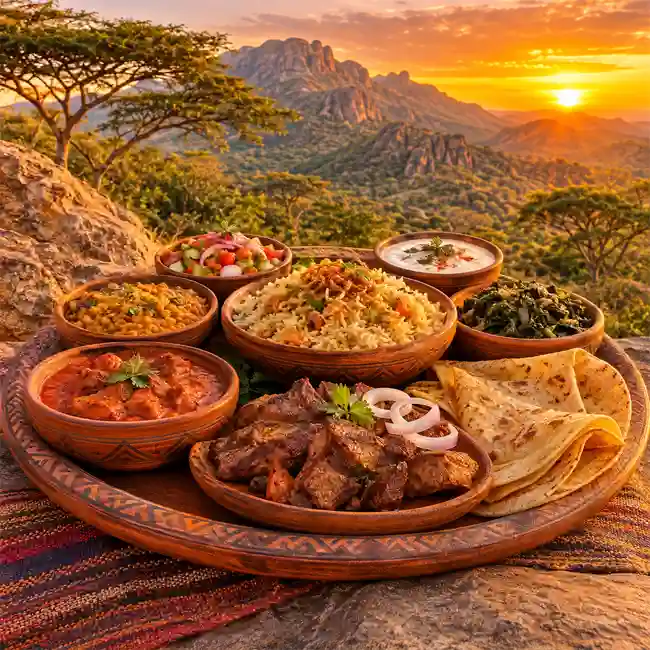
🕌🏜️ Introduction: The Cultural Heritage of Djibouti Main Dishes
Djibouti may be a small country on the Horn of Africa, but its food culture has a surprisingly rich personality. Sitting between Ethiopia, Eritrea, and Somalia, with Yemen just across the Red Sea, Djibouti has developed a culinary identity shaped by centuries of migration, trade, family traditions, and life along important coastal routes.
When exploring traditional Djibouti main dishes, you will quickly notice that the country's cuisine is not built around just one cooking style. Instead, it brings together Somali, Afar, Yemeni, Ethiopian, and broader Arab influences, creating meals that feel both familiar and distinctive. Rice, meat, fish, flatbreads, legumes, and aromatic spices all have an important place in everyday cooking.
Food in Djibouti is also closely connected to geography. The country's dry landscapes, pastoral communities, busy port city, and access to the Gulf of Aden all influence what people eat. In the capital, seafood and rice-based meals are easy to find, while traditional dishes from inland communities often reflect a stronger connection to livestock, grains, and practical home cooking.
For visitors, discovering Djibouti's food is a wonderful way to understand the country beyond its famous salt lakes, dramatic desert scenery, and spectacular coastline. A shared rice platter, a comforting bowl of spiced meat soup, or freshly prepared flatbread can reveal just as much about local life as a visit to a historic neighborhood.
The best way to approach Djiboutian cuisine is with curiosity. Rather than expecting a single national cooking tradition, think of it as a meeting point of cultures, where different communities have contributed their own ingredients, techniques, and dining customs over generations.
🍽️ The Art of Djibouti Dining Culture & Social Eating
Eating in Djibouti is often about more than simply satisfying hunger. Meals provide opportunities for family members, friends, neighbors, and guests to spend time together. Hospitality is an important part of social life, and offering food to visitors is a meaningful expression of welcome and generosity.
In many households, lunch and dinner are substantial meals, often featuring rice, bread, meat, or a combination of these staples. Shared dishes are common, particularly during family gatherings and celebrations. People may sit together around a large serving platter, enjoying the meal while exchanging stories and catching up on everyday events.
Here are some characteristics that help explain the country's dining culture:
• Shared meals: Large platters of rice and meat encourage communal eating and make family meals feel welcoming.
• Hospitality: Guests are often treated with warmth, and offering a meal is an important way to show respect.
• Family traditions: Recipes and food preferences are passed between generations, with mothers, grandmothers, and other relatives playing important roles in preserving culinary knowledge.
• Bread as a staple: Flatbreads are enjoyed alongside stews, meat dishes, and sauces, providing a practical and satisfying part of the meal.
• Generous portions: Traditional meals are often filling, reflecting the importance of food as a source of energy and shared enjoyment.
• Special occasions: Weddings, religious celebrations, and family gatherings provide opportunities to prepare more elaborate dishes.
Islamic traditions also influence food culture in Djibouti. Many families observe dietary practices associated with their faith, and special meals during Ramadan and Eid bring communities together. During Ramadan, the evening meal after sunset is an especially important time for sharing food with family and guests.
Another interesting feature is the difference between everyday eating and celebratory dining. A simple home-cooked meal may center on bread, rice, and a modest stew, while a special gathering might include fragrant rice, larger portions of meat, seafood, and several accompaniments.
For travelers, accepting an invitation to share a traditional meal can be one of the most memorable ways to experience Djiboutian hospitality.
🗺️ Where Culture Meets Flavor: Iconic Food Tourism Spots
Djibouti's culinary landscape is closely connected to its towns, coastlines, and regional communities. Although the country is not yet as widely recognized as a major international food destination, its local markets, seafood restaurants, and traditional eateries offer plenty of opportunities to explore regional flavors.
• Djibouti City: The Heart of Everyday Food Culture
Djibouti City is the best starting point for discovering the country's diverse food scene. As the capital and main commercial center, it brings together people from different communities and backgrounds.
Visitors can find rice-based meals, grilled fish, meat stews, flatbreads, and food influenced by neighboring countries. The city's coastal location also makes seafood an important part of the dining experience.
Traditional markets and neighborhood eateries provide a glimpse into everyday food shopping and local eating habits. These places are particularly interesting for travelers who want to see how ingredients move from markets into family kitchens.
• The Port and Coastal Areas: Fresh Seafood Traditions
Djibouti's position along the Gulf of Aden has helped shape its relationship with seafood. Coastal communities have long relied on fishing, and fish remains an important food in many parts of the country.
Near the waterfront, visitors may encounter grilled fish, seafood rice, and dishes featuring locally available marine ingredients. The appeal is often simple: fresh seafood, aromatic seasoning, and cooking methods that allow the natural flavor of the fish to remain noticeable.
• Tadjoura: A Historic Coastal Food Experience
Tadjoura is one of Djibouti's oldest towns and is known for its coastal setting, historic character, and connections to regional trade. Its location makes it an interesting place to experience the relationship between coastal life and local cuisine.
Seafood, rice, and traditional household dishes help illustrate how geography influences eating habits in this part of the country.
• Obock: Coastal Heritage and Fishing Communities
Obock, located near the entrance to the Red Sea, offers another perspective on Djibouti's maritime food traditions. Fishing and coastal livelihoods have influenced local food practices, while the wider region reflects connections between African and Arabian Peninsula cultures.
• Lake Assal and the Inland Landscapes: Food Beyond the Coast
Lake Assal is famous for its striking salt formations and dramatic landscape. Although it is not primarily a food destination, visiting the surrounding region helps travelers understand the environmental conditions that shape life in Djibouti.
Inland and rural communities have different food priorities from those living in the capital. Livestock, practical grain-based meals, and traditional food preservation are important parts of the wider culinary story.
Exploring these destinations makes one thing clear: Djibouti's food culture is not limited to restaurant menus. It is closely connected to the country's geography, local livelihoods, and the movement of people across the Horn of Africa.
🍛 Top Iconic Djibouti Main Dishes Specialties
One of the most exciting things about Djiboutian cuisine is the variety of meals available despite the country's relatively small size. Some dishes are deeply connected to Somali and Afar food traditions, while others reflect the influence of Yemen and the wider Red Sea region.
Here are the traditional Djibouti main dishes and food specialties worth knowing when exploring the country's culinary identity.
1. 🍚 Skoudehkaris – The Iconic Djiboutian Spiced Rice Dish
Skoudehkaris is one of the most recognizable dishes in Djibouti and is frequently described as the country's national dish. It is a comforting rice-based meal traditionally prepared with lamb or other meat and a fragrant combination of spices.
What makes this dish special is the way the rice absorbs the savory flavors of the meat, tomatoes, onions, and seasonings. The result is a satisfying meal with an inviting aroma and a rich but balanced taste.
Skoudehkaris is particularly associated with family lunches and everyday dining. It is also a popular introduction to Djiboutian food for visitors because it brings together several important elements of the country's cuisine.
Why it deserves attention:
◦ It represents the importance of rice in Djiboutian cooking.
◦ Its seasoning reflects Somali and broader Middle Eastern culinary influences.
◦ It is suitable for family gatherings and shared meals.
◦ It demonstrates how simple staple ingredients can create a memorable traditional dish.
For anyone discovering authentic Djibouti main dishes, Skoudehkaris is an excellent place to begin.
2. 🍲 Fah-fah – Traditional Spiced Meat Soup
Fah-fah is a traditional meat-based soup that offers a different experience from the country's rice-centered meals. It is commonly associated with goat meat, although variations may use other types of meat.
The dish typically features a flavorful broth with vegetables such as potatoes, cabbage, tomatoes, and leeks. Garlic, coriander, and green chili help create its distinctive aroma and gentle-to-moderate heat.
Fah-fah is especially appealing to people who enjoy hearty soups and slow-cooked comfort food. The combination of tender meat, vegetables, and aromatic broth makes it a satisfying meal.
It is often enjoyed with traditional flatbread, which can be used to accompany the soup and soak up its flavorful liquid.
In Djiboutian food culture, Fah-fah demonstrates the importance of practical, nourishing meals that bring together meat, vegetables, and familiar household ingredients.
3. 🐟 Moukbbaza – Yemeni-Influenced Fish Specialty
Djibouti's coastal location has encouraged a strong relationship with seafood, and Moukbbaza is an interesting example of the country's culinary connections with Yemen.
This specialty is associated with Yemeni-influenced fish preparation. Fish is traditionally cooked over charcoal or in an oven after being coated with a flavorful mixture of tomatoes and spices.
The finished dish reflects the importance of aromatic seasoning in Red Sea cooking. Depending on the local preparation, it may be accompanied by mashed dates, bananas, sesame seeds, or Arabic-style flatbread.
Moukbbaza is particularly interesting because it illustrates how culinary traditions can travel across the water and become part of another country's food identity.
For visitors exploring Djibouti City and coastal communities, Yemeni-style fish dishes provide a delicious connection between local seafood and centuries of regional exchange.
4. 🍪 Lahoh – The Traditional Spongy Flatbread
Lahoh, also known in some neighboring food traditions as laxoox, is a soft, porous flatbread made from fermented batter. It has a slightly tangy flavor and a spongy texture that makes it excellent for accompanying other foods.
Although Lahoh is often associated with breakfast, it also plays an important role in everyday meals. It can be enjoyed with honey, sugar, or ghee, or served alongside soups and savory stews.
Its texture is one of its most recognizable characteristics. The small holes across the surface help it absorb sauces and broths, making it particularly useful when eating traditional dishes.
Lahoh also reflects the close culinary relationship between Djibouti and neighboring Somali communities. Similar breads appear in different forms across the Horn of Africa and parts of the Arabian Peninsula.
5. 🥘 Sabayad – A Popular Layered Flatbread
Sabayad, sometimes written as sabaayad, is another traditional flatbread that deserves a place in any introduction to Djiboutian food.
Unlike the spongy texture of Lahoh, Sabayad is generally thicker, softer, and slightly flaky. It is prepared as a pan-cooked flatbread and is enjoyed in both breakfast and savory meal settings.
Its appeal comes from its versatility. Sabayad can accompany meat dishes, vegetables, soups, and other savory foods. Some people also enjoy it with simpler breakfast accompaniments.
For travelers, trying both Lahoh and Sabayad is a great way to appreciate how different bread-making traditions contribute to the everyday food culture of Djibouti.
6. 🥩 Maraq – Traditional Meat and Vegetable Stew
Maraq is a broad term used for a variety of savory broths and stews found in Somali and neighboring culinary traditions.
In Djiboutian households, meat-based stews are important components of substantial lunches and dinners. Preparations may feature goat, lamb, or beef alongside tomatoes, onions, vegetables, and aromatic seasonings.
Rather than being defined by one fixed recipe, Maraq represents a flexible style of home cooking. Different families may have their own preferred ingredients and seasoning combinations.
It is commonly enjoyed with rice or flatbread, depending on the household and the particular preparation.
What makes Maraq interesting is its connection to everyday family life. It is the kind of traditional food that can be adapted to available ingredients while retaining its essential role as a nourishing shared meal.
7. 🍢 Suqaar – Savory Pieces of Cooked Meat
Suqaar is a popular meat preparation found in Somali food traditions and enjoyed in the wider Horn of Africa region, including Djibouti.
The dish generally consists of small pieces of meat cooked with onions, tomatoes, and seasonings. Depending on the preparation, vegetables and green chili may also be included.
Its straightforward character makes it a versatile option for everyday dining. Suqaar can be paired with rice, pasta, or flatbread, making it suitable for different meal preferences.
For anyone interested in the relationship between Somali and Djiboutian food, Suqaar is a useful example of how shared regional dishes contribute to a common culinary identity.
8. 🍝 Baasto – Djibouti's Everyday Pasta Tradition
Baasto is the Somali word commonly used for pasta, and pasta dishes have become a familiar part of urban food culture in Djibouti.
This tradition reflects several layers of cultural exchange, including historical Italian influence in the wider Horn of Africa and the adoption of pasta into Somali household cooking.
However, Baasto in Djibouti is not necessarily prepared like a traditional Italian pasta dish. It may be served with a substantial meat-based sauce, tomato seasoning, or other locally preferred accompaniments.
Pasta is especially interesting because it shows how international ingredients can become part of everyday local cuisine.
For visitors, Baasto offers a familiar meal with a distinctly regional character.
9. 🥟 Samboussa – A Favorite Savory Street Food
Samboussa, also commonly called sambusa, is a triangular pastry filled with savory ingredients and fried until crisp.
Meat fillings are popular, while other versions may contain lentils or vegetables. The contrast between the crunchy exterior and flavorful filling makes it a favorite snack across the Horn of Africa.
In Djibouti, Samboussa is particularly associated with social gatherings and Ramadan meals. Families often enjoy these small pastries when breaking their daily fast, making them an important part of seasonal food traditions.
Although Samboussa is more of a snack or starter than a full main course, it deserves recognition because street food is an essential part of the country's wider culinary experience.
10. 🍬 Xalwo – A Sweet Taste of Djiboutian Celebrations
Xalwo, also known as halwa in related regional traditions, is a sweet specialty enjoyed in parts of the Horn of Africa, including Djibouti.
It is commonly associated with celebrations, hospitality, and special family occasions. Its dense texture and sweet flavor make it quite different from the country's savory rice and meat dishes.
Depending on the regional style, Xalwo may feature sugar, starch, aromatic spices, and other ingredients that contribute to its distinctive consistency.
It is particularly meaningful during festive periods such as Eid and weddings, when sweet foods become part of the experience of welcoming guests and celebrating together.
Although it is not a main dish, Xalwo completes the picture of Djibouti's traditional food culture by showing how sweetness and hospitality are connected.
🌶️ Flavor Profile: What Makes Djibouti Main Dishes Unique?
The flavor of Djiboutian cuisine is best understood as a balance of aromatic spices, savory ingredients, and simple cooking traditions.
Unlike cuisines that rely heavily on one dominant seasoning, Djiboutian food often combines several influences. The result can be fragrant, warming, mildly spicy, and deeply satisfying without necessarily being overwhelmingly hot.
Some important flavor characteristics include:
◦ Warm aromatic spices: Cumin, cardamom, cinnamon, and cloves contribute depth to rice and meat dishes.
◦ Savory richness: Goat, lamb, beef, and seafood provide the foundations of many traditional meals.
◦ Fresh chili: Green chili adds a noticeable kick to soups, stews, and sauces.
◦ Tomato-based flavors: Tomatoes and onions help create the familiar savory foundations of many home-cooked dishes.
◦ Fermented bread flavors: Lahoh offers a gentle tanginess that contrasts nicely with rich meat stews.
◦ Coastal freshness: Fish and seafood introduce lighter flavors that complement the country's spice traditions.
Another important feature is variety between households. A dish prepared in one family may taste different from the same dish served elsewhere because cooking traditions are often passed down through personal experience rather than standardized recipes.
This flexibility is part of what makes Djiboutian food so interesting.
🧂 Essential Ingredients & Traditional Cooking Techniques
Djiboutian cuisine is built around accessible staple foods, locally available ingredients, and cooking methods influenced by generations of regional exchange.
Its food traditions reflect two different environments: the pastoral communities of the interior and the fishing communities along the coast. These lifestyles have helped shape the ingredients and cooking preferences found throughout the country.
🌿 Signature Spices & Local Ingredients
Several ingredients appear repeatedly in traditional Djiboutian cooking.
1. Rice
Rice is one of the most important staples, particularly in urban households. It forms the foundation of dishes such as Skoudehkaris and is commonly paired with meat, fish, and vegetables.
2. Goat and Lamb
Goat and lamb have strong connections to Somali and Afar pastoral traditions. They are important ingredients in stews, soups, and celebratory meals.
3. Camel Meat
Camel meat reflects the livestock traditions of the wider Horn of Africa. It is associated with pastoral food culture and provides another example of how local environments influence traditional diets.
4. Red Sea Fish
Fishing traditions contribute to the country's coastal cuisine. Fish is enjoyed in different preparations, including grilled and oven-cooked specialties influenced by Yemeni cooking.
5. Aromatic Spices
Cumin, cardamom, cinnamon, coriander, and cloves are among the seasonings associated with Djiboutian food. These ingredients create the warm, fragrant character found in many traditional dishes.
6. Tomatoes and Onions
These everyday ingredients provide a savory foundation for meat stews, sauces, and rice dishes.
7. Flour and Fermented Grains
Wheat and other grains are used in traditional breads such as Lahoh and Sabayad. These foods are important parts of everyday meals and breakfast traditions.
8. Green Chili and Garlic
These ingredients contribute freshness, heat, and depth to soups, stews, and savory accompaniments.
Together, these ingredients create a cuisine that is practical, flavorful, and closely connected to local lifestyles.
🔥 Time-Honored Cooking Methods
Traditional cooking in Djibouti emphasizes methods that make the most of available ingredients while developing rich, satisfying flavors.
Some important techniques include:
◦ Slow simmering: Meat and vegetables are cooked together in broth to create hearty soups and stews such as Fah-fah and Maraq.
◦ One-pot cooking: Rice and meat are sometimes prepared together, allowing the grains to absorb the flavor of the cooking liquid, as seen in Skoudehkaris.
◦ Grilling over charcoal: Fish and meat can be cooked over open heat, producing a distinctive roasted aroma.
◦ Oven cooking: Yemeni-influenced seafood preparations demonstrate the importance of oven-based cooking traditions.
◦ Pan cooking: Flatbreads such as Sabayad are cooked on hot cooking surfaces to achieve their characteristic soft and lightly crisp texture.
◦ Fermentation: Lahoh relies on fermented batter to develop its characteristic texture and mild tangy flavor.
◦ Frying: Small pastries such as Samboussa are fried to create their familiar crisp exterior.
These techniques demonstrate that Djiboutian cooking is not simply about ingredients. It is also about knowledge, experience, and the everyday skills that families pass from one generation to another.
🦩❓ Frequently Asked Questions (FAQ)
Q1. What is the national dish of Djibouti?
Skoudehkaris is widely recognized as Djibouti's national dish. It is a fragrant rice-based meal traditionally prepared with meat, tomatoes, onions, and aromatic spices such as cumin and cardamom. It represents the country's strong connection to rice-based cooking and Somali-influenced food traditions.
Q2. What are the most popular traditional foods in Djibouti?
Some well-known traditional foods include Skoudehkaris, Fah-fah, Maraq, Suqaar, Lahoh, and Sabayad. Seafood dishes influenced by Yemeni cooking are also popular, particularly in coastal areas and Djibouti City.
Q3. What do people in Djibouti typically eat for breakfast?
Traditional breakfasts may include Lahoh or Sabayad served with honey, sugar, or ghee. Some households also enjoy savory accompaniments such as meat or liver. Breakfast customs vary between families and communities.
Q4. What influences Djiboutian cuisine?
Djiboutian cuisine is influenced by Somali, Afar, Yemeni, Ethiopian, French, and Indian food traditions. Its geographical position along important Red Sea and Gulf of Aden trade routes has encouraged centuries of cultural exchange, shaping its ingredients, spices, and cooking styles.
🏺 Culinary Heritage & Credit to Djibouti Traditions
Djibouti's food culture deserves recognition as an important part of the country's national identity. Although it may not receive the same international attention as some of the world's more famous cuisines, its traditional dishes tell a fascinating story of cultural exchange, community relationships, and adaptation to different environments.
From the pastoral food traditions of Somali and Afar communities to the seafood specialties influenced by Yemen, Djiboutian cuisine reflects a remarkable meeting of African and Arabian culinary heritage.
Its traditional meals also demonstrate how food connects people. Rice dishes prepared for family lunches, comforting soups shared at home, freshly made flatbreads, and savory pastries enjoyed during celebrations all contribute to a food culture built around hospitality and togetherness.
For travelers, exploring Djibouti's cuisine offers an opportunity to experience the country through its everyday customs. A visit to a local restaurant in Djibouti City, a traditional breakfast featuring Lahoh, or a coastal meal centered on freshly prepared fish can provide meaningful insights into local life.
It is equally important to recognize that Djiboutian cuisine is not identical across every household or community. Recipes, ingredients, and dining practices vary according to family heritage, regional availability, and personal preferences. Somali, Afar, and other communities each contribute valuable knowledge to the country's culinary landscape.
Ultimately, the beauty of authentic Djibouti main dishes lies in their diversity. Skoudehkaris represents the comfort of traditional rice cooking, Fah-fah showcases the appeal of hearty meat soups, Moukbbaza reflects cross-cultural seafood traditions, and Lahoh and Sabayad demonstrate the importance of bread in everyday dining.
These dishes are more than just food specialties. They are expressions of history, geography, hospitality, and cultural identity.
Discovering Djibouti through its food is discovering a country where every shared meal carries a little piece of the Horn of Africa's rich heritage.
🍝 Bring Djiboutian Family Cooking to Your Table with This Easy Chicken Rice Recipe
👉 Master Signature Djiboutian Main Dishes
| 🌐 🍝 < Back | 🇩🇯 🥪 < Previous | Next > 🍨 🇩🇯 |