
🏠 Home > 🗺️ Recipes > 🍝 Main Dishes > 🇩🇯 Djibouti Main Dishes > 🍝 1.Djibouti Chicken Skoudehkaris
🍝 Bring Djiboutian Family Cooking to Your Table with This Easy Chicken Rice Recipe
Published by Supakorn | Updated: November 2026
🏜️🌍 Introduction – Discover Chicken Skoudehkaris: Authentic Djibouti Comfort Food
If you are looking for something different to serve your family tonight, why not take your taste buds on a little journey to Djibouti? This small but fascinating country in the Horn of Africa has a wonderful food culture shaped by Somali, Afar, Yemeni, French, and Indian influences. Its cooking brings together fragrant spices, hearty meat dishes, fresh vegetables, and satisfying rice meals.
One dish that deserves a place in your family dinner rotation is Skoudehkaris, a traditional Djiboutian spiced rice dish commonly prepared with meat. It is especially loved for its comforting combination of tender protein, tomatoes, onions, and aromatic seasonings. Everything comes together in one pot, allowing the rice to absorb the delicious flavors of the cooking broth.
Traditional versions often feature lamb or beef, but chicken is also a recognized variation. For this family-friendly recipe, we are using boneless chicken thighs to make preparation easier, shorten the cooking time, and create tender, easy-to-eat portions.
The best part? You do not need complicated equipment or hard-to-find ingredients. Most of the ingredients are available at ordinary supermarkets, and you can adjust the seasoning to suit younger eaters.
This is a home-friendly interpretation inspired by Djiboutian Skoudehkaris, keeping its signature one-pot cooking method and warm spice profile while making the process practical for busy households.
Ready to bring a little East African inspiration into your kitchen? Let's cook together!
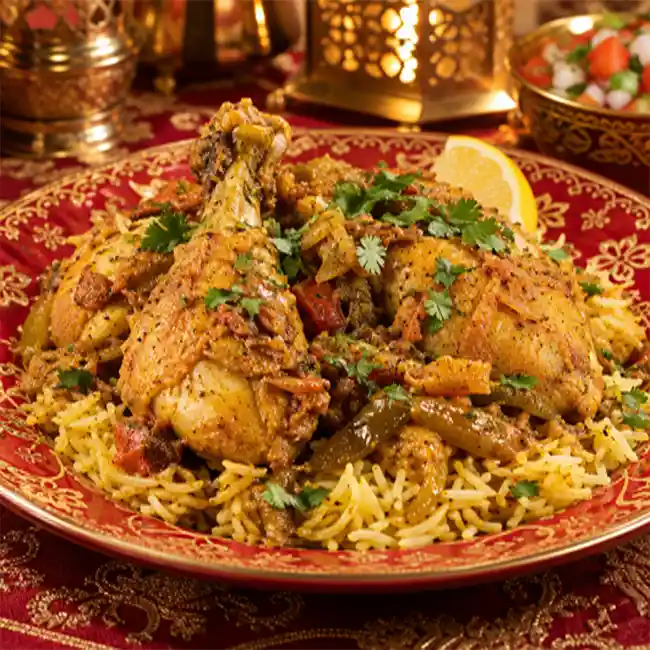
🍚 Authentic Djibouti Chicken Skoudehkaris Recipe
🍅 Culinary Background & Flavor Profile
Skoudehkaris is one of the best-known rice dishes associated with Djibouti. Its appeal comes from a simple but clever cooking technique: meat, vegetables, spices, and rice are brought together so that the grains absorb the flavor of the seasoned cooking liquid.
The result is much more interesting than ordinary boiled rice. Each spoonful carries the sweetness of softened onions, the gentle acidity of tomatoes, and the warm fragrance of spices.
Cumin gives the dish an earthy character, while cardamom adds a delicate aromatic note. A little cinnamon provides warmth without making the rice taste like dessert. Garlic and ginger bring everything together, creating a savory flavor that feels comforting rather than overpowering.
Our chicken version uses boneless thighs because they stay juicy during cooking. They also make serving easier when children are at the table.
For younger family members, we keep the chili out of the main pot. Adults can add fresh chili or a spicy sauce separately, allowing everyone to enjoy the same meal at their preferred heat level.
What makes this recipe special?
◦ One-pot preparation means fewer dishes to wash.
◦ Chicken provides tender, easy-to-serve pieces.
◦ Rice absorbs the aromatic tomato and spice mixture.
◦ Mild seasoning makes it suitable for a family meal.
◦ Simple ingredients help keep preparation manageable.
◦ Leftovers can be packed for another meal.
🥕 Essential Ingredients & Precise Measurements
This recipe makes approximately four family-sized servings.
A. Chicken and Main Ingredients
• 600 g boneless, skinless chicken thighs, cut into bite-sized pieces
• 2 cups long-grain basmati rice, approximately 380 g
• 1 large yellow onion, finely chopped
• 3 medium ripe tomatoes, finely diced
• 3 cloves garlic, minced
• 1 tablespoon freshly grated ginger
• 2 tablespoons vegetable oil
• 2 tablespoons tomato paste
• 3 cups low-sodium chicken stock, approximately 720 ml
• 1 medium carrot, diced into small pieces (optional)
• 1/2 teaspoon salt, or adjust to taste
B. Aromatic Spice Blend
• 1 teaspoon ground cumin
• 1/2 teaspoon ground coriander
• 1/2 teaspoon ground turmeric
• 1/4 teaspoon ground cinnamon
• 1/4 teaspoon ground cardamom
• 1/4 teaspoon mild paprika
• 1/4 teaspoon ground black pepper
These measurements create a gentle, fragrant seasoning rather than a hot or intensely spicy dish. If cooking for very young children, reduce the black pepper or leave it out.
C. Fresh Garnishes
• 2 tablespoons freshly chopped cilantro
• 1 small lime, cut into wedges
• 2 tablespoons finely chopped cucumber (optional)
• A few thin tomato slices for serving
D. Optional Side Salad
• 1 medium cucumber, diced
• 1 medium tomato, diced
• 1 tablespoon fresh lime juice
• 1 teaspoon olive oil
• A small pinch of salt
Ingredient Notes
Basmati rice works particularly well because its long grains remain separate when cooked correctly. If you cannot find basmati, another long-grain rice can work, although the amount of liquid and cooking time may need adjustment.
Chicken thighs are recommended because they are generally more forgiving than chicken breast. However, chicken breast can also be used if you prefer a leaner option. Just avoid cooking it for too long, as it can become dry.
Fresh tomatoes provide a pleasant natural flavor, but canned diced tomatoes can be substituted. Use approximately 200 g and reduce excess liquid if necessary.
👩🍳 Step-by-Step Cooking Instructions
✦ Step 1: Prepare the Rice
Place the basmati rice in a large bowl and rinse it under cold water. Gently move the grains around with your fingers until the water becomes noticeably clearer.
Drain thoroughly and soak the rice for approximately 15 minutes. This helps the grains cook more evenly.
After soaking, drain again and set aside.
✦ Step 2: Prepare the Chicken
Cut the boneless chicken thighs into evenly sized pieces, approximately 2–3 cm each.
Pat the chicken dry with paper towels. This small step helps the meat brown instead of releasing too much moisture into the pan.
Season lightly with a little salt, black pepper, and a pinch of cumin.
✦ Step 3: Build the Aromatic Base
Heat the vegetable oil in a large, heavy-bottomed pot over medium heat.
Add the chopped onion and cook for approximately 4–5 minutes until soft and lightly golden.
Stir in the minced garlic and grated ginger. Cook for another 30–45 seconds, just until fragrant.
Avoid allowing the garlic to turn dark brown because burnt garlic can make the entire dish taste bitter.
✦ Step 4: Brown the Chicken
Add the chicken pieces to the pot in a single layer as much as possible.
Cook for approximately 4–5 minutes, turning occasionally until the outside is lightly browned.
The chicken does not need to be fully cooked at this stage because it will continue cooking with the rice.
✦ Step 5: Add the Tomatoes and Spices
Add the diced tomatoes and tomato paste. Stir everything together until the tomato mixture begins to soften.
Sprinkle in the cumin, coriander, turmeric, cinnamon, cardamom, paprika, and remaining black pepper.
Cook for approximately 2–3 minutes, stirring gently.
The tomatoes should begin forming a thick, fragrant sauce that coats the chicken.
✦ Step 6: Add the Carrots and Stock
If using carrots, add them now.
Pour in the chicken stock and stir gently to combine all the ingredients. Bring the mixture to a gentle boil.
Taste the cooking liquid before adding the rice. It should taste pleasantly savory and slightly more seasoned than the finished rice because the grains will absorb some of that flavor.
Adjust the salt if necessary.
✦ Step 7: Add the Rice
Drain the soaked rice thoroughly and add it to the pot.
Stir gently once to distribute the grains evenly throughout the liquid. Avoid excessive stirring because it can break the rice and release extra starch.
Make sure the rice is mostly submerged in the cooking liquid.
✦ Step 8: Simmer Until Tender
Reduce the heat to low and cover the pot with a tight-fitting lid.
Cook for approximately 15–18 minutes, depending on the rice brand and your cooking equipment.
Keep the lid closed as much as possible. Opening it repeatedly releases steam and can interfere with even cooking.
If the rice is still firm after the liquid has been absorbed, add a small splash of hot stock or water, cover again, and continue cooking until tender.
✦ Step 9: Rest the Rice
Turn off the heat and leave the covered pot undisturbed for approximately 8–10 minutes.
This resting period allows the moisture to distribute evenly and helps the rice finish steaming.
✦ Step 10: Fluff and Serve
Remove the lid and gently fluff the rice with a fork.
Check that the chicken has reached an internal temperature of 74°C (165°F) at its thickest point.
Sprinkle with freshly chopped cilantro and serve with lime wedges.
Your homemade Djiboutian-inspired Chicken Skoudehkaris is ready!
👨🍳 Chef's Pro Tips & Common Mistakes to Avoid
A delicious one-pot rice dish depends on a few important details. Here are some practical kitchen tips to help you get the best results.
1. Rinse the Rice Properly
Excess surface starch can make rice sticky and heavy. Rinsing basmati rice before cooking helps produce lighter, more separate grains.
2. Do Not Rush the Onion
Allow the onion to soften gradually. Lightly golden onions contribute natural sweetness and create a deeper flavor foundation.
3. Use Medium Heat for the Spice Mixture
Ground spices can burn quickly. Stir them into the tomato mixture over medium or medium-low heat rather than leaving them in a very hot, dry pan.
4. Measure the Cooking Liquid Carefully
Too much stock can produce mushy rice, while too little can leave the grains undercooked.
The suggested three cups of stock are a starting point for the specified rice and preparation method. Different rice varieties and pots may require small adjustments.
5. Avoid Constant Stirring
Once the rice has been added, stir only enough to distribute it. Repeated stirring can damage the grains and make the finished dish sticky.
6. Keep the Main Pot Mild
When preparing a family meal, leave fresh chili and hot sauces out of the main pot. Adults can add extra heat individually.
7. Choose the Right Chicken Cut
Boneless thighs are ideal for this recipe because they remain moist and flavorful. If using chicken breast, cut it evenly and check doneness carefully to prevent overcooking.
8. Never Skip the Resting Period
Allowing the rice to rest after cooking makes a noticeable difference. It gives the grains time to finish steaming and improves the final texture.
9. Do Not Guess When Checking Chicken Doneness
A food thermometer is the most reliable way to confirm that chicken has reached a safe internal temperature of 74°C (165°F). Check the thickest pieces rather than relying only on their appearance.
🥗 Pairings & Serving Suggestions
One of the nicest things about Chicken Skoudehkaris is that it is already a complete meal. You have rice, chicken, tomatoes, and optional vegetables in one satisfying dish.
However, a few simple accompaniments can make the dinner table even more inviting.
⭐ Fresh Cucumber and Tomato Salad
A crisp salad adds freshness and balances the warm, savory rice. Toss diced cucumber and tomato with lime juice and a little olive oil just before serving.
⭐ Steamed Vegetables
Steamed green beans, broccoli, peas, or carrots are excellent additions for children who enjoy vegetables. Keep the seasoning light so the natural flavors remain noticeable.
⭐ Plain Yogurt
A small bowl of plain, unsweetened yogurt offers a cool, creamy contrast to the warm spices. It is especially useful when serving the meal to family members who prefer milder flavors.
⭐ Djiboutian-Inspired Flatbread
Serve small pieces of lahoh or sabayad alongside the rice if you want to introduce another familiar part of Djiboutian food culture. These traditional flatbreads offer a different texture and make the meal feel more special.
⭐ A Colorful Family Platter
For an attractive presentation, spoon the rice onto a large serving plate, arrange the chicken pieces across the top, and finish with cilantro and lime wedges.
Keep optional spicy condiments on a separate plate so children can enjoy the meal without unexpected heat.
👨👩👧 ❓ Frequently Asked Questions (FAQ)
Q1. Is Djiboutian Chicken Skoudehkaris suitable for children?
Yes, this mild home-style version can be suitable for children who are ready to eat these ingredients and textures. Keep the chili out, adjust the black pepper, cut the chicken into age-appropriate pieces, and follow any individual dietary requirements or allergy precautions.
Q2. Can I use chicken breast instead of chicken thighs?
Absolutely! Chicken breast works well as a substitute. Cut it into evenly sized pieces and avoid prolonged cooking because breast meat can become dry more easily than thighs. Always check that the chicken reaches 74°C (165°F) internally.
Q3. How long can I store leftover Skoudehkaris?
Refrigerate leftovers promptly in shallow, airtight containers within two hours of cooking. Keep the refrigerator at 4°C (40°F) or below and use the leftovers within 3–4 days. Reheat thoroughly to 74°C (165°F). For best quality, add a small splash of water before reheating to help restore moisture.
Q4. Can I prepare this Djiboutian rice dish without chicken stock?
Yes. Water can replace chicken stock, although the finished dish may have a lighter flavor. You can compensate with a little extra onion, garlic, and tomato, while adjusting the salt carefully.
⏱️ Recipe Quick Summary
Recipe Name: Djiboutian Chicken Skoudehkaris
• Cuisine: Djiboutian / East African
• Course: Main Course
• Preparation Time: 20 minutes
• Cooking Time: 30 minutes
• Resting Time: 10 minutes
• Total Time: Approximately 60 minutes
• Servings: 4 people
• Difficulty: Easy to Moderate
• Cooking Method: One-Pot Cooking
• Main Ingredients: Chicken, basmati rice, tomatoes, onions, garlic, and aromatic spices
• Flavor Profile: Savory, fragrant, gently spiced, and comforting
• Best For: Family dinners, weeknight meals, and international food nights
❤️ Final Thoughts & Kitchen Inspiration
Exploring traditional food from another country does not have to mean spending hours in the kitchen or searching for unusual ingredients.
This Djiboutian-inspired Chicken Skoudehkaris shows how a handful of everyday ingredients can create a memorable family dinner. The combination of tender chicken, tomato-infused rice, and warm spices delivers plenty of flavor without relying on heavy seasoning or complicated techniques.
What makes this dish especially appealing is its flexibility. You can use chicken thighs or breast, add extra vegetables, adjust the spices, and serve it with a fresh salad or traditional flatbread.
It is also a lovely way to introduce children to international cuisine. Rather than serving the same familiar meals every week, you can use recipes like this to introduce new aromas, textures, and food traditions in a comfortable and approachable way.
So, give this recipe a try the next time you need an easy family dinner. Make it your own, share it around the table, and let everyone enjoy a little taste of Djibouti at home.
If you prepare this recipe, we would love to hear how it turned out. Share your cooking experience, favorite ingredient substitutions, or family-friendly serving ideas in the comments!
🏛️ Culinary Heritage & Cultural Credit to Djibouti
Djiboutian cuisine deserves recognition for its rich cultural connections and distinctive culinary traditions.
Located in the Horn of Africa, Djibouti sits near the Red Sea and the Gulf of Aden, an important crossroads for centuries of trade, travel, and cultural exchange. Its food reflects the contributions of Somali and Afar communities, alongside influences from Yemen, the wider Arabian Peninsula, France, and South Asia.
Rice, meat, seafood, flatbreads, and fragrant spices all have important places in the country's food culture. Ingredients such as cumin, cardamom, cinnamon, coriander, and fresh chili help create the recognizable aromatic character found in many regional dishes.
Skoudehkaris is particularly meaningful because it brings several everyday ingredients together through a shared cooking method. Rice cooks with meat, tomatoes, onions, and spices, allowing the flavors to develop in one pot.
Although lamb and beef are common choices in traditional preparations, chicken variations are also part of the dish's broader cooking tradition. Recipes naturally differ between households, cooks, and occasions, so there is no single measurement list that represents every Djiboutian family.
This article presents a practical chicken-based home adaptation inspired by that culinary heritage. It aims to preserve the defining character of Skoudehkaris while making the ingredients, cooking time, and seasoning more accessible to modern family kitchens.
It is important to recognize that Djiboutian food culture belongs to the communities who have maintained and shared these traditions across generations. Their knowledge, ingredients, and cooking practices are the foundation of the dish's identity.
By preparing Skoudehkaris with respect for its origins, we can appreciate more than just a delicious plate of rice. We can also celebrate the cultural connections and hospitality that make Djiboutian cuisine worth discovering.
A special thank you to the cooks and families of Djibouti whose culinary traditions continue to inspire food lovers around the world.
| 🇩🇯 🍝 < Back |