
🏠 Home > 🗺️ Recipes > 🥪 Appetizers > 🇩🇯 Djibouti Appetizers Recipes
🇩🇯 🥪 Authentic Djibouti Appetizers: Horn of Africa & Red Sea Spice Trail
Published by Supakorn | Updated: November 2026
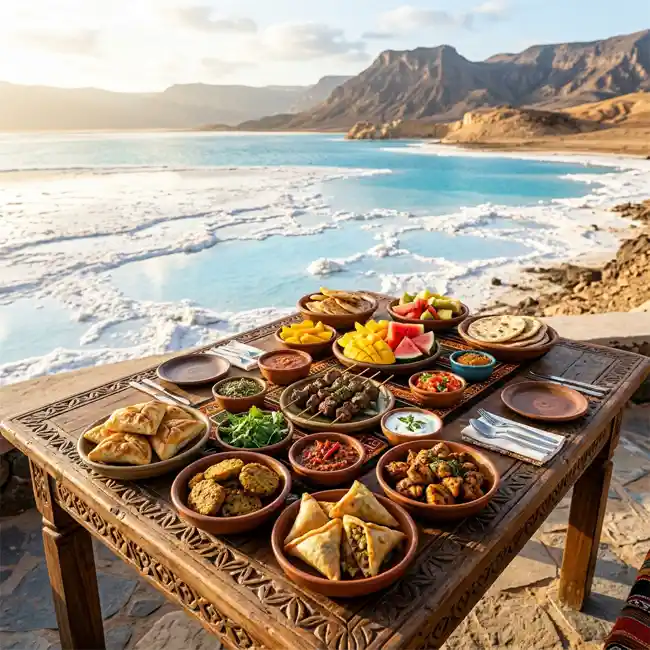
🌊🌍 Introduction: The Cultural Heritage of Djibouti Appetizers
Welcome to Djibouti, my friend. If you have never thought about food from this tiny but mighty country on the Horn of Africa, you are in for a real treat.
Djibouti sits right where the Red Sea meets the Gulf of Aden, and that location changes everything about how people eat here. This is a crossroads country. Somali, Afar, Yemeni, Ethiopian, French, and Indian influences all meet on one small plate, and the appetizers tell that story better than any history book.
In Djibouti, an appetizer is not just a small bite before the main course. It is an invitation. It is how you say welcome, sit down, stay a while, let's talk. Whether you are in Djibouti City, in a small Afar village, or at a busy port-side cafe, food always starts with sharing.
And the best part? Djiboutian starters are bold, warm, crispy, soft, spicy, and comforting all at the same time. They are made to be eaten with your hands, dipped, torn, shared, and enjoyed slowly while the tea is still hot.
So grab a seat. Let's explore the world of Djibouti appetizers together, one delicious bite at a time.
🍽️ The Art of Djibouti Dining Culture & Social Eating
◦ In Djibouti, eating is a social event, not a solo mission. Friends, family, and even strangers are invited to join the mat or table.
◦ Many meals start with a communal platter. Everyone eats from the same dish, which creates a feeling of closeness and trust.
◦ Appetizers are often served while waiting for the main dish, or as a light evening meal on their own. No rush, no strict rules.
◦ Tea culture is huge here. Spiced tea, often with cinnamon, cardamom, and ginger, is served alongside many snacks. It is not just a drink, it is part of the conversation.
◦ Hospitality is sacred. If you visit someone's home in Djibouti, you will be offered something to eat and drink before you even sit down properly. Refusing is almost impossible, and honestly, you won't want to.
◦ Street food is a daily ritual. In the late afternoon, the streets of Djibouti City come alive with vendors frying, grilling, and steaming small bites for workers, students, and families heading home.
◦ Eating with your right hand is traditional, especially for bread-based dishes like lahoh and muufo. It feels natural once you try it, and it connects you to the food in a different way.
◦ Lunch is the biggest meal of the day, but appetizers shine brightest in the late afternoon and evening, when the heat softens and everyone gathers outside.
◦ The Afar and Somali traditions both value generosity. A good host is measured not by how fancy the food is, but by how much is shared.
◦ In many homes, women are the keepers of appetizer recipes, passing down the perfect sambusa fold or the exact spice mix for fah-fah broth from mother to daughter.
📍 Where Culture Meets Flavor: Iconic Food Tourism Spots
◦ Djibouti City Central Market - Marché Central: This is the beating heart of Djiboutian street food. You will smell fried sambusas, fresh bread, and spiced tea from blocks away. This is where locals shop, snack, and catch up on gossip.
◦ Quartier 1 and Quartier 2: These old neighborhoods are packed with small tea houses and snack stalls. Perfect for trying lahoh with honey, beans, or stewed meat.
◦ Port Area and European Quarter: A mix of French colonial history and modern port life. Here you will find cafes serving Djiboutian-French fusion snacks, like crispy pastries with local fillings.
◦ Tadjourah: One of the oldest towns in Djibouti, famous for its white buildings and calm seaside vibe. The appetizers here lean more Afar-style, with grilled meats and flatbreads served by the sea.
◦ Ali Sabieh: A mountain town close to the Ethiopian border. The food here has a strong Ethiopian influence, with spicier stews and injera-style breads served as starters.
◦ Dikhil: A gateway to Lake Abbe, known for its pastoral culture. If you stop here, try the simple but unforgettable starters made with fresh milk, dates, and grilled corn.
◦ Lake Assal Area: The lowest point in Africa and one of the saltiest lakes in the world. Travelers often stop for light snacks and tea on the way, making it a perfect food tourism detour.
◦ Day Forest National Park: Not just for hiking. Local guides often share traditional snacks and tea during treks, giving you a taste of rural Djiboutian hospitality.
◦ Arta and the Arta Mountains: Cooler climate, beautiful views, and small family-run eateries serving homemade appetizers you won't find in the city.
◦ Street Food Corners near Place Menelik: At sunset, this area turns into an open-air snack festival. Vendors set up small grills and fryers, and the whole city seems to come out to eat.
🏆 Top Iconic Djibouti Appetizers Specialties
This is where the fun really starts. Djibouti appetizers are not fancy or complicated. They are real, hearty, and full of personality.
✦ Sambusa: The undisputed star of Djibouti appetizers. Think crispy, golden triangle pastries filled with spiced minced meat, lentils, or vegetables. They are fried until crunchy, served hot, and absolutely addictive. You will find them everywhere, from weddings to street corners.
✦ Lahoh: A soft, spongy, pancake-like flatbread with a beautiful bubbly texture on one side. It is often served as a starter with honey, ghee, or a light stew for dipping. It is comfort food in its purest form.
✦ Muufo: A traditional Somali-Djiboutian cornmeal flatbread, baked until golden and slightly chewy. Often torn and dipped into soups or stews, it is a staple starter in many homes.
✦ Fah-Fah Soup Shots: A lighter version of the famous Djiboutian fah-fah soup, served in small bowls as an appetizer. Made with tender meat, vegetables, and a rich, spiced broth, it warms you up from the inside.
✦ Bajiyo: Crispy fritters made from beans, herbs, and spices, deep-fried until golden. They are crunchy on the outside, soft on the inside, and perfect with a spicy dipping sauce.
✦ Suqaar Bites: Small cubes of sautéed meat, usually beef or goat, cooked with onions, peppers, and Djiboutian spices. Served on toothpicks or in small bowls as a savory starter.
✦ Canjeero / Anjero Mini Rolls: Small, soft rolls made from a fermented batter, similar to lahoh but thinner and rolled. Often filled with a little meat or served with sweet tea.
✦ Shakshouka-Style Egg Bites: A Djiboutian twist on the classic, with eggs cooked in a spiced tomato and pepper sauce, served in small portions with bread for dipping.
✦ Kaluun Fried Fish Bites: Djibouti has amazing seafood thanks to the Red Sea. Small pieces of fresh fish, lightly seasoned and fried, served with lemon and chili. A coastal favorite.
✦ Dates and Cheese Platter: Simple but iconic. Sweet Medjool-style dates paired with soft local cheese or yogurt. It is often served to welcome guests, especially during Ramadan and special celebrations.
✦ Banana and Avocado Starter: A surprisingly popular light appetizer in Djibouti City. Sliced banana and avocado with a sprinkle of sugar, lemon, and sometimes a touch of honey. Sweet, creamy, and refreshing in the heat.
✦ Xalwo Bites: While xalwo is usually a dessert, small bite-sized pieces are often served as a sweet starter alongside tea, especially at weddings and celebrations. It is dense, sweet, and scented with cardamom.
✦ Skewered Grilled Corn: Street vendors grill fresh corn, brush it with spiced butter, and serve it as a warm, smoky snack. Simple, cheap, and unforgettable.
✦ Vegetable Samosa with Berbere: A vegetarian version of sambusa, filled with potatoes, peas, carrots, and berbere spice. It is a favorite for those who want heat without meat.
✦ Yemeni-Style Malawah Pieces: Flaky, layered flatbread, torn into pieces and served with honey or savory dips. A legacy of Yemeni traders who settled in Djibouti centuries ago.
🌶️ Flavor Profile: What Makes Djibouti Appetizers Unique?
• Djiboutian appetizers are all about balance. You get heat, but not burn-your-mouth heat. You get richness, but it never feels heavy.
• The signature flavor comes from a blend of spices called xawaash, which usually includes cumin, coriander, turmeric, black pepper, and cardamom. Every family has its own version.
• Berbere, the famous Ethiopian chili blend, also shows up in many Djiboutian starters, giving them a warm, smoky kick.
• Fresh herbs like cilantro, parsley, and mint are used generously, adding brightness to fried and grilled dishes.
• Lemon and lime are everywhere. A squeeze of citrus cuts through the richness of fried sambusas and grilled meats perfectly.
• Ghee, or clarified butter, adds a nutty, rich flavor to breads like lahoh and malawah. It is the secret to that melt-in-your-mouth texture.
• Many starters use a base of onions, garlic, and tomatoes, slow-cooked until sweet and deep. This is the foundation of Djiboutian cooking.
• Sweet and savory often meet on the same plate. Honey with lahoh, dates with cheese, banana with a pinch of salt, these combinations feel surprising at first, then completely natural.
• Seafood starters taste fresh and clean, not fishy. The Red Sea provides incredibly fresh fish, so the seasoning stays simple to let the natural flavor shine.
• Texture is just as important as taste. Crispy sambusa next to soft lahoh, crunchy bajiyo next to creamy avocado, this contrast is what makes Djiboutian appetizers so addictive.
🧂 👩🍳 Essential Ingredients & Traditional Cooking Techniques
If you want to understand Djiboutian appetizers, you have to understand the ingredients and the hands that make them. The food here is not about fancy equipment. It is about patience, spice, and love.
✨ Signature Spices & Local Ingredients
• Xawaash Spice Blend: The heart of Djiboutian cooking. A warm mix of cumin, coriander, turmeric, cardamom, black pepper, and sometimes cinnamon and cloves.
• Berbere: A fiery red chili blend with fenugreek, ginger, and other spices. Used in small amounts to add depth and heat.
• Cardamom: Used in both savory dishes and tea. It gives Djiboutian food its distinctive aromatic sweetness.
• Cumin and Coriander: The everyday heroes. Found in almost every savory starter, from suqaar to sambusa filling.
• Fresh Cilantro and Parsley: Chopped and sprinkled generously over soups, stews, and fried snacks.
• Onions, Garlic, and Ginger: The holy trinity of Djiboutian cooking. They form the base for almost every appetizer filling and sauce.
• Tomatoes and Bell Peppers: Cooked down into rich sauces for dipping and for egg-based starters.
• Lentils and Chickpeas: Affordable, filling, and perfect for vegetarian sambusas and bajiyo fritters.
• Cornmeal and Wheat Flour: The foundation for muufo, lahoh, canjeero, and sambusa wrappers. Flour is life here.
• Dates, Honey, and Ghee: The sweet trio. Used for welcoming guests, for breakfast starters, and for festive bites.
• Fresh Fish and Seafood: Red snapper, tuna, and other Red Sea catches, used for fried fish bites and grilled skewers.
• Goat and Beef: The most common meats for savory starters, cooked slowly with spices until tender.
• Bananas, Avocados, and Mangoes: Tropical fruits that appear in light starters, salads, and sweet bites.
• Spiced Tea Leaves: Black tea brewed with cinnamon, cardamom, and ginger, served alongside almost every appetizer.
🕰️ Time-Honored Cooking Methods
• Deep-Frying in Small Batches: Sambusas and bajiyo are fried in small batches to keep them crispy. The oil must be hot, but not smoking, to get that perfect golden color.
• Griddle Cooking: Lahoh and canjeero are cooked on a hot flat griddle, called a daawa. The batter is poured in a spiral, creating those signature bubbles.
• Slow Simmering: Fah-fah and other soup-based starters are simmered for hours, allowing the meat to become tender and the broth to develop deep flavor.
• Charcoal Grilling: Corn, fish, and meat skewers are grilled over charcoal, giving them a smoky flavor you cannot get from a gas stove.
• Hand-Folding: Sambusas are folded by hand into perfect triangles. It takes practice, and every Djiboutian grandmother has her own technique that she guards proudly.
• Fermentation: The batter for lahoh and canjeero is left to ferment overnight, which gives it a slight tang and a light, airy texture.
• Steaming: Some vegetable and lentil fillings are steamed before being wrapped, keeping them moist and flavorful.
• Communal Cooking: In many homes, appetizers are prepared together. One person folds, one fries, one makes tea. Cooking is a team sport.
• Clay Pot Cooking: Traditional soups and stews are often cooked in clay pots, which retain heat and add a subtle earthy flavor.
• Serving on a Shared Platter: Presentation is simple but beautiful. Food is served on large round trays, lined with bread, and everyone eats together.
🦈 Frequently Asked Questions (FAQ)
Q1: What is the most famous appetizer in Djibouti?
Sambusa is by far the most famous Djibouti appetizer. It is a crispy, triangular pastry filled with spiced meat, lentils, or vegetables, and served hot at weddings, street stalls, and family gatherings. If you try only one Djiboutian starter, make it sambusa.
Q2: Is Djibouti food spicy?
Djiboutian food is flavorful and warm, but not overwhelmingly spicy for most people. Dishes use xawaash and berbere for depth, not just heat. You can always ask for extra chili on the side if you love spice, or enjoy it mild with lemon and fresh herbs.
Q3: Are there vegetarian appetizers in Djibouti?
Yes, absolutely. Many Djiboutian appetizers are naturally vegetarian, including vegetable sambusas, bajiyo bean fritters, lahoh with honey, grilled corn, banana and avocado starters, and lentil-based snacks. Djiboutian cuisine is very welcoming to plant-based eaters.
Q4: What do people drink with appetizers in Djibouti?
Spiced tea is the classic pairing. It is sweet, aromatic, and served in small glasses throughout the day. Fresh fruit juices, especially mango and guava juice, are also popular. Sparkling water with lemon is another refreshing option that pairs beautifully with fried starters.
🙏 Culinary Heritage & Credit to Djibouti Traditions
Djiboutian appetizers are more than food. They are a living heritage, carried by Afar pastoralists, Somali traders, Yemeni merchants, and French influences, all woven together over centuries.
Every sambusa folded, every lahoh flipped, every pot of fah-fah simmered is a tribute to the mothers, grandmothers, street vendors, and home cooks who kept these recipes alive without cookbooks, without measuring cups, just with memory, instinct, and love.
When you taste a Djibouti appetizer, you are tasting resilience. You are tasting a country that has survived harsh deserts, busy ports, and changing empires, yet never lost its generosity.
So if you ever visit Djibouti, don't just eat the appetizers. Sit down. Share the platter. Drink the tea. Listen to the stories. That is the real flavor of Djibouti, and it is something you will never forget.
And if you are cooking at home, remember this: Djiboutian food is not about perfection. It is about sharing. Make a batch of sambusas, brew some spiced tea, invite your friends over, and you will already be eating like a Djiboutian.
Welcome to the table.
🥪 Tiny Hands, Big Djibouti Flavors: Little Bites Everyone Will Love
👉 Perfect Authentic Djiboutian Appetizers
| 🌐 🥪 < Back | Next > 🍝 🇩🇯 |