
🏠 Home > 🗺️ Recipes > 🍷 Drinks > 🇨🇺 Cuba Drinks
🇨🇺 🍷 Cuba Drinks Recipes
Published by Supakorn | Updated: May 2026
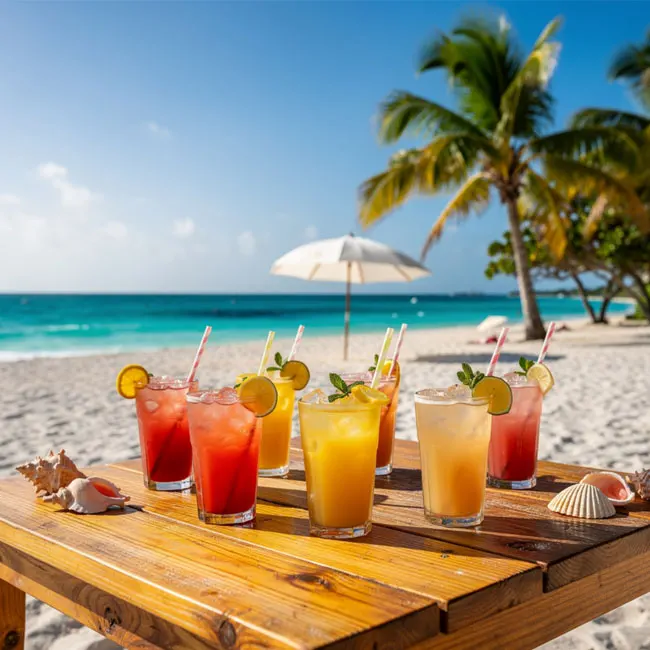
🇨🇺 🍺 A Taste of Cuba in Every Sip
Cuba isn’t just about music, vintage cars, and colorful streets—it’s also a place where drinks tell stories. From early morning routines to afternoon heat escapes, beverages in Cuba are deeply woven into everyday life. And here’s the fun part: you don’t need alcohol to experience the real Cuban vibe.
Think fresh sugarcane juice pressed right in front of you, strong coffee shared among friends, and fruit drinks bursting with tropical sweetness. Cuban drinks reflect the island’s climate, culture, and resourcefulness. They’re simple, often made with local ingredients, but full of personality.
If you’re curious about what people actually drink day-to-day in Cuba (beyond the typical tourist image), you’re in the right place. Let’s explore the refreshing world of Cuban non-alcoholic drinks—casual, flavorful, and deeply cultural.
☀️ Daily Life & Drink Culture in Cuba
🏡 Simple Living, Rich Flavor
In Cuba, drinks aren’t just about quenching thirst—they’re about connection. Whether it’s neighbors chatting over tiny cups of coffee or families gathering around homemade fruit juices, beverages are part of social life.
Due to the tropical climate, hydration is essential. That’s why many Cuban drinks are light, refreshing, and naturally sweet. Ingredients are often seasonal and local—whatever is available becomes part of the menu.
You’ll notice that many drinks are served fresh and made on the spot. Street vendors, small cafes, and home kitchens all play a role in shaping the Cuban drink experience.
🍍 Iconic Cuban Non-Alcoholic Drinks
🥤 Guarapo – Fresh Sugarcane Juice
One of the most authentic Cuban drinks you can try is guarapo. It’s made by pressing fresh sugarcane, producing a naturally sweet, slightly grassy juice that’s incredibly refreshing.
You’ll often find street vendors with manual presses, squeezing sugarcane stalks right in front of you. It’s a quick energy boost, especially under the hot Caribbean sun.
Guarapo is more than just a drink—it’s a symbol of Cuba’s agricultural roots and its long history with sugar production.
🍊 Jugo Natural – Fresh Fruit Juices
Cuba is rich in tropical fruits, and that means one thing: amazing fresh juices. Known as jugos naturales, these drinks are made from fruits like mango, guava, pineapple, papaya, and orange.
They’re often blended with water (sometimes milk) to create a light, refreshing drink. Each region may highlight different fruits depending on what’s in season.
Drinking a fresh juice in Cuba feels like tasting the island itself—bright, sweet, and full of life.
🥛 Batidos – Cuban Fruit Smoothies
Batidos are Cuba’s version of fruit smoothies, and they’re a favorite among locals. Made by blending fruit with milk and sometimes sugar, they’re creamy, satisfying, and perfect for breakfast or a midday snack.
Popular flavors include:
• Mango batido
• Guava batido
• Banana batido
Batidos reflect a blend of Spanish and Caribbean influences, combining dairy with tropical produce.
☕ Cuban Coffee Culture (Café Cubano Style)
Coffee in Cuba isn’t just a drink—it’s a ritual. Strong, rich, and often sweetened, Cuban coffee is typically served in small portions but packs a powerful flavor.
It’s common to see people sharing coffee throughout the day. It’s not unusual for neighbors to offer a tiny cup as a gesture of hospitality.
Even though it’s small, Cuban coffee plays a big role in social interaction and daily rhythm.
🍚 Agua de Arroz – Rice Water Drink
This might surprise you, but rice isn’t just for meals in Cuba—it’s also used to make drinks. Agua de arroz is a light, slightly creamy beverage made from rice.
It’s often consumed as a comforting, homemade drink and can be enjoyed warm or cold. Some variations include a hint of cinnamon or sugar.
This drink highlights Cuban creativity—turning simple pantry staples into something enjoyable and nourishing.
🌺 Refrescos – Homemade Soft Drinks
Refrescos are homemade soft drinks, often made using fruit syrups, sugar, and water. They’re a common sight in Cuban homes and small eateries.
Unlike commercial sodas, refrescos feel more personal and less processed. They vary widely depending on who makes them and what ingredients are available.
🌊 Drinks and Cuban Geography
🏝️ Coastal Influence
Living on an island means access to fresh ingredients and a strong connection to nature. Many drinks are inspired by what grows nearby—coconut, citrus fruits, and sugarcane.
Near the coast, you might find more coconut-based drinks or citrus refreshers, perfect for cooling down after time in the sun.
🌄 Countryside Traditions
In rural areas, drinks tend to be even more traditional and homemade. Guarapo is especially common in the countryside, where sugarcane fields are part of daily life.
You’ll also find more rustic versions of juices and rice-based drinks, often made without modern equipment.
🧃 Street Drinks & Local Experiences
🚶 Walking Through Cuban Streets
One of the best ways to experience Cuban drinks is simply by walking around. Street vendors, small kiosks, and local markets offer quick, affordable options.
You might see:
• Sugarcane juice being pressed
• Fresh fruit being blended
• Simple drinks served in reusable cups
It’s casual, authentic, and gives you a real taste of everyday life.
🛍️ Markets & Fresh Ingredients
Local markets are full of colorful fruits and natural ingredients. These markets are the backbone of Cuban drink culture.
What’s available changes with the season, so no two visits feel exactly the same. That’s part of the charm—everything feels fresh and local.
🧭 Cuban Drinks & Travel Experience
✈️ What Tourists Love
Visitors often fall in love with Cuban drinks because they’re:
• Fresh and natural
• Affordable
• Deeply tied to local culture
Trying these drinks isn’t just about taste—it’s about experiencing Cuba in a more authentic way.
📸 Aesthetic & Atmosphere
Cuban drinks are often served in simple but charming ways—glass cups, colorful settings, and vibrant surroundings.
Pair that with colonial architecture, live music, and tropical weather, and you’ve got a full sensory experience.
🌿 Cultural Meaning Behind Cuban Drinks
🤝 Sharing & Community
Drinks in Cuba often bring people together. Whether it’s sharing coffee or offering a guest a fresh juice, beverages are part of hospitality.
💡 Resourcefulness
Cuban drink culture shows how creativity thrives even with limited resources. Simple ingredients are transformed into something enjoyable and meaningful.
🕰️ Tradition Meets Modern Life
While some drinks have been around for generations, others continue to evolve. New flavors and combinations appear, but the essence remains the same—fresh, simple, and connected to daily life.
🌞 Why Cuban Non-Alcoholic Drinks Stand Out
• Naturally refreshing in a tropical climate
• Made with local, seasonal ingredients
• Deeply connected to culture and community
• Simple yet flavorful
You don’t need anything fancy to enjoy Cuban drinks—just good ingredients and a relaxed mindset.
🙋 FAQ
❓ Q1.What is the most popular non-alcoholic drink in Cuba?
Guarapo (fresh sugarcane juice) and Cuban coffee are among the most popular everyday drinks you’ll find across the island.
❓ Q2.Are Cuban drinks mostly homemade or store-bought?
Many traditional Cuban drinks are homemade or freshly prepared, especially juices and smoothies, using locally available ingredients.
🍷 Refresh Your Celebration with These Classic Cuban Holiday Drinks
👉 3 Authentic Cuban Holiday Refreshments!
| 🌐 🍷 < Back | 🇨🇺 🍨 < Previous | Next > 🍲 🇨🇺 |