
🏠 Home > 🗺️ Recipes > 🍲 Soups > 🇨🇺 Cuba Soups
🇨🇺 🍲 Cuba Soups Recipes
Published by Supakorn | Updated: May 2026
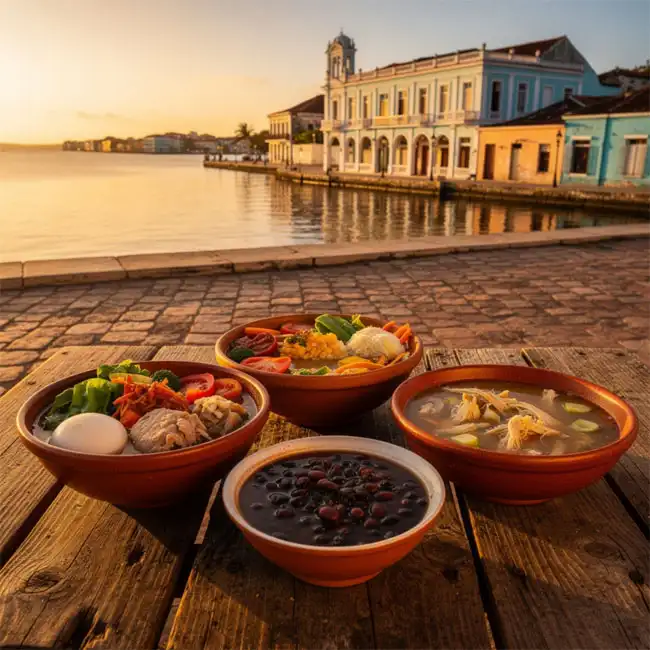
When most people think of Cuba, they picture colorful vintage cars, the rhythm of salsa echoing through cobblestone streets, and maybe a classic sandwich. But if you want to find the true heartbeat of a Cuban home, you have to look at the stove. Specifically, you need to look at the heavy, bubbling pot that has been simmering since the early morning.
In Cuba, soup isn’t just a starter—it’s the foundation of life. Whether it’s a scorching summer day in Santiago or a "chilly" winter night in Havana (okay, chilly for the Caribbean!), a bowl of soup is the ultimate comfort. It represents the "Ajiaco" of the culture itself—a melting pot of Spanish, African, and indigenous influences all blended into one delicious, steaming bowl. Let’s take a journey through the aromatic world of Cuba Soups.
🇨🇺 🥣 The Philosophy of the Cuban Pot: More Than Just Broth
To understand Cuban soups, you have to understand the concept of sustancia (substance). A Cuban soup is never thin or watery. It is thick, hearty, and packed with "viandas"—the local word for starchy root vegetables like yuca, malanga, and sweet potatoes.
🏠 The Heart of the "Hogar" (Home)
In a Cuban household, the pressure cooker is the most important appliance. You’ll hear its steady hiss in every neighborhood. Soup is a communal experience. It’s what you cook when the whole family is coming over for Sunday lunch, and it’s what you bring to a neighbor who isn't feeling well. It’s a symbol of generosity; there is always enough room in the pot to add another cup of water and another potato if an unexpected guest arrives.
🌿 The Holy Trinity of Flavor: Sofrito
Every great Cuban soup starts with a sofrito. This is the magical base made of sautéed garlic, onions, and green bell peppers. It’s the smell that defines Cuban streets at noon. Without a proper sofrito, a soup is just boiled water. With it, it becomes a masterpiece. The addition of cumin and oregano provides that earthy, warm aroma that is unmistakably Cuban.
🍠 Roots and Origins: The Travel Map of Cuban Stews
The soups of Cuba tell the story of the land. Because the island is so lush, the ingredients are often pulled straight from the red earth.
🚜 The Countryside (El Campo)
If you travel to the central provinces like Villa Clara or Camagüey, soups are more rustic. Here, you’ll find soups that rely heavily on whatever is in season. If the corn is sweet and ripe, you’ll find corn-based stews. If the pumpkins (calabaza) are large, the soup turns a beautiful vibrant orange. This is "farm-to-table" in its most honest form.
⚓ The Coastal Influence
While many Cuban soups are meat and root-based, the coastal regions bring a different vibe. In places like Matanzas or Cienfuegos, you might find lighter broths that celebrate the freshness of the sea, though they still maintain that heavy "vianda" base that keeps you full for hours.
🥘 The Hall of Fame: Iconic Cuban Soups You Must Try
You can't say you've experienced Cuba until you've tucked into these legendary dishes. Each one has a personality of its own.
🍲 1. Ajiaco Cubano (The National Dish)
This is the big one. Ajiaco isn’t just a soup; it’s a historical document. It contains a bit of everything: corn, yuca, malanga, plantains, pumpkins, and various meats. Historically, it represents the blending of the different ethnicities that make up the Cuban people. It’s thick, slightly sweet from the corn and pumpkin, and incredibly satisfying.
🖤 2. Potaje de Frijoles Negros (Black Bean Stew)
While often served over rice (making the famous Moros y Cristianos), a proper Cuban black bean potaje is a thick, velvety soup in its own right. The secret is the "acid" finish—usually a splash of vinegar or lime juice added right at the end to brighten the deep, earthy flavors of the beans.
🥣 3. Sopa de Malanga (The Healing Broth)
If you ask a Cuban what they eat when they are sick, the answer is always Sopa de Malanga. Malanga is a root vegetable similar to a taro. When boiled and mashed into a soup, it becomes incredibly creamy and easy on the stomach. It’s the "Chicken Noodle Soup" of the Caribbean, but arguably much more comforting.
🌽 4. Guiso de Maíz (Corn Stew)
This is a thicker, almost porridge-like soup made with fresh corn. It’s a celebration of the harvest. It’s sweet, savory, and usually has chunks of tender pork floating inside. It’s the kind of meal that makes you want to take a long siesta immediately after eating.
🐔 5. Sopa de Pollo (Cuban Chicken Soup)
Don't expect a clear broth here! A Cuban chicken soup is loaded with noodles (usually fideo), big chunks of potato, and plenty of lime. It’s bright, yellow from the use of bijol (a natural coloring), and tastes like a warm hug from an abuela you never knew you had.
🌴 Eating Like a Local: Soup Etiquette and Traditions
How you eat your soup is just as important as what's in it. In Cuba, there are a few "unwritten rules" for the perfect soup experience.
• The Bread Factor: You can't have soup without Pan Cubano. This toasted, buttery bread is used to mop up every single drop of broth from the bottom of the bowl.
• The Avocado Side: It is very common to serve a big bowl of soup with a side of fresh, sliced avocado. Some people even drop the avocado slices directly into the hot soup for a creamy contrast.
• The Noon-Day Meal: In many parts of the world, soup is for dinner. In Cuba, the heavy soups are often served at lunch (almuerzo) to provide energy for the rest of the working day.
📍 Soups as a Tourist Attraction: Where to Go?
If you are planning a trip to Cuba, make sure your "Soup Map" is ready:
1.Old Havana: Look for small, family-run Paladares. Ask for the "Potaje del Día." It’s usually the freshest thing in the kitchen.
2.Viñales: The valley is famous for its organic farming. The soups here are incredibly vibrant because the vegetables were likely harvested that same morning.
3.Santiago de Cuba: Being closer to the rest of the Caribbean, the soups here might have a bit more "kick" and spice compared to the milder versions in the west.
✨ Why Cuban Soup Will Change Your Life
There is something meditative about a bowl of Cuban soup. In a world that moves so fast, these soups require patience. You can’t rush a pot of beans, and you can't rush the softening of a yuca root.
When you sit down with a bowl of Ajiaco, you are tasting centuries of resilience. You are tasting the tropical sun and the rich soil. It’s a meal that reminds us that the best things in life—family, heritage, and a good dinner—are worth waiting for.
⁉️ FAQ
Q1.Is Cuban soup usually spicy?
Actually, no! Unlike some of its Caribbean neighbors, Cuban cuisine is rarely "hot" spicy. It is very flavorful and aromatic thanks to garlic, cumin, and oregano, but it focuses on savory depth rather than heat. If you want spice, you usually have to add your own hot sauce on the side!
Q2. What exactly is "Vianda" in Cuban soups?
"Vianda" is a collective term used in Cuba for starchy tubers and roots. This includes things like yuca (cassava), malanga (taro root), boniato (sweet potato), and even plantains. These are the ingredients that give Cuban soups their thick, hearty texture.
Q3.Can I find vegetarian soups in Cuba?
Traditionally, many Cuban soups use pork or ham bones for flavor (the sustancia). However, with the rise of modern tourism and diverse diets, many Paladares now offer vegetarian versions of black bean soup or malanga soup. Just be sure to ask if it was made with carne (meat) or vegetales!
🍲 Elevate Your Dinner Party with the Soulful Flavors of Cuba
👉 3 Ultimate Cuban Festive Soups!
| 🌐 🍲 < Back | 🇨🇺 🍷 < Previous | Next > 🥗 🇨🇺 |