
🏠 Home > 🗺️ Recipes > 🍱 Snacks > 🇨🇳 China Snacks Recipes
🇨🇳 🍱 Authentic China Snacks: Street Food & Traditional Delicacies
Published by Supakorn | Updated: November 2026
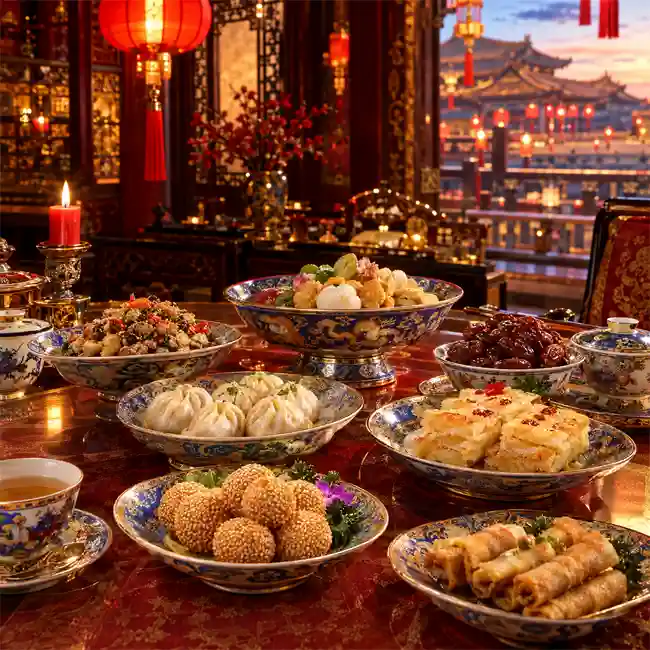
⛩️🏮 Introduction: The Cultural Heritage of China Snacks
China is a country where food is much more than something to eat. It represents history, family traditions, regional identity, creativity, and the everyday rhythm of life. Among its many culinary treasures, China snacks hold a particularly special place. From steaming baskets of dumplings in northern cities to delicate pastries in southern tea houses, traditional Chinese snacks offer a delicious introduction to the country's diverse food culture.
Chinese snacks, often associated with the words xiaochi (小吃), meaning small eats or light bites, are enjoyed throughout the day. They can be found at roadside stalls, traditional markets, neighborhood bakeries, family-run shops, shopping streets, and fashionable food districts. Some are designed for a quick breakfast before work, while others are enjoyed during afternoon breaks, family gatherings, festivals, or leisurely evening walks.
One of the most fascinating things about Chinese snacks is their incredible regional diversity. The food traditions of Beijing are quite different from those of Shanghai, Chengdu, Guangzhou, Xi'an, or Suzhou. Northern China is famous for its wheat-based specialties, including steamed buns, pancakes, dumplings, and stuffed pastries. Southern China, meanwhile, offers an impressive selection of rice-based delicacies, delicate dim sum, sweet puddings, and beautifully crafted pastries.
There is also a wonderful balance between traditional and contemporary snack culture. Many recipes and food styles have been passed down through generations, while modern vendors continue to introduce creative presentations, exciting flavor combinations, and convenient snack experiences for younger generations.
Whether you are exploring an ancient neighborhood, visiting a spectacular night market, or simply discovering Chinese cuisine from home, these little culinary treasures reveal a side of China that is both welcoming and unforgettable.
🍜 The Art of China Dining Culture & Social Eating
In China, enjoying snacks is often a social experience rather than a simple individual activity. People regularly gather with friends, colleagues, and family members to share different small dishes, explore local food stalls, and enjoy casual conversations.
Unlike formal dining, snack culture is relaxed and flexible. There is no strict schedule for enjoying these specialties. A person might pick up a warm steamed bun on the way to work, enjoy a bowl of noodles during a lunch break, or stop at a neighborhood food stall for something sweet in the evening.
Sharing is another important part of Chinese food culture. Friends may order several different snacks and taste a little of everything. This creates an opportunity to experience multiple flavors and textures in one sitting.
Traditional food markets also play an important role in everyday community life. Vendors often prepare snacks in front of customers, creating an inviting atmosphere filled with the sounds of sizzling pans, steaming baskets, and lively conversations.
Some popular social eating traditions include:
• Breakfast food culture: Many Chinese people enjoy freshly prepared buns, pancakes, soy-based foods, and rice-based snacks as part of their morning routine.
• Family gatherings: Dumplings, pastries, and regional specialties frequently appear during family celebrations and holiday visits.
• Casual street dining: Small food stalls provide convenient and affordable choices for people exploring busy commercial districts.
• Afternoon snack breaks: Sweet pastries, sesame treats, and traditional desserts offer a pleasant pause during a busy day.
• Night market experiences: Friends and families enjoy walking through illuminated food streets while sampling different regional specialties.
Food is also closely connected to hospitality. Offering guests something delicious to share is a familiar expression of warmth and generosity. In many communities, traditional snacks are associated with childhood memories, family recipes, and the comfort of familiar flavors.
🏯 Where Culture Meets Flavor: Iconic Food Tourism Spots
Traveling through China offers countless opportunities to discover snacks in the places where their traditions developed. Different cities have their own culinary personalities, and exploring local food neighborhoods is one of the most enjoyable ways to understand them.
1. Beijing: Traditional Northern Chinese Street Food
Beijing is an excellent destination for travelers interested in traditional northern snacks. Its historic neighborhoods combine imperial architecture, traditional courtyard houses, and lively commercial streets.
Wangfujing is particularly well known for its food-shopping atmosphere, while the hutong neighborhoods offer opportunities to discover traditional local eateries.
Notable snacks include jianbing, tanghulu, douzhi, and various steamed or baked wheat-based specialties. The city's snack culture reflects a combination of northern ingredients, long-established customs, and everyday urban life.
2. Shanghai: Elegant Pastries and Modern Snack Culture
Shanghai brings together traditional Jiangnan food culture and modern metropolitan living. Its historic streets, waterfront scenery, and fashionable shopping districts create a fascinating setting for food exploration.
The City God Temple area, also known as Chenghuangmiao, is a popular destination for visitors interested in traditional Shanghai snacks.
Highlights include xiaolongbao, shengjianbao, scallion pancakes, and delicate traditional pastries. These specialties reflect the city's appreciation for carefully balanced flavors and distinctive textures.
3. Chengdu: The Exciting World of Sichuan Snacks
Chengdu, the capital of Sichuan Province, is famous for its lively food culture and bold regional flavors. The city is particularly attractive to travelers who enjoy aromatic spices, savory snacks, and contrasting textures.
Kuanzhai Alley and Jinli Ancient Street are popular places to explore traditional architecture alongside local food specialties.
Visitors can discover dan dan noodles, spicy wontons, Sichuan-style dumplings, and sweet rice-based treats. The city's snack culture showcases the creativity and personality of Sichuan cuisine.
4. Xi'an: Ancient Traditions and Wheat-Based Delicacies
Xi'an is one of China's most historically significant cities, and its food culture reflects centuries of cultural exchange.
The Muslim Quarter is especially famous for its vibrant food stalls, traditional bakeries, and regional specialties.
Popular choices include roujiamo, liangpi, biangbiang noodles, and persimmon cakes. The area's culinary traditions demonstrate how local ingredients and historical influences have shaped northern Chinese food.
5. Guangzhou: The Home of Cantonese Dim Sum
Guangzhou is an essential destination for anyone interested in traditional Cantonese snacks.
The city's tea houses and dim sum restaurants are famous for their variety of small dishes, beautifully prepared pastries, and delicate steamed specialties.
Popular options include har gow, siu mai, char siu bao, and egg tarts. Enjoying dim sum during yum cha, or tea drinking, is an important part of the local social experience.
6. Suzhou and Hangzhou: Delicate Jiangnan Sweet Treats
The Jiangnan region, particularly Suzhou and Hangzhou, is celebrated for its refined food traditions.
Historic canals, classical gardens, traditional streets, and picturesque waterways provide an atmospheric backdrop for exploring regional specialties.
Travelers can discover sweet green rice cakes, delicate pastries, lotus-root treats, and traditional seasonal desserts. These foods reflect the region's appreciation for subtle sweetness, beautiful presentation, and seasonal ingredients.
🥢 Top Iconic China Snacks Specialties
Chinese snacks are incredibly diverse, ranging from savory dumplings and crispy pancakes to sweet pastries and refreshing chilled treats. Each specialty has its own history, local identity, and place in everyday Chinese life.
Here are some of the most recognizable and interesting China snacks worth discovering.
🥟 1. Xiaolongbao – Shanghai Soup Dumplings
Xiaolongbao is one of the most famous Chinese snack specialties, particularly associated with Shanghai and the surrounding Jiangnan region.
These small steamed dumplings are known for their delicate wrappers and flavorful soup filling. Traditionally served in bamboo steamers, they are carefully arranged and presented while still hot.
Their appeal comes from the combination of tender dough, savory filling, and rich broth. Xiaolongbao is especially popular in traditional restaurants and specialty dumpling shops.
For visitors, trying authentic xiaolongbao is almost a culinary introduction to Shanghai itself.
🥞 2. Jianbing – China's Beloved Breakfast Crepe
Jianbing is a popular Chinese street food that can be found in many northern cities.
It is a thin savory breakfast crepe with a distinctive combination of textures. The outside is tender, while crispy elements provide a satisfying contrast.
Common variations include egg, scallions, herbs, savory sauces, and crunchy additions. Street vendors often prepare jianbing on large flat griddles, making the cooking process part of the experience.
It is particularly popular among commuters and students looking for a convenient morning meal.
🍡 3. Tanghulu – Traditional Candied Fruit Skewers
Tanghulu is a colorful traditional Chinese sweet snack that is especially associated with northern China and Beijing.
It consists of fruits coated in a hard, glossy sugar shell and arranged on bamboo skewers. Hawthorn berries are the classic choice, although modern versions may feature strawberries, grapes, mandarins, and other fruits.
The contrast between sweet crunchy coating and naturally tart fruit makes tanghulu distinctive.
Its bright appearance also makes it a favorite among tourists, photographers, and people exploring traditional food streets.
🥟 4. Shengjianbao – Crispy Pan-Fried Buns
Shengjianbao is another iconic Shanghai specialty.
These small buns are traditionally pan-fried, creating a golden, crispy bottom while keeping the upper dough soft and fluffy.
They commonly contain savory meat fillings and are finished with sesame seeds and chopped green onions.
The combination of crispness, tenderness, and rich filling makes shengjianbao particularly satisfying. It is widely enjoyed as a breakfast item or casual snack.
🍞 5. Roujiamo – Chinese Meat Burger
Roujiamo is a famous specialty from Shaanxi Province, particularly associated with Xi'an.
Often described as a Chinese-style burger, it features a baked or griddled bread pocket filled with finely chopped, seasoned meat.
Its appeal comes from the contrast between the slightly crisp exterior of the bread and the tender savory filling.
Roujiamo is a popular example of how simple ingredients can become an iconic regional food. It is widely available from local shops and street vendors.
🍜 6. Dan Dan Noodles – Sichuan's Flavorful Street Favorite
Dan dan noodles are among the best-known representatives of Sichuan snack culture.
They are traditionally served with noodles, savory toppings, aromatic seasonings, and a distinctive combination of spicy, nutty, and savory flavors.
Different restaurants and regions offer their own interpretations, but the dish is widely appreciated for its bold character and satisfying texture.
Although often served as a small meal, dan dan noodles are also an important part of China's broader street food identity.
🥮 7. Mooncakes – Traditional Festival Pastries
Mooncakes are among China's most recognizable traditional pastries.
They are closely associated with the Mid-Autumn Festival, a celebration connected with family reunions, seasonal traditions, and appreciation of the full moon.
Traditional varieties often feature lotus seed paste, red bean paste, or salted egg yolk fillings. Other regional styles include flaky pastries and distinctive baked crusts.
Mooncakes are beautifully presented and frequently exchanged as gifts among family members, friends, and business associates.
🥠 8. Baozi – Soft and Fluffy Chinese Steamed Buns
Baozi are steamed buns that have been enjoyed throughout China for generations.
They are available in numerous sizes, shapes, and fillings. Savory varieties may contain vegetables, meat, or combinations of both, while some regional versions feature sweet fillings.
Baozi are particularly popular as convenient breakfast foods and everyday snacks.
Their soft texture and comforting character make them one of the most familiar foods in Chinese households.
🥟 9. Guotie – Chinese Pan-Fried Dumplings
Guotie, commonly known as potstickers, are dumplings with a distinctive crispy base and tender upper wrapper.
They are usually filled with combinations of minced meat and vegetables, although vegetarian varieties are also widely available.
Guotie are popular in northern Chinese cuisine and can be found in restaurants, food markets, and neighborhood eateries.
Their appealing combination of textures makes them a favorite for sharing with friends and family.
🍥 10. Tangyuan – Sweet Glutinous Rice Balls
Tangyuan are traditional Chinese rice balls associated with family celebrations and the Lantern Festival.
They are commonly served in a warm, lightly sweetened liquid and may contain fillings such as black sesame, peanut, or red bean paste.
Their round shape symbolizes togetherness, harmony, and family unity.
Beyond their delicious taste, tangyuan carry cultural meaning and are often enjoyed during special occasions.
🥞 11. Cong You Bing – Chinese Scallion Pancakes
Cong you bing is a popular savory pancake made from wheat-based dough and chopped scallions.
Its exterior can be crispy and golden, while the inside develops delicate layers.
This snack is enjoyed across many parts of China, with regional differences in thickness, texture, and preparation style.
It is commonly served as a breakfast item, a quick street snack, or a side dish accompanying other foods.
🍡 12. Ci Ba – Traditional Sticky Rice Cake
Ci ba is a traditional Chinese snack made from glutinous rice.
It is particularly popular in parts of southwestern China and other regions with established sticky rice traditions.
The texture is soft, chewy, and pleasantly filling. Some versions are served with roasted soybean powder and sweet accompaniments, while others are prepared in savory styles.
Ci ba is often connected with traditional celebrations and rural food culture.
🥚 13. Dan Ta – Chinese-Style Egg Tarts
Chinese-style egg tarts are beloved pastries influenced by the historical exchange of culinary traditions.
They are especially popular in Hong Kong and Macau, where they have developed distinctive local identities.
The pastry typically features a crisp or flaky shell surrounding a smooth, creamy egg custard filling.
Their approachable sweetness and delicate texture make them popular in bakeries, cafés, and dim sum establishments.
🍘 14. Sachima – Traditional Chinese Sweet Pastry
Sachima is a traditional sweet snack made from delicate strands of fried dough combined with a sweet binding mixture.
It is commonly formed into rectangular or square portions and has a soft, slightly chewy texture.
The snack has historical associations with northern Chinese food traditions and is widely enjoyed as a convenient packaged treat.
Its light texture and gentle sweetness make it suitable for afternoon snacking.
🍧 15. Douhua – Silky Chinese Tofu Pudding
Douhua is a traditional Chinese soybean-based snack known for its exceptionally smooth and delicate texture.
It can be served in sweet or savory styles depending on regional preferences.
In southern China, sweet versions may include ginger syrup or other sweet accompaniments. In parts of northern and western China, savory versions may feature sauces, seasonings, and aromatic toppings.
Douhua demonstrates how a simple traditional ingredient can create remarkably different culinary experiences.
🍬 16. Dragon's Beard Candy – Traditional Handcrafted Sweet
Dragon's beard candy is a fascinating traditional Chinese confection known for its extremely fine strands.
The candy is formed into delicate, hair-like threads and often wrapped around fillings such as peanuts, sesame, or coconut.
Its appearance resembles a soft white beard, which inspired its memorable name.
Watching skilled confectioners prepare this specialty can be an entertaining experience for travelers interested in traditional Chinese craftsmanship.
🥮 17. Wife Cake – Traditional Cantonese Pastry
Wife cake, known as lou po beng, is a traditional Cantonese pastry with a delicate flaky exterior and sweet filling.
Its filling traditionally features winter melon paste, creating a gentle sweetness that differs from richer Western-style pastries.
The pastry is popular in bakeries throughout Hong Kong, Guangzhou, and other Cantonese communities.
It is also associated with traditional food gifting and regional bakery culture.
🌶️ Flavor Profile: What Makes China Snacks Unique?
The incredible variety of Chinese snacks comes from the country's geography, agricultural traditions, regional cooking preferences, and long history of culinary exchange.
Rather than following one national flavor profile, Chinese snack culture offers several distinct experiences.
1. Sweet and Savory Balance
Chinese snacks often combine sweetness with savory ingredients in creative ways.
For example, traditional pastries may contain mildly sweet bean fillings, while savory pancakes balance aromatic scallions with wheat-based dough.
2. Aromatic and Spicy Flavors
Sichuan snacks are particularly famous for their bold seasoning combinations.
Chili, Sichuan peppercorns, garlic, sesame, and fermented ingredients contribute to their recognizable flavor profiles.
3. Delicate and Subtle Tastes
Jiangnan and Cantonese specialties frequently emphasize balance, freshness, and delicate flavors.
Many traditional pastries and steamed snacks are appreciated for their gentle sweetness and carefully controlled textures.
4. A Fascinating Variety of Textures
Texture is one of the defining characteristics of Chinese snacks.
• Crispy: Pan-fried dumplings, scallion pancakes, and flaky pastries.
• Soft: Steamed buns, rice cakes, and tofu pudding.
• Chewy: Glutinous rice treats and traditional sweets.
• Silky: Egg custard tarts and delicate puddings.
• Crunchy: Candied fruits and sesame-based confections.
5. Regional Ingredients and Local Identity
Different provinces use ingredients that reflect their agricultural environment.
Wheat is especially important in northern China, while rice and rice-based products are prominent in many southern regions. Soybeans, vegetables, nuts, fruits, and locally available spices contribute to the country's enormous snack diversity.
🧺 Essential Ingredients & Traditional Cooking Techniques
Understanding the ingredients behind traditional Chinese snacks helps explain why the same basic food categories can produce so many different regional specialties.
Chinese snack makers often rely on familiar ingredients, but their preparation, combinations, and presentation create distinctive results.
🌾 Signature Spices & Local Ingredients
1. Rice and Glutinous Rice
Rice is a central ingredient in many southern Chinese snacks. Glutinous rice is particularly important for chewy specialties such as tangyuan, ci ba, and various traditional rice cakes.
2. Wheat Flour
Wheat flour plays a major role in northern Chinese food culture. It forms the foundation of dumplings, steamed buns, pancakes, pastries, and baked street foods.
3. Soybeans and Tofu
Soybeans are used to create tofu, soy milk, tofu pudding, and other traditional foods. They provide an important source of plant-based protein and contribute to both savory and sweet snacks.
4. Sesame and Peanuts
Sesame seeds and peanuts are frequently used in traditional pastries, sweets, and fillings. Their nutty aromas create satisfying flavor contrasts.
5. Ginger and Garlic
These ingredients are essential in many savory Chinese specialties. They contribute warmth, fragrance, and depth to different regional food traditions.
6. Sichuan Peppercorns and Chili
These ingredients are particularly important in Sichuan cuisine. Sichuan peppercorns provide a distinctive tingling sensation, while chili contributes varying levels of heat.
7. Red Beans and Lotus Seeds
Red bean paste and lotus seed paste are widely used in traditional Chinese desserts and pastries, including mooncakes and other sweet delicacies.
8. Seasonal Fruits and Vegetables
Local produce plays an important role in regional snack traditions. Hawthorn, winter melon, sweet potatoes, leafy vegetables, and seasonal fruits all appear in different Chinese specialties.
🔥 Time-Honored Cooking Methods
Traditional Chinese snack preparation involves a variety of techniques that influence the final texture, appearance, and flavor.
1. Steaming
Steaming is widely used for baozi, xiaolongbao, and many rice-based specialties. It helps maintain moisture and creates soft, delicate textures.
2. Pan-Frying
Pan-frying creates a golden exterior while preserving a tender interior. Shengjianbao, guotie, and cong you bing are excellent examples.
3. Deep-Frying
Some traditional pastries and street snacks are prepared through frying to achieve crispness and distinctive textures.
4. Baking
Baking is especially important for mooncakes, traditional pastries, and regional stuffed breads. Different pastry styles create crisp, flaky, or tender finishes.
5. Boiling and Simmering
Dumplings, tangyuan, and many noodle-based specialties rely on boiling or simmering. This technique allows ingredients to retain moisture while developing balanced flavors.
6. Candying and Sugar-Coating
Traditional sweet makers use sugar-based techniques to create glossy coatings, delicate confectionery, and preserved sweet treats. Tanghulu is one of the best-known examples.
7. Fermentation
Fermented ingredients have an important place in Chinese food culture. They contribute distinctive savory, aromatic, and sometimes tangy characteristics to selected regional snacks.
Together, these techniques demonstrate how traditional craftsmanship continues to shape the appearance and identity of Chinese snacks.
🧨❓ Frequently Asked Questions (FAQ)
Q1. What Are the Most Popular Traditional Snacks in China?
Some of the most popular traditional Chinese snacks include xiaolongbao, baozi, jianbing, tanghulu, roujiamo, guotie, dan dan noodles, and tangyuan. Each specialty represents a different regional food tradition, ranging from northern wheat-based snacks to southern rice-based delicacies.
Q2. What Is the Most Famous Chinese Street Food Snack?
Jianbing is among China's best-known street food snacks, especially as a popular breakfast choice. Other internationally recognized favorites include roujiamo, tanghulu, xiaolongbao, and Chinese dumplings.
Q3. What Are Traditional Chinese Sweet Snacks?
Traditional Chinese sweet snacks include tanghulu, tangyuan, mooncakes, sachima, dragon's beard candy, and various red bean and lotus seed pastries. Many are associated with festivals, family celebrations, and regional culinary traditions.
Q4. Which Chinese City Is Best for Traditional Street Food?
Several cities are excellent for exploring traditional Chinese street food. Beijing is famous for northern specialties, Shanghai for soup dumplings and local pastries, Chengdu for Sichuan snacks, Xi'an for traditional wheat-based foods, and Guangzhou for Cantonese dim sum.
Q5. Are Chinese Snacks Different Between Northern and Southern China?
Yes. Northern Chinese snacks often feature wheat-based ingredients, including dumplings, pancakes, steamed buns, and stuffed breads. Southern Chinese snacks commonly feature rice, rice flour, seafood, delicate pastries, and a wider variety of sweet specialties. However, there are many regional exceptions and shared culinary influences.
🏮 Culinary Heritage & Credit to China Traditions
China's snack culture is a remarkable reflection of its long culinary history and extraordinary regional diversity. Every city, province, and local community contributes something distinctive to this extensive food heritage.
From the delicate craftsmanship of Cantonese dim sum to the bold character of Sichuan street food, Chinese snacks demonstrate how traditional knowledge can evolve while remaining connected to local identity.
Many familiar specialties have survived through generations because families, market vendors, bakers, and independent food artisans continue to preserve their traditional approaches. Some recipes remain closely connected to seasonal festivals, while others have become everyday favorites enjoyed by millions of people.
The cultural significance of Chinese snacks also extends beyond their ingredients. Their shapes, colors, textures, and serving traditions often carry symbolic meanings.
• Dumplings are associated with prosperity, good fortune, and family gatherings, particularly during Lunar New Year celebrations.
• Tangyuan symbolize reunion, harmony, and togetherness because of their round shape.
• Mooncakes represent family reunion and are closely connected with the Mid-Autumn Festival.
• Traditional pastries reflect generations of regional craftsmanship and the importance of hospitality.
• Street food specialties preserve the everyday culinary traditions of local neighborhoods and communities.
Today, China's snack culture continues to develop. Traditional food streets coexist with contemporary bakeries, modern shopping districts, creative dessert shops, and innovative street food businesses.
Younger generations are discovering traditional flavors through new presentations, while established food artisans continue to share the skills that make these specialties unique.
For international travelers, exploring China snacks is an opportunity to understand the country beyond its famous landmarks. A simple dumpling in Shanghai, a freshly prepared jianbing in Beijing, or a traditional pastry in Guangzhou can reveal stories about local history, family customs, and everyday life.
Ultimately, authentic China snacks are not simply small dishes or convenient street foods. They are an expression of cultural memory, regional creativity, and the enduring importance of sharing good food.
Whether you prefer crispy savory pancakes, soft steamed buns, aromatic noodles, delicate pastries, or traditional sweet treats, China's snack traditions offer something fascinating to discover at every turn.
Explore the flavors, celebrate the traditions, and enjoy the delicious diversity of authentic Chinese snack culture — one unforgettable bite at a time.
🍱 The Ultimate Guide to Iconic Chinese Street Snacks You Can Make at Home
👉 Savor Mouthwatering Chinese Snacks
| 🌐 🍱 < Back | 🇨🇳 🍞 < Previous | Next > 🥘 🇨🇳 |