
🏠 Home > 🗺️ Recipes > 🍞 Breads > 🇨🇳 China Breads Recipes
🇨🇳 🍞 Authentic China Breads: From Hutong Ovens to Silk Road Tables
Published by Supakorn | Updated: November 2026
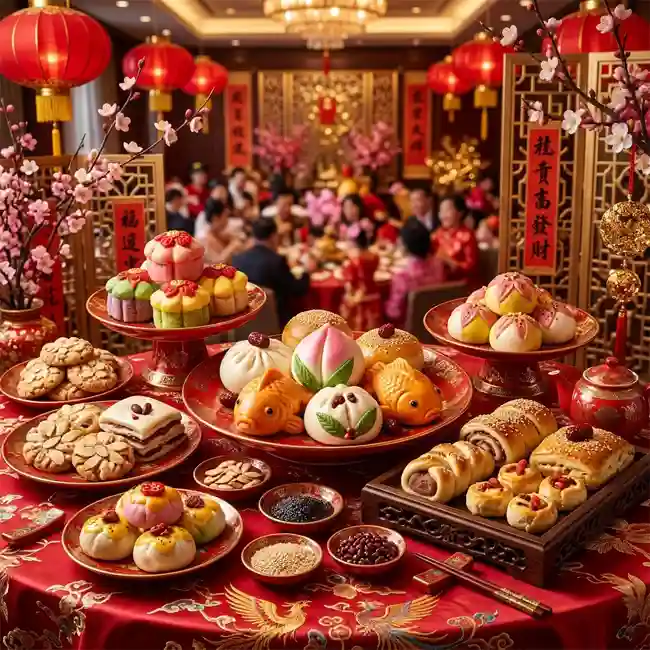
🐲🥢 Introduction: The Cultural Heritage of China Breads
Hey friend, let's talk about something that doesn't get nearly enough love when people think about Chinese food. Everyone jumps straight to noodles and dumplings, right? But China's bread culture is absolutely massive, ancient, and wildly diverse.
Bread in China isn't an afterthought or a side dish. It's the main event, the comfort food, the breakfast hero, the thing you grab hot from a street cart at 6 AM while bikes are ringing around you. Unlike Western bread that leans heavily on ovens and yeast, Chinese breads are a whole universe of steaming, pan-frying, baking in clay ovens, and deep-frying.
We're talking about a history that goes back over 4,000 years. Wheat came up from the north, from the Yellow River basin, and it basically shaped the entire northern Chinese diet. While the south was all about rice, the north said, "We love wheat, and we're going to turn it into a hundred different amazing things." And they did.
From imperial courts in Beijing to Uyghur bakeries in Kashgar, bread tells the story of migration, trade, and family. It's peasant food and royal food at the same time.
🥟 The Art of China Dining Culture & Social Eating
Eating bread in China is never a lonely thing. It's super social.
Picture this: early morning in any northern city. A grandma is pulling a fresh tray of mantou out of a bamboo steamer, steam clouding her little shop window. Office workers, students, taxi drivers are all lined up, grabbing a bag of hot buns to eat on the go. Nobody is sitting with a knife and fork. You're tearing, sharing, dipping.
Chinese dining culture is all about sharing and balance. Breads are rarely eaten alone:
• The Dip and Share Ritual: A plain mantou is often torn and used to soak up braised pork belly or spicy tofu stews. It's your edible spoon.
• The Family Steamer: At home, a huge bamboo steamer full of baozi in the middle of the table is a sign of togetherness. Everyone reaches in. The biggest, fullest bun usually goes to the guest or the grandpa.
• Street-Side Socializing: Shaobing and youtiao stalls are like morning coffee shops in the West. People stand around, chat, dunk their youtiao into warm soy milk, and catch up before the day starts.
• Festival Symbolism: Breads carry meaning. Longevity peach buns (shoutao) for birthdays, giant mantou towers for festivals, moon-shaped cakes for family reunion. You eat the story.
It's not fast food. It's fast, but it's full of soul and community.
🏮 Where Culture Meets Flavor: Iconic Food Tourism Spots
If you want to hunt down the best breads, you have to go where the wheat is and where the trade routes passed.
✦ Beijing's Hutongs for Shaobing and Baozi: Wander the narrow hutong alleys around Niujie (Ox Street) and you will smell sesame and roasted wheat everywhere. This is the capital of imperial-style baked breads, where shaobing stuffed with sweet red bean or savory pork floss have been sold for centuries.
✦ Xi'an Muslim Quarter - The Bread Paradise: This is my number one recommendation. Xi'an was the start of the Silk Road, and its bread game is unreal. You will find roujiamo, which is often called the world's oldest hamburger, crispy flatbread stuffed with slow-cooked spiced meat. Plus giant sesame-crusted naan-like breads baked in tandoor clay ovens.
✦ Shanghai's Shengjianbao Corners: For soupy, pan-fried buns with a crispy bottom, Shanghai is king. The sizzling sound of shengjianbao hitting a cast iron pan is the soundtrack of every old neighborhood breakfast.
✦ Xinjiang & Kashgar Bazaars: For Uyghur nang. These huge, patterned, slightly chewy flatbreads stamped with beautiful designs and baked by sticking them to the wall of a hot clay oven. Travelers buy five at a time and carry them on their backpacks for days.
✦ Tianjin's Goubuli District: Famous for the legendary Goubuli baozi, a brand that started in 1858. It is a pilgrimage spot for steamed bun lovers.
✦ Guangdong Dim Sum Teahouses: For char siu bao, those fluffy white buns with sweet BBQ pork inside, served in bamboo baskets while tea flows all morning.
🥇 Top Iconic China Breads Specialties
Okay, let's get to the delicious part. Here are the absolute icons you must know. No recipes, just pure food love.
✦ Mantou: The foundation of everything. Simple, fluffy, slightly sweet white steamed bun made from wheat flour, yeast, and water. It sounds basic, but a perfect mantou is cloud-like, with a smooth skin and a chewy pull. Northern families eat it daily instead of rice. It's pure comfort.
✦ Baozi (Bao): Mantou's superstar cousin with filling. Fluffy steamed dough wrapped around savory or sweet fillings. The most famous is pork and cabbage, but you will also find mushroom and vermicelli for vegetarians, red bean paste, and custard. A good baozi should have at least 18 delicate pleats on top.
✦ Shaobing: A layered, sesame-crusted baked flatbread. Think of it as a Chinese croissant-meets-cracker. Crispy outside, with dozens of flaky layers inside. It can be plain, or stuffed with sweet brown sugar, savory scallions, or spiced minced meat. Best eaten hot right out of the oven.
✦ Youtiao: The beloved breakfast cruller. Deep-fried dough sticks that puff up into a golden, crispy, hollow inside. Slightly salty, super airy. Nobody eats youtiao alone. You tear it and dunk it into warm soy milk (doujiang) or congee. The contrast of crispy and silky is addictive.
✦ Shengjianbao & Xiaolongbao's Bready Cousins: Pan-fried buns from Shanghai. The bottom is fried golden and crispy, the top is steamed soft, and inside is juicy pork and soup. You have to bite carefully. They are the perfect example of Chinese mastery of two cooking techniques at once.
✦ Hua Juan (Flower Rolls): Steamed twisted rolls that look like flowers. The dough is rolled with scallion oil, salt, and sometimes Chinese five-spice, then twisted into a beautiful flower shape. Savory, aromatic, and incredibly fun to pull apart layer by layer.
✦ Roujiamo: From Shaanxi province, often called the Chinese hamburger. But it's so much better. The bread, called baijimo, is a semi-flaky, crisp flatbread baked in a clay oven, then sliced and stuffed with shredded, long-braised meat cooked with over 20 spices. Juicy, crispy, and messy in the best way.
✦ Cong You Bing (Scallion Pancake): Not really a pancake like in the West. It's a pan-fried, super flaky flatbread layered with chopped scallions and sesame oil. Crispy on the outside, chewy and savory inside. Street vendors slap the dough and fry it right in front of you.
✦ Nang / Nan: The giant wheel-shaped bread of Xinjiang. Thicker than Indian naan, with a crisp patterned center and a thick, chewy rim. Stamped with intricate patterns using a tool called a nang stamp. Topped with sesame, onion, or cumin. It can stay fresh for days and was historically perfect for Silk Road travelers.
✦ Char Siu Bao: The Cantonese icon. Snow-white, extra fluffy steamed bun with a sweet-savory filling of Cantonese BBQ pork. Slightly sweet dough that melts in your mouth. A dim sum staple that shows the southern sweeter palate.
✨ Flavor Profile: What Makes China Breads Unique?
What makes Chinese breads totally different from, say, a French baguette? It's all about texture and balance.
◦ Texture First, Flavor Second: Chinese bread culture worships texture. You have words like Song Ruan (soft and fluffy), Su Cui (crispy and flaky), Jin Dao (chewy and bouncy), and Xuan Ruan (airy and puffy). One bread can have three textures at once.
◦ Subtle Sweetness: Most plain breads like mantou have a natural, faint sweetness from the wheat itself, not from sugar. Sweet fillings like red bean are earthy and mild, not intensely sugary.
◦ Savory Depth: Savory breads lean on aromatics, not cheese or heavy fats. Think toasted sesame, scallion oil, Sichuan peppercorn tingling, cumin and lamb fat from the northwest, and fragrant lard or peanut oil for flakiness.
◦ Steamed vs. Baked Philosophy: Steaming keeps the bread incredibly moist, white, and tender, preserving the pure wheat flavor. Baking and pan-frying adds Maillard roastiness, caramelization, and smoky wok hei. China uses both, depending on the mood.
◦ The Art of the Filling: The bread is often just the perfect vehicle for a highly seasoned filling. The dough is mild to let the filling shine, whether it's juicy pork, spicy tofu, or sweet black sesame.
👩🍳 Essential Ingredients & Traditional Cooking Techniques
To really appreciate these breads, you have to know what's behind them. It's not just flour and water.
🌾Signature Spices & Local Ingredients
◦ High-Gluten Northern Wheat Flour: The star. Northern Chinese wheat is high in protein, which gives mantou and noodles that signature chewy bounce.
◦ Old Dough Starter (Lao Mian): Before commercial yeast, bakers kept a piece of old fermented dough as a starter. It gives a deeper, slightly tangy aroma that many traditional shops still use today. It's like sourdough's Chinese ancestor.
◦ Sesame Seeds - White and Black: Toasted white sesame for nutty crunch on shaobing, black sesame for sweet fillings. Sesame paste is also used for rich, savory coatings.
◦ Scallion, Ginger, and Sesame Oil: The holy trinity of savory breads. Scallion oil is brushed between layers of hua juan and cong you bing for incredible fragrance.
◦ Five-Spice and Sichuan Peppercorn: Star anise, cinnamon, cloves, and a numbing hint of Sichuan peppercorn often appear in the braised meat fillings for roujiamo and baozi.
◦ Cumin and Chili from the Northwest: Thanks to Silk Road trade, cumin, chili flakes, and lamb fat are signature flavors in Xinjiang nang and meat shaobing.
◦ Sweet Bean Pastes: Red adzuki bean, lotus seed paste, and black sesame paste for sweet buns. They are smooth, earthy, and not overly sweet.
⏳ Time-Honored Cooking Methods
◦ Steaming (Zheng): The most iconic method. Using bamboo steamers stacked over boiling water. This gentle heat makes breads fluffy, moist, and keeps them snow-white. It's healthier and gives that unique bouncy texture you can't get from baking.
◦ Pan-Frying then Steaming (Jian): Used for shengjianbao. First fry the bottom to get a crispy golden crust, then add water and cover to steam the top. Best of both worlds.
◦ Clay Oven Baking (Kao): For shaobing, baijimo, and nang. A wood-fired or charcoal clay oven (similar to a tandoor) reaches super high heat. Breads are slapped onto the hot inner wall, puff up instantly, and get smoky, charred spots.
◦ Deep-Frying (Zha): For youtiao. The dough is stretched and twisted, then plunged into hot oil where it inflates dramatically. Requires serious skill to get the hollow inside and crispy outside.
◦ Layering and Larding (Po Su): For flaky breads like cong you bing and shaobing, bakers roll out the dough, brush it with hot oil or lard, sprinkle scallions, roll it like a Swiss roll, then coil it and flatten it. This creates hundreds of ultra-thin flaky layers.
◦ Stamping and Patterning: Especially for nang breads, artisans use a special tool with nails called a nang stamp to poke decorative patterns. This isn't just pretty, it prevents the bread from puffing up too much in the center.
❓🏯 Frequently Asked Questions (FAQ)
Q1. What is the most popular everyday bread in China?
For daily life in northern China, it's definitely mantou. It's eaten like rice in the south, plain with every meal. For breakfast across the whole country, youtiao with soy milk and baozi are the two absolute kings of street breakfast.
Q2. Are Chinese breads vegan?
Many of them can be! Plain mantou, hua juan scallion rolls, shaobing with scallion, nang, and cong you bing are traditionally vegan, made with just flour, water, yeast, oil, and scallions. Always check if lard was used for extra flakiness, especially in older traditional shops.
Q3. Why are most Chinese breads steamed instead of baked?
It's historical and practical. Early China had abundant bamboo for steamers and woks, but oven technology was less common in homes. Steaming uses less fuel, keeps the bread softer in dry northern winters, and suits the texture preference for soft, chewy, moist breads over hard crusts.
Q4. What is the difference between baozi and mantou?
Super simple: mantou is plain with no filling, baozi is mantou with a filling inside. Same fluffy steamed dough family, but baozi is the stuffed version. If you can see pleats on top, it's almost always a baozi.
🙏 Culinary Heritage & Credit to China Traditions
At the end of the day, China breads are more than just carbs. They are living history.
Every pleat on a baozi is a technique passed down from a mother to a daughter. Every patterned nang carries the symbol of a Uyghur family bakery that has been firing its clay oven for a hundred years. The morning youtiao stall you see on a corner in Chengdu might be the third generation running it.
This incredible diversity, from the delicate soup-filled buns of Jiangnan to the hearty, smoky flatbreads of the Silk Road, comes from centuries of farmers cultivating wheat on the Yellow River, of nomadic traders exchanging spices and oven techniques, and of home cooks turning simple flour into art to feed their families.
We have so much to thank Chinese culinary wisdom for: the genius of bamboo steaming, the patience of old dough fermentation, and the beautiful philosophy that food should nourish both body and community.
So next time you tear open a hot, steaming baozi and see that puff of steam rise, remember you are not just eating bread. You are tasting thousands of years of tradition, street, and home.
🍞 Homemade China Breads You Can Master in Your Own Kitchen
👉 Bake Authentic Chinese Breads
| 🌐 🍞 < Back | 🇨🇳 🥗 < Previous | Next > 🍱 🇨🇳 |