
🏠 Home > 🗺️ Recipes > 🍲 Soups > 🇧🇴 Bolivia Soups
🇧🇴 🍲 Bolivia Soups Recipes
Published by Supakorn | Updated: May 2026
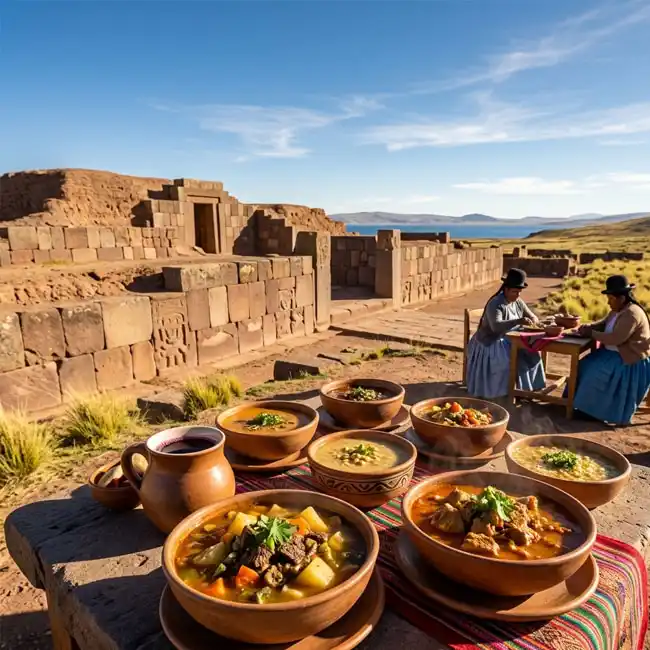
If you ever find yourself wandering through the high-altitude streets of La Paz, the sun-drenched valleys of Cochabamba, or the lush tropical expanses of Santa Cruz, you will quickly realize one undeniable truth: Bolivia runs on soup.
In this beautiful South American country, soup is not just an appetizer or a light meal you turn to when you are feeling under the weather. Soup is a cultural anchor. It is a daily ritual, a culinary masterpiece, and a deeply emotional connection to history and geography.
Pull up a chair, and let us dive into the wonderful, comforting, and deeply authentic world of Bolivian soups. We will explore how the local geography shapes what goes into the cooking pot, look at the most iconic bowls you absolutely have to try, and see how the daily rhythm of life revolves around these steaming bowls of goodness.
🏔️ The Ultimate High-Altitude Comfort: Understanding Bolivian Food Culture
To truly understand why Bolivia soups are so legendary, you have to look at the landscape. A huge portion of Bolivia is situated on the Altiplano (the high Andean plateau), where cities sit thousands of meters above sea level. When you are living at altitudes where the air is crisp, thin, and frequently freezing, a standard salad or a light sandwich simply will not cut it. Your body craves dense calories, intense warmth, and deep hydration.
For centuries, dating long before the Spanish arrived, the indigenous Aymara and Quechua civilizations mastered the art of slow-simmering ingredients. They relied on what the earth could provide at high elevations: hundreds of varieties of native potatoes, hardy grains like quinoa, corn (known locally as mote), and meats that could withstand the climate, like llama and alpaca.
When Spanish and later European influences arrived, they brought new ingredients like beef, pork, chicken, onions, and garlic. Bolivian home cooks fused these foreign elements with ancient agricultural traditions, creating a soup culture that is beautifully complex, incredibly hearty, and completely unique to this corner of the world. In Bolivia, a proper lunch without a bowl of soup to kick things off is widely considered an incomplete day.
🥣 The Most Iconic Bolivia Soups You Must Try
Every region in Bolivia boasts its own specialty bowls, but there are a few absolute superstars that define the nation’s culinary identity. If you are planning a trip or simply want to understand the flavor profile of the country, these are the legendary creations you need to know about.
🥜 1. Sopa de Maní (The Famous Peanut Soup)
If Bolivia had an official national dish that united every single department, Sopa de Maní would arguably take the crown. Do not let the word "peanut" trick you into thinking this is a sweet, satay-style dish. This is a deeply savory, rich, and velvety masterpiece.
The magic lies in using raw, unroasted white peanuts, which are blended with water to create a creamy, milky base. This base is simmered with beef or chicken, peas, carrots, potatoes, and a touch of fragrant herbs like cumin and oregano. But the crowning glory of a true Sopa de Maní is the garnish. It is always served topped with a generous handful of papas fritas al hilo (crispy, ultra-thin french fry sticks) and fresh parsley. The contrast between the creamy, hot broth and the crunchy potato toppings is nothing short of addictive.
🥔 2. Chairo Paceño (The Spirit of La Paz)
If you travel to the dizzying heights of La Paz, Chairo is the soup that will save you from the mountain chill. This dish is a direct window into ancient Andean preservation techniques.
The defining ingredient of Chairo is chuño, which is a freeze-dried potato created by exposing native tubers to the freezing night air of the Andes and the baking daytime sun for days on end. The chuño is hydrated, crushed, and combined with mote (peeled hominy corn), wheat berries, shredded beef or lamb, and spearmint (hierbabuena). It is dark, intensely earthy, and incredibly filling. It tastes exactly like the highlands feel: rugged, historic, and deeply comforting.
🐷 3. Fricasé (The Morning-After Hero)
Go to any Bolivian market on a Saturday or Sunday morning, and you will see crowds of people huddled over steaming bowls of a vibrant, spicy, yellowish-orange broth. This is Fricasé, a traditional pork soup that doubles as the ultimate national hangover cure.
Fricasé relies heavily on ají amarillo (a bright yellow Bolivian chili pepper) that gives the broth a pleasant, warming kick without being completely overwhelming. Thick chunks of pork ribs are slow-cooked until the meat effortlessly falls off the bone. The soup is bulked up with giant kernels of white mote corn and chuño. It is rich, spicy, and intentionally designed to wake up your senses and kickstart your energy for the day ahead.
🐂 4. Caldo de Cardán (The Ultimate Energy Booster)
For the adventurous foodie, Caldo de Cardán is an absolute must-know. Originating primarily in the highland markets, this thick, robust broth has earned a reputation as a powerful traditional energy drink and aphrodisiac.
The secret behind its rich texture? It is slow-simmered for hours using a bull's penis (the cardán, named playfully after the mechanical drive shaft of a car) along with beef chunks, chicken, hard-boiled eggs, potatoes, and rice. The long cooking process extracts a massive amount of gelatin, resulting in a rich broth that keeps locals energized through long work shifts in the cold highland weather.
🍽️ The Daily Rhythm: How Soup Defines Bolivian Living
In Bolivia, food is not hurried. The way people eat reflects a community-focused lifestyle where lunch (el almuerzo) is treated as the focal point of the entire day.
If you walk into any neighborhood mercado or small family-run restaurant during lunchtime, you will see chalkboards advertising the almuerzo completo (a fixed-price lunch menu). This meal almost always follows a non-negotiable two-course structure:
• El Primero: A massive, scorching-hot bowl of regional soup to start the meal.
• El Segundo: A main plate consisting of meat, rice, potatoes, and salad.
What is fascinating is how deeply communal this experience is. You will see business executives in sharp suits sitting on wooden benches right next to market vendors wearing traditional layered skirts (polleras), both happily enjoying the exact same bowl of Sopa de Maní.
Another incredible quirk of Bolivian food culture is the concept of sajra hora. This translates roughly to "the dangerous hour"—that mid-morning gap between breakfast and lunch (usually around 10:30 AM) when hunger strikes. Instead of reaching for a protein bar or a pastry, locals head to street stalls to consume smaller, intensely flavorful comfort bowls like Caldo de Pollo (chicken soup) or Caldo de Res (beef soup) to sustain them until the actual lunch hour.
🗺️ Culinary Geography: Pairing Bowls with Destinations
As a traveler, tracing the path of Bolivia soups is one of the coolest ways to navigate the country's diverse ecosystems. Because Bolivia transitions drastically from snowy Andean peaks to humid Amazonian basins, the soups in your bowl change completely depending on where you are standing.
• La Paz & Oruro (High Altiplano - Cold & Dry Climate): Here, you must seek out Chairo and Caldo de Cardán. These soups feature dark, deeply earthy notes, heavy use of dehydrated chuño potatoes, and highly gelatinous textures designed to fight the mountain cold.
• Cochabamba (Central Valley - Temperate & Warm Climate): This region is famous for Sopa de Maní and Chanka de Pollo. Expect rich, creamy nut bases, a heavy dose of fresh local herbs, warming yellow chilies, and crispy potato toppings.
• Santa Cruz & Beni (Tropical Lowlands - Hot & Humid Climate): Look for Locro de Gallina or soups using Majao as a flavor base. These are clear, comforting chicken broths infused with starchy yuca (cassava) and vibrant yellow achiote to match the tropical vibes.
If you are exploring the salt flats of Uyuni or climbing the steep streets of Potosí, look for soups cooked in traditional earthenware clay pots (ollas de barro). These pots retain heat exceptionally well, ensuring that your meal stays boiling hot even when the mountain wind outside is freezing.
🌶️ The Essential Companion: LLajua
You simply cannot talk about Bolivian soup culture without mentioning Llajua (pronounced yah-hua). This is the ubiquitous, fiery hot sauce that sits on every single table across the nation.
Llajua is freshly ground every morning, traditionally using a curved stone mortar called a batan. It relies on two main ingredients:
• Locoto: A round, extremely spicy chili pepper that looks deceptively like a small bell pepper but packs a serious punch.
• Tomatoes: Added to balance out the intense heat.
Depending on the region, herbs like quirquiña (which has a distinct, pungent flavor similar to a mix of cilantro, arugula, and citrus) or hierbabuena (spearmint) are ground into the mix.
When your soup arrives at the table, it is standard practice to taste the broth first, and then add a spoonful (or three, if you are feeling brave) of Llajua directly into the bowl. It cuts through the richness of heavy meats, brightens up the flavors of earthy potatoes, and adds an unforgettable kick that makes the entire experience uniquely Bolivian.
🤨 Frequently Asked Questions (FAQ)
Q1: Why do Bolivian soups contain so many potatoes and corn grains?
A: It comes down to survival and agricultural heritage! The Andean region is the birthplace of the potato, with thousands of native varieties cultivated over millennia. Corn (mote) and potatoes grow beautifully in difficult high-altitude terrains where other crops fail. They provide the clean carbohydrates and energy required to stay warm and active at high elevations.
Q2: Is it safe to try these soups at local markets as a tourist?
A: Absolutely, and in fact, it is highly recommended if you want the most authentic flavors! Market stalls have a massive turnover, meaning the soups are cooked fresh in giant pots every morning and served boiling hot. Just look for the stalls that are packed with locals—that is always the ultimate sign of excellent food safety and incredible flavor.
Q3: Are there any vegetarian options within traditional Bolivia soups?
A: While the vast majority of traditional Bolivian soups use beef, pork, lamb, or chicken as a flavorful base broth, you can occasionally find everyday household soups like Sopa de Fideo (toasted noodle soup) or Sopa de Quinoa tailored to be vegetarian. However, because meat is historically associated with celebratory and complete meals in Bolivia, you should always politely double-check with the cook if a vegetable-heavy soup uses a meat-based stock.
🍲 Hearty One-Pot Keto Bolivian Soups for Cozy Low-Carb Meals
👉 UNLOCK 3 ULTIMATE KETO BOLIVIAN SOUPS!
| 🌐 🍲 < Back | 🇧🇴 🍷 < Previous | Next > 🥗 🇧🇴 |