
🏠 Home > 🗺️ Recipes > 🥪 Appetizers > 🇧🇴 Bolivia Appetizers
🇧🇴 🥪 Bolivia Appetizers Recipes
Published by Supakorn | Updated: May 2026
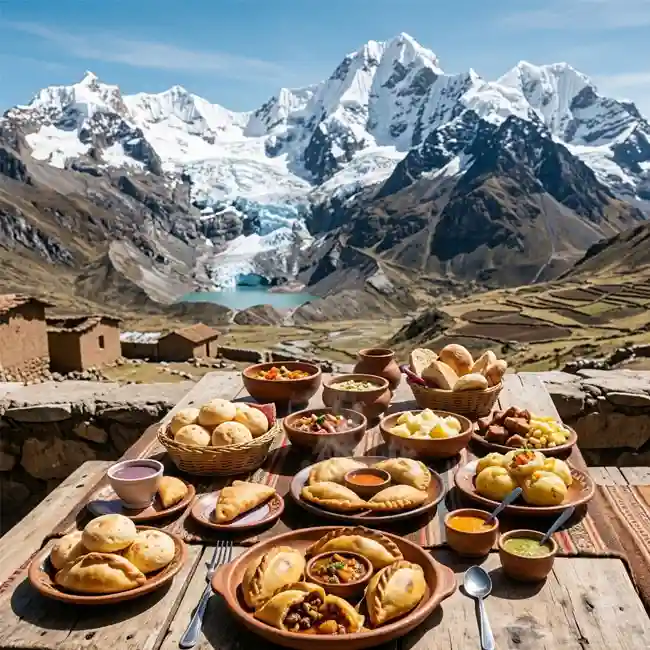
Let’s be real — if you think Bolivian food starts and ends with quinoa, you’re missing out on a whole world of flavor. Bolivia’s appetizer game is wild, colorful, and totally underrated. We’re talking crispy, cheesy, spicy, and soul-warming bites that locals grab on street corners, in buzzing markets, and at family gatherings high up in the Andes. This isn’t fancy fine dining. This is food that tells you stories about the mountains, the valleys, the salt flats, and the people who call them home.
So grab a seat, pretend you’re in a packed mercado in La Paz with the smell of fried dough and ají sauce in the air, and let’s dig into the most authentic, iconic, and downright irresistible Bolivian appetizers you need to know about.
🇧🇴 🥪 Bolivia’s Food Culture: More Than Just a Meal, It’s a Way of Life
Bolivian food doesn’t mess around. At 3,600+ meters above sea level in places like La Paz and Potosí, your body burns calories faster and craves hearty, carb-loaded comfort. Add in the 36+ indigenous groups, Spanish colonial influence, and crazy geography that swings from Amazon jungle to Altiplano desert, and you get a food culture that’s all about survival, celebration, and sharing.
Appetizers here are called bocaditos or antojitos — literally “little cravings.” But they’re not just pre-dinner fluff. In Bolivia, appetizers are social glue. You eat them at 10am with a fresh juice after the market run, at 4pm for té de la tarde, or at midnight after dancing. They’re fuel for farmers, miners, students, and abuelitas alike.
The vibe? Communal, loud, and generous. Food is passed around, eaten with your hands, and always paired with llajua — that addictive tomato-locoto pepper salsa that Bolivians put on everything. No llajua, no party.
And here’s the coolest part: every region has its own appetizer personality. The highlands go for potatoes, corn, and cheese. The valleys love baked pastries and meat. The lowlands bring in yuca, plantain, and Amazon flavors. You can literally eat your way through Bolivia’s map, one bite at a time.
🏔️ Iconic Bolivian Appetizers You’ll Daydream About
These aren’t your average chips-and-dip. Bolivian starters are meals in miniature, packed with history and altitude.
🇧🇴 Salteñas: Bolivia’s Juicy Handheld Legend
If Bolivia had a national appetizer mascot, it would be the salteña. Don’t you dare call it an empanada — Bolivians will correct you. Salteñas are baked, not fried, with a slightly sweet, golden crust and a soupy, stew-like filling that explodes with flavor when you bite in.
The secret? You eat them at 10am and you eat them standing up, holding the tip and biting the top corner first to slurp the juices. No plates. No shame. The classic filling is beef, chicken, or pork mixed with potatoes, peas, olives, egg, and a slightly sweet-spicy jigote sauce. But the real magic is the gelatin in the filling that melts when baked, so it’s like a dumpling and soup in one.
Where it’s from: Sucre and Potosí claim it, but La Paz perfected the street version. You’ll see vendors yelling “¡Salteñas, salteñaaaas!” from 8am until they sell out by noon. Pro tip: Tuesday is salteña day in many cities. It’s a thing.
Vibe check: Sweet, savory, messy, and totally addictive. One is never enough.
🍢 Anticuchos de Corazón: Street Food With Soul
Anticuchos are skewers, and in Bolivia, the most iconic version is made from beef heart. Before you cringe — this is melt-in-your-mouth tender when done right. Marinated overnight in vinegar, garlic, cumin, and ají panca, then grilled over charcoal until slightly charred and served with a boiled potato and a killer peanut-ají sauce.
Where it’s from: Anticuchos are pure Andean street food, born from resourcefulness. Nothing goes to waste in Bolivian kitchens. You’ll find them at night markets in La Paz, especially around Plaza San Francisco, where the grill smoke becomes part of the city’s evening perfume.
How locals eat it: Standing around the anticuchera’s cart, plate in one hand, juggling the skewer with the other, burning your tongue because you can’t wait. It’s not a starter — it’s a whole mood.
🧀 Papas Rellenas: The Ultimate Comfort Bomb
Imagine mashed potato dough, stuffed with seasoned beef, boiled egg, olives, and raisins, then breaded and deep-fried until golden. That’s papa rellena. It’s like a Bolivian croquette but 10x heartier.
Roots: Brought by Spanish influence but made 100% Bolivian with local potatoes — Bolivia has 200+ native potato varieties. Yes, 200. The high-altitude papa is starchier and perfect for holding a filling.
Where to hunt it: Mercados in Cochabamba and Santa Cruz. Usually sold with a side of salsa criolla or llajua. Best eaten when it’s raining and you need a hug in food form.
🧆 Humintas: Sweet Corn’s Gift to the Andes
Humintas are Bolivia’s answer to a tamale, but sweeter and cheesier. Fresh corn is ground into a paste, mixed with anise seed, cinnamon, sugar, and chunks of queso fresco, then wrapped in corn husks and steamed or baked.
Two styles: Huminta a la olla is steamed and soft like pudding. Huminta al horno is baked and slightly crusty. Both are insane with a cup of api, a hot purple corn drink.
Region love: You’ll find the best humintas in the valleys — Cochabamba, Tarija, and Sucre — where corn grows sweet and people take their afternoon té seriously. Grandmas sell them from baskets at bus terminals.
🧀 Tucumanas: Salteña’s Fried Rebel Cousin
Think of tucumanas as the crispy, rebellious sister of salteñas. Same juicy concept, but the dough is thinner and they’re deep-fried to golden perfection. The filling is usually spicier, and they’re always served with pickled veggies and llajua.
Origin story: Named after Tucumán, Argentina, but Bolivians made them their own. El Alto and La Paz are tucumana central — you’ll see lines forming at 9am outside famous spots like Tucumanas Populares.
Local hack: Bolivians crack the top, pour in extra llajua, and eat it like a spicy soup bowl. It’s an art form.
🥔 Chuño Phuti con Queso: High-Altitude Power Snack
This one is pure Altiplano. Chuño is freeze-dried potato — a 1,000-year-old Inca preservation trick. Phuti means it’s rehydrated and sautéed with eggs and fresh cheese. It’s earthy, salty, and super filling.
Cultural weight: Chuño isn’t just food; it’s survival. Farmers in the high plains rely on it during winter. Served as an appetizer, it’s usually topped with fried cheese and a splash of llajua. Not touristy, not fancy — just real Bolivian home cooking.
Where to try: La Paz and Oruro, especially during festivals like Alasitas or Carnaval. If you want to eat like a local miner, this is it.
🍴 Appetizers & Travel: Eating Your Way Through Bolivia’s Regions
Bolivia’s geography is basically three countries in one, and the appetizers prove it. Your food tour changes with the altitude.
🏙️ ⛰️ La Paz & El Alto: Street Food Heaven at 4,000m
La Paz is chaos in the best way. The steep streets are lined with caseritas — women vendors who run the food scene. For appetizers, hit Mercado Lanza or Calle Sagárnaga at night. Must-tries: anticuchos, tucumanas, relleno de papa, and sandwich de chola — pork leg, pickled veggies, and llajua in a bun.
Travel tip: The Teleférico cable car gives you insane views, and every station has food stalls at the bottom. Ride, snack, repeat. Altitude tip: Eat light your first day. Salteñas at 10am hit different when you’re adjusting to the air.
🏞️ Cochabamba: Bolivia’s Garden & Culinary Capital
Locals say “En Cochabamba se come bien” — in Cochabamba, you eat well. The valley climate means amazing produce and a serious baked-goods culture. Appetizer stars: sillpancho miniatures, chicharrón de pollo bites, and the best humintas in the country.
Food + travel: Visit La Cancha, Bolivia’s largest open-air market. Go hungry. The piqueo macho platter is technically a main, but you’ll see families ordering it to share as a starter. Cochabamba is also the gateway to Toro Toro National Park, so fuel up on appetizers before hiking dinosaurs tracks.
🌴 Santa Cruz: Tropical Bites From the Lowlands
Welcome to the Amazon side of Bolivia. Santa Cruz is hot, humid, and the food gets tropical. Appetizers here swap potatoes for yuca and plantain. Look for masaco — mashed plantain or yuca with charque beef, served in small balls. Also sonso de yuca — yuca and cheese grilled on a stick.
Vibe: Santa Cruz is modern and sprawling, but the appetizer scene is still all about street corners and merienda at 5pm. Pair your snacks with mocochinchi — dried peach drink — and you’re golden. After, you can hit Amboró National Park for wildlife.
🌵 Uyuni & Potosí: Salt Flat Fuel
Heading to the Salar de Uyuni? You’ll need carbs. This region is all about quinoa, lama meat, and chuño. Appetizers are simple but powerful: llauchas — cheesy, spicy pastries sold hot at bus terminals in Potosí — and quinoa croquettes.
Travel must: Buy llauchas before your 3am salt flat sunrise tour. Thank me later when you’re freezing at 5,000m and that cheesy lava hits your soul.
🌞 Tarija: Wine Country Meets Comfort Food
Tarija is Bolivia’s valley wine region, but since we’re skipping alcohol, focus on the food. The climate is perfect for grapes, peaches, and empanadas tarijeñas — baked, filled with cheese and often served as appetizers at bodegas. Also try rosquetes — sweet, ring-shaped biscuits — with api for afternoon tea.
Why go: Tarija is chill, sunny, and full of chacarera music. The appetizers here feel like grandma’s house. Don’t miss the Mercado Central for humintas and tamales.
👨👩👧👦 The Bolivian Way: How Appetizers Bring People Together
In Bolivia, appetizers aren’t just food — they’re an excuse to pause. Salteñada mornings are a social ritual. Colleagues duck out of the office at 10am together. Families buy a dozen salteñas on Sunday and eat them in the plaza.
During Carnaval de Oruro or Gran Poder in La Paz, street vendors feed thousands of dancers with anticuchos and papas rellenas. At Todos Santos in November, families head to cemeteries with tantawawas — bread babies — and share humintas to honor loved ones.
And the portions? Always made to share. Order one anticucho and the vendor gives you two potatoes because “para que no te quedes con hambre” — so you don’t stay hungry. That’s Bolivian hospitality.
🛍️ Where to Find Authentic Bolivian Appetizers Without Getting Lost
1.Mercados Municipales: Every city has one. Mercado Lanza in La Paz, La Cancha in Cochabamba, Mercado Los Pozos in Santa Cruz. Follow the longest line.
2.Street Carts at Night: Look for smoke and a crowd after 6pm. If locals are waiting, it’s legit.
3.Bus Terminals: Terminal de Buses La Paz and Cochabamba are low-key foodie hubs. Llauchas, tucumanas, and api before a trip = tradition.
4.Festivals: Alasitas in January, Fiesta del Gran Poder in May/June. Food stalls = appetizer paradise.
5.Neighborhood Pensión: Tiny family restaurants serve almuerzo, but many sell salteñas and humintas in the morning. Ask “¿Tienen salteñas?”
Pro tips for travelers: Carry small bills — most vendors don’t have change. Learn “sin picante, por favor” if you can’t handle llajua. And never, ever eat a salteña with a fork. You’ll get the side-eye.
💚 Why Bolivian Appetizers Deserve a Spot on Your Foodie Bucket List
Bolivia doesn’t get the hype Peru or Mexico does, and honestly, that’s part of the charm. The appetizers here aren’t watered down for tourists. They’re real, regional, and deeply tied to altitude, history, and indigenous roots.
You taste Inca preservation in the chuño. You taste Spanish influence in the baked pastries. You taste Aymara and Quechua culture in the ají and corn. And you taste pure Andean hustle in every street cart that’s been in the same family for 40 years.
So next time someone says South American food, don’t just say ceviche. Say salteñas. Say anticuchos. Say humintas. Bolivia’s appetizer scene is a must-try for anyone who believes the best food isn’t on white tablecloths — it’s on the street, wrapped in paper, eaten with your hands, and shared with strangers who feel like friends after one bite.
❔❓ FAQ
Q1. What is the most popular appetizer in Bolivia?
Salteñas win by a landslide. These juicy, baked pastries filled with meat, potatoes, and savory-sweet broth are eaten mid-morning across Bolivia. Locals line up daily, and it’s the ultimate grab-and-go bite you have to eat standing up.
Q2. Are Bolivian appetizers very spicy?
They can be, but you control the heat. Most appetizers like tucumanas, anticuchos, and papas rellenas are served with llajua, a spicy tomato and locoto pepper sauce on the side. Ask for sin picante if you want it mild, or go wild if you love heat.
Q3. Where can I try authentic Bolivian appetizers as a tourist?
Head straight to local mercados like Mercado Lanza in La Paz or La Cancha in Cochabamba. Street carts around plazas at night are also goldmines. For the most authentic experience, eat where locals line up — and don’t be shy about pointing at what looks good.
🥪 These 3 Bolivian Low-Carb Appetizers Will Change Your Snack Game
👉 Unlock 3 Low-Carb Bolivian Secret Appetizers
| 🌐 🥪 < Back | Next > 🍝 🇧🇴 |