
🏠 Home > 🗺️ Recipes > 🍞 Breads > 🇻🇳 Vietnam Breads
🇻🇳 🍞 Vietnam Breads Recipes
Published by Supakorn | Updated: February 2026
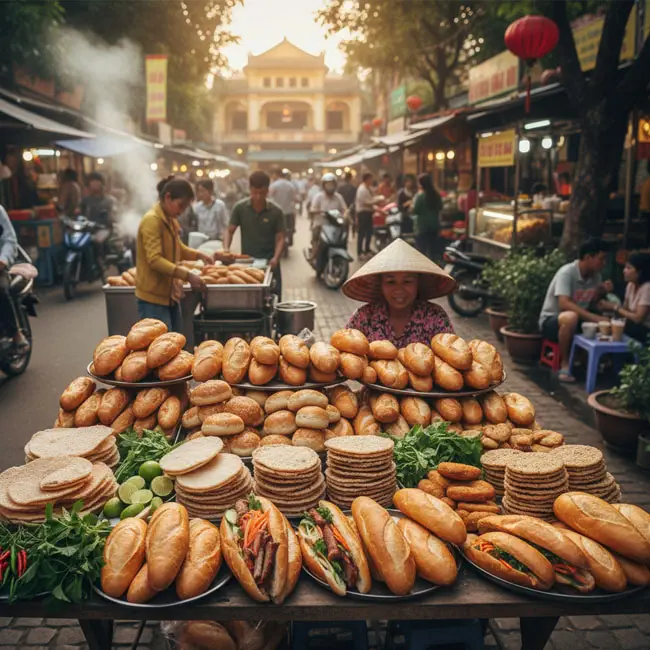
🥖 🥨 The French-Vietnamese Fusion: Baking the Perfect Bánh Mì Baguette
🇻🇳 ✨ An Introduction to Vietnam’s Unique Bread Culture
Hello there, fellow home bakers and carb lovers! When you think of Vietnamese food, you probably picture a steaming bowl of Phở or a fresh Gỏi Cuốn spring roll. But the unsung hero—the foundation of one of the world's best sandwiches—is the Bánh Mì roll.
Vietnamese bread culture is a fascinating study in culinary fusion. Unlike many other Asian countries that rely almost exclusively on rice or steamed buns, Vietnam’s love affair with the baguette is a direct result of French colonial influence. However, the Vietnamese didn't just copy the French loaf; they revolutionized it. They took the tough, dense French baguette and adapted it to their tropical climate, local ingredients, and fast-paced street food culture. The result? Something entirely unique: a bread that is impossibly airy, feather-light on the inside, and shatteringly crisp on the outside.
This bread is essential not just for the famous sandwich, but for many other delicious street foods and family meals. Making these Vietnamese bread recipes at home might seem intimidating, but once you understand the simple tricks to achieving that signature texture, your kitchen will never be the same. Let's dive into the recipes and the stories that make Vietnamese bread a global obsession!
🥐 🌬️ Mastering the Icon: The Authentic Bánh Mì Roll
🥖 ☁️ The Secret to the Crispy-Light Texture
The Bánh Mì roll (bánh mì) is the cornerstone of Vietnamese bread-making. This isn't your average thick, chewy French loaf; it's short, wide, and designed to absorb the rich, savory fillings of a sandwich without feeling heavy or making your jaw ache. If you've ever wondered how to bake bánh mì that sounds like a thousand tiny mirrors breaking when you bite into it, it all comes down to the science of the dough.
To achieve that iconic crackly crust and airy interior, you need to understand the "Vietnamese Secret" that French bread usually skips: Rice Flour.
1.The Flour Blend: The perfect (Bánh Mì) dough uses a blend of wheat flour and about 10-20% rice flour. Rice flour has no gluten, which means it dilutes the wheat's gluten structure. This prevents the dough from becoming too "bready" or dense, creating that light, open crumb we all love.
2.The Hydration: The dough must be relatively wet. High hydration is the key to steam. When that water turns to steam in the oven, it creates those beautiful air pockets that make the bread feel like it’s floating.
3.The Glaze and Steam: For the super-thin, brittle shell, baking with steam is non-negotiable. Many home bakers place a pan of water at the bottom of the oven or spray the loaves with a fine mist of water. This allows the crust to expand fully before it sets, resulting in a shell so thin it almost shatters when pressed.
🧤 💡 Baking Tips for the "Bestie" Baker
• The Tap Test: A fully baked Bánh Mì roll should feel incredibly light in your hand—almost like it’s hollow. When you tap the bottom, it should sound like a drum.
• Proofing Secrets: Unlike European sourdoughs that take days, Vietnamese bread is often proofed quickly in warm, humid environments. This keeps the flavor "clean" and allows the yeast to provide maximum lift for that airy texture.
• The Aroma: There is nothing quite like the smell of a fresh batch of Vietnamese baguettes coming out of the oven. It’s sweet, yeasty, and slightly nutty from the rice flour.
🥟 🍃 Beyond the Baguette: Regional Steamed and Savory Breads
While the world knows the baguette, Vietnam's bread basket is overflowing with other savory and steamed specialties. These "breads" often bridge the gap between a snack, a cake, and a meal.
🍙 🔺 Bánh Giò (Pyramid Rice Dumplings)
Bánh Giò is a delicious, savory steamed "bread" or dumpling that is a staple of Hanoi breakfast culture. It’s not baked in an oven; instead, it's a silky, delicate dough made from rice flour and tapioca starch. The dough is mixed with water and a bit of oil to create a texture that is almost custard-like.
This soft dough encases a savory filling of ground pork, wood ear mushrooms, and shallots. Wrapped in a banana leaf in a distinctive pyramid shape, it is steamed until the flavors of the leaf infuse the dough. When you unwrap it, the dough is incredibly tender—it’s comfort food you can eat with a spoon!
🥟 💎 Bánh Bột Lọc (Clear Tapioca Dumplings)
If you find yourself in the central region of Hue, you’ll encounter Bánh Bột Lọc. These are often considered the "chewy bread" of the region. Made entirely from tapioca starch, they become transparent when steamed, revealing a bright orange shrimp and a small piece of caramelized pork fat inside. They are chewy, gelatinous, and addictive, especially when dipped in a spicy, sweet chili fish sauce.
🥯 ☁️ Bánh Bao (Vietnamese Steamed Pork Buns)
Though inspired by Chinese Baozi, the Vietnamese Bánh Bao has its own personality. The dough is usually whiter and fluffier, often achieved by using a bit of milk and vinegar in the steaming water. Inside, you’ll find a treasure chest: seasoned pork, a slice of Chinese sausage, and—the signature Vietnamese touch—a whole boiled quail egg. It’s the ultimate warm, handheld snack for a cool morning.
🥗 🥖 The Living Culture: How Bread Fits into Daily Life
🛵 🏙️ The Street Food Symphony
In Vietnam, bread isn't something you just buy at a grocery store in a plastic bag. It’s a living part of the street.
• The Morning Rush: You'll see vendors on every corner with carts full of fresh, warm rolls. The "Bánh Mì" lady is a neighborhood celebrity, quickly slicing bread and layering pâté, mayo, and pickles with lightning speed.
• The "Dip" Culture: Bread isn't always a sandwich! One of the most classic ways to eat banh mi bread is Bánh Mì Chấm—simply dipping the warm, crispy bread into sweetened condensed milk for breakfast, or using it to scoop up the rich, coconut-heavy gravy of a Vietnamese chicken curry (Cà Ri Gà).
• Afternoon Snacks: Steamed breads like Bánh Bao are kept warm in glass steamers, ready to be handed to commuters on motorbikes. It’s the original "fast food," but made with fresh, whole ingredients.
🏘️ 👨👩👧👦 Family Traditions
In a Vietnamese household, bread is often the "bridge" between meals. It’s what you eat when you’re not quite ready for a full rice meal. It’s also a common gift—bringing a bag of warm, fresh baguettes to a friend’s house is a simple but deeply appreciated gesture of care.
🌿 🍱 Why Vietnamese Breads are a Must-Try for Home Bakers
If you’re a hobbyist baker, easy bread recipes from Vietnam offer a refreshing break from heavy, whole-grain loaves. Here’s why you should add them to your repertoire:
1.Texture Mastery: You will learn how to play with different starches (rice, tapioca, wheat) to create textures you won't find in Western baking.
2.Affordable Ingredients: Most of these breads rely on simple pantry staples like rice, flour, and yeast. You don't need expensive equipment—just a hot oven and a bit of steam!
3.Versatility: Once you master the bánh mì recipe, you can use it for everything from sliders to garlic bread. The light texture makes it the perfect vessel for any flavor profile.
4.Cultural Connection: Every time you wrap a Bánh Giò in a banana leaf or score a baguette, you are connecting with a history of resilience and creativity.
🥢 💡 Pro-Tips for the Perfect Vietnamese Bake
To make sure your Vietnamese baguettes and steamed cakes turn out like the ones in the photos, keep these "bestie" tips in mind:
• Watch the Humidity: If you live in a very dry climate, you might need extra steam in your oven. A spray bottle is your best friend!
• Don't Over-Knead: For Bánh Mì, you want a light touch. Over-developing the gluten will lead to a chewy bread rather than a crispy, airy one.
• Banana Leaf Prep: If you’re making Bánh Giò, briefly wilt your banana leaves over a flame or in hot water. This makes them pliable so they won't crack when you're folding your pyramids.
• Freshness is Everything: Vietnamese bread is best eaten within hours of baking. Because it’s so light and has no preservatives, it can go stale quickly. If it does, just pop it back in a hot oven for 2 minutes to revive the crunch!
🥣 🥗 The Perfect Pairings: What to Eat with Your Bread
Now that you've baked the perfect loaf, what do you do with it?
• The Classic Bánh Mì: Layer with pork pâté, cucumber spears, pickled carrots and daikon, cilantro, and a dash of soy sauce.
• The Stew Scoop: Use your bread to mop up the juices of Bò Kho (Vietnamese Beef Stew). The airy crumb is like a sponge for the aromatic lemongrass and star anise broth.
• The Sweet Treat: Slice the bread, toast it, and drizzle with condensed milk. It’s the ultimate "bestie" snack for a movie night!
🥟 🍲 Final Thoughts: Your Vietnamese Bakery Awaits!
Diving into these Vietnamese bread recipes is an adventure in textures and history. You'll move from the airy, crispy crunch of the Bánh Mì to the delicate, melt-in-your-mouth silkiness of the Bánh Giò. It’s a journey that teaches you how to balance the influence of the West with the soul of the East.
These breads are more than just simple starches; they are the heart of Vietnamese hospitality. So, fire up your oven, get your steamer ready, and let the incredible aroma of fresh bread fill your home!
❓ 🙋♀️ FAQ: Your Bread Questions Answered
Q1: What makes the Vietnamese Bánh Mì roll different from a French baguette?
A: The Vietnamese version is much lighter and has a thinner, "crackly" crust. This is achieved by adding rice flour to the dough, which lowers the gluten content, and using lots of steam during the baking process to keep the crust delicate.
Q2: Can I make Bánh Mì without rice flour?
A: You can use 100% wheat flour, but the result will be more like a traditional sub roll—heavier and chewier. To get that authentic "shatter" when you bite in, the rice flour is the secret ingredient you really shouldn't skip!
Q3: Why did my steamed buns (Bánh Bao) turn yellow instead of white?
A: This is a common baker’s struggle! Usually, it’s caused by the type of flour or the pH of the water. Using bleached cake flour and adding a teaspoon of white vinegar to your steaming water can help keep them blindingly white.
Q4: Is Bánh Giò gluten-free?
A: Yes! Since it’s made from rice flour and tapioca starch, it’s naturally gluten-free. Just make sure your soy sauce (if used in the filling) is a gluten-free version.
Q5: How do I store leftover Bánh Mì rolls?
A: The best way is to freeze them in an airtight bag as soon as they cool. When you're ready to eat, don't thaw them—just put them straight into a 350°F (175°C) oven for about 5-8 minutes until they are crispy again.
🍞 Homemade Vietnamese Breads: Bánh Mì, Bánh Bao, and Bánh Giò Recipes
👉 Experience 3 Authentic Breads
| 🌐 🍞 < Back | 🇻🇳 🥗 < Previous | Next > 🍱 🇻🇳 |