
🏠 Home > 🗺️ Recipes > 🍷 Drinks > 🇻🇪 Venezuela Drinks
🇻🇪 🍷 Venezuela Drinks Recipes
Published by Supakorn | Updated: June 2026
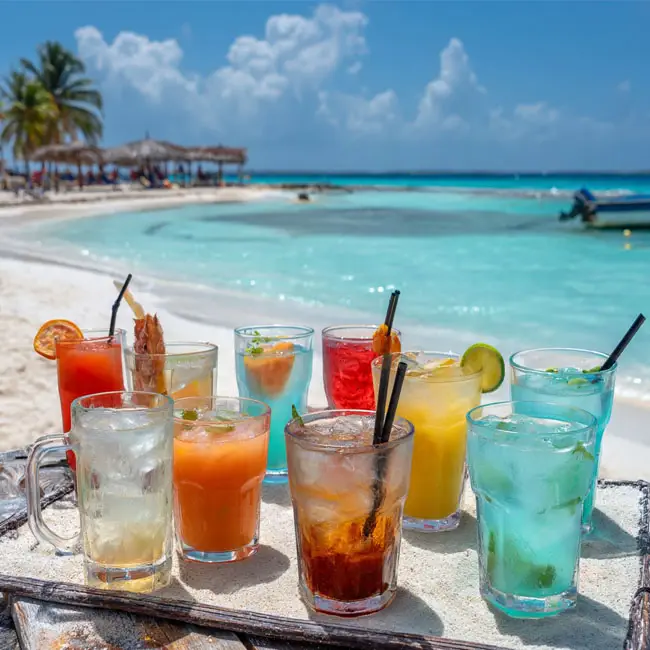
🇻🇪 🍷 Why Venezuela’s Drink Culture Feels Like a Warm Hug From the Tropics
Let’s be real — when you think of Venezuela, you probably picture Angel Falls, arepas, or joropo dancing. But here’s the thing: Venezuelan drinks are just as much a part of the country’s soul. They’re colorful, bold, and totally tied to how people live, celebrate, and cool down under that Caribbean sun.
Venezuela’s food and drink scene is all about sabor casero — that homemade, from-the-heart flavor. Every region has its own go-to sip that tells a story about the land, the weather, and the people. We’re talking drinks that show up at family breakfasts, beach trips to Los Roques, hikes in the Andes, and street corners in Caracas. No alcohol needed. These are everyday refreshments that feel like tradition in a cup.
What makes Venezuelan drinks stand out? Three things:
◦ Fresh tropical fruit is king. Mango, passion fruit, guava, pineapple, coconut — if it grows there, it’s probably in a drink.
◦ It’s about sharing. Drinks are rarely solo. They’re passed around at gatherings, sold by street vendors, and served with a smile.
◦ They match the climate. Hot and humid coast? You’ll get icy, sweet blends. Cooler Andean towns? Think warm, creamy, and comforting.
So if you’re planning a trip, diving into Latin food culture, or just want to sip something new, these Venezuelan drinks are your perfect starting point. No passports or recipes needed yet — just a good story and a thirst for something authentic.
🗺️🧃 The Most Iconic Venezuela Drinks You’ll Find From Coast to Mountains
Venezuela’s geography is wild — beaches, plains, jungles, and Andean peaks all in one country. And guess what? The drinks change with the map. Here’s how locals sip their way across Venezuela, region by region.
🏖️ Coastal & Caribbean Favorites — Sweet, Fruity, and Made for Sunshine
The coast of Venezuela is hot, breezy, and all about fresh fruit. Life moves slower here, and drinks are designed to keep you cool.
◦ Papelón con Limón: This is the national refresher. Papelón is raw, unrefined cane sugar pressed into a hard brown block. Grate it, dissolve it in water, add a squeeze of lime, and pour over ice. It’s sweet, tangy, and everywhere — from Caracas lunch spots to beach kiosks in Choroní. Think of it as Venezuela’s answer to lemonade, but with deeper caramel notes.
◦ Batidos: Venezuelans love their batidos, aka fruit smoothies. But they’re simpler than what you’d get at a US juice bar. Fresh fruit, water or milk, a bit of sugar, blended and served cold. Top flavors? Lechoza (papaya), mango, guanábana (soursop), and parchita (passion fruit). You’ll see street carts blending them to order in Maracaibo and Valencia.
◦ Agua de Coco: Straight from the coconut, no frills. Vendors chop the top off a green coconut with a machete and hand you a straw. Salty-sweet, hydrating, and perfect after a swim in Morrocoy National Park. It’s less a “recipe” and more a way of life on the coast.
◦ Chicha Venezolana: Not the fermented corn version from the Andes. This chicha is thick, creamy, and rice-based. It’s like a drinkable rice pudding — milky, sweet, cinnamon-dusted, and served ice cold. Kids love it, adults crave it, and you’ll find it at street stalls with a swirl of condensed milk on top. Major comfort drink vibes.
🏔️ Andean Mountain Sips — Creamy, Warm, and Comforting
Head up to Mérida or Táchira and the vibe shifts. It’s cooler, so drinks get heartier. Andean Venezuelans are big on dairy and warmth.
◦ Chocolate Caliente Andino: This isn’t your average hot chocolate. In the Andes, it’s often made with raw cacao tablets, milk, and sometimes cheese. Yes, cheese. Locals drop a bit of salty white cheese into the hot drink and let it get melty. You sip the chocolate and scoop the cheese. It sounds weird, but in cold mountain towns, it’s pure comfort.
◦ Avena Caliente: A thick, warm oatmeal drink. It’s sweet, creamy, cinnamon-spiced, and usually sold in the morning by street vendors. Think of it as breakfast you can drink. Students grab it before class, workers buy it on the way to their shift. It sticks with you during chilly Andean mornings.
◦ Fororo: This one’s old-school. Fororo is a toasted corn flour drink, served warm with milk and sugar. It’s earthy, filling, and super traditional in rural Andean communities. Campesinos — farmers — have been drinking it for generations because it’s nutritious and energizing.
🌆 City Street & Everyday Go-To Drinks You’ll See in Caracas and Beyond
Cities like Caracas, Barquisimeto, and Maracay mix all the regional styles. Here’s what people grab daily.
◦ Malta: Okay, technically it’s a malted soft drink, but it’s iconic. Dark, slightly sweet, fizzy, and caffeine-free. Venezuelans drink it with meals, especially with arepas or empanadas. It’s so popular that “¿Tienes malta?” is basically a normal question at any lunch counter.
◦ Frescolita: The red cream soda of Venezuela. It’s bubblegum-sweet, bright red, and totally nostalgic. Every Venezuelan kid grew up with Frescolita at birthday parties. It’s not a “health drink,” but it’s a cultural staple.
◦ Jugos Naturales: Walk past any lunch restaurant around noon and you’ll see big glass jars of “jugo del día.” Could be guava, pineapple, melon, or tamarind. Always natural, always cold, and usually included with your almuerzo ejecutivo lunch set.
◦ Tizana: This is fruit salad in a cup. Tons of chopped fruit — pineapple, grapes, apple, papaya — swimming in orange juice and grenadine. It’s sold in huge plastic cups with a spoon and straw. Perfect for sharing at parks or plazas. More like a snack-drink hybrid.
🍽️🥭 How Venezuelans Actually Drink — Food, Family, and Daily Life
Drinks in Venezuela aren’t just about thirst. They’re about rhythm, routine, and people.
◦ Breakfast isn’t breakfast without a drink. Arepas with cheese? Needs a café con leche or an avena caliente. Empanadas at a street stand? Wash it down with a batido de lechoza or papelón con limón. Morning drinks set the tone.
◦ Lunch is the main meal, and jugo is mandatory. Most restaurants serve a set lunch with soup, a main, and a natural juice. You don’t really order water — you order “jugo de parchita” or “jugo de guayaba.” It’s part of the deal.
◦ Street vendors are the real MVPs. The best chicha or tizana doesn’t come from a café. It comes from the lady with the cart on the corner who’s been doing it for 20 years. Her recipe is probably a family secret.
◦ Drinks mark the occasion. Visiting grandma? She’ll offer you jugo or chicha. Hot day at the beach? Agua de coco. Kid’s birthday party? Frescolita all around. The drink matches the moment.
◦ It’s always shared. Tizana comes in a giant cup with two straws. Batidos are made in big blenders. Even papelón con limón is often made by the pitcher. Eating and drinking alone isn’t really the Venezuelan way.
✈️🌎 Sipping Your Way Through Venezuela — Drinks That Define the Destination
If you’re traveling through Venezuela, use these drinks as your edible — well, drinkable — map.
◦ In Caracas: Start your day with café con leche and empanadas from a street stall. For lunch, grab arepas with a cold malta or jugo de guanábana. At sunset in El Hatillo, find a vendor selling chicha with extra condensed milk.
◦ In Mérida: Warm up with chocolate caliente and cheese in the main plaza. Hike the páramo, then refuel with fororo or avena from a market stall. The cold mountain air makes every warm sip better.
◦ On Margarita Island: It’s all about beach vibes. Agua de coco right on the sand, papelón con limón at a beach shack, and mango batidos after swimming. Fresh fruit is king here.
◦ In Los Llanos: The plains are hot and cattle country. Locals cool down with huge jars of papelón con limón or tamarind juice. Everything is bigger, bolder, and made to beat the heat.
◦ In Canaima & near Angel Falls: You’ll be deep in nature, and drinks are simple. Fresh-squeezed orange or pineapple juice, agua de coco, and maybe a chicha if you pass through a small town. It’s about pure, natural refreshment.
Travel tip: If you see a long line at a drink cart, join it. Venezuelans know where the good stuff is, and they’ll wait for it.
💡🌟 What Makes Venezuela’s Drink Culture So Irresistible?
Let’s wrap this up with the real secret sauce. It’s not just fruit or sugar. It’s the feeling.
◦ It’s resourceful. Papelón con limón came from using raw cane sugar when refined sugar was scarce. Fororo uses toasted corn. These drinks came from making the most of what the land gives.
◦ It’s colorful. Tizana looks like a rainbow. Frescolita is neon red. Mango batidos are sunset orange. Venezuelans eat and drink with their eyes first.
◦ It’s tied to memory. Ask any Venezuelan abroad what they miss, and “chicha” or “papelón” will come up in 2 seconds. These drinks are childhood, family, and home in liquid form.
◦ It’s evolving but rooted. You’ll now find batidos with chia seeds or tizana with less sugar. But the base is still the same — fruit, tradition, and sharing.
So whether you’re Venezuelan and homesick, a traveler planning your route, or just a food lover looking for your next obsession, these drinks are your invitation. They’re sweet, tangy, creamy, and 100% a taste of Venezuela’s heart.
No alcohol, no complicated backstory — just real people, real places, and really good sips.
⛔❓ FAQ: Your Top Venezuela Drinks Questions Answered
Q1.What’s the most popular non-alcoholic drink in Venezuela?
Papelón con limón wins by a landslide. It’s the go-to refresher across the whole country — cheap, easy to find, and loved by kids and adults. Think of it as Venezuela’s national drink without the alcohol.
Q2.Is Venezuelan chicha the same as other Latin American chichas?
Nope! Venezuelan chicha is usually a sweet, creamy, non-alcoholic rice-based drink served cold with cinnamon and condensed milk. In Peru or the Andes, chicha can be a fermented corn drink. Same name, totally different vibe.
Q3.Are Venezuelan fruit drinks usually made with water or milk?
Both! It depends on the fruit and region. Batido de lechoza (papaya) and batido de guanábana are often made with milk for creaminess. Parchita (passion fruit), tamarindo, and mango are usually made with water to keep them light and tangy.
Q4.Can I find these Venezuela drinks outside of Venezuela?
Yes — especially in cities with big Venezuelan communities like Miami, Madrid, Bogotá, and Panama City. Look for Venezuelan bakeries, arepera restaurants, or Latin markets. They’ll often have chicha, malta, papelón, and batidos ready to go.
🍷 Refresh Your Morning and Afternoon with Authentic Venezuelan Beverages
👉 Get 3 Authentic 5-Min Venezuelan Drinks!
| 🌐 🍷 < Back | 🇻🇪 🍨 < Previous | Next > 🍲 🇻🇪 |