
🏠 Home > 🗺️ Recipes > 🍨 Desserts > 🇻🇪 Venezuela Desserts
🇻🇪 🍨 Venezuela Desserts Recipes
Published by Supakorn | Updated: June 2026
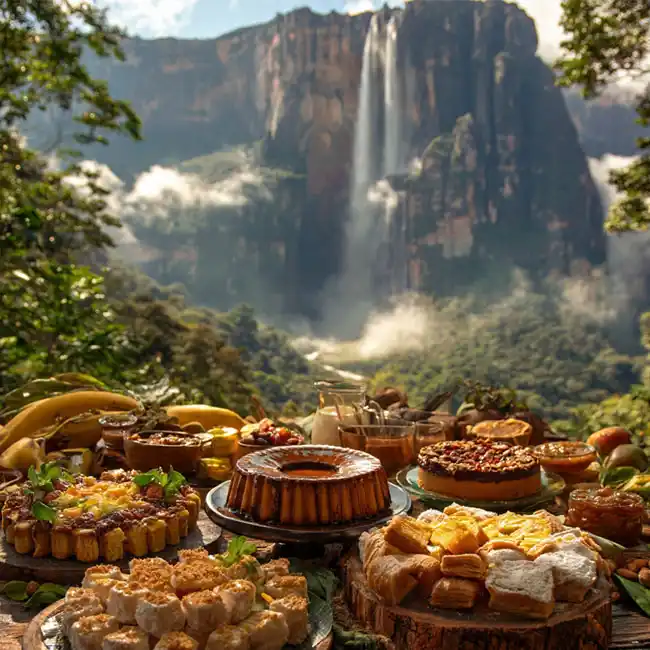
If you have ever wanted to truly understand a culture, skip the fancy museums for an afternoon and head straight to the nearest local bakery. Food tells a story, but dessert? Dessert reveals the soul.
When it comes to Venezuelan culinary identity, the sweet side of the kitchen is a spectacular, sun-drenched playground of tropical fruits, creamy textures, and unrefined cane sugars that have been perfected over centuries.
Venezuelan desserts are not just about satisfying a sugar craving; they are a warm, vibrant reflection of a complex history, an incredibly diverse landscape, and a way of life that finds any excuse to celebrate with loved ones. From the misty heights of the Andes to the breezy Caribbean coastline, every single treat carries a piece of the country's geographical and historical DNA.
🇻🇪 🍕 The Cultural Soul of Venezuelan Sweets
To appreciate these incredible flavors, you first have to understand the melting pot that created them. Long before European ships arrived on the coast, indigenous communities were already harvesting native ingredients like corn, fresh coconut, wild cacao, and cassava. They used these staples to create simple, comforting nourishments.
When Spanish colonizers and African laborers arrived, they brought new culinary traditions, sophisticated pastry techniques, and unique ingredients. The real magic happened inside colonial convents and household kitchens, where European techniques were adapted to match the lush, tropical bounty of the New World.
Instead of using traditional Mediterranean almonds, local cooks turned to the rich, milky flesh of fresh coconuts. In place of highly refined white sugar, they utilized papelón (unrefined, concentrated sugar cane juice blocks), which infuses sweets with a deep, complex flavor reminiscent of molasses and honey.
This historic fusion created a completely unique pastry identity that is simultaneously earthy, deeply comforting, and unapologetically tropical.
🇻🇪 🍮 The Lifestyle: Sweetness as a Daily Ritual
In Venezuela, enjoying something sweet is far more than a post-dinner afterthought—it is a daily ritual woven tightly into the social fabric of everyday life. If you walk into a local home, you will immediately notice that hospitality is almost always measured in sugar.
• The Birthday Custom: You cannot talk about Venezuelan celebrations without mentioning the birthday table. It is an unwritten law that a traditional birthday cake can never stand alone; it must always be accompanied by a chilled, shimmering custard to balance out the textures.
• The "Merienda" Tradition: Late afternoon is a sacred time for the merienda (afternoon snack). As the heat of the midday sun begins to settle, friends and families gather to chat, gossip, and reconnect over a small sweet bite and a hot beverage.
• Holiday Nostrophy: Certain times of the year are fundamentally tied to specific flavors. The entire month of December, for instance, smells like slow-simmering green tropical fruits and warm spices, signaling that the festive season has officially arrived.
🇻🇪 🗺️ A Flavor Journey: Desserts by Region and Destination
Venezuela is a land of extreme geographic diversity, and its sweets change dramatically depending on the altitude, the temperature, and the local soil. Exploring the dessert menu is like taking a sensory road trip across the map.
🏔️ The Andean Highlands: Cool Air and Delicate Sugars
High up in the mist-covered Andes mountains, the climate is crisp and chilly. Here, the dessert traditions lean heavily toward delicate, beautifully preserved milk sweets and fruit jellies. Travelers exploring colonial mountain towns will often find colorful, sugar-coated milk candies originally crafted by nuns in ancient convents. Because the high altitude allows for excellent fruit preservation, the region is also famous for its thick, artisanal fruit pastes made from local guavas and wild berries.
🏖️ The Caribbean Coast: Coconut and Sun-Drenched Traditions
As you descend from the mountains toward the stunning northern coastline, the flavors shift instantly. The coastal food scene is entirely dominated by the coconut palm. Here, beach vendors and seaside kiosks serve up chewy, caramelized coconut treats that capture the essence of tropical summers. The air smells of toasted sugar, ocean salt, and fresh coconut water, offering a direct taste of the vibrant Afro-Caribbean heritage that thrives along the shore.
🏙️ Urban Centers and Rolling Plains: The Fusion of Old and New
In bustling cities like Caracas and across the vast central plains (Los Llanos), you find a beautiful intersection of ancient indigenous ingredients and cosmopolitan flair. Urban bakeries showcase elaborate layered cakes that require hours of meticulous preparation, right alongside humble, corn-based puddings that have been enjoyed since pre-Columbian times. It is a space where sophisticated culinary arts comfortably shake hands with rustic, rural comfort food.
🇻🇪 🏆 The Hall of Fame: Iconic Venezuelan Desserts You Must Try
While there are dozens of regional specialties worth discovering, a handful of sweets have achieved truly legendary status across the entire nation. These are the iconic creations you will find at almost every bakery, family gathering, and roadside stand.
• Quesillo: This is the undisputed king of Venezuelan desserts. While it looks visually similar to a European flan or crème caramel, it has a completely unique personality. The key difference lies in the texture: local bakers use whole eggs rather than just the yolks, and incorporate sweetened condensed milk. This creates a beautifully light, silky custard filled with signature tiny air bubbles that resemble holes in Swiss cheese—hence the name quesillo (little cheese). It is always topped with a generous, glossy river of golden amber caramel.
• Bienmesabe: The name literally translates to "it tastes good to me," and it is an absolute understatement. Originating from Spanish roots but completely transformed by the Franciscan nuns of Caracas, this show-stopping dessert features layers of ultra-fluffy sponge cake soaked in a sweet syrup, slathered with a velvety coconut cream custard, and finished with a cloud of light meringue. It is rich, luxurious, and deeply rooted in the country's culinary history.
• Golfeados: Imagine a sticky cinnamon roll, but give it a brilliantly savory, tropical twist. These soft, pillowy, spiral-shaped pastries are filled with a mixture of grated unrefined brown sugar (papelón) and spiced heavily with aromatic star anise. Just before serving, they are baked until sticky and then topped with a thick slab of fresh, salty white cheese. The intense contrast between the molten, molasses-like sugar and the salty cheese is an absolute revelation.
• Majarete: A true legacy of Indigenous and African traditions, this velvety, comforting corn pudding is a staple during Lent and Easter. Made from a smooth base of tender corn flour and fresh coconut milk, it is gently sweetened with raw cane sugar and heavily dusted with ground cinnamon. It has a rustic, old-world texture that serves as a beautiful reminder of the country's agricultural roots.
• Dulce de Lechosa: This is the absolute taste of a Venezuelan Christmas. Months before the holidays, green, unripe papayas are harvested and carefully sliced into thin, translucent ribbons. The fruit is then slow-simmered for hours in a spiced syrup infused with raw brown sugar, cinnamon, and cloves until the strips become beautifully crystallized and glossy. It is traditionally stored in glass jars and shared as a heartfelt holiday gift among neighbors.
• Besitos de Coco: Meaning "coconut kisses," these are intensely chewy, dark, and fragrant coconut macaroons that date back to the early 1700s. They are made by mixing grated coconut with wheat flour and a deeply spiced cane sugar syrup. They are an absolute staple at roadside stalls, beachside paths, and local bus stations, making them the ultimate grab-and-go comfort snack.
• Polvorosas: These are delicate, crumbly shortbread cookies that quite literally turn to dust the moment they hit your tongue (the name comes from polvo, meaning dust). Made with a simple, traditional base of flour, sugar, and shortening, they are heavily scented with warm cinnamon and are the perfect companion to a late-afternoon hot drink.
🇻🇪 💡 What Makes These Desserts So Special?
The secret weapon of the Venezuelan pastry chef isn’t advanced kitchen technology or secret chemical additives—it is a deep reliance on the natural, unfiltered state of their ingredients.
By prioritizing unrefined sweeteners like papelón, they achieve a multi-layered flavor profile that refined white sugar simply cannot replicate. Furthermore, the brilliant culinary habit of pairing intensely sweet elements with sharp, salty local white cheeses creates a balanced flavor dynamic that keeps you coming back for a second bite without feeling overwhelmed by sugar.
It is a dessert philosophy built entirely on contrast: hot and cold, smooth and crumbly, sweet and salty.
🇻🇪 ❓ Frequently Asked Questions (FAQ)
Q1.What is the difference between Venezuelan Quesillo and standard Flan?
While they look identical at first glance, the secret is all in the texture and the ingredients. Standard European flan typically uses only egg yolks and regular milk, resulting in a dense, gelatinous, and ultra-smooth texture. Venezuelan Quesillo uses whole eggs and sweetened condensed milk. The air whipped into the whole eggs creates thousands of tiny pockets and pores throughout the custard, allowing it to soak up the caramel sauce like a sponge.
Q2.Why do so many Venezuelan desserts include cheese?
Venezuelans are deeply passionate about the balance of sweet and savory flavors. The country produces a wide variety of fresh, artisan white cheeses that are naturally high in salt and moisture. Pairing these salty cheeses with deeply sweet, molasses-flavored pastries (like Golfeados) creates a perfect culinary harmony that cuts through the heavy sweetness, enhancing the overall flavor experience.
Q3.Are Venezuelan desserts naturally gluten-free?
Many of the oldest, most traditional desserts are naturally gluten-free because they rely on ancient indigenous starches like corn flour, cassava (yuca), and fresh coconut rather than imported European wheat flour. Iconic treats like Majarete and various tropical fruit preserves in syrup are fantastic options for those avoiding gluten, though it is always wise to double-check modern bakery practices!
🍨 Easy Venezuelan Desserts You Can Make Without Turning On the Oven
👉 Try 3 Ultimate Fast Venezuelan Desserts!
| 🌐 🍨 < Back | 🇻🇪 🍝 < Previous | Next > 🍷 🇻🇪 |