
🏠 Home > 🗺️ Recipes > 🍲 Soups > 🇹🇻 Tuvalu Soups
🇹🇻 🍲 Tuvalu Soups Recipes
Published by Supakorn | Updated: June 2026
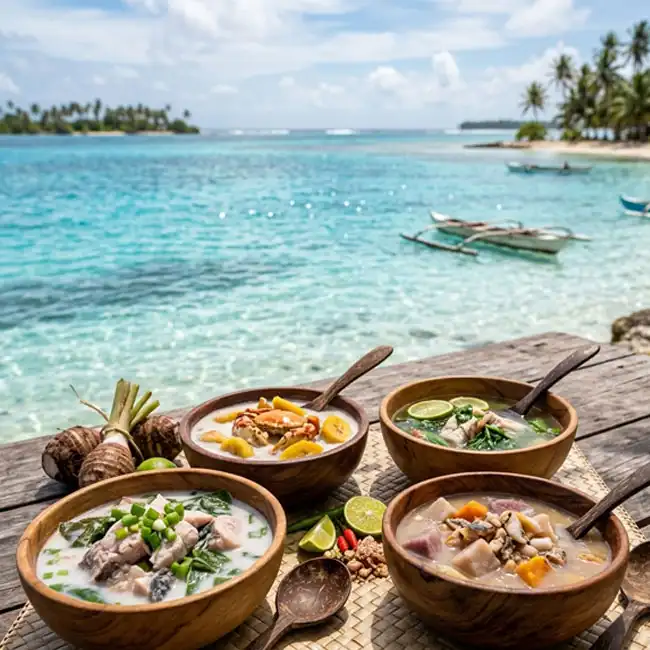
Hey there, fellow food lover! Have you ever closed your eyes and imagined what a remote, sun-kissed paradise in the middle of the South Pacific tastes like? If you are thinking about ultra-fresh seafood, creamy coconuts cracked open right by the reef, and warm, comforting broths that feel like a giant hug from a local grandmother, then you are thinking about Tuvalu.
Today, we are going on a virtual culinary journey to one of the smallest, most beautiful, and most isolated island nations on Earth. Tuvalu might be a tiny speck on the global map, but its food culture is massive, resilient, and deeply soulful. Specifically, we are diving deep into the world of Tuvalu soups—the ultimate comfort food that sustains this incredible atoll community. Grab a comfortable seat, and let’s explore the rich, steaming bowls of the South Pacific together!
🇹🇻 🥣 The Soul of Tuvaluan Food Culture
To truly understand why a warm bowl of soup matters so much in a tropical paradise, we have to look at how life works on these beautiful coral atolls. Tuvalu is a nation shaped entirely by the ocean. With limited land area and sandy coral soil that makes traditional large-scale farming tough, the local people have looked to the Pacific Ocean and their native trees for survival for thousands of years.
Food in Tuvalu isn’t just about fuel; it’s a beautiful celebration of community, resourcefulness, and sharing. Because resources can be scarce, absolutely nothing goes to waste. When a fisherman returns with a catch, the whole village knows about it, and the bounty is shared. Soups and stews became the perfect culinary solution for island life. They allow locals to stretch precious ingredients, tenderize fresh catches, and infuse simple starches with deep, rich flavors.
When you sit down to enjoy a meal in Tuvalu, you are participating in a communal ritual. Food is prepared with love, usually over open fires or in traditional earth ovens (umu), though modern kitchens are common now too. There is a beautiful, slow-paced mindfulness to how people cook here. It’s all about honoring the ingredients that nature provided that very day.
🌊 The Holy Trinity of Atoll Ingredients
Before we talk about the specific soup names that will make your mouth water, let’s chat about the core ingredients that give Tuvalu soups their iconic, irresistible personality. You won't find a million processed spices here. Instead, Tuvaluan cuisine relies on a handful of ultra-fresh, hyper-local staples that work beautifully together.
◦ The Mighty Coconut (Niu): If Tuvalu had a culinary king, it would undoubtedly be the coconut tree. Locals use coconut at every single stage of its life. For soups, the star of the show is lolo (thick, rich coconut cream) or fresh coconut milk squeezed by hand from grated mature coconut meat. It provides a velvety, sweet, and savory base that balances the saltiness of the ocean perfectly.
◦ The Fresh Catch of the Day: The waters surrounding Tuvalu are teeming with incredible marine life. We are talking about yellowfin tuna, skipjack, reef fish, red snapper, land crabs, and sweet lagoon clams. In Tuvalu, fish isn't something that sits in a supermarket freezer for weeks; it was likely swimming in the crystal-clear ocean just a few hours before it hit the soup pot.
◦ Pulaka and Taro: Since traditional grains like wheat or rice don't naturally grow on coral atolls, locals rely on hardy root crops. Pulaka (swamp taro) is a giant, starchy root crop grown in special pits dug into the coral rock. It has a unique, earthy flavor and a dense texture that acts like a sponge, soaking up all the delicious broth in a soup. Regular taro, breadfruit (mai), and green bananas are also tossed into bowls to add hearty weight to the meal.
🍲 Iconic Tuvalu Soups You Need to Know
While you might not find a Tuvaluan restaurant on every street corner in Western cities, the country boasts some truly incredible, comforting liquid dishes. Here are the standout, must-try soups and soupy stews that define the nation’s palate:
🐟 1. Te Lolo Ika (Fish in Rich Coconut Broth)
This is arguably the most famous comfort bowl in Tuvalu. It is a wonderfully simple yet luxurious dish where fresh chunks of reef fish or tuna are gently poached in a pool of pure, seasoned coconut cream. The fat from the coconut encapsulates the juices of the fish, keeping it incredibly tender, while local onions and a touch of sea salt create a broth that you will want to drink down to the very last drop.
🍠 2. Pulaka and Seafood Chowder
Think of this as the South Pacific's answer to the classic New England clam chowder, but way more vibrant. This hearty soup utilizes the earthy, dense chunks of pulaka that have been slow-cooked alongside whatever fresh shellfish or crab was gathered from the reef flats at low tide. The starch from the pulaka naturally thickens the broth, making it a thick, warming meal that satisfies the deepest hunger.
🍌 3. Sopo Mai (Green Banana and Fish Soup)
Don't let the idea of bananas in a savory soup surprise you! In Tuvalu, green, unripe bananas or plantains are treated exactly like potatoes. In Sopo Mai, these starchy green bananas are sliced up and boiled alongside fresh fish heads and bones to create a collagen-rich, deeply savory fish stock. It’s finished with a splash of coconut milk, offering a beautiful balance of savory fish flavor, creamy coconut, and mild, starchy comfort.
🦀 4. Tuluana Lagoon Soup
Named after traditional wooden bowls, this is a celebratory style of soup often prepared for community gatherings. It brings together an abundance of lagoon life—clams, sea snails, and chunks of firm white fish—simmered gently with taro leaves (palusami style) and diluted coconut water. It has a lighter, sweeter profile than the heavy cream-based soups, highlighting the natural sweetness of ultra-fresh seafood.
🏡 Daily Life, Dining Etiquette, and the Warmth of Fale
To truly appreciate Tuvalu soups, you have to understand the environment in which they are enjoyed. Life in Tuvalu moves to the rhythm of the ocean breeze and the heat of the sun. The concept of the rush hour doesn't exist here. Instead, life centers around the family home and the fale (traditional open-air houses with thatched roofs and no walls, allowing the cool sea breeze to circulate).
When it’s time to eat, family members gather on beautifully woven pandanus floor mats. Sitting cross-legged on the floor, sharing food from common platters or large bowls, is the traditional way to dine. It keeps everyone grounded, literally and figuratively, and fosters a deep sense of equality and connection.
If you are ever lucky enough to visit Tuvalu as a guest, you will be blown away by their hospitality. The local culture dictates that guests are always fed first and fed well. Even if a family has very little, they will happily harvest their best coconut and catch their finest fish to whip up a steaming pot of soup for a visitor.
Eating with your hands is very common for solid foods, but when a delicious, creamy soup is served, locals use coconut shells as natural bowls and spoons, or modern cutlery. It is polite to accept everything offered to you with a warm smile and a heartfelt "Fafetai" (Thank you). And here is a pro-tip from a friend: showing visible enjoyment and clearing your bowl is the ultimate compliment you can pay to the cook!
✈️ Culinary Tourism: Exploring Taste in the Atolls
Tuvalu is one of the least-visited countries in the world, which makes it an absolute dream destination for eco-travelers and culinary adventurers who want an authentic, completely unspoiled experience. There are no mega-resorts, fast-food chains, or crowded tourist traps here. Instead, you get pristine beauty and raw, genuine cultural immersion.
Most travelers arrive in the capital, Funafuti, an atoll that features a gorgeous, sweeping lagoon on one side and the rolling waves of the Pacific Ocean on the other. Food tourism here isn't about booking a table at a Michelin-starred establishment; it’s about wandering down to the local jetty or the small seaside guesthouses where local aunties cook up home-style meals.
Exploring the food scene in Funafuti means keeping your ears and eyes open. You can head down to the local markets or small roadside stalls in the cooler evening hours to find home-cooked Tuvalu soups served in eco-friendly containers. Better yet, booking a stay at a local homestay gives you a front-row seat to the culinary action. You can watch the fascinating process of grating coconuts using traditional wooden stools with metal teeth (tugi) and see how a simple pot of fish soup is transformed into magic right before your eyes.
Beyond the food, enjoying a warm bowl of soup while watching the spectacular South Pacific sunset over the Funafuti Lagoon is an unforgettable experience. The vibrant orange and pink hues of the sky mirror the warmth and richness of the broth in your bowl, creating a sensory memory that stays with you for a lifetime.
✨ The Modern Twist: Preservation Meets Innovation
Like everywhere else in our interconnected world, Tuvalu’s food scene is gently evolving. While the love for traditional food remains incredibly strong, modern times have introduced new ingredients like onions, garlic, carrots, and soy sauce to the island kitchens.
Local home cooks are incredibly creative. They have embraced these new additions, using them to add extra depth to their beloved ancestral recipes. For example, a modern version of Te Lolo Ika might feature a gentle sauté of garlic and ginger before the coconut milk is poured in, creating an aromatic fusion that bridges old-world Polynesian tradition with global flavors.
However, despite these modern influences, the core philosophy of Tuvaluan cooking remains entirely unchanged: rely on the ocean, respect the land, cook with patience, and share what you have with the people around you. It’s a beautiful, sustainable way of looking at food that we can all learn a lot from.
🙋♂️ FAQ: Everything You Want to Know About Tuvaluan Soups
Q1.Are Tuvalu soups spicy?
Not at all! Traditional Tuvaluan cuisine doesn't historically feature hot chili peppers or heavy, burning spices. The flavor profile is focused entirely on being rich, savory, natural, and comforting. The main flavor elements come from the natural sweetness of fresh coconut milk, the clean saltiness of fresh seafood, and the earthy, mild tones of root vegetables like taro and pulaka. It’s perfect for anyone who loves gentle, soul-warming comfort food.
Q2.Can I make these soups if I don't live on a tropical island?
Absolutely! While nothing can beat the magic of using a fish caught from a South Pacific reef just an hour prior, you can easily replicate the beautiful spirit of Tuvalu soups at home. All you need is high-quality, fresh white fish or tuna from your local fishmonger, a can of premium full-fat coconut cream or milk, and some starchy root vegetables like taro or even sweet potatoes from an Asian or international grocery store.
Q3.What makes Tuvalu's seafood soups taste so unique compared to Western chowders?
The secret lies entirely in the use of coconut milk instead of dairy cream or butter, combined with the unique starchiness of island root crops like pulaka. Western chowders rely heavily on dairy fats and flour rouxs for thickening, which creates a heavy texture. Tuvaluan soups use the natural fats of the coconut, resulting in a lighter, sweeter, and more tropical flavor profile that complements seafood perfectly without overpowering it.
Q4.Is soup a seasonal food in Tuvalu since the weather is always warm?
That’s a great question! Because Tuvalu enjoys a beautiful, warm tropical climate all year round, you might think it’s too hot for soup. However, soups are a daily staple and are enjoyed throughout the year, regardless of the temperature. In island culture, warm broths are actually considered highly refreshing and hydrating. They are light on the stomach, incredibly easy to digest, and provide vital nutrients and electrolytes after a long day of fishing or working under the tropical sun.
🍲 Island Secrets: 3 Tuvaluan-Inspired Keto Soups That Torch Fat
👉 Indulge in 3 Iconic Keto Tuvaluan Soups
| 🌐 🍲 < Back | 🇹🇻 🍷 < Previous | Next > 🥗 🇹🇻 |