
🏠 Home > 🗺️ Recipes > 🍱 Snacks > 🇹🇹 Trinidad & Tobago Snacks
🇹🇹 🍱 Trinidad & Tobago Snacks Recipes
Published by Supakorn | Updated: May 2026
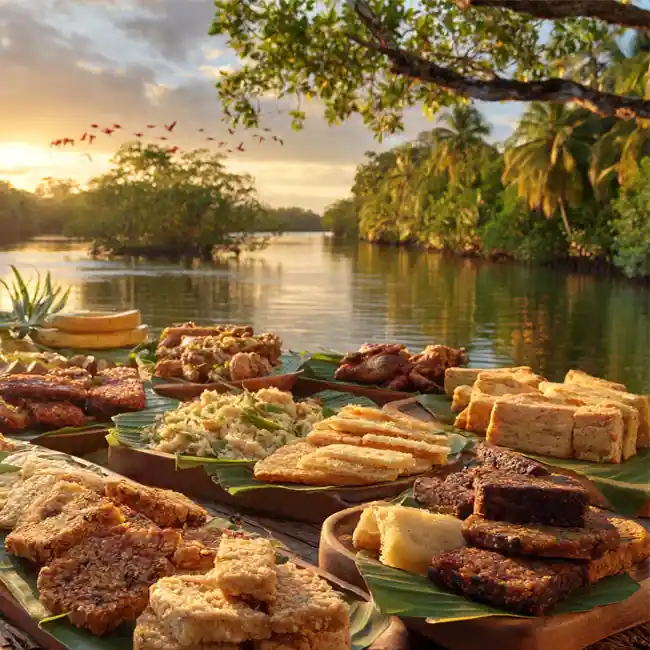
🇹🇹 🍱 The Vibrant Soul of Trinbago: A Culinary Melting Pot Like No Other
If you have ever dreamed of a place where your taste buds get to go on a thrilling roller coaster ride every single single day, let me introduce you to Trinidad and Tobago. Tucked away in the southern reaches of the Caribbean, this twin-island nation doesn't just serve food; it serves living history on a plate—or, more accurately, wrapped in brown paper bags on a bustling street corner.
The snack culture here is an absolute powerhouse. It is a beautiful, aromatic, and deeply harmonious fusion of flavors brought over by different communities over centuries. We are talking about heavy influences from East India, West Africa, China, Europe, and the indigenous Amerindians. When these worlds collided on these beautiful islands, they didn't just blend; they exploded into an entirely new culinary dialect.
When we talk about "snacks" in Trinidad and Tobago, forget what you know about ordinary bag-packaged potato chips or standard crackers. Here, snacking is a full-blown event. It is an art form, a social ritual, and a lifestyle. It’s loud, it’s spicy, it’s sweet, and it’s deeply comforting. Whether you are liming (which is the local word for hanging out with friends without a care in the world) or rushing to catch a maxi-taxi to work, a local snack is always in your hand. Let's take a deep dive into this irresistible, sun-soaked world of flavor!
😋 The Iconic Heavy-Hitters: Street Food Legends You Have to Try
You cannot talk about the snacking culture of Trinidad and Tobago without bowing down to the absolute legends that define the daily lives of the locals. These are the items that have put the country on the global culinary map, and for a very good reason.
🥞 Doubles: The Undisputed King of the Streets
If Trinidad and Tobago had an official national snack anthem, it would be named after Doubles. This is the absolute ultimate street food experience, and it is impossible to walk more than a few blocks in any major town without spotting a lively crowd gathered around a wooden box mounted on the back of a vehicle or a small street-side cart.
So, what exactly is this marvel? Doubles consists of two flat, fried breads known as bara, which are incredibly soft, airy, and slightly yellow from a touch of turmeric. These twin breads act as a pillow for a generous scoop of channa—savory, perfectly seasoned chickpeas simmered in a rich blend of curry, garlic, and culantro (known locally as shado beni).
But the real magic happens in the customizations. A seasoned vendor will look at you and ask, "With what?" This is your cue to choose your sauces. You can opt for sweet mango chutney, a cool and refreshing cucumber sauce, or a fiery pepper sauce that will wake up your entire soul. Eating it is a messy, beautiful rite of passage: you tear off a piece of the top bara, scoop up some channa and sauce, and pop it into your mouth while standing up, leaning slightly forward so you don't ruin your shirt. It’s perfect for breakfast, a midday pick-me-up, or a late-night craving.
🧇 Aloopie and Potato Pies: Pure Carbohydrate Comfort
Next up in the hall of fame is the beloved potato pie, often referred to as an aloo pie (aloo being the Hindi word for potato). Imagine a soft, elongated pastry dough that is stuffed to the brim with smooth, heavily seasoned mashed potatoes. The whole thing is then deep-fried until it reaches a beautiful golden-brown hue.
Much like its cousin the Doubles, an aloo pie is sliced open right on the spot by the vendor and packed with the same curry channa and assortment of chutneys. It is warm, comforting, carb-on-carb heaven that keeps you fueled for hours.
🥬 Saheena: The Green Herbal Marvel
For those who love a bit of earthy, herbal goodness in their snacks, this one is an absolute masterpiece. This snack highlights the East Indian heritage of the islands in the most delicious way possible. It is made by taking large, fresh dasheen leaves (taro leaves), slathering them with a spiced split-pea batter, rolling them up tightly like a log, slicing them, and then deep-frying the pinwheels.
The result is a snack that is wonderfully crispy on the outside, beautifully layered on the inside, and bursting with a unique iron-rich, savory flavor. It’s often enjoyed with a drizzle of sweet and sour tamarind sauce to balance out the deep, earthy tones of the greens.
🧆 Pholourie: The Ultimate Addictive Popper
If you are looking for the definition of "just one more," look no further than these little golden globes. Pholourie are small, spiced split-pea fritters that are fried until they puff up into incredibly light, airy balls.
They are mild on their own, featuring hints of garlic, cumin, and turmeric, but they serve as the perfect vehicle for local sauces. Walking down the street with a brown paper bag full of hot pholourie, dipping them into a watery, tart mango or pommecythere (ambarella) chutney while chatting with friends is an quintessential Trini experience.
🏝️ The Snack Lifestyle: "Liming," "Beaching," and the Art of Coexisting
To truly understand why these snacks taste so incredible, you have to look at the way of life in Trinidad and Tobago. The food is a direct reflection of the geography, the warm climate, and the beautiful, relaxed philosophy of the people.
🚗 The Culture of the "Lime"
In many parts of the world, hanging out is just a casual, unplanned activity. In Trinbago, it is an elevated art form known as liming. A lime can happen anywhere: on a riverbank, under the shade of a mango tree, on a street corner, or in someone's front yard. And a lime simply cannot exist without food.
Because liming is all about spontaneous socialization, the food needs to match that energy. It needs to be portable, shareable, and intensely flavorful. This is why finger foods, fried pies, and savory drops are so deeply embedded in the culture. Someone always shows up with a brown paper bag full of pies, or a container of chow, and suddenly a simple gathering becomes a memorable feast.
🌊 The Beach Snack Philosophy
Then there is the beach lifestyle. Trinidad and Tobago boasts some of the most breathtaking coastlines in the world, from the sweeping, dramatic vistas of Maracas Bay in Trinidad to the calm, turquoise, crystal-clear sanctuaries of Pigeon Point in Tobago.
When locals pack up for a day at the beach, their snack game shifts into high gear. Sun, saltwater, and sea breezes call for bold, punchy flavors that cut through the heat. You will find people sitting on coolers under coconut trees, passing around containers of spicy snacks that contrast beautifully with the cool, refreshing ocean water. The food isn't an afterthought to a beach day; it is the main event.
🗺️ From the Savannah to the Reef: Geographically Unique Food Hotspots
The physical landscape of the twin islands dictates the snacking landscape. Different regions have become legendary for specific types of snacks, turning the country into an incredible map for a culinary road trip.
🌳 The Queen's Park Savannah: The Ultimate Open-Air Food Court
Located right in the heart of the capital city, Port of Spain, lies the Queen's Park Savannah—a massive, lush green space surrounded by historic mansions. But when the sun begins to set, the perimeter of the Savannah transforms into an absolute wonderland for food lovers.
Smoke rises into the evening air, string lights turn on, and dozens of vendors set up their stalls. This is the ultimate destination to experience the full spectrum of Trinidadian snacking in one single location. You can walk from stall to stall, picking up hot pies, freshly turned sweets, and artisanal preserves while listening to the distant sounds of steelpan practice or local soca music. It is vibrant, energetic, and a feast for all five senses.
⛰️ Maracas Beach: The Coastal Culinary Sanctuary
If you take a drive through the winding, lush rainforest roads of the Northern Range, you will eventually descend upon Maracas Bay, famous for its crashing waves and golden sands. But ask any local why they make the drive, and they will tell you it’s for the beachside food stalls.
The row of colorful wooden huts sitting just off the sand is world-famous. Here, the snacks are heavily inspired by the ocean. It’s all about fresh catches, seasoned heavily with local herbs like chive, pimento peppers, and shado beni, fried to perfection, and served in warm, fried flatbreads. It is the definition of coastal comfort food, and eating it while watching the tide roll in is a core memory in the making.
🍍 The Highways and Flyovers: Fruit Chow Capital
If you cruise down the Churchill-Roosevelt or Uriah Butler Highway during the daytime, you will see flash colors of red, green, and yellow under roadside tents. These are the kingdoms of Chow.
Chow is an incredible local invention born out of a love for fresh, seasonal, unripened fruits. Locals take green mangoes, half-ripe pineapples, golden apples, cucumbers, or plums, chop them into bite-sized pieces, and douse them in a mixture of intense lime juice, minced garlic, finely chopped shado beni, and hot scotch bonnet peppers. It is incredibly sour, spicy, salty, and sweet all at once. It is designed to make your mouth water and keep your senses sharp during a long drive under the tropical sun.
🏖️ Tobago’s Local Treasures: Coral Reefs and Seaside Delights
Hop on a quick ferry or a 20-minute flight over to the sister island of Tobago, and the vibe changes beautifully. Tobago is calmer, slower-paced, and deeply tied to traditional village cooking methods.
Here, the snacking options lean heavily into the island's rich Afro-Caribbean heritage. Seaside spots near Store Bay and Pigeon Point offer snacks that incorporate local root crops, deeply flavored stews, and unique coastal creations that you won't easily find on the bustling streets of Trinidad. Snacking in Tobago is often accompanied by the gentle rustle of palm fronds and the sight of fishermen bringing in their daily catch over the vibrant coral reefs.
🍬 The Sweet Side of Trinbago: Confections with Deep Heritage
While the savory, spicy snacks often get the loudest shouts, the sweet treats of Trinidad and Tobago carry just as much history, complexity, and nostalgic joy. These are the sweets that locals grew up buying from school vendors or grandma’s kitchen cupboards.
🥥 Sugar Cake and Coconut Treats
Go to any traditional market, and you will see bright, colorful squares or mounds known as Sugar Cake. Do not let the name fool you—this isn't a baked flour cake. It is a dense, delightfully chewy confection made from shredded fresh coconut boiled down with sugar, spice, and everything nice (like ginger and essence).
They are often dyed in vibrant shades of pink, green, or left a natural creamy white. One bite delivers a massive burst of sweet coconut oils and warming ginger notes that linger beautifully.
🍿 Kurma: The Crunchy Spiced Twigs
Deeply tied to local festivals and celebrations, Kurma is a sweet snack that has successfully made the jump into everyday life. These are small, finger-length sticks of spiced dough that are fried until intensely crunchy and then coated in a rich, white sugar glaze that crystallizes as it cools.
They are heavily scented with ginger and cardamom, offering a sophisticated, spicy sweetness that pairs perfectly with a relaxed afternoon view of the mountains.
🥜 Peanut Sugar Cake and Nut Brittle
For the nut lovers, the local variations of peanut brittle are a revelation. Utilizing locally grown peanuts or cashews, these treats are bound together by dark, caramelized brown sugar or molasses, creating a deep, smoky sweetness that balances out the rich, roasted earthiness of the nuts. They are hard, crunchy, and absolutely packed with energy.
🧳 The Cultural Etiquette of Snacking: How to Eat Like a Born-and-Bred Local
If you want to blend in seamlessly with the locals when exploring the culinary landscape of Trinidad and Tobago, there are a few unwritten rules of engagement you should absolutely know.
◦ Understand the Pepper Scale: When a vendor asks you if you want pepper, they are not playing around. Local pepper sauce is made from fresh scotch bonnet or congo peppers, and it packs a serious punch. If you are new to the scene, ask for "slight pepper" or "no pepper." If you are feeling brave, go for "medium," but only the true veterans ask for "heavy pepper."
◦ The Stand-and-Eat Rule: For items like Doubles, you do not take them to go to eat in your car or at home unless you absolutely have to. The optimal way to experience them is standing right by the cart, out of the way of the queue, eating them while they are still steaming hot from the container. It keeps the bread from getting soggy and lets you interact with the vendor for a quick top-up of sauce if needed.
◦ Embrace the Napkin Life: These snacks are experiential, meaning they are hands-on, saucy, and delightfully messy. Always ensure you have a few brown paper napkins handy. It’s part of the charm!
🤨 Frequently Asked Questions (FAQ)
Q1: What makes Trinidad and Tobago snacks so unique compared to the rest of the Caribbean?
A: It all comes down to the exceptional cultural blueprint of the islands. While many Caribbean islands have strong African and European influences, Trinbago has an incredibly massive East Indian and Chinese heritage woven into its society. This created a unique cross-pollination of ingredients—like pairing flat Indian breads with indigenous Caribbean herbs and African cooking techniques—resulting in a flavor profile you won't find anywhere else on earth.
Q2: Are there good vegetarian options within the local snack culture?
A: Absolutely! In fact, some of the most famous and iconic snacks in the country are completely vegetarian by nature. Because of the deep East Indian traditions, snacks like Doubles (chickpeas and bread), Pholourie (split-pea drops), Aloo Pies (potato-stuffed pastry), and Saheena (dasheen leaf pinwheels) are entirely plant-based and loved by everyone, regardless of dietary preferences.
Q3: What is the best time of day to go looking for street snacks?
A: Snacking is a 24-hour cycle here! However, different snacks rule different times of day. Morning time (from 6:00 AM to 9:00 AM) is prime time for hot Doubles and breakfast pies. The afternoon belongs to fresh, spicy fruit chows and sweet confections. Once the sun goes down, the night markets and roadside strips come alive with evening crowds looking for savory fried treats to cap off a beautiful day of tropical living.
🍱 Easy Homemade Trinbagonian Snacks You Can Make Anytime
👉 Unlock 3 Ultimate Trinbagonian Snacks Under $5!
| 🌐 🍱 < Back | 🇹🇹 🍞 < Previous | Next > 🥘 🇹🇹 |