
🏠 Home > 🗺️ Recipes > 🥘 Sauces > 🇹🇹 Trinidad & Tobago Sauces
🇹🇹 🥘 Trinidad & Tobago Sauces Recipes
Published by Supakorn | Updated: May 2026
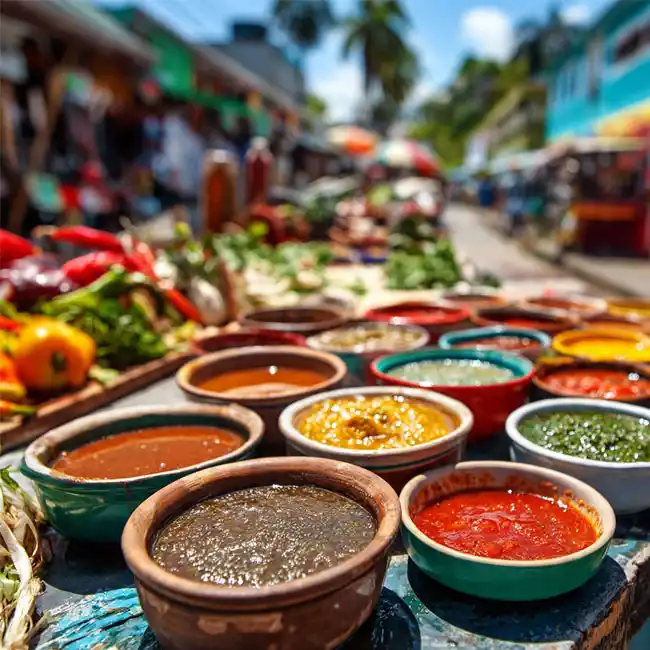
Trinidad and Tobago isn’t just two islands — it’s a full-blown flavor explosion. This tiny twin-island nation packs one of the most diverse food cultures in the Caribbean, and honestly, the sauces are where the magic happens. Trinis don’t just eat food; they dress it, drench it, and celebrate it with sauces that tell stories of migration, family, street corners, and Sunday lunches. If you’ve never had your doubles dripping with tamarind sauce or your fried bake slathered in shado beni, you haven’t really tasted Trinidad yet.
This is your deep-dive into the sauces that make Trini food iconic. No recipes here — just the culture, the history, the vibe, and why these sauces are basically edible passports to the islands. Let’s go.
🇹🇹 🥘 Culture on a Spoon: Why Sauces Rule Trini Food
Food in Trinidad and Tobago is never just about filling your belly. It’s about lime — the Trini word for hanging out, talking, laughing, and sharing. And sauces? They’re the life of that lime.
Trini cuisine is Creole to its core, meaning it’s a mashup. You’ve got African, Indian, Chinese, Syrian-Lebanese, Portuguese, Spanish, and Indigenous influences all simmering in one pot. After indentureship and emancipation, communities lived side-by-side, traded ingredients, and borrowed cooking techniques. The result: a food culture where a single plate can have curry, fried plantain, chow mein, and roti — all tied together by sauce.
Sauces in T&T do three jobs:
1.Balance – They cut heat, add tang, or cool down a fiery curry.
2.Identity – Your grandma’s pepper sauce recipe is a family heirloom. No two are the same.
3.Accessibility – Street food vendors build loyal followings based on their sauce game. Bad sauce? Nobody’s coming back.
Walk through any market in Port of Spain or San Fernando and you’ll see it: rows of recycled bottles filled with homemade pepper sauce, tamarind chutney, and bright green shado beni sauce. Each bottle has a handwritten label and a story. That’s Trini sauce culture — personal, proud, and unapologetically bold.
🔥🏝️ Iconic Trinidad and Tobago Sauces You Must Know
You can’t talk Trini food without these heavy hitters. They show up at breakfast, lunch, dinner, and 2 AM after Carnival. Here’s the lineup.
🌿 Shado Beni Sauce: The Green Gold of Trinidad
If Trinidad had a national herb, it would be shado beni. Also called culantro, it’s like cilantro’s bolder, earthier cousin. Trinis blend it with garlic, hot pepper, salt, and lime juice to make a vibrant green sauce that goes on everything.
Think of shado beni sauce as the Caribbean’s answer to chimichurri, but with more attitude. It’s fresh, garlicky, herbal, and has that citrus punch that wakes up fried fish, grilled chicken, bake, and even plain rice. Vendors drizzle it on aloo pies and pholourie at the side of the road. Families keep a jar in the fridge at all times “just in case.”
What makes it special? It’s raw, uncooked, and meant to be used fresh. That means the flavor is loud and alive. In Tobago, you’ll find fishermen using it on just-caught grilled kingfish right on the beach. One taste and you’ll understand why Trinis living abroad beg relatives to ship bottles of it.
🌶️ Trinidad Pepper Sauce: Not Just Hot, It’s Heritage
Don’t call it “hot sauce.” In T&T, it’s pepper sauce, and it’s a point of national pride. The base is usually scotch bonnet or 7-pot peppers — some of the hottest in the world — but Trini pepper sauce isn’t about burning your face off. It’s about flavor first, fire second.
Every family has a version. Some roast the peppers. Others add carrots or mustard for body. Some throw in mango, papaya, or pineapple for sweetness. The constant: it must have balance. A good Trini pepper sauce hits you with fruitiness first, then warmth, then that slow-building heat that makes you sweat and smile at the same time.
Pepper sauce is the great equalizer. CEOs and taxi drivers all have a favorite brand or home recipe. You’ll see bottles on every restaurant table, from fancy hotels in Tobago to roadside doubles stands in Curepe. Travel tip: if you’re visiting, bring home a few bottles. Just pack them well. Airport security knows what’s up.
🍯 Tamarind Sauce & Tamarind Chutney: Sweet, Sour, Street Food Soul
If shado beni is green gold, tamarind sauce is liquid brown sugar with an attitude. Made from tamarind pulp, sugar, garlic, and spices, it’s sweet, tangy, sticky, and completely addictive.
This is the sauce that defines Trinidad street food. Doubles — the iconic curried chickpea flatbread sandwich — is incomplete without a generous pour of tamarind sauce. Same for aloo pie, saheena, and kachori. The sauce soaks into the bara, mingles with the channa, and cools the pepper sauce. It’s the peacekeeper of Trini flavors.
Tamarind chutney is the thicker, spicier cousin, often with ground spices like cumin and anchar masala. You’ll find it at Diwali celebrations, Eid gatherings, and Sunday lunches. Why? Because tamarind trees grow all over the islands, and Indian indentured laborers brought the technique of making chutneys from the subcontinent. Two centuries later, it’s 100% Trini.
🥭 Mango Chutney & Kuchela: Indian Roots, Island Twist
Trinidad’s Indian heritage shines in its chutneys. Green mango chutney is boiled down with spices, sugar, and garlic until it’s jammy and complex. Then there’s kuchela — grated green mango, hot pepper, garlic, and amchar masala, all cured in mustard oil. It’s sour, salty, spicy, and crunchy.
Kuchela isn’t poured; it’s dabbed. A little goes a long way next to dhal and rice, fried fish, or even on a slice of bread with cheese. It’s a staple during prayers and weddings, and you’ll always find a jar in Trini homes around the world. The mustard oil gives it a pungent kick that’s pure nostalgia for anyone who grew up in T&T.
🌟 Chow Chow: The Underrated Trinidad Condiment
Not the dog — the pickled relish. Trinidad chow chow is a medley of pickled vegetables like carrots, cucumbers, christophene, and green beans in a mustard-turmeric brine. It’s tangy, crunchy, and bright yellow from the turmeric.
Chow chow came with Chinese and European influences and got the Trini remix. It’s the secret weapon on Christmas ham sandwiches, fried chicken, and pelau. That pop of acid cuts through rich, fatty foods and resets your palate. In Tobago, you’ll see versions with green papaya that are out of this world.
🍛🏘️ Eating the Trini Way: Sauces in Daily Life
In Trinidad and Tobago, sauces aren’t a “side.” They’re the main character. Here’s how they fit into everyday eating.
🌅 Breakfast: Bake and Power Sauce Combos
Trini breakfast is a big deal. Fry bake with saltfish, sada roti with tomato choka, or fried aloo all need sauce. Shado beni sauce wakes up eggs. Pepper sauce goes into the saltfish. Tamarind chutney gets swiped onto bake with cheese.
On weekends, families lime on the beach in Mayaro or Maracas Bay. Coolers come packed with fried fish, and you better believe there are three different sauces wrapped in foil. No sauce, no lime. That’s the rule.
🛵 Street Food: Where Sauce Makes or Breaks You
Trinidad street food is legendary, and vendors know their sauce is their brand. A doubles man with weak tamarind sauce? He’s out of business. The best vendors are famous for their “sweet sauce,” “mother-in-law pepper,” or secret shado beni blend.
Watch a doubles vendor work: one hand holding the bara, the other moving between squeeze bottles like a DJ. “Slight pepper?” “Extra sweet sauce?” That call-and-response is pure T&T. Same with gyro vendors, corn soup ladies, and the bake & shark crew at Maracas. The protein is important, but the sauce is what you remember on the plane ride home.
🎉️ Sunday Lunch & Celebrations: Sauce as Tradition
Sunday lunch is sacred. After church, families gather for callaloo, macaroni pie, stew chicken, and dhal. And on that table? At least four sauces. Chow chow for the pie. Pepper sauce for the stew. Kuchela for the dhal and rice. Tamarind chutney because why not.
During Divali, Eid, Christmas, and weddings, sauces become centerpieces. Bowls of mango chutney and anchar sit next to the curried goat. Guests judge your spread by your sauce selection. It’s hospitality in condiment form.
✈️🗺️ Sauces and Place: A Taste of Travel in T&T
You can literally map Trinidad and Tobago through its sauces. Each region, each town, has a twist.
🌊 Maracas Bay: Bake & Shark and Shado Beni Central
If you do one food pilgrimage in Trinidad, make it Maracas Bay for bake & shark. The fried shark is good, but the toppings bar is the star. Shado beni sauce, garlic sauce, tamarind, chadon beni mayo — you build your own masterpiece while looking at the Caribbean Sea. The shado beni here hits different because it’s made fresh all day with herbs from the Northern Range.
🎭 Port of Spain: Sauce Melting Pot
The capital is where all the island’s food cultures collide. In St. James, known as “the city that never sleeps,” you can get doubles with tamarind sauce at 3 AM, then Chinese-style chicken with pepper sauce for lunch. The Queen’s Park Savannah vendors each have a signature sauce that locals swear by. Ask a Trini where to get the best sauce and you’ll start a 30-minute debate. That’s how deep it runs.
🏖️ Tobago: Fresh, Herbal, and Seafood-Driven
Tobago’s sauce vibe is greener and fresher. With abundant fishing villages like Charlotteville and Castara, shado beni sauce and lime-garlic sauce rule. Tobagonians use more fresh herbs and less heavy spice, letting the seafood shine. Crab and dumpling? It comes with a side of pepper sauce and a coconut-infused curry sauce that you’ll dream about. The Tamana green seasoning base used in many Tobago sauces gives them a distinct, earthy flavor.
🎪 Festivals: Sauce on the Road
During Carnival, J’ouvert, and Borough Day celebrations, street food and sauce go hand-in-hand. Cooler fetes have homemade pepper sauce being passed around. Pholourie stands with three types of chutney fuel the party. Sauce is energy. Sauce is survival when you’re on the road from 4 AM.
🌎💡 Beyond the Bottle: Why Trini Sauces Matter Globally
Trinidad and Tobago sauces aren’t just surviving — they’re trending. The global hot sauce market is booming, and Trini pepper sauce is the connoisseur’s pick because it’s about flavor, not just Scoville units.
Diaspora communities in Toronto, New York, London, and Miami have turned Trini sauces into businesses. You’ll find Trini brands in Whole Foods and Caribbean markets worldwide. Chefs are using shado beni sauce on tacos, tamarind chutney on cheese boards, and kuchela in fusion dishes.
Why? Because these sauces represent something bigger: resilience, mixing, and joy. They’re the edible history of a people who took ingredients from five continents and made something totally new. In a world that’s finally celebrating bold, complex, regional flavors, Trinidad and Tobago sauces are having their main-character moment.
So next time you see a bottle of Trini pepper sauce or shado beni, know you’re not just buying a condiment. You’re buying a piece of culture, a Sunday lime, a beach day, and 200 years of story in one spoonful. And trust me — once you go Trini, your fridge will never be sauceless again.
❔❓ Frequently Asked Questions
Q1.What makes Trinidad pepper sauce different from other hot sauces?
Trini pepper sauce focuses on flavor layering, not just heat. It uses scotch bonnet or 7-pot peppers but balances them with fruits like mango or papaya, garlic, and sometimes mustard or carrots. The goal is complexity — you taste sweet, tangy, and savory before the heat kicks in. It’s also a cultural staple, with most families having their own recipe passed down for generations.
Q2.Is shado beni the same as cilantro?
No, but they’re cousins. Shado beni, also called culantro, has a stronger, earthier, more pungent flavor than cilantro. It holds up better to heat and blending, which is why it’s perfect for Trini green sauce. You can’t substitute cilantro 1:1 and get the same authentic taste. Look for it in Caribbean, Latin, or Asian markets under names like recao or ngo gai.
Q3.Can I bring Trinidad and Tobago sauces back home when I travel?
Yes! Bottled sauces like pepper sauce, tamarind chutney, and kuchela are popular souvenirs. If you’re flying, pack them in checked luggage and seal them well — pepper sauce is famous for leaking. Many brands are now exporting officially, so you can also buy them online or in Caribbean grocery stores worldwide. For homemade sauce from a vendor, ask them to double-bag and tape the cap.
🥘 These 3 Homemade Trinbagonian Sauces Will Upgrade Every Bite You Take
👉 Unlock 3 Ultimate Trinbagonian Secret Sauces Under $5!
| 🌐 🥘 < Back | 🇹🇹 🍱 < Previous |