
🏠 Home > 🗺️ Recipes > 🍝 Main Dishes > 🇹🇴 Tonga Main Dishes
🇹🇴 🍝 Tonga Main Dishes Recipes
Published by Supakorn | Updated: June 2026
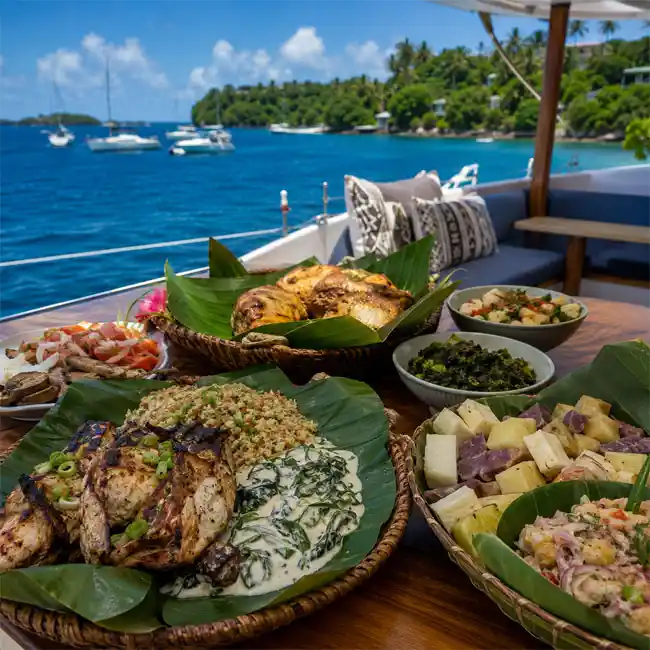
If you have ever dreamed of escaping to a pristine South Pacific paradise where time slows down, the breeze smells like tropical flowers, and the people welcome you like long-lost family, then you are already dreaming of Tonga. The Kingdom of Tonga is an absolute gem of an archipelago, boasting a culture that remains fiercely proud, deeply spiritual, and beautifully intact. But you cannot truly understand the heart and soul of the Tongan people until you sit down to share a meal with them.
Tongan cuisine is an incredible reflection of its geography, its history, and its community-driven way of life. It is simple yet luxurious, heavy on fresh seafood, rich coconut cream, and earthy root vegetables. In this ultimate guide, we are diving deep into the wonderful world of Tonga main dishes. We will explore the deeply rooted food culture, the daily lifestyle, how food ties into regional travel, and the most iconic dishes that define this majestic island nation. Grab a comfortable seat, because we are going on a delicious virtual journey to the Friendly Islands!
🇹🇴 🍝🥥 The Heart and Soul of Tongan Culinary Culture
To truly appreciate Tonga main dishes, you have to understand that in Tonga, food is never just about nutrition. Food is love, respect, celebration, and community all wrapped into one. For centuries, these islands have relied on what can be grown in the fertile volcanic soil or caught in the surrounding deep blue ocean. The traditional Tongan diet is inherently wholesome, relying on whole foods long before it became a modern global health trend.
◦ The Philosophy of Sharing: In Tongan culture, known as Anga Faka-Tonga (the Tongan way), generosity is everything. If you visit a Tongan home, you will be fed until you can barely move. Preparing a massive feast is a way to show respect to guests and honor family milestones.
◦ The Power of the Earth Oven: The traditional cooking method is the Umu, an underground earth oven. Large volcanic stones are heated with firewood, food is meticulously wrapped in banana or taro leaves, placed over the rocks, covered with dirt, and left to slow-cook for hours. The result is an incredibly smoky, tender flavor profile that defines many classic Tonga main dishes.
◦ Coconut and Root Crops as Staples: If there are two ingredients that form the backbone of every Tongan meal, it is coconut (Niu) and root vegetables like taro (Talo), yams ('Ufi), and cassava (Manioke). Yams, in particular, hold a high cultural status and are often presented as prestigious gifts during royal feasts and weddings.
🇹🇴 🐟 The Stars of the Show: Iconic Tonga Main Dishes
While we won't be looking at exact measurements or kitchen steps today, we absolutely must highlight the standout plates that define the identity of Tongan cuisine. These are the main dishes that you will find at every major family gathering, Sunday feast, or local restaurant across the islands.
◦ Lu Sipi (and other Lu variations): This is arguably the king of traditional Tonga main dishes. Lu refers to a style of cooking where a protein—most commonly lamb (Sipi), corned beef, chicken, or fish—is mixed with diced onions and a generous amount of rich, thick coconut cream. This heavenly mixture is then wrapped tightly in multiple layers of tender young taro leaves, followed by an outer protective layer of banana leaves or foil, and slow-baked in the Umu or a modern oven. The taro leaves melt into a spinach-like consistency, soaking up the savory meat fats and sweet coconut cream.
◦ Ota Ika (Raw Fish Salad): If you love fresh, vibrant flavors, this dish will steal your heart. Ota Ika is the Tongan version of ceviche, but with a wonderfully creamy twist. Freshly caught ocean fish (often yellowfin tuna, snapper, or mahi-mahi) is cut into bite-sized cubes. It is briefly marinated in fresh lime juice to cure the fish, and then tossed with a colorful medley of crisp diced vegetables like cucumbers, tomatoes, and spring onions. The magic touch is a heavy pour of cold, fresh coconut cream, which balances the zesty acidity of the lime.
◦ Kapisi Pulu (Stuffed Cabbage Rolls): This dish beautifully showcases how imported goods have been adopted into traditional Tongan cooking styles. Pulu means beef, and in this context, it usually refers to canned corned beef, which is highly popular across the Pacific. For Kapisi Pulu, whole cabbage leaves are stuffed with a mixture of savory corned beef, onions, and a splash of coconut cream, then wrapped up neatly and baked until the cabbage is tender and sweet.
◦ Puaka Tunutunu (Spit-Roasted Whole Pig): No major Tongan celebration, wedding, or royal feast is complete without a row of perfectly golden, spit-roasted whole pigs. The pork is seasoned simply with salt, allowing the natural flavor of the meat and the smoky wood fire to take center stage. The skin becomes unbelievably crispy, while the meat stays incredibly juicy. It is a true centerpiece of Tongan hospitality.
◦ Feke (Octopus in Coconut Cream): Seafood lovers will find absolute paradise in Tonga, and Feke is a prime example. Fresh octopus is cleaned, tenderized, and gently simmered in a rich sauce made from fresh coconut cream, onions, and minimal seasonings. The natural sweetness of the octopus pairs beautifully with the creamy base, creating a deeply comforting main dish usually served alongside boiled root crops.
🇹🇴 🏠 Daily Life and the Art of Tongan Dining
Understanding how Tongans live gives you an entirely new appreciation for how they eat. The rhythm of daily life in the kingdom is deeply relaxed, and meals serve as the anchor points where families slow down and reconnect after a long day of farming, fishing, or school.
◦ The Sacred Sunday Feast: Sunday is a strictly observed day of rest in Tonga. By law, almost all businesses close, sports are put on hold, and contracts are paused. The entire day is dedicated to church, rest, and the To'ona'i—the grand Sunday feast. Families wake up early to light the Umu oven, and after church services conclude, everyone gathers around a massive spread of Tonga main dishes to eat, talk, and nap for hours.
◦ Farming and Fishing as a Lifestyle: Even today, a huge portion of the Tongan population engages in subsistence farming and artisanal fishing. Men often head out to their bush allotments early in the morning to tend to their giant yams and taro crops, while others take small boats out past the coral reefs to catch fish, collect sea grapes (Limu), or hunt for octopus. This means the ingredients gracing the dinner table are incredibly fresh and organic.
◦ Respect and Hierarchy at the Table: Tongan society holds a beautiful, intricate social hierarchy. During large formal gatherings or family feasts, elders, guests, and community leaders are always served first with the choicest cuts of meat and the finest yams. Children and younger family members eat afterward, ensuring that hospitality and respect are maintained at all times.
🇹🇴 ✈️ Food and Travel: Mapping Flavors Across the Island Groups
Tonga is divided into distinct island groups, each offering its own breathtaking landscapes and unique twists on local food culture. If you are planning a trip to this Pacific paradise, exploring how food shifts from island to island is one of the best ways to experience the country.
◦ Tongatapu (The Main Island): Home to the capital city of Nuku'alofa, this is where you will experience the bustling local markets like the Talamahu Market. Here, mounds of giant yams, green taro leaves, and fresh coconuts are piled high. Tongatapu offers the best mix of traditional village feasts and modern restaurants where local chefs are elevating classic Tonga main dishes using contemporary culinary techniques.
◦ The Vava'u Group (The Sailing Capital): Vava'u is famous worldwide for its dramatic, fjord-like waterways, crystal-clear visibility, and the magical experience of swimming with humpback whales. Because of its thriving marine tourism, the food scene here heavily revolves around ultra-fresh seafood. You can spend your morning watching whales and your evening enjoying a plate of freshly caught Ota Ika at a waterfront cafe while watching yachts sail by.
◦ The Ha'apai Group (The Ultimate Eco-Escape): If you want to get completely off the grid and experience Tonga as it was decades ago, Ha'apai is your destination. With endless white sand beaches and tiny eco-resorts, life here is simple and deeply traditional. Meals here are dictated entirely by what the ocean provides that day. You will likely enjoy an authentic Umu experience cooked right on the beach, using firewood gathered from the surrounding coconut palms.
🇹🇴 💡 Essential Tips for Enjoying Tongan Food Safely and Authentically
If you have the incredible opportunity to visit Tonga or attend a traditional Tongan gathering anywhere in the world, keeping a few friendly tips in mind will ensure you have the absolute best experience while fully respecting the local culture.
◦ Embrace Eating with Your Hands: Many traditional Tongan foods, especially root crops and pieces of roasted pork from the Umu, are best enjoyed using your hands. It is completely normal, and your hosts will appreciate you diving right in! Just remember to wash your hands thoroughly before sitting down.
◦ Pace Yourself Wisely: Tongan food is heavy, dense, and incredibly filling. Root vegetables like taro and cassava are packed with complex carbohydrates, and coconut cream adds a rich, satisfying element to everything it touches. Don't load your plate sky-high on your first pass—take small portions and savor the unique textures.
◦ Understand the Taro Leaf Texture: When eating dishes like Lu Sipi, the cooked taro leaves inside might look dark green and soft, resembling cooked spinach. This is exactly how they are supposed to be! They absorb all the juices of the meat and coconut milk, making them one of the most delicious parts of the entire meal.
🇹🇴 🖐️ Frequently Asked Questions (FAQ)
Q1.What makes Tongan food different from other Polynesian cuisines?
While Tonga shares staple ingredients like coconut, taro, and pork with neighbors like Samoa and Fiji, Tongan cuisine stands out for its specific flavor combinations and its preservation of old traditions. The use of premium, giant yams as a status symbol and the specific wrapping style of Lu are uniquely celebrated aspects of the Tongan kitchen.
Q2.Can vegetarians find good options among Tonga main dishes?
Traditional Tongan food is heavily centered around fish, pork, and lamb. However, you can absolutely enjoy vegetarian versions of classic items! For example, Lu Pulu or Lu Sipi can easily be made as Lu Cabbage or Lu stuffed purely with onions, tomatoes, and rich coconut cream, served alongside delicious boiled taro, yams, or sweet potatoes.
Q3.Are Tonga main dishes naturally gluten-free?
Yes! Most traditional Tongan dishes are inherently gluten-free because they rely on fresh seafood, meats, coconut milk, and starchy root vegetables like taro, yams, and cassava rather than wheat flour. Just be mindful of dishes that utilize imported canned corned beef or specific soy-based marinades, which might contain hidden gluten.
Q4.What is the best way for a tourist to experience an authentic Tongan feast?
The absolute best way is to book a cultural dinner show, which are regularly hosted by resorts and cultural centers across Tongatapu and Vava'u. These events feature traditional dancing (Soke and Tau'olunga), beautiful live music, and a massive buffet featuring authentic Umu-cooked Tonga main dishes, allowing you to sample everything in a welcoming environment.
🍝 Traditional South Pacific Fuel: Traditional Tongan Dishes for Ultimate Fitness Recovery
👉 Indulge in 3 Top High-Protein Tongan Main Dishes
| 🌐 🍝 < Back | 🇹🇴 🥪 < Previous | Next > 🍨 🇹🇴 |