
🏠 Home > 🗺️ Recipes > 🍝 Main Dishes > 🇹🇴 Tonga Main Dishes > 🍝 1.Lu Sipi (Tongan Lamb in Taro Leaves) , 2.Ota Ika (Tongan Raw Fish Salad) , 3.Kapisi Sipi (Tongan Cabbage and Beef Stew)
🍝 Traditional South Pacific Fuel: Traditional Tongan Dishes for Ultimate Fitness Recovery
Published by Supakorn | Updated: June 2026
🇹🇴 🍜⛰️ Introduction: The Island Secret to Post-Workout Strength
Hey there, fitness family! If you are tired of the same old boring grilled chicken and plain white rice after a brutal gym session, you have landed in the perfect spot. Today, we are taking a trip to the breathtaking South Pacific—specifically to the beautiful Kingdom of Tonga. Known for its crystal-clear turquoise waters, white sandy beaches, and rich cultural heritage, Tonga is also home to some of the most wholesome, nutrient-dense traditional foods on the planet. Visitors from all over the world travel to these islands to experience the incredible Polynesian hospitality, but they always fall in love with the food.
Tongan cuisine is all about fresh, whole ingredients, natural proteins, and complex carbohydrates that provide long-lasting energy. It is exactly what your body craves when your muscles are screaming for repair. In this ultimate guide, we are diving deep into three incredibly delicious, traditional Tongan recipes that double as the ultimate fitness fuel.
Here is a quick look at the mouthwatering lineup we are breaking down today:
🐐 ◦ Recipe 1: Lu Sipi (Traditional Tongan Lamb cooked in Taro Leaves)
🐠 ◦ Recipe 2: Ota Ika (Tongan Raw Fish Salad with Coconut Cream)
🐄◦ Recipe 3: Kapisi Sipi (Tongan Cabbage and Beef Stir-Fry Stew)
Whether you are looking to bulk up, hit your protein macros, or just want to try something exciting and new in the kitchen, these recipes are guaranteed to satisfy your hunger and fast-track your recovery. Grab your apron, turn up your favorite workout playlist, and let’s get cooking!

🥩 Recipe 1: Lu Sipi (Tongan Lamb in Taro Leaves)
🥥 About this Recipe
Lu Sipi is an absolute staple in Tongan households, traditionally prepared for Sunday feasts (Umu) cooked in an underground earthen oven. It consists of tender, succulent lamb wrapped tightly in taro leaves and onions, drenched in rich, creamy coconut milk, and baked to perfection. For fitness enthusiasts, this dish is a goldmine. Lamb provides a massive dose of high-quality protein and essential amino acids for muscle hypertrophy, while the coconut milk supplies healthy medium-chain triglycerides (MCTs) that your body rapidly converts into clean energy post-exercise.
🧅 Ingredients & Measurements
◦ 500 grams of lean lamb shoulder, cut into bite-sized cubes
◦ 20 large fresh taro leaves (or spinach leaves if taro is unavailable)
◦ 1 large white onion, finely diced
◦ 2 whole tomatoes, chopped
◦ 400 milliliters of pure, unsweetened coconut milk
◦ 1 teaspoon of sea salt
◦ 1/2 teaspoon of freshly cracked black pepper
◦ Aluminum foil (to wrap the portions for baking)
🍳 Step-by-Step Instructions
1.Preheat your home kitchen oven to 356 degrees Fahrenheit / 180 degrees Celsius.
2.Thoroughly wash the taro leaves under cold running water and pat them completely dry with a clean towel.
3.If using taro leaves, layer 4 to 5 leaves on top of each other on a flat surface to create a sturdy base. If using spinach, overlap them generously to form a pocket.
4.Place a generous handful of the cubed lamb shoulder right in the center of your leaf bed.
5.Scatter the diced white onions and chopped tomatoes evenly on top of the lamb.
6.Season the mixture with a pinch of sea salt and cracked black pepper.
7.Carefully fold the edges of the leaves upward to create a bowl shape, then slowly pour about 100 milliliters of coconut milk directly over the meat and vegetables.
8.Fold the top of the leaves tightly over the filling to seal it completely.
9.Wrap the entire leaf package securely in a sheet of aluminum foil to prevent any liquid from escaping during the baking process.
10.Repeat the process to make 4 individual pouches.
11.Place the foil pouches on a baking tray and bake in the oven for 1 hour and 45 minutes until the lamb is incredibly tender.
12.Carefully open the foil, unwrap the leaves, and serve hot.
💡 Tips & Mistakes to Avoid
◦ Never eat raw taro leaves: Raw taro leaves contain calcium oxalate crystals, which cause an intense, painful itching sensation in your throat. Ensure the dish is thoroughly baked so the leaves are completely cooked through and safe to eat.
◦ Trim excess fat: While lamb fat adds incredible flavor, trim away the heaviest pieces before cooking to keep your post-workout meal lean and clean.
◦ Substitute wisely: If you cannot find fresh taro leaves at your local ethnic market, use large Swiss chard or spinach leaves. They cook much faster, so reduce the baking time to about 1 hour and 15 minutes.
❓ FAQ
Q1.Can I use chicken instead of lamb?
Absolutely! Chicken breast or thigh works wonderfully in this recipe and reduces the overall fat content while keeping the protein high.
Q2.Is coconut milk too fatty for a post-workout meal?
The fats in coconut milk are mostly MCTs, which are quickly absorbed by the liver and used for energy rather than being stored as body fat, making it great for recovery.
Q3.How do I store leftovers?
Keep the cooked pouches in an airtight container in your refrigerator for up to 3 days. Reheat thoroughly in the oven or microwave before eating.
📝 Summary
Lu Sipi is a comforting, high-protein powerhouse that combines the richness of lamb with the earthy goodness of taro leaves. It is an amazing way to experience authentic Tongan cuisine while giving your muscles the exact amino acids they need to rebuild stronger after a heavy lifting session.
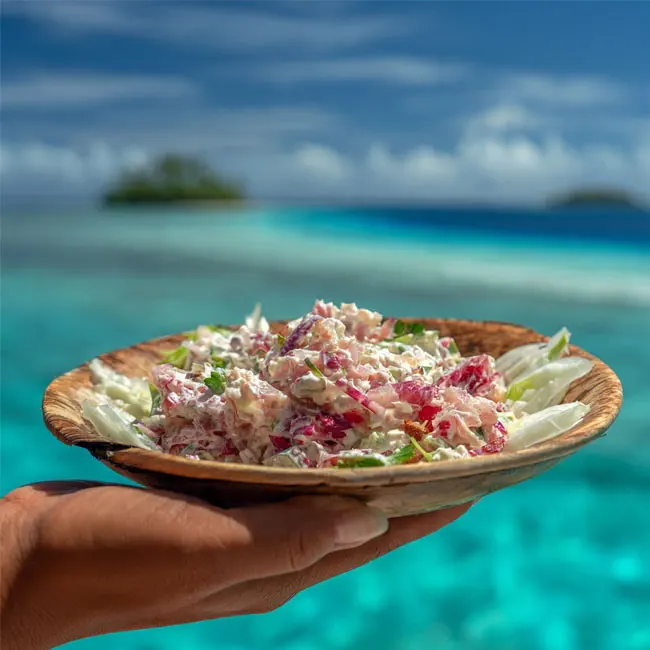
🐟 Recipe 2: Ota Ika (Tongan Raw Fish Salad)
🍋 About this Recipe
If you love ceviche or Hawaiian poke, you are going to be absolutely obsessed with Ota Ika. This is the ultimate refreshing, no-cook meal that Tongans enjoy on hot island days. It features fresh, ocean-caught white fish cured in citrus juice and tossed with crunchy, vibrant vegetables and silky coconut cream. For your post-workout nutrition, Ota Ika is a dream come true. It offers ultra-lean, fast-digesting protein from the fish, crucial vitamins from the raw veggies, and healthy fats from the coconut cream to lower post-exercise inflammation.
🥒 Ingredients & Measurements
◦ 600 grams of fresh, sushi-grade white fish fillets (such as snapper, sea bass, or tuna), cut into 2-centimeter cubes
◦ 1/2 cup of freshly squeezed lime juice (about 4 to 5 limes)
◦ 400 milliliters of chilled, premium unsweetened coconut cream
◦ 1 large cucumber, deseeded and diced finely
◦ 2 Roma tomatoes, diced
◦ 1 small green bell pepper, diced
◦ 3 stalks of green spring onions, finely sliced
◦ 1 teaspoon of sea salt
🔪 Step-by-Step Instructions
1.Place your cubed fresh fish into a large glass bowl.
2.Pour the freshly squeezed lime juice completely over the fish, ensuring every single piece is submerged.
3.Put the bowl into the refrigerator and let the fish cure in the lime juice for 15 to 20 minutes. You will notice the fish flesh turning opaque and white.
4.Drain out about 80 percent of the excess lime juice from the bowl, leaving just a touch at the bottom for a zesty kick.
5.Toss the diced cucumber, Roma tomatoes, green bell pepper, and sliced spring onions directly into the bowl with the cured fish.
6.Season the mixture evenly with the sea salt.
7.Pour the cold coconut cream over the fish and vegetables.
8.Use a large spoon to gently fold all the ingredients together until beautifully combined.
9.Serve immediately while chilled, or let it sit in the fridge for another 10 minutes to let the flavors marry beautifully.
💡 Tips & Mistakes to Avoid
◦ Prioritize freshness: Because the fish is not cooked with heat, you must buy high-quality, sushi-grade or sashimi-grade fish to ensure it is completely safe and delicious.
◦ Do not over-cure: Leaving the fish in lime juice for hours will make it tough and rubbery. 15 to 20 minutes is the perfect sweet spot for a tender texture.
◦ Keep it cold: Ota Ika tastes vastly superior when served ice-cold. Keep your coconut cream in the fridge before using it.
❓ FAQ
Q1.What is the best fish to use?
Yellowfin tuna, snapper, mahi-mahi, or sea bass are the absolute best choices for an authentic taste.
Q2.Can I make this dish ahead of time for meal prep?
It is best enjoyed fresh on the day of making. If you must prep ahead, keep the cured fish and the chopped veggies separate, then mix them with the coconut cream right before eating.
Q3.Can I add a bit of spice?
Yes! Finely chopped red bird's eye chilies are a fantastic addition if you want to boost your metabolism with a bit of heat.
📝 Summary
Ota Ika is a bright, refreshing, and incredibly clean meal packed with premium lean protein. It requires zero cooking, making it the perfect quick post-workout lunch to cool down your body temperature while giving your muscles an instant recovery boost.
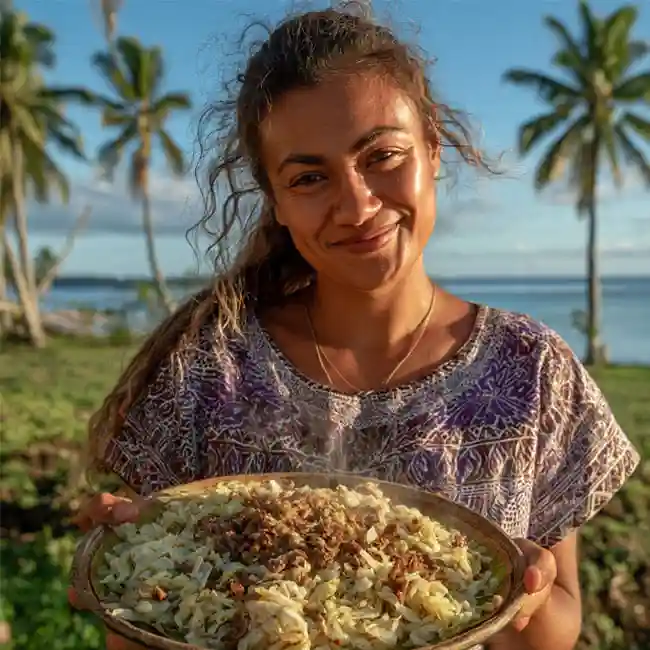
🥬 Recipe 3: Kapisi Sipi (Tongan Cabbage and Beef Stew)
🍲 About this Recipe
When you want a comforting, warm, one-pot meal that takes minimal effort but delivers massive flavor and nutrition, Kapisi Sipi is your go-to dish. In Tonga, "Kapisi" means cabbage and "Sipi" means mutton or beef. This recipe combines lean minced beef or sliced beef with heaps of shredded green cabbage, onions, and garlic, all simmered together in a light coconut broth. It provides an incredible balance of lean protein for muscle building, along with low-glycemic carbs and high fiber from the cabbage to keep your digestion on track and your hunger fully satisfied.
🥕 Ingredients & Measurements
◦ 600 grams of extra-lean minced beef or thinly sliced beef sirloin
◦ 1 whole medium head of green cabbage, cored and shredded thinly
◦ 1 large yellow onion, sliced into half-moons
◦ 4 cloves of fresh garlic, minced finely
◦ 1 tablespoon of olive oil
◦ 250 milliliters of unsweetened coconut milk
◦ 1 cup of low-sodium beef broth
◦ 1 teaspoon of sea salt
◦ 1 teaspoon of ground black pepper
🍳 Step-by-Step Instructions
1.Heat the olive oil in a large, deep pot or a Dutch oven over medium-high heat.
2.Add the sliced yellow onion and minced garlic to the pot, sautéing for about 3 to 4 minutes until they become soft, translucent, and highly aromatic.
3.Add the lean beef to the pot, breaking it up with a wooden spoon if using minced beef. Cook for 6 to 8 minutes until the beef is fully browned.
4.Carefully drain away any excess fat that accumulates at the bottom of the pot to keep the meal lean.
5.Season the browned beef with the sea salt and ground black pepper.
6.Pile the entire mountain of shredded green cabbage directly into the pot on top of the beef. It might look like too much cabbage, but it will wilt down significantly.
7.Pour in the beef broth and coconut milk, then stir everything together gently to distribute the meat and vegetables.
8.Bring the liquid to a gentle boil, then immediately turn the heat down to low.
9.Cover the pot with a tight-fitting lid and let it simmer beautifully for 15 to 20 minutes, stirring occasionally, until the cabbage is tender but still retains a slight, satisfying bite.
10.Remove from the heat, ladle into big bowls, and serve immediately.
💡 Tips & Mistakes to Avoid
◦ Don't overcook the cabbage: Cabbage can quickly turn into a mushy, sulfur-smelling mess if left on the stove too long. Keep an eye on it and pull it off the heat when it is soft yet slightly crunchy.
◦ Boost the carbs if needed: If you just finished an incredibly intense cardio or leg day, serve this dish over a side of boiled sweet potato or brown rice to replenish your glycogen stores.
◦ Use lean meat: Opt for 90 percent or higher lean beef to maximize your protein intake without overloading on saturated fats post-workout.
❓ FAQ
Q1.Can I use a different type of cabbage?
Yes! Savoy cabbage or even Napa cabbage works beautifully in this recipe, though Napa cabbage will cook much faster.
Q2.Can I freeze Kapisi Sipi?
Yes, this dish freezes exceptionally well. Let it cool completely, store it in freezer-safe containers for up to 2 months, and thaw it overnight in the fridge before reheating.
Q3.Can I add more vegetables?
Absolutely. Throwing in some sliced carrots or bell peppers is an excellent way to sneak in extra micronutrients and antioxidants.
📝 Summary
Kapisi Sipi is a macro-friendly, comforting one-pot wonder that combines high-quality beef protein with a massive volume of nutrient-dense cabbage. It is incredibly easy to whip up on a busy weeknight and gives you a massive, satisfying portion size without breaking your calorie bank.
🏋️♂️ Final Thoughts: Elevate Your Fitness Journey with Tongan Flavors
There you have it, friends! Making your own authentic, muscle-building Tongan meals at home is not complicated at all. These three incredible recipes prove that healthy eating and effective post-workout nutrition do not ever have to be bland, boring, or repetitive. By incorporating the natural, whole-food philosophy of the South Pacific into your fitness lifestyle, you get to treat your taste buds to amazing tropical flavors while giving your body the premium fuel it needs to recover, adapt, and grow stronger.
I highly encourage you to step outside of your culinary comfort zone and try making these dishes one by one. Start with the refreshing Ota Ika on a warm afternoon, or dive into a cozy bowl of Kapisi Sipi after a heavy lifting session.
Which one of these traditional Tongan meals are you excited to cook first? Cook a batch up, snap a picture of your gorgeous creation, and share your cooking experiences with your workout partners. Let’s keep pushing our limits in the gym and fueling our bodies like modern island warriors. Happy cooking, and hit those fitness goals!
| 🇹🇴 🍝 < Back |