
🏠 Home > 🗺️ Recipes > 🧊🥩 Ice Age Ancestral Feast (Paleo Food) > ☀️ Southern African Coastal Caves: Ice Age Ancestral Feast (Paleo Food) Recipes > 🧊🥩 1.Klasies Hearthstone Shellfish with Marrow Butter
🧊🥩 The 120,000-Year-Old Seaside Feast: How Our Ancestors Cooked Shellfish at Klasies River
Published by Supakorn | Updated: November 2026
🦴🌫️ Prehistoric Ancestral Palate: The Middle Stone Age (About 120,000 Years Ago)
🌊 The Pleistocene Chronicles: 60,000 to 120,000 Years of Coastal Survival
Picture this. You're on the wild southern tip of Africa, on what we now call the Tsitsikamma coast of South Africa's Eastern Cape. A winter storm is rolling in off the Southern Ocean. Cold rain blows sideways into the mouth of a sandstone cave cut into the cliffs. In the distance, a thin dusting of snow sits on the mountain peaks, and the wind carries salt spray right up to the rocks.
Inside the cave, a fire crackles. Smoke curls up the stone walls, and that smell, part burning driftwood and part sizzling sea creature, fills the shelter. A small group of people huddles close to the flames. They look a lot like you and me, because they're early Homo sapiens. On the hot coals, mussels are popping open one by one.
This is the Klasies River Main Site, one of the most important archaeological sites in the world for understanding early human diets. People started living here around 120,000 years ago, during the warm Last Interglacial. They kept coming back on and off for tens of thousands of years, including when the planet slid into colder glacial phases. When the ice sheets grew in the far north, sea levels dropped and the shoreline moved kilometres away from the cave. The people of Klasies adapted every time. They hunted eland and giant buffalo, scavenged seals and penguins, and kept coming back to the rocky shore for its biggest gift: shellfish.
🧬 The Primeval Legacy of Human Survival
What makes Klasies River so special? It's one of the earliest places on Earth where we have clear, repeated evidence of humans systematically eating seafood. Excavations that began in the late 1960s, and that researchers have continued ever since, uncovered thick layers of shell midden. In plain English, that's prehistoric kitchen garbage. There are brown mussels, limpets, and big turban shells (locally called alikreukel), along with bones of fish, seals, and land mammals.
Why does this matter to us today? Many researchers think coastal foods may have played a real role in human evolution. Shellfish are packed with:
✦ Omega-3 fatty acids: Long-chain fats that are vital for brain and eye development.
✦ Iodine and zinc: Minerals that support thyroid function and the immune system.
✦ Iron and vitamin B12: The building blocks of healthy blood and nerves.
✦ Lean, easy-to-gather protein: No dangerous hunt needed. Just good timing with the tides.
Think about the survival logic. A mammoth-sized buffalo could kill you. A mussel can't run, can't fight back, and shows up twice a day at low tide. Our ancestors weren't just tough. They were smart. They learned to read the moon, the tides, and the seasons. That knowledge, passed from elder to child around fires like this one, is the real flavour of our bloodline.
🧊 The Paleolithic Resurrection
There's one more find from Klasies that changed the story of the Stone Age kitchen. In 2019, researchers studying tiny charred remains from the ancient hearths reported evidence that people here were roasting starchy plant roots and tubers about 120,000 years ago. These were people who mixed surf and turf with roasted wild veggies. That was basically a balanced meal, long before anyone wrote a cookbook.
So the "lost recipe" we're bringing back today isn't pure fantasy. It's built on what archaeologists actually found in those ash layers: shellfish cooked on coals, starchy roots baked in the embers, and meat and marrow from hunted animals. We've taken those raw ingredients and the fire-cooking methods the evidence points to, and we've rebuilt them into something you can actually make this weekend, whether you have a backyard fire pit, a charcoal grill, or just a heavy cast-iron pan in a small apartment kitchen.
🦪 Recipe: Klasies Hearthstone Shellfish with Marrow Butter
🗿 Echoes from the Glacial Ice
The walls at Klasies River have no famous painted mammoths on them. The cave's story is written somewhere else: in the ground, layer by layer, in ash and shell.
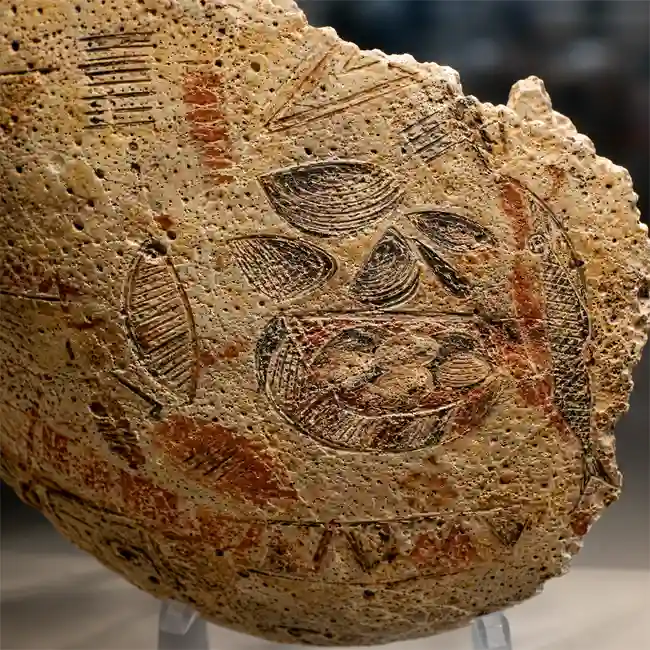
Archaeologists found hearth after hearth stacked on top of each other, some of them clearly burned again and again over many generations. Mixed in were blackened mussel shells, cracked bones, and stone tools sharp enough to pry open a stubborn limpet. Farther along the same coast, at Blombos Cave, people later scratched careful crosshatch patterns into pieces of red ochre, some of the oldest known abstract designs made by humans.
Put those clues together and you can almost see the ritual. When the tide pulled back, the whole group would head down to the rocks. Children learned which shells to twist off and which ones to leave. The catch came back to the fire, where an elder may have laid the shellfish on the hot stones in a careful ring. Nobody ate alone. Food was shared, stories were told, and the fire was the centre of the tribe. It was a dinner party 120,000 years before tablecloths existed.
🌿 Wild Foraged Essentials & The Hunter's Pantry
❄️ The Primitive Staples
The original Klasies pantry came from two worlds: the rocky shoreline and the grassy, shrubby fynbos country behind the cliffs. From the sea came brown mussels clinging to the rocks, limpets stuck flat against the stone, and heavy turban shells hiding in tidal pools. Seaweed washed up after every storm, and the seawater itself gave them salt.
From the land came starchy underground plant parts called geophytes. These were bulbs, corms, and tubers stored with energy that turned soft and sweet when roasted in hot ash. From the hunt came antelope like eland, plus the rich, fatty bone marrow our ancestors cracked out of leg bones with stone hammers. Marrow was prized. It was pure energy in a world where fat was rare and precious.
❄️ Modern Kitchen Substitutes
You don't need a cave or a time machine. Here's how to swap each ancient ingredient for one you can buy:
◦ Brown mussels: Use fresh live blue mussels or green-lipped mussels from a trusted fishmonger (1:1 swap).
◦ Limpets and turban shells: Use littleneck clams, cockles, or whelks (1:1 swap by weight).
◦ Wild geophytes (roots and corms): Use small sweet potatoes, purple yams, or fingerling potatoes (1:1 swap).
◦ Eland marrow and fat: Use beef or venison marrow bones, split lengthwise by your butcher (2 to 3 bone halves replace one wild leg bone).
◦ Washed-up seaweed: Use dried kombu or wakame, rehydrated (1 small sheet replaces a handful of fresh kelp).
◦ Coastal wild greens: Use samphire (sea beans), watercress, or baby spinach (1:1 swap).
◦ Seawater salt: Use flaky sea salt (a pinch replaces a splash of seawater).
◦ Wild aromatic shrubs: Use fresh rosemary or thyme sprigs to perfume the fire or pan (2 to 3 sprigs).
❄️ Paleolithic Proportions
These amounts serve 4 hungry hunter-gatherers:
◦ 1 kg (about 2.2 lb) live mussels, scrubbed and debearded
◦ 500 g (about 1.1 lb) clams or cockles, purged in salted water
◦ 4 small sweet potatoes or 600 g fingerling potatoes
◦ 4 beef or venison marrow bone halves, about 10 to 15 cm long
◦ 1 sheet dried kombu, about 10 x 10 cm, soaked for 10 minutes
◦ 2 generous handfuls samphire or watercress
◦ 3 sprigs fresh rosemary or thyme
◦ 1 teaspoon flaky sea salt, plus more to taste
◦ 1 tablespoon finely chopped wild garlic or chives (optional, for the marrow butter)
◦ Juice of half a lemon (optional, a modern touch for brightness)
🔥 The Primitive Culinary Ritual
⭐ Step 1: Wake the Fire Build a wood or lump-charcoal fire and let it burn down until you have a thick bed of glowing coals covered in grey ash. That takes about 40 to 60 minutes. Indoors, preheat your oven to 220°C (430°F) and set a cast-iron skillet over high heat on the stovetop.
⭐ Step 2: Bury the Roots Wrap each sweet potato loosely in a soaked kombu strip. It mimics the seaweed wrapping and protects the skin. Bury them in the hot ash at the edge of the fire for 35 to 45 minutes, turning once. Indoors, roast them directly on the oven rack for the same amount of time. They're done when a stick slides through with no resistance.
⭐ Step 3: Roast the Marrow Stand the marrow bones cut side up on a flat stone or grill grate near the coals, or on a tray in the oven. Roast for 15 to 20 minutes, until the marrow is soft, bubbling, and pulling slightly away from the bone.
⭐ Step 4: Lay the Hearthstone Ring Place a large, flat, clean stone (granite or soapstone works, but never use river rocks, which can crack or burst) or a heavy cast-iron pan directly on the coals. Let it get very hot, about 10 minutes. Toss on the rosemary sprigs so they start to smoke.
⭐ Step 5: The Shell Opening Arrange the mussels and clams in a single layer on the hot stone or pan, hinge side down if you can. Cover loosely with a damp cloth, a lid, or a large leaf like a banana leaf to trap steam. Within 4 to 8 minutes, the shells will start to pop open. That moment of the ocean releasing its gift is pure magic. Pull each one off as soon as it opens.
⭐ Step 6: Churn the Marrow Butter Scoop the hot marrow into a bowl. Stir in the chopped wild garlic or chives and a pinch of sea salt. You now have a rich, savoury "Stone Age butter."
⭐ Step 7: The Shared Feast Split the roasted sweet potatoes open. Pile shellfish, samphire, and roots onto a wooden board. Spoon marrow butter over everything and pour any shell juices on top. Eat with your hands, just like the people at Klasies did.
🌋 Secrets of the Ancestral Fire
• Cook on coals, not flames: Tall flames burn the outside and leave the inside raw. Ancestral cooks waited for embers, and you should too.
• Use hardwood or lump charcoal: Oak, hickory, or fruitwoods burn hot and clean. Avoid treated, painted, or resinous wood like pine, which adds bitter soot.
• Never heat wet river rocks: Water trapped inside a stone can turn to steam and make it explode. Use dense, dry, flat stones or just stick with cast iron.
• Keep shellfish alive until cooking: Store them in the fridge in a bowl covered with a damp cloth, never in sealed plastic or fresh water.
• Tap test before cooking: Throw away any open mussels or clams that don't close when you tap them. They're dead and could make you sick.
• Discard the stubborn ones: If a shell stays shut after cooking, toss it. Don't force it open.
• Don't overcook: Shellfish turn rubbery fast. Pull them off the moment they open.
• Save the fat: Leftover marrow fat is liquid gold. Keep it in a jar in the fridge for searing meat or roasting roots later.
• Mind your foraging laws: If you collect wild shellfish yourself, check local permits, size limits, and shellfish safety warnings. Toxic algae blooms (red tides) can make shellfish dangerous even when they look perfect.
• Have water and a fire plan ready: Keep a bucket of water or sand nearby and never leave an outdoor fire unattended.
🧬❓ Paleolithic Wisdom & Secrets FAQ
Q1: Is this recipe actually Paleo-friendly?
Yes. It's built entirely on whole foods: shellfish, root vegetables, bone marrow, greens, and herbs. There's no grain, dairy, refined sugar, or processed oil. Strict Paleo followers sometimes debate sweet potatoes, but the Klasies evidence shows that roasted starchy roots were on the menu about 120,000 years ago, so they've got an ancient pedigree.
Q2: How nutritious is shellfish compared to red meat?
Shellfish are surprisingly powerful. Mussels and clams are rich in vitamin B12, iron, zinc, selenium, iodine, and omega-3 fats, and they're lower in calories than most red meats. Paired with marrow for fat and sweet potatoes for slow-burning carbs, this plate covers a lot of nutritional bases.
Q3: Is it safe to cook shellfish over an open fire?
Absolutely, as long as you follow basic rules. Buy from a reputable source, cook until the shells open and the meat is firm and opaque, and throw out any that don't open. People with shellfish allergies, pregnant people, and anyone with a weakened immune system should check with a doctor first and avoid undercooked seafood.
Q4: What does it taste like?
Imagine the ocean meeting a campfire. The mussels come out briny and sweet with a gentle smoky edge. The sweet potatoes turn caramelised and earthy. The marrow butter brings a deep, beefy richness that ties everything together. It's bold, clean, and wild in the best way.
🌅 The Taste of Primeval History
There's something deeply honest about this meal. No packets, no artificial flavourings, no long ingredient labels you can't pronounce. It's just salt from the sea, smoke from the fire, sweetness from the earth, and richness from the bone.
When you crack open a hot mussel and the briny steam hits your face, you're tasting something people have tasted for more than a hundred thousand years. It's fierce and pure and a little primal. It also reminds you that the earliest human cooks weren't just surviving. They were figuring out flavour.
🏕️ Final Thoughts: Taming the Ice Age in Your Modern Kitchen
You don't need a sea cave on the South African coast to cook like the ancients. A small apartment with a cast-iron pan and a hot oven will do. So will a suburban backyard with a simple fire pit or a weekend camping trip by the beach.
The real secret of the Klasies River people wasn't fancy gear. It was attention. They watched the tides, respected the fire, shared their food, and wasted nothing. Bring that mindset into your kitchen. Turn off the screens, gather your people, put the food in the middle of the table, and eat with your hands. For one evening, let your modern home become an ancestral hearth.
Start with this shellfish feast. Then try roasting other wild-style roots, experiment with marrow butter on grilled venison, or toss seaweed into your next soup. Every meal is a chance to reconnect with the oldest food traditions humans have.
🛡️ The Sacred Tribe (Claim Your Ancestral Heritage)
Every one of us comes from people who survived. They lived through storms, droughts, ice ages, and hunger, and they did it with fire, clever hands, and food from the land and sea. Their story is in your DNA.
If you love real food, wild flavours, and the deep history of how humans learned to eat, you belong here. Join our tribe of modern hunter-gatherers, curious cooks, and history lovers who are bringing the forgotten recipes of the Stone Age back to life.
Cook this feast. Share a photo of your hearthstone shellfish. Tell us how you adapted it for your own kitchen or fire pit. Subscribe and follow along as we dig deeper into the world's oldest culinary secrets, one ancient recipe at a time.
The fire is lit. The tide is out. Your place at the hearth is waiting. 🔥
📜 Credit to the Keepers of the Paleolithic Legacy
This recipe draws its inspiration from the Middle Stone Age discoveries at the Klasies River caves on South Africa's southern coast, where ancient hearths, shell middens, and charred plant remains reveal how early Homo sapiens fed themselves roughly 120,000 years ago. We honour the generations of archaeologists who carefully uncovered these layers of ash and shell. Above all, we honour the ancestral coastal communities whose fires once burned against the Southern Ocean wind. Their wild, resourceful cooking has been thoughtfully adapted here for today's kitchens, with deep respect for the untamed spirit of humanity's earliest cooks.
| ☀️ 🧊🥩 < Back |