
🏠 Home > 🗺️ Recipes > 🍲 Soups > 🇵🇭 Philippines Soups > 🍲 1. Sinigang na Baboy (The Iconic Sour Pork Soup), 2.Chicken Tinola (Ginger-Garlic Chicken Soup) , 3.Ginataang Gulay (Vegetables in Creamy Coconut Broth)
🍲 Authentic Filipino Comfort: Simple One-Pot Soups for a Cozy Kitchen
Published by Supakorn | Updated: February 2026
🥣🏝️ Introduction: The Magic of a Warm Filipino Bowl 🇵🇭 🌊
Hey friend! Is there anything more comforting than a steaming bowl of soup when you’re feeling a bit down, or when the weather turns chilly? In the Philippines, soup isn't just a starter; it’s often the star of the show. We call these "Sabaw" dishes, and they are designed to be poured generously over a mound of fluffy white rice.
What’s amazing about Filipino soups is their incredible diversity. Some are mouth-wateringly sour, others are ginger-infused and healing, and some are rich and creamy with coconut milk. Recently, these dishes have gained a huge following globally. You might have seen Sinigang being voted as one of the best soups in the world on international food rankings! People love it because the flavors are bold, bright, and incredibly restorative.
The best part? You don't need to be a professional chef to make these. Most Filipino soups follow a "one-bowl" or "one-pot" philosophy—you throw your aromatics, proteins, and veggies into a single pot and let the magic happen. In this guide, I’ve picked out 3 absolute classics that are perfect for beginners:
🥇 • Recipe 1: Sinigang na Baboy (The Iconic Sour Pork Soup) — Classic Sinigang na Baboy (Pork Sour Soup)
🏅 • Recipe 2: Chicken Tinola (Ginger-Garlic Chicken Soup) — Healing Chicken Tinola (Ginger Chicken Soup)
🎖️ • Recipe 3: Ginataang Gulay (Vegetables in Creamy Coconut Broth) — Ginataang Gulay (Vegetables in Coconut Milk)
Let’s get that stove turned on!
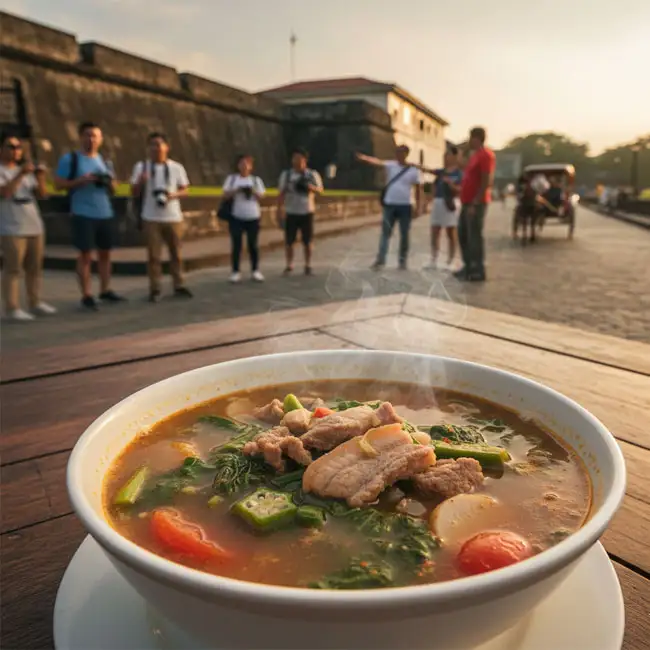
🐷 Recipe 1: Classic Sinigang na Baboy (Pork Sour Soup)
🍋 About this Recipe
If you ask any Filipino what their "soul food" is, nine times out of ten, they’ll say Sinigang. It is a tamarind-based sour soup that hits every taste bud. It’s savory, sour, and packed with vitamin-rich vegetables. It’s the ultimate "reset" meal. While there are many variations (shrimp, fish, or beef), the pork version—specifically using ribs or belly—is the gold standard for many.
🍅 Ingredients & Measurements
• 500 grams of Pork spare ribs or Pork belly (cut into cubes)
• 1.5 liters of Water (or Rice wash for extra thickness)
• 40 grams of Tamarind soup base powder (or 100 grams of fresh tamarind)
• 2 large Tomatoes (quartered)
• 1 medium Red onion (quartered)
• 1 bundle of Sitaw (Long beans, cut into 2-inch pieces)
• 1 piece of Labanos (Daikon radish, sliced into rounds)
• 1 bundle of Kangkong (Water spinach) or regular Spinach
• 2 pieces of Siling Haba (Long green chili peppers)
• 2 tablespoons of Patis (Fish sauce)
• 1/2 teaspoon of Black pepper
🥘 Step-by-Step Instructions
1.Sear and Boil: In a large pot, add the pork cubes and water. Bring it to a boil.
2.Clean the Broth: You’ll see some gray foam rise to the top. Use a spoon to skim that off—it keeps your soup looking clear and appetizing.
3.The Aromatics: Add the onions and tomatoes. Lower the heat to a simmer and cover the pot. Let the pork cook until it’s tender (usually 45 to 60 minutes depending on the cut).
4.Sour Power: Once the pork is tender, pour in your tamarind powder (or tamarind juice). Season with fish sauce and black pepper. Stir well.
5.Veggies First: Add the radish and the long beans. Let them simmer for about 5 minutes.
6.The Kick: Drop in the long green chilies. Don't break them unless you want it very spicy!
7.The Green Finish: Lastly, add the kangkong or spinach. Turn off the heat and cover the pot for 2 minutes. The residual heat will perfectly wilt the leaves without overcooking them.
8.Serve: Ladle into a big bowl and serve with a side of fish sauce and extra chili for dipping.
💡 Tips & Mistakes to Avoid
• Don't rush the meat: If the pork is tough, the whole experience is ruined. Make sure the meat is "fall-off-the-bone" tender before adding the souring agent.
• Add the souring agent late: If you add the tamarind too early, the meat can sometimes take longer to soften.
• Rice Wash: For a more traditional taste, use the water from washing your rice (the second or third rinse) as your soup base. It adds a subtle starchiness and depth.
❓ FAQ
Q1.Can I make this vegan?
Yes! Swap the pork for firm tofu and mushrooms, and use salt or soy sauce instead of fish sauce.
Q2.Is it supposed to be that sour?
Sinigang is personal. Start with half the tamarind powder, taste it, and add more until it makes your eyes squint just a little bit!
📝 Summary
Sinigang na Baboy is a masterpiece of balance. It’s refreshing yet hearty, and once you master the "sourness" level that you like, it will become a permanent fixture in your kitchen.

🍗 Recipe 2: Healing Chicken Tinola (Ginger Chicken Soup)
🧄 About this Recipe
Chicken Tinola is the Filipino version of chicken noodle soup—minus the noodles. It is the ultimate "get well soon" dish. The secret is the heavy use of ginger and garlic, which creates a broth that is incredibly soothing for the throat and the soul. It’s light, clear, and packed with nutrients.
🥬 Ingredients & Measurements
• 500 grams of Chicken (bone-in pieces like thighs or drumsticks)
• 1.5 liters of Water
• 2 tablespoons of Cooking oil
• 1 thumb-sized piece of Ginger (peeled and sliced into thin strips)
• 4 cloves of Garlic (minced)
• 1 medium Onion (chopped)
• 1 small Sayote (Chayote squash) or Green Papaya (sliced into wedges)
• 1 cup of Malunggay (Moringa) leaves or Chili leaves
• 2 tablespoons of Fish sauce (Patis)
• 1/2 teaspoon of Black pepper
🥘 Step-by-Step Instructions
1.Sauté the Aromatics: In your pot, heat the oil. Sauté the ginger first until it’s slightly browned and very fragrant. Then add the garlic and onion until softened.
2.Brown the Chicken: Add the chicken pieces to the pot. Sauté them for about 5 minutes until the outside is no longer pink. This "searing" step locks in the flavor.
3.The Seasoning: Pour in the fish sauce and black pepper. Stir to coat the chicken.
4.Simmer: Pour in the water. Bring to a boil, then lower the heat. Cover and simmer for 30 minutes.
5.The Veggies: Add the sayote or green papaya wedges. Simmer for another 10 minutes or until the squash is fork-tender.
6.The Leafy Greens: Turn off the heat and stir in the malunggay or chili leaves. Cover the pot for a minute to let them wilt.
7.Serve: This soup is best served piping hot with a bowl of steamed rice.
💡 Tips & Mistakes to Avoid
• More ginger is better: Don't be afraid of the ginger! It provides the "bite" and the healing properties of the soup.
• Use bone-in chicken: Bone-in chicken yields a much richer, more flavorful broth than boneless breasts.
• Don't overcook the greens: Malunggay leaves can become bitter if boiled for too long. Adding them at the very end is the way to go.
❓ FAQ
Q1.What is a good substitute for Sayote?
If you can't find chayote or green papaya, zucchini works surprisingly well as a substitute.
Q2.What if I don't like fish sauce?
You can use salt, but you'll miss out on that specific "umami" depth that defines Filipino cooking.
📝 Summary
Tinola is simplicity at its finest. It’s a clean, bright soup that highlights the natural flavors of chicken and ginger. It’s the culinary equivalent of a warm hug.
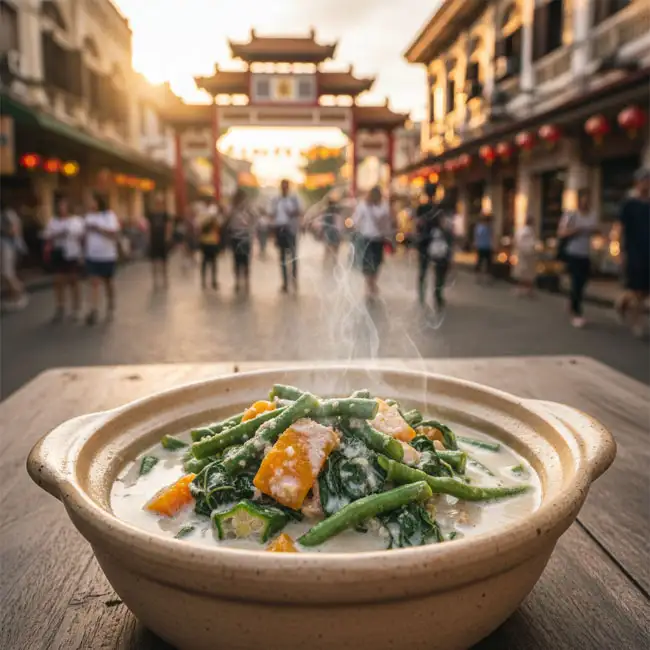
🥥 Recipe 3: Ginataang Gulay (Vegetables in Coconut Milk)
🎃 About this Recipe
While not always a "clear" soup, Ginataang Gulay is a thick, creamy vegetable stew/soup that is incredibly popular in the coastal regions of the Philippines. "Ginataan" means "cooked with coconut milk." It’s a fantastic way to eat a huge variety of vegetables in one sitting. It’s rich, slightly sweet from the squash, and incredibly satisfying.
🥛 Ingredients & Measurements
• 2 cups of Kalabasa (Kabocha squash or Butternut squash, cubed)
• 1 bundle of Sitaw (Long beans, cut into 2-inch pieces)
• 1 can (400ml) of Coconut milk (Gata)
• 1/2 cup of Water
• 150 grams of Shrimp (peeled and deveined, optional) or Pork bits
• 3 cloves of Garlic (minced)
• 1 medium Onion (chopped)
• 1 tablespoon of Ginger (minced)
• 2 tablespoons of Bagoong Alamang (Shrimp paste) or Fish sauce
• 2 pieces of Siling Haba (Long green chili)
• 1 tablespoon of Cooking oil
🥘 Step-by-Step Instructions
1.The Base: Heat oil in a pot. Sauté the garlic, onion, and ginger until fragrant.
2.The Protein: If using pork, sauté it until browned. If using shrimp, sauté them just until they turn pink, then remove them and set aside (to avoid overcooking).
3.The Hard Veggies: Add the squash cubes and the shrimp paste (or fish sauce). Stir to coat the squash.
4.Simmer in Coconut: Pour in the coconut milk and water. Bring to a gentle simmer. Cover and cook for about 10–12 minutes until the squash starts to soften.
5.Mash for Creaminess (Pro Tip): Take a few pieces of the softened squash and mash them against the side of the pot. This makes the sauce extra thick and golden!
6.The Green Veggies: Add the long beans and the green chilies. Simmer for another 5 minutes.
7.The Final Touch: If you removed the shrimp earlier, toss them back in now. Stir gently for 1 minute.
8.Serve: This is very rich, so it’s best served over a large portion of rice to soak up that creamy coconut sauce.
💡 Tips & Mistakes to Avoid
• Don't boil the coconut milk too hard: High heat can cause the coconut milk to "curdle" or separate into oil. Keep it at a gentle simmer.
• Squash choice: Kabocha squash (the one with the green skin) is the best because it holds its shape while also becoming creamy.
• Saltiness: Shrimp paste is very salty, so add it gradually. You can always add more, but you can't take it out!
❓ FAQ
Q1.Is this spicy?
The green chilies add aroma, but if you want heat, you can chop them up or add red bird's eye chilies.
Q2.Can I make it vegan?
Definitely! Skip the pork/shrimp and use a vegan-friendly fermented bean paste or just salt instead of shrimp paste.
📝 Summary
Ginataang Gulay is a tropical delight. It’s creamy, hearty, and feels much more indulgent than a typical vegetable soup. It’s perfect for when you want something that feels a bit more substantial.
✨ Final Thoughts
There you have it—three different ways to bring the heart of a Filipino kitchen into your home. Whether you're craving the sharp, refreshing tang of Sinigang, the healing warmth of Tinola, or the rich, tropical creaminess of Ginataang Gulay, these one-bowl recipes are your ticket to an authentic Pinoy experience.
The beauty of these soups is that they are very forgiving. You can swap veggies based on what's in your garden or fridge, and you can adjust the seasonings to fit your personal palate. Filipino cooking is all about "Tantya"—cooking by feel and taste.
I’d love for you to try making these. Maybe start with the Tinola if you're feeling under the weather, or the Sinigang if you want something bold and exciting. Once you try them, you’ll understand why "Sabaw" is such a huge part of our culture.
| 🇵🇭 🍲 < Back |