
🏠 Home > 🗺️ Recipes > 🔥🍗 First Flame Hearth (Primitive Roasted Meats) > 🐉 Nihewan Basin & Zhoukoudian: First Flame Hearth (Primitive Roasted Meats) Recipes > 🔥🍗 1.Nihewan Steppe Rhino-Inspired Fire-Roasted Steak
🔥🍗 A Journey into Nihewan Basin’s Ancient World of Rhino Steak and Early Human Survival
Published by Supakorn | Updated: November 2026
A Journey into Nihewan Basin’s Ancient World of Rhino Steak and Early Human Survival
🔥 Prehistoric Ancestral Palate: The Lower Paleolithic, Approximately 2.6 Million–300,000 Years Ago
Imagine standing on an ancient grassland overlooking the Nihewan Basin, where open steppe, scattered woodland, seasonal wetlands, and rugged terrain once shaped the lives of early humans. The wind moves across the landscape, carrying the earthy scent of soil and dry vegetation. Somewhere in the distance, prehistoric animals leave fresh tracks in the mud, while sharp stone flakes lie beside a patch of disturbed ground.
This is the world that inspires our prehistoric rhino steak recipe.
The Lower Paleolithic was a vast chapter in human evolution, lasting millions of years and encompassing different hominin species, changing climates, and remarkable advances in stone technology. It was not a single culinary tradition but a long period during which our ancestors developed increasingly sophisticated ways to find, process, and consume food.
The Nihewan Basin in northern China is particularly fascinating because its archaeological record preserves evidence of early hominin activity extending deep into the Pleistocene. Ancient stone artifacts and animal remains help researchers investigate how early humans adapted to changing environments.
Our recipe takes inspiration from this extraordinary landscape. It combines the rugged character of steppe wildlife with a modern, practical approach to open-fire cooking, creating a dish that celebrates the imagination of ancestral eating without pretending to reproduce a scientifically verified prehistoric recipe.
🔥 The Dawn of Fire and Stone: 300,000–2,500,000 Years of Early Hominin Survival
Long before modern kitchens, supermarkets, and metal cookware existed, early hominins depended on their surroundings for nearly everything they ate. They gathered edible plant materials, scavenged animal carcasses, hunted when opportunities arose, and used stone tools to process resources that would otherwise have been difficult to access.
Picture an ancient landscape at sunrise. Cold air settles over the grasslands, and a distant herd moves through the mist. A group of early humans searches for food, examining the ground for edible roots, fallen plant material, and signs of animals.
Their equipment is simple by modern standards, yet stone flakes and handaxes could make an enormous difference. Sharp edges helped separate meat from connective tissue, cut through hide, and break down portions of a carcass. Larger stone tools could also support demanding tasks such as processing tough animal materials.
Fire adds another fascinating dimension to this story. Natural fires provided opportunities to encounter heat, cooked food, and protective warmth. However, the timing and extent of habitual fire use remain important archaeological questions, and evidence differs between sites and periods.
Rather than assigning one universal cooking method to every early human group, this recipe uses a controlled modern fire to evoke the atmosphere of an ancient hearth.
🌱 The Primordial Genesis of Human Sustenance
Food was never simply fuel. It was a daily challenge involving energy, opportunity, risk, and environmental knowledge.
Early hominins encountered a wide variety of food resources, including animal tissues, marrow, underground plant parts, fruits, seeds, and other edible materials depending on their habitats and the seasons. The balance between these foods changed with geography, climate, and the availability of local resources.
Animal fat and marrow were especially valuable because they supplied concentrated energy. Lean meat provided protein, while edible plant foods could contribute carbohydrates, fiber, vitamins, and minerals.
There is no single menu that accurately represents every hominin species across millions of years. The earliest human relatives were not all living on giant-animal steaks, and the importance of particular foods varied considerably.
Still, the idea of combining a substantial piece of meat with earthy roasted roots makes a compelling modern interpretation of ancestral food gathering.
Our rhino-inspired steak celebrates that broad relationship between humans and their environment. It also reminds us that survival depended on flexibility rather than a rigid diet.
🧬 The Lower Paleolithic Culinary Awakening
Stone technology transformed the way early humans interacted with food. A well-made cutting edge could help process an animal more efficiently, while pounding tools could expose nutrient-rich tissues hidden inside bones.
Cooking, when available, offered additional advantages. Heat can soften some foods, improve the digestibility of many starches, change the texture of meat, and reduce certain biological hazards when food is heated appropriately.
But we should distinguish archaeological evidence from culinary imagination. A fossilized bone bearing cut marks does not reveal a complete recipe, and an ancient stone tool cannot tell us exactly how a particular meal tasted.
That is where our modern kitchen becomes a creative laboratory.
We can recreate the broad sensory experience of prehistoric-inspired cooking through smoke, natural browning, roasted roots, and carefully rendered marrow. The result is not a recovered 1.6-million-year-old recipe. It is a contemporary dish inspired by the landscapes, food resources, and survival challenges associated with the Lower Paleolithic.
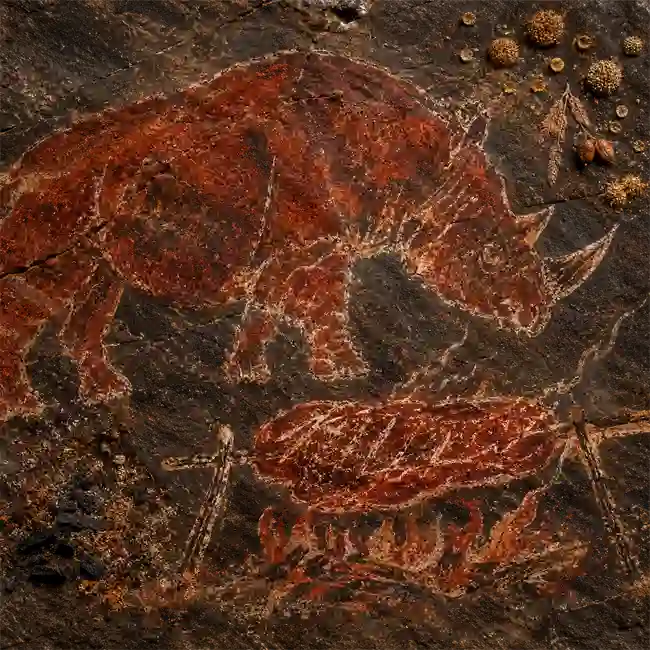
🥩 Recipe: Nihewan Steppe Rhino-Inspired Fire-Roasted Steak
Modern ancestral-inspired cooking · Serves 2–3 · Preparation: 20 minutes · Cooking: 20–35 minutes, depending on thickness and method
This recipe imagines the kind of substantial animal-food centerpiece that might capture the drama of an ancient steppe landscape. The modern version uses beef or elk rather than rhinoceros meat.
Rhinoceroses are protected wildlife in many jurisdictions, and this recipe does not call for real rhino meat. The dish is a culinary interpretation inspired by prehistoric fauna, not an authentic reconstruction of an ancient meal.
The aim is straightforward: a deeply browned steak, a savory marrow accompaniment, and roasted roots that bring earthy sweetness to the plate.
🦴 Whispers from the Ancient Cave Wall
Archaeological sites preserve fragments of stories that written history cannot tell. Stone artifacts, animal bones, sediment layers, and occasional traces of ancient burning allow researchers to reconstruct aspects of early human behavior.
Some animal bones bear cut marks consistent with stone-tool processing. Others display fractures that may relate to marrow extraction or other activities. Interpreting these traces requires careful analysis because natural processes, carnivore activity, and human actions can sometimes leave similar marks.
The Nihewan Basin provides an important setting for studying early human occupation in East Asia. Its ancient environments changed over time, creating different opportunities and challenges for the animals and hominins that lived there.
Imagine finding a cluster of stone flakes beside animal remains on an ancient landscape. It might suggest a moment of resource processing, but it would not automatically prove that people gathered around a permanent hearth or prepared a particular steak.
Our imagined steppe feast therefore draws its atmosphere from archaeological evidence while leaving the unknown details open to discovery.
🌾 Wild Savannah Treasures and the Hominin Larder
🥩 The Primitive Staples
For this modern recipe, the ingredients reflect broad categories of food that have long been important to human diets, rather than a claim that every ingredient appeared together at Nihewan 1.6 million years ago.
◦ Steppe-inspired steak: A thick beef ribeye or elk steak provides the main attraction. Beef offers rich flavor and convenient availability, while elk has a leaner, distinctly game-like character.
◦ Marrow-rich bones: Beef marrow bones provide a savory accompaniment inspired by the importance of marrow as an energy-rich food resource.
◦ Underground plant foods: Sweet potatoes, carrots, or parsnips stand in for the broader category of edible underground plant parts. These are modern substitutes, not confirmed ingredients from the ancient Nihewan diet.
◦ Wild aromatic plants: A small amount of rosemary or thyme adds a woodland aroma to the contemporary version.
◦ Natural seasoning: Salt and freshly cracked black pepper enhance the steak without overwhelming its flavor.
◦ Cooking fat: A small amount of rendered beef fat helps the roots brown and contributes a rich, savory finish.
🛒 Modern Kitchen Substitutes
Choose ingredients according to your preferred flavor and the equipment available in your kitchen.
◦ Beef ribeye: Use 400–500 grams for two generous servings. Its marbling helps keep the steak succulent.
◦ Elk steak: Substitute 400–500 grams if you prefer a leaner, game-inspired flavor. Because elk is lean, monitor the cooking temperature carefully.
◦ Beef marrow bones: Use 150–200 grams of marrow bones, preferably prepared by a reputable butcher.
◦ Sweet potatoes: Use 250 grams, peeled if desired and cut into evenly sized pieces.
◦ Carrots or parsnips: Use 150 grams to add sweetness and contrasting texture.
◦ Fresh rosemary or thyme: Use approximately 1 teaspoon of finely chopped leaves.
◦ Salt: Begin with 4–5 grams for the steak and adjust to taste.
◦ Black pepper: Add approximately half a teaspoon, freshly ground.
◦ Beef tallow or another suitable cooking oil: Use 1 tablespoon for roasting the vegetables.
⚖️ Paleolithic Proportions
For a balanced, modern interpretation of a primal meal, use the following proportions by weight:
◦ 40% steak: The principal protein-rich component.
◦ 20% marrow and cooking fat: A concentrated, rich component that should be used in moderation according to personal preference.
◦ 35% roasted roots: The earthy, naturally sweet accompaniment.
◦ 5% herbs and seasoning: The finishing layer that brings the flavors together.
These proportions are a contemporary recipe framework, not measured evidence of a Lower Paleolithic diet.
For a practical two-person serving, start with 450 grams of steak, approximately 200 grams of marrow bones, 400 grams of mixed root vegetables, and small amounts of herbs and seasoning. Adjust the quantities to suit appetite and dietary needs.
🔥 The Handaxe Culinary Ritual
The ancient handaxe inspires the name of this cooking method, but use modern kitchen equipment for all food preparation. Stone artifacts belong in archaeological contexts, not as improvised food-processing tools.
⭐ Step 1: Prepare the ingredients.
Pat the steak dry with clean paper towels. Season it with salt and pepper. Cut the root vegetables into evenly sized pieces so they cook at a similar rate.
⭐ Step 2: Roast the roots.
Preheat the oven to approximately 392 degrees Fahrenheit / 200 degrees Celsius. Toss the vegetables with the cooking fat and chopped herbs, then spread them across a roasting tray.
Roast for around 25–35 minutes, turning once, until the pieces are tender and browned at the edges.
⭐ Step 3: Prepare the marrow.
Place the marrow bones in a separate oven-safe tray. Roast until the marrow is thoroughly heated and soft. The exact timing depends on the size and shape of the bones.
Use a clean utensil to remove the marrow, and avoid cross-contamination between raw meat, cooked food, and serving equipment.
⭐ Step 4: Sear the steak.
Heat a heavy skillet or suitable grill until hot. Sear the steak on both sides to develop a rich brown crust, then reduce the heat or move it to a cooler part of the grill to finish cooking.
For food safety, use a thermometer rather than judging doneness by color alone. Whole beef and elk steaks should reach at least 63°C internally, followed by a three-minute rest. Follow stricter local guidance when serving anyone at higher risk from foodborne illness.
⭐ Step 5: Rest and assemble.
Transfer the steak to a clean plate and let it rest for three minutes or longer as appropriate for its size. Arrange the roasted roots alongside it and serve the marrow in a small portion.
The finished dish should look rustic rather than elaborate: a dark, seared steak, golden roots, and a small spoonful of rich marrow.
🌋 Secrets of the Primordial Hearth
The best prehistoric-inspired cooking is not about making food unnecessarily complicated. It is about understanding heat, texture, and the character of the ingredients.
• Choose steady heat over towering flames. Excessive flame can char the outside before the center cooks properly. A stable heat source makes browning more predictable.
• Dry the surface before searing. Moisture on the steak creates steam and delays browning. Patting the surface dry encourages a more flavorful crust.
• Respect lean game meat. Elk generally contains less fat than well-marbled beef. Watch the internal temperature closely to avoid drying it out.
• Keep marrow portions modest. Marrow adds richness, but it is energy-dense. A small serving can contribute plenty of flavor.
• Roast roots evenly. Pieces of similar size cook at a similar pace, reducing the chance of burnt edges and hard centers.
• Never use unidentified wild plants. Many plants resemble edible species while containing harmful compounds. Use verified, food-grade ingredients instead.
• Avoid unsafe stone cooking experiments. Unknown rocks may crack or release contaminants when heated. Use cookware specifically designed for high-temperature cooking.
• Prevent cross-contamination. Keep raw meat separate from cooked vegetables and clean all utensils, cutting boards, and surfaces after contact with raw animal products.
The real secret is patience. A controlled fire, careful preparation, and attention to temperature will produce a more satisfying steak than simply turning the heat as high as possible.
🦏❓ Lower Paleolithic Wisdom and Secrets FAQ
Q1. Did early humans in the Nihewan Basin actually eat rhinoceros steak?
Animal remains and stone artifacts can help researchers investigate how early hominins interacted with their environment, but the title of this recipe does not establish that rhinoceros steak was a documented meal at a specific Nihewan site. Evidence of animal exploitation must be evaluated site by site.
Q2. Why was bone marrow valuable to early humans?
Bone marrow contains fat and provides concentrated dietary energy. Its accessibility depended on the animal, the condition of the bones, and the tools available. However, we cannot assume that every hominin group regularly extracted marrow or that its contribution to the diet was identical across regions.
Q3. Were roasted roots and wild seeds part of the Lower Paleolithic diet?
Edible underground plant parts and seeds are plausible food resources for many early hominins, depending on their environment. Direct evidence is difficult to preserve, so particular ingredients should not be attributed to Nihewan without appropriate archaeological support. Modern sweet potatoes and carrots are practical substitutes for this recipe, not verified prehistoric ingredients.
Q4. How can I recreate an ancient cooking experience safely?
Use modern cookware, food-grade ingredients, a controlled heat source, and a reliable thermometer. Avoid unknown wild plants, improvised heated rocks, and meat from protected wildlife. You can create a rustic atmosphere without sacrificing food safety or making unsupported historical claims.
🌿 The Untamed Soul of Primeval Flavor
There is something deeply satisfying about a meal built around a few recognizable ingredients. A well-seared steak provides a savory, roasted flavor, while root vegetables contribute sweetness and a softer texture. Marrow adds a rich, almost buttery quality that ties the dish together.
The experience is intentionally simple. Instead of relying on a complicated sauce, the recipe emphasizes browning, natural fat, herbs, and the contrast between crisp edges and tender interiors.
This simplicity should not be confused with a complete picture of ancient eating. Prehistoric foodways were diverse, and modern ancestral-inspired meals inevitably reflect contemporary ingredients, preferences, and cooking technology.
Still, preparing a dish like this can be a useful way to think about the relationship between food, landscapes, and human ingenuity. Every ingredient has a story, and every cooking technique reflects a decision about how to transform raw materials into a satisfying meal.
The result is a modern tribute to the resourcefulness of our ancient relatives, served straight from a contemporary kitchen.
🏕️ Final Thoughts: Unleashing the Lower Paleolithic Heritage in Your Modern Kitchen
The Nihewan Basin invites us to imagine a world in which finding food required close attention to the environment, flexible problem-solving, and an intimate understanding of available resources.
Our steppe rhino-inspired steak translates that sense of discovery into a dish you can prepare today. A thick steak, roasted root vegetables, a modest portion of marrow, and carefully controlled heat create a meal that feels rustic without requiring specialized equipment or hard-to-find ingredients.
You do not need an actual cave, an ancient handaxe, or a reconstructed prehistoric hearth to enjoy the experience. A heavy skillet, an oven, and a few carefully chosen ingredients are enough.
The most rewarding part is the connection between curiosity and cooking. Learning about ancient environments can change the way we think about familiar foods, while a practical recipe turns that curiosity into something tangible.
Remember, this is a modern culinary interpretation rather than a recovered recipe from 1.6 million years ago. That distinction makes the experience more meaningful, not less: we can appreciate the archaeological record while still exploring its inspiration through food.
Prepare the steak, roast the roots, gather around the table, and let the flavors spark your imagination about life on the ancient steppe.
🔥 The Sacred Tribe: Claim Your Lower Paleolithic Heritage
Are you fascinated by ancient foodways, prehistoric landscapes, and the resourcefulness of early humans? Welcome to a community of curious cooks and ancestral-food enthusiasts who enjoy exploring the past through thoughtful, practical recipes.
From fire-roasted steaks and marrow-inspired dishes to earthy root vegetables and simple outdoor cooking, there are countless ways to bring prehistoric themes into a modern kitchen.
Share your favorite ingredients, experiment with different cuts of meat, and discover how cooking methods can transform familiar foods. Whether you prefer the bold flavor of beef, the lean character of elk, or a plant-forward interpretation of ancestral eating, your kitchen can become a place for exploration.
The spirit of this imagined tribe is curiosity rather than imitation: respect the evidence, appreciate the diversity of ancient diets, and enjoy creating dishes that connect modern cooking with the long human story of finding and preparing food.
📜 Credit to the Keepers of the Lower Paleolithic Legacy
This recipe is an original, modern culinary interpretation inspired by the Lower Paleolithic period, early hominin survival, archaeological discoveries in the Nihewan Basin, and the study of ancient stone-tool traditions.
Its ingredients, proportions, and cooking instructions have been developed for contemporary kitchens using readily available food-safe ingredients. The rhino-steak theme is symbolic and does not represent a verified archaeological recipe or a claim that rhinoceros meat was consumed at a specific site 1.6 million years ago.
By combining archaeological curiosity with responsible cooking practices, this dish celebrates the ingenuity of early humans while recognizing the limits of what the surviving evidence can tell us.
The past leaves clues rather than complete cookbooks. Our role is to explore those clues with imagination, respect, and a willingness to distinguish historical evidence from culinary storytelling.
| 🐉 🔥🍗 < Back |