
🏠 Home > 🗺️ Recipes > 🥘 Sauces > 🇲🇲 Myanmar Sauces > 🥘 Ngapi Yay (The Umami Bomb Fish Paste Dipping Sauce) , Ma’Gyee Yee (Sweet & Sour Tamarind Chili Dipping Sauce) , Kyet Thnuba Cho (The Crispy Garlic Oil Condiment)
🥘 The Unsung Heroes of Myanmar Cuisine: 3 Essential Sauces and Condiments You Must Master
Published by Supakorn | Updated: February 2026
Introduction: A Culinary Journey to the Golden Land
When you think of the culinary world of Myanmar (Burma), your mind probably jumps to the creamy bowl of Ohn No Khao Swè or the vibrant textures of Lahpet Thoke (Tea Leaf Salad). But here’s a secret that any true Burmese food lover knows: the true magic lies in the sauces and condiments.
In Myanmar, the main dishes—the curries, the noodles, the rice—are the canvas, but the dipping sauces, chili pastes, and infused oils are the glorious, vibrant strokes of color that complete the masterpiece. These aren’t afterthoughts; they are the heart of the meal, offering crucial flavor balance—the acid to cut through the richness, the heat to warm the soul, and the umami to keep you coming back for more.
Burmese cuisine is a fascinating blend of the sour tang of India, the aromatics of China, and the heat of Southeast Asia. And in the world of sauces, this fusion shines brightest. From the potent, savory depth of fermented fish paste to the bright sweetness of tamarind, these generational recipes are what make Burmese home cooking so unique and utterly addictive.
This is your master guide to three foundational, utterly essential Myanmar condiments. They are incredibly versatile, easy to store, and once you make them, your home kitchen will never be the same.
Ready to level up your entire dinner game? Let's dive into these flavorful treasures!
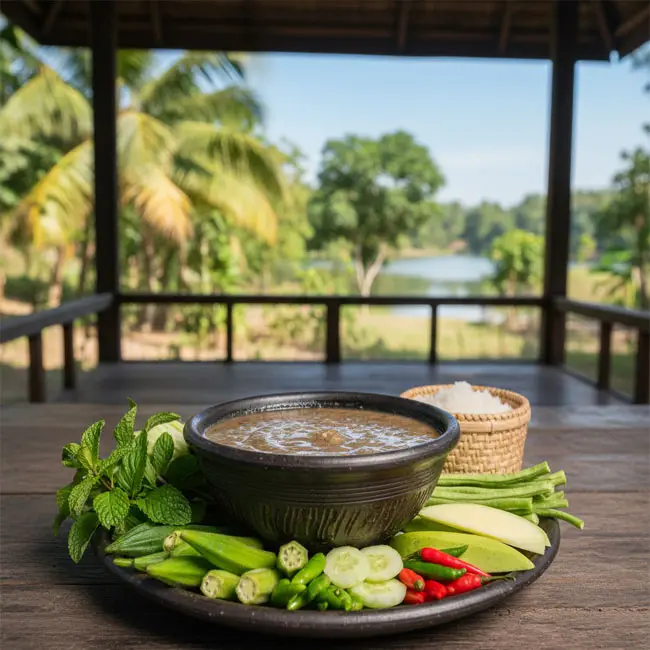
🔹 Recipe 1: Ngapi Yay (The Umami Bomb Fish Paste Dipping Sauce)
About this Recipe (Introducing the Menu)
If you want to understand the true, deep savory heart of Burmese cuisine, you must start with Ngapi Yay (ငါးပိရည်). It is arguably the most essential condiment in any Burmese household. The name literally means "Fish Paste Water", and it is the diluted, boiled, and seasoned form of Ngapi, a fermented fish or shrimp paste.
Now, don't let the name scare you. While the raw paste can have a powerful aroma, the process of making Ngapi Yay transforms it into a complex, intensely savory, and slightly tangy dipping sauce. It’s an umami bomb—salty, pungent, and utterly addictive.
Ngapi Yay is traditionally served at room temperature with a huge platter of fresh and blanched vegetables (called Toh Zya), making it a popular appetizer or a crucial side dish to rice and simple curries. It’s the Burmese equivalent of Korean ssamjang or Thai nam prik, binding the plain elements of a meal with concentrated flavor.
Ingredients & Measurements
Ingredient - Measurement - Notes
The Base
- Ngapi (Fermented Fish Paste) 2 tbsp Shrimp or fish paste, the darker the more pungent.
- Warm Water 1/2 cup Used to dilute and cook the paste.
Aromatics & Seasoning
- Garlic 3 cloves Finely minced or crushed.
- Shallots (or Red Onion) 1 small Finely chopped.
- Fresh Chili (e.g., Bird's Eye) 2–3, sliced Adjust to your spice preference.
- Lime Juice 1 tbsp Freshly squeezed is essential for brightness.
- Sugar (or Palm Sugar) 1/2 tsp To balance the saltiness.
- Turmeric Powder 1/4 tsp For color and earthy depth (optional).
Step-by-Step Instructions
1.Boil the Base: In a small saucepan, combine the Ngapi and warm water. Bring the mixture to a gentle boil over low to medium heat, stirring continuously to dissolve the paste. Simmer for about 5–10 minutes. This step is crucial to cook out the raw flavor and aroma of the fish paste.
2.Add Aromatics: After simmering, turn off the heat. Stir in the minced garlic, chopped shallots, sliced fresh chilies, and turmeric powder (if using). The residual heat will soften the aromatics slightly.
3.Season and Balance: Let the sauce cool down for a minute or two. Then, stir in the lime juice and sugar.
4.Taste and Adjust: This is the most important step. Taste the dip and adjust. Does it need more tang? Add more lime. Is it too pungent? Add a tiny bit more sugar. Is it too thick? Add a tablespoon of warm water. The final sauce should be thin enough for dipping, but thick enough to cling to vegetables, with a strong, balanced flavor.
5.Serve: Transfer to a small bowl and serve at room temperature alongside an assortment of raw and blanched vegetables like cucumber, cabbage, okra, or raw carrots.
Tips & Mistakes to Avoid
- Start Low on Ngapi: If you are new to fermented fish paste, start with a smaller amount (1.5 tbsp) and increase it to your liking. It is a powerful flavor!
- Blanching Veggies: For an authentic experience, lightly blanch some vegetables like green beans and okra. Dip them in ice water after blanching to preserve their vibrant color and crunch.
- The Pounding Method: Traditionally, the garlic, shallots, and chili are pounded with the ngapi in a mortar and pestle before boiling with water. This method releases maximum flavor.
FAQ
Q: Can I use Thai Fish Sauce (Nam Pla) instead of Ngapi?
A: You can, but the flavor profile will be very different. Fish sauce is a liquid seasoning, whereas Ngapi is a paste, offering a much deeper, richer, and more complex earthy umami flavor that is characteristic of Burmese sauces.
Q: How long can I store Ngapi Yay?
A: Because it has been boiled, it can be kept in an airtight container in the refrigerator for up to 3–4 days. However, the fresh ingredients (chilies, lime) are best when fresh.
Summary
Ngapi Yay is a journey for the palate. It’s challenging, rewarding, and undeniably authentic. Mastering this sauce means mastering the foundation of countless Burmese meals.
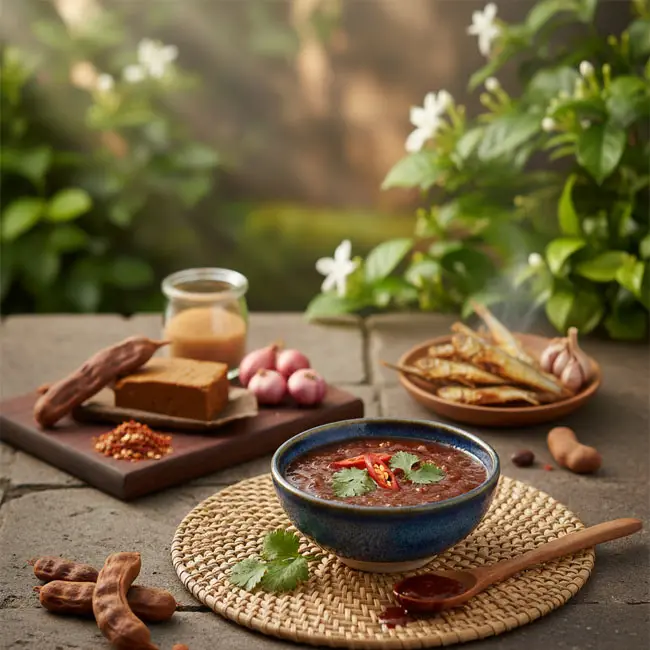
🔹 Recipe 2: Ma’Gyee Yee (Sweet & Sour Tamarind Chili Dipping Sauce)
About this Recipe (Introducing the Menu)
Not all Burmese sauces are focused on fish paste! Ma'Gyee Yee (မကျည်းရည်), or Tamarind Chili Sauce, provides a welcome, brightly acidic, and spicy contrast to the savory richness of other Burmese dishes. Ma’Gyee is the Burmese word for Tamarind, and this sauce highlights the intense, fruity tang of the pulp, which is a staple across the country.
This dip is a beloved accompaniment to many fried snacks (a-kyaw), such as Buthi Kyaw (gourd fritters) and Pe Kyaw (split pea crackers). It’s also fantastic drizzled over noodles or as a dipping sauce for spring rolls. It captures the essential South-East Asian balance: sour, sweet, and spicy with a depth provided by aromatics like garlic and ginger.
Ingredients & Measurements
Ingredient - Measurement - Notes
The Base
- Tamarind Paste/Pulp 1/2 cup If using pulp, soak it in 1 cup of warm water and strain.
- Water (if using paste) 1/4 cup To thin the paste into a sauce.
Flavor & Heat
- Brown Sugar (or Palm Sugar) 3 tbsp Adjust to balance the tamarind's sourness.
- Chili Flakes (or Powder) 1–2 tsp Adjust for desired heat.
- Fish Sauce (optional) 1/2 tsp To add a touch of umami.
Aromatics
- Garlic 3 cloves Minced.
- Ginger 1/2 inch piece Grated or finely minced.
- Salt Pinch To taste.
Step-by-Step Instructions
1.Prepare the Tamarind Base: If you are starting with tamarind pulp, soak it in warm water for 30 minutes, then squeeze and strain it to get a smooth, thick liquid. If using a concentrated paste, simply mix it with 1/4 cup of water in a small saucepan.
2.Cook the Sauce: Place the saucepan over medium-low heat. Stir in the brown sugar, chili flakes, and a pinch of salt. Cook gently for about 3–5 minutes, stirring until the sugar is completely dissolved and the sauce thickens slightly to a syrupy consistency.
3.Add Aromatics: Remove the pan from the heat. Stir in the minced garlic and grated ginger. The residual heat will lightly cook them, releasing their flavor without making them bitter.
4.Final Seasoning: Stir in the optional fish sauce for a savory boost. Taste and adjust. Does it need more heat? Add more chili. Too sour? Add more sugar. Too thick? Add a teaspoon of warm water.
5.Serve: Allow the sauce to cool completely. The flavors will meld beautifully as it rests. Serve in a small dish with any fried or savory snack you desire.
Tips & Mistakes to Avoid
- Balance is Crucial: Tamarind varies wildly in sourness. Always taste your tamarind liquid before adding the sugar, and add the sugar incrementally until you reach a perfect balance of sweet, sour, and heat.
- Storage: This sauce keeps extremely well! Store it in a sealed jar in the refrigerator for up to 2 weeks. The flavors will deepen over time.
- The Optional Fry: For a more aromatic sauce, you can gently sauté the garlic and ginger in a teaspoon of oil for 30 seconds before adding the tamarind liquid in step 2.
FAQ
Q: Can I use lemon or lime juice as a substitute for tamarind?
A: Lemon or lime juice can provide the sourness, but you will miss the characteristic deep, fruity, and slightly earthy flavor that only tamarind offers. It's best to try to find tamarind paste or pulp for an authentic result.
Q: Is there a way to make this spicier?
A: Absolutely! Use fresh, crushed chilies (like Bird's Eye) instead of flakes, or add a teaspoon of your favorite Burmese-style chili oil to the finished sauce.
Summary
Ma’Gyee Yee is a flavor powerhouse—tangy, sweet, and spicy. It’s the perfect foil for heavy, fried foods and is a testament to the refreshing use of fruit in Burmese savory cooking.

🔹 Recipe 3: Kyet Thnuba Cho (The Crispy Garlic Oil Condiment)
About this Recipe (Introducing the Menu)
While the first two are dipping sauces, Kyet Thnuba Cho (ကြက်သွန်ဖြူဆီ), or Aromatic Crispy Garlic Oil, is a condiment that finds its way into almost every Burmese dish, from noodles and salads to soups and curries. If there is a secret ingredient that gives many Burmese street foods their irresistible aroma and nutty richness, this is it.
This is more than just garlic and oil; it’s a fragrant, flavor-infused oil with highly prized crispy, golden-brown garlic flakes. The oil itself is used as a dressing or cooking oil, and the crispy flakes are used as a crunchy, aromatic garnish. It's an indispensable component for dishes like Nan Gyi Thoke (thick rice noodle salad) and Khao Soi (coconut noodle soup). This recipe is not just a condiment; it's a pantry staple.
Ingredients & Measurements
Ingredient - Measurement - Notes
- Neutral Cooking Oil 1 cup Peanut, canola, or vegetable oil is best.
- Fresh Garlic 1 cup Peeled and very thinly sliced or coarsely minced.
- Turmeric Powder (optional) 1/4 tsp For a golden color and subtle earthiness.
- Salt 1/2 tsp To season the finished flakes.
Step-by-Step Instructions
1.Prep the Garlic: Peel and very thinly slice or coarsely mince the fresh garlic. The key is to have the pieces as uniform as possible so they cook evenly. A food processor can work, but avoid turning it into a paste.
2.Start Cold: Place the oil and garlic in a heavy-bottomed saucepan over very low heat. Starting cold is essential to gently infuse the oil and ensure the garlic cooks evenly without burning.
3.Gentle Fry: Let the garlic simmer very slowly. Stir occasionally to prevent sticking. This process will take 15–25 minutes. You are looking for a gentle, consistent bubbling, not a frantic sizzle.
4.Watch Closely: When the garlic begins to turn a very pale golden color (around 15 minutes), watch it like a hawk. The moment it hits a light golden-brown, immediately remove the pan from the heat. The residual heat of the oil will continue to cook the garlic.
5.Strain and Season: Quickly strain the oil into a clean, heat-proof jar. Spread the crispy garlic flakes onto a paper towel-lined plate. Immediately sprinkle the flakes with a pinch of salt. This sets the crispness and seasons them perfectly.
6.Store: Once both the oil and the flakes are completely cool, you can combine them in an airtight jar.
Tips & Mistakes to Avoid
- Uniformity: Uneven garlic pieces will burn the small ones and leave the large ones raw. Take time to slice or mince them evenly.
- Low and Slow: This is not a quick fry! If the heat is too high, the garlic will brown on the outside and be raw and bitter on the inside.
- Don't Overcook: Remove the garlic just before it reaches the color you want, as it will darken significantly as it cools. Overcooked garlic is bitter.
FAQ
Q: Can I use dried minced garlic?
A: No. You must use fresh garlic. Dried garlic will not infuse the oil correctly and will burn instantly.
Q: How long does this oil last?
A: Stored in an airtight container in the refrigerator, this garlic oil and flakes can last for several weeks. Make sure to use clean utensils when scooping it out to prevent contamination.
Summary
Kyet Thnuba Cho provides a subtle, nutty, and savory background that elevates countless dishes. It’s a Burmese pantry fundamental, adding depth and that satisfying crunch to every bite.
Final Thoughts
We’ve covered serious ground today, moving beyond the well-known mains and diving into the essential flavor foundations of Myanmar cuisine. From the profound umami of Ngapi Yay to the bright complexity of Ma'Gyee Yee, and the comforting richness of Kyet Thnuba Cho, these three recipes are proof that simple ingredients can achieve extraordinary complexity.
Unlike a lot of complex curries, these sauces are relatively easy to whip up and store, giving you a powerful shortcut to authentic Burmese flavor whenever you need it. You can literally dress up plain rice, steamed vegetables, or simple grilled chicken with one of these and have a meal that tastes like it came straight from a street stall in Yangon.
My friendly advice? Start with the Kyet Thnuba Cho (Crispy Garlic Oil) as it’s the most versatile and beginner-friendly. Once you're comfortable, try the Ma'Gyee Yee for a punch of sweet-and-sour. Then, and only then, venture into the authentic, savory depths of Ngapi Yay.
Now that you have the secrets, the kitchen is calling! Which of these Burmese flavor bombs will you be trying first, and what will you be dipping into it?
| 🇲🇲 🥘 < Back |