
🏠 Home > 🗺️ Recipes > 🥪 Appetizers > 🇫🇲 Micronesia Appetizers
🇫🇲 🥪 Micronesia Appetizers Recipes
Published by Supakorn | Updated: June 2026
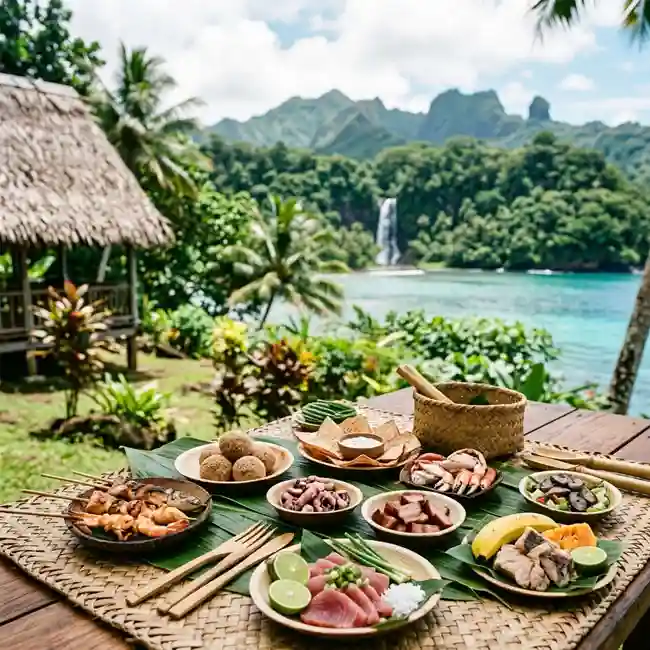
🇫🇲 🥪 Why Micronesia Appetizers Are the Ultimate Island Conversation Starters
If you think appetizers are just small bites before the main event, you haven’t met Micronesia yet. Out here, scattered across the western Pacific like stepping stones, starters tell the whole story. They’re how families welcome guests, how fishermen celebrate the day’s catch, and how every island — from Yap to Kosrae — shares a piece of its soul without saying a word.
Micronesia isn’t one place. It’s the Federated States of Micronesia: Chuuk, Pohnpei, Kosrae, and Yap, plus thousands of atolls and islands in between. And each one brings its own twist to the appetizer game. What ties them together? A deep respect for the ocean, the land, and the people you share food with. So let’s unlock the authentic flavors of Micronesia appetizers — the iconic, must-try bites that locals grew up on and travelers dream about long after their flight home.
🥥 🌺 Food Culture in Micronesia: More Than Just a Meal
🦐 🐚 The Spirit of Sharing: How Appetizers Build Community
In Micronesia, food is family. Period. Appetizers aren’t served as dainty little portions to tease your appetite. They’re laid out on banana leaves, passed hand to hand, and meant to disappear while stories are told. The concept of “first bite hospitality” is huge here. A guest should never have an empty hand or an empty mouth. That’s why island starters are often portable, shareable, and designed to be eaten with your fingers.
• Feast culture runs deep: Traditional gatherings called kamadipw in Pohnpei or mitmit in Chuuk always start with light dishes before heavier staples like taro or breadfruit arrive.
• Respect through food: Offering the best piece of fish or the ripest coconut is a sign of honor. Appetizers often use choice cuts or the first harvest to show respect.
• No forks needed: Most authentic Micronesian appetizers are eaten by hand, reinforcing connection and simplicity.
🌿 🐟 Land and Sea: The Two Pillars of Micronesian Starters
You can’t talk about Micronesian food without talking about what’s outside your door. The ocean gives, and the jungle provides. That duality shows up in every appetizer spread.
• Sea’s bounty: Reef fish, tuna, clams, crab, sea cucumber, and octopus are staples. Many appetizers use raw or lightly cured seafood because refrigeration was rare on remote atolls. Think freshness you can taste.
• Earth’s gifts: Taro, breadfruit, pandanus, banana, yam, and coconut are the heavy hitters. They’re roasted, mashed, grated, or fermented into bases for dips, wraps, and fritters.
• Preservation ingenuity: Before modern kitchens, islanders mastered smoking, drying, and fermenting. These methods aren’t just practical — they create deep, irresistible flavors you won’t find anywhere else.
🎉 🐙 Appetizers as Ceremony: From Daily Life to Special Occasions
Not all appetizers are everyday snacks. Some only appear when there’s something to celebrate.
• Daily bites: After fishing or farming, quick snacks like roasted breadfruit slices with coconut cream or grilled fish skewers keep energy up.
• Village events: During weddings, title ceremonies, or church gatherings, you’ll see elaborate platters of kelaguen, stuffed clams, and taro leaf parcels.
• Seasonal connections: Breadfruit season means fresh meduk fritters. Mango season brings sweet-tangy chutneys served with smoked fish. Appetizers follow the island calendar.
🏝️ 🗺️ Top Iconic Micronesia Appetizers by Region: A Flavor Tour
Each state in the FSM has its own secret weapons when it comes to starters. Here are the must-try, best Micronesian appetizers you need to know.
🐠 🍋 Chuuk Lagoon Flavors: Fresh, Bold, and Ocean-First
Chuuk is famous for its massive, beautiful lagoon — and the seafood that comes out of it sets the tone for appetizers here.
• Tuna Sashimi Chuuk Style: Not quite Japanese sashimi. Locals slice super-fresh yellowfin, then splash it with finadene — a mix of lemon, soy sauce, onions, and chili. Served with taro chips. Simple, iconic, and ridiculously good.
• Crab Kelaguen: Shredded cooked crab mixed with grated coconut, lemon juice, green onions, and hot pepper. It’s creamy, zesty, and usually scooped up with uht, or pounded breadfruit. A top appetizer at any Chuukese gathering.
• Stuffed Clam Shells: Giant clams are parboiled, chopped, and mixed with coconut milk, onions, and spices, then stuffed back into the shell and lightly grilled. Smoky, rich, and authentic island soul food.
• Smoked Fish Dip: Locally smoked reef fish is flaked and blended with coconut cream and lime. Served cold with slices of green banana or taro. Unlocks serious umami.
🌧️ 🌿 Pohnpei’s Lush Bounty: Earthy, Hearty, and Deeply Traditional
Pohnpei is the “garden island” — rainy, green, and packed with produce. Appetizers here lean into root crops and leaves.
• Uhmw Roasted Breadfruit Bites: Breadfruit roasted in an earth oven until the skin chars. The steamy, soft interior is pulled apart, dipped in coconut sauce, and eaten hot. The ultimate comfort starter.
• Lihli Taro Leaf Bundles: Young taro leaves blanched and filled with a mix of coconut cream, diced fish, and green onion, then steamed in banana leaves. It’s like a tropical tamale — savory, tender, and packed with tradition.
• Pihlohlo Mwaramwar: Fermented breadfruit with a tangy kick. It’s an acquired taste, but locals love rolling it into balls and serving as a sharp appetizer to cut through rich coconut dishes. A secret favorite for adventurous eaters.
• Seared Octopus Salad: Pohnpei’s reefs mean great octopus. It’s tenderized, quickly seared, and tossed with cucumber, lime, and chili. Light, fresh, and perfect for hot days.
🗿 💰 Yap’s Heritage on a Plate: Ancient Flavors, Modern Pride
Yap is known for stone money and strong tradition. Food here is deeply tied to custom, and appetizers often show up during cultural events.
• Yam with Coconut Chutney: Yap grows amazing yams. They’re boiled, sliced, and served with a chunky chutney of grated coconut, lime leaf, and chili. It’s the must-try Yapese starter — humble but unforgettable.
• Grilled Reef Fish Skewers: Small reef fish, marinated in lemon and salt, skewered whole and grilled over coconut husks. You eat everything except the bones. Crispy, smoky, and straight from the sea.
• Marinated Sea Cucumber: On special occasions, sea cucumber is cleaned, thinly sliced, and cured in citrus and onions. It’s chewy, briny, and considered a delicacy. An iconic Yap appetizer for guests of honor.
• Taro Fritters Thiy: Grated taro mixed with coconut and a touch of sugar, then fried into golden cakes. Crispy outside, soft inside. Kids and elders alike fight for the last one.
🍈 🦀 Kosrae’s Quiet Excellence: Sweet, Subtle, and Citrus-Driven
Kosrae is the smallest FSM state, but its food scene is anything but. With less tourism, flavors stay very local and authentic.
• Kahli Lemon Fish: Raw fish “cooked” in Kosraen lime juice, then mixed with coconut milk, diced cucumber, and green pepper. Kosrae’s answer to ceviche. It’s bright, clean, and irresistible on a humid afternoon.
• Roasted Pandanus Wedges: Pandanus fruit looks wild, but roast it and the segments become sweet and chewy. Served with salted coconut cream for dipping. A top Kosraean snack you won’t find in cookbooks.
• Land Crab Cakes: When land crabs are in season, their meat is mixed with taro, green onion, and chili, then pan-fried. Crispy, sweet, and deeply savory. A seasonal secret worth planning a trip around.
• Banana Heart Salad: The flower of the banana tree is shredded, boiled, and dressed with coconut and lime. It’s crunchy, slightly floral, and 100% unique to the islands.
✈️ 🌅 Appetizers and Travel: Eating Your Way Through Micronesia
🛶 🍽️ Where to Taste Authentic Starters: From Villages to Markets
You won’t find Micronesia appetizers in a fancy resort menu — at least not the real ones. Here’s where the magic happens.
• Local markets: In Kolonia, Pohnpei or Weno, Chuuk, morning markets are goldmines. Women sell banana-leaf parcels of kelaguen, smoked fish, and taro balls for a few dollars. Grab some, sit by the water, and you’ve got the best breakfast ever.
• Roadside stands: On any island, look for smoke. That’s usually someone grilling fish or roasting breadfruit. Pull over. Point. Smile. You just unlocked lunch.
• Village invitations: If a local invites you to a family meal, say yes. The appetizer spread alone will change how you think about Pacific food. Bring fruit or betel nut as a thank-you — it’s polite.
• Cultural centers: Places like the Yap Living History Museum sometimes demo traditional cooking. You can watch, learn, and taste authentic bites without intruding on private events.
🧳 🌏 Food as a Reason to Island Hop: Culinary Tourism in the FSM
Micronesia isn’t a “fly and flop” destination. It’s for travelers who want stories, not just selfies. And food is the best storyline.
• Festival timing: Try to line up with events like Pohnpei Liberation Day in September or Yap Day in March. Appetizers go all-out, and you’ll see dishes that don’t appear the rest of the year.
• Fish with the locals: Many guesthouses can arrange for you to join a fishing trip. The first catch often becomes sashimi right on the boat. That’s as fresh and authentic as it gets.
• Earth oven experience: An uhmw is Pohnpei’s traditional underground oven. Some families host visitors to help prepare it. You’ll spend a day cooking, then feast on the results — including the best breadfruit bites of your life.
• Island-hopper flights: United’s “Island Hopper” route hits Majuro, Kwajalein, Kosrae, Pohnpei, Chuuk, and Guam. Each stop is a new appetizer menu. Plan layovers with lunch in mind.
📸 🥥 What Makes These Bites So Irresistible for Visitors?
It’s not just flavor. It’s context.
• Zero pretension: No foams, no tweezers. Just honest food made by people who learned from their grandparents.
• Ridiculous freshness: Fish caught an hour ago. Coconut grated that morning. You taste the difference.
• Story on a plate: Every dish connects to navigation, survival, celebration, or family. Ask about it. Locals love sharing.
• You can’t get it elsewhere: Try finding Kosraen pandanus wedges in New York. You won’t. That’s why food-motivated travel to Micronesia is so rewarding.
🥬 🥭 Ingredients That Define Micronesia Appetizers
🌴 🥥 Coconut: The Island’s MVP
If Micronesia had a national ingredient, it’s coconut. It shows up in every course, but it shines in appetizers.
• Coconut cream: Squeezed from fresh grated flesh, it’s used as a dip, a dressing, and a cooking base. Richer and sweeter than anything from a can.
• Coconut sap: Sometimes fermented into a mild vinegar for marinades. Adds tang to kelaguen and ceviche-style dishes.
• Coconut oil: Used for light frying, especially for taro fritters. Adds aroma you can’t fake.
• Coconut husk: Not eaten, but burned to grill fish. It perfumes the food with a sweet smoke unique to the islands.
🍠 🍈 Root Crops and Starch: Taro, Breadfruit, Yam, Banana
These are the backbone. They turn seafood into a real meal and make appetizers filling without being heavy.
• Taro: Grown in swampy patches called patches. It’s boiled, pounded, or grated. The leaves are also key for wraps. Earthy and substantial.
• Breadfruit: When roasted, it’s like fresh bread. When fermented, it’s funky and complex. Both versions appear in starters.
• Yam: Yap’s pride. It stores well and has a nutty flavor. Boiled yam slices are the island’s “chips and dip” vehicle.
• Green banana: Not sweet. Boiled or grilled, it’s starchy and perfect for scooping up saucy appetizers.
🐙 🦐 The Reef Pantry: Seafood You’ve Probably Never Tried
Micronesian waters are biodiversity hotspots. Appetizers use parts of the sea that don’t make it to global menus.
• Reef fish: Parrotfish, snapper, grouper. Often eaten whole, head to tail. Small ones are grilled as skewers.
• Octopus and squid: Tenderized by beating on rocks, then grilled or marinated. Chewy in the best way.
• Clams and giant clams: A big deal in Chuuk. The meat is sweet and firm, ideal for stuffing or salads.
• Sea cucumber: An acquired texture, but a delicacy. Marinated, it’s like ocean jelly with a citrus punch.
• Land crab: During migration season, villages feast. The meat is sweet, like a mix of Dungeness and lobster.
🌶️ 🌿 Flavor Builders: Lime, Chili, Local Herbs
Micronesian food isn’t spicy like Thai food, but it’s not bland either. It’s balanced.
• Local lime: Called karer in some islands. Smaller and more aromatic than Persian limes. It’s in everything.
• Bird’s eye chili: Used fresh, not dried. Added for heat but also for fragrance. You control the kick.
• Green onion and herbs: Wild basil, mint, and unnamed reef herbs add fresh notes to raw fish dishes.
• Soy sauce: An outside influence that stuck. It’s now essential in finadene and marinades, blending Pacific and Asian tastes.
🧑🏽🍳 The Way People Eat: Etiquette and Experience
🙏🏽 🍃 How to Eat Like a Local: No-Fuss, High-Respect
Forget courses. In Micronesia, food comes when it’s ready and you eat when you’re hungry. But there are still unwritten rules.
• Wait to be offered: At a family home, don’t grab food first. The host will invite you, often with “Kaselehlie” in Pohnpei or “Ran allim” in Chuuk — both mean “please eat.”
• Use your right hand: The traditional way. If you’re given a spoon or fork, cool. If not, tear off breadfruit and scoop. It’s part of the experience.
• Compliment the cook: A simple “Mehlel” in Pohnpeian, meaning “delicious,” goes a long way. People beam when you enjoy their food.
• Don’t waste: Island resources are precious. Take what you’ll eat. It’s respectful.
👨👩👧👦 🌺 Appetizers as a Daily Ritual, Not Just Party Food
Tourists see the big feast. Locals live the small bites.
• After-school snacks: Kids come home to grilled banana or leftover taro with coconut. It’s the island version of cookies and milk.
• Fisherman’s break: Out on the water, fishermen slice the catch and eat it with lime right there. No plate, no problem. That’s the freshest appetizer you’ll ever have.
• Church socials: Sundays after service, every family brings a dish. Tables fill with kelaguen, fritters, and salads. You graze, talk, and head home happy.
🌍 💚 Sustainability on the Appetizer Plate
Micronesians have been eating sustainably for centuries because they had to. Appetizers reflect that wisdom.
• Nose-to-tail, fin-to-scale: Little is wasted. Fish heads make soup, skins get crisped, bones flavor broths.
• Seasonal eating: You eat breadfruit when it’s falling from trees, not when you crave it. Land crab season is a real calendar event.
• Banana leaf over plastic: Most appetizers are wrapped or served in leaves. It’s zero-waste and adds flavor.
• Reef respect: Many communities have traditional closures on fishing certain areas to let stocks recover. The best appetizers come from healthy reefs, and locals know it.
🔥 💡 Must-Try Micronesia Appetizers for First-Timers
If you only have one meal in the FSM, hunt down these iconic starters. They’re the most approachable, authentic, and unforgettable.
• Kelaguen – Any Style: Chicken, fish, or crab. If it’s kelaguen, order it. The mix of coconut, lemon, and chili is Micronesia in one bite. Best with warm taro or breadfruit.
• Pohnpei Fish Ceviche Kahli: Light, citrusy, and totally refreshing. It’ll reset your idea of raw fish.
• Yap Yam with Coconut Chutney: Sounds simple. Tastes like the island. The yam’s earthiness + sweet-salty chutney = magic.
• Chuuk Stuffed Clams: Smoky, rich, and served in its own dish — the shell. A top photo and flavor memory.
• Roasted Breadfruit with Coconut Cream: The ultimate comfort starter. You’ll wonder why this isn’t global yet.
Pro tip: If you see a dish you don’t recognize, try it. Micronesia’s best appetizers aren’t in guidebooks. They’re in aunties’ kitchens and at village picnics. That’s where the real, secret flavors live.
🧠 🍽️ The Future of Micronesia Appetizers: Tradition Meets Curiosity
👩🏽🌾 🌐 Young Cooks, Old Recipes
A new generation of Micronesian chefs is stepping up. They’re not changing grandma’s recipes — they’re plating them with pride.
• Resort chefs in Pohnpei and Yap are putting kelaguen and taro fritters on tasting menus, introducing travelers to authentic starters without dumbing them down.
• Diaspora kitchens in Hawaii, Guam, and the US mainland are keeping the food alive. If you can’t get to the FSM, look for Micronesian pop-ups in Honolulu or Portland. You’ll find must-try appetizers there.
• Social media helps. Young islanders on TikTok show how to roast breadfruit or mix finadene. It’s sparking global curiosity for these iconic bites.
🌱 ✈️ Why Food-First Travel Matters Here
Micronesia’s economy relies on tuna licenses and aid. Culinary tourism is a sustainable path forward. When you travel for appetizers, you:
• Support families: That $3 plate of taro fritters goes straight to the person who made it.
• Preserve culture: Demand for traditional dishes keeps knowledge alive. If no one eats pihlohlo, it disappears.
• Protect reefs: Tourists who eat local seafood become advocates for the ocean. It’s a full-circle win.
So next time you plan a Pacific trip, skip the usual. Point your compass to the FSM. The beaches are unreal, the WWII wrecks are legendary, but the appetizers? They’re the secret reason you’ll book a return flight.
Because in Micronesia, the meal doesn’t start with the first bite. The connection does. And that’s the most irresistible part of all.
⁉️ FAQ
Q1.What are the most authentic Micronesia appetizers I should try first?
Start with kelaguen from Chuuk, kahli lime-cured fish from Kosrae, roasted breadfruit with coconut cream from Pohnpei, and yam with coconut chutney from Yap. These five cover the main islands and showcase the top flavors: fresh seafood, root crops, coconut, and citrus. They’re widely available and loved by locals, making them the best entry point to Micronesian food culture.
Q2.Are Micronesia appetizers served raw?
Some are, and they’re incredibly safe and delicious when fresh. Dishes like tuna sashimi with finadene, kahli lime fish, and marinated sea cucumber use raw seafood “cooked” in citrus juice. Others, like smoked fish dip, stuffed clams, and taro fritters, are fully cooked. If you’re unsure, ask if it’s “mwahng” — cooked — or “fresh.” Locals are happy to guide you.
Q3.Do I need to eat with my hands in Micronesia?
Often, yes, and it’s part of the authentic experience. Many appetizers like roasted breadfruit, taro balls, and grilled fish are meant to be eaten by hand. In homes or at feasts, utensils aren’t always offered. It’s respectful to watch your host and follow their lead. Don’t worry — you’ll get a bowl to wash your hands before and after. It’s all part of the island rhythm.
Q4.Where can tourists find real Micronesian appetizers, not hotel versions?
Skip the resort buffet and head to local markets in Kolonia, Weno, or Colonia. Look for roadside stalls with smoke — that’s usually grilled fish or breadfruit. Ask your guesthouse host if their family can cook a traditional meal. Village feasts, church socials, and cultural days are also prime spots. The most iconic, must-try appetizers are served where locals eat, not where menus are printed in English.
🥪 How to Make 3 Authentic Micronesian Appetizers Without Breaking the Bank
👉 Taste 3 Budget Micronesian Appetizers Under $5!
| 🌐 🥪 < Back | Next > 🍝 🇫🇲 |