
🏠 Home > 🗺️ Recipes > 🍱 Snacks > 🇲🇽 Mexico Snacks
🇲🇽 🍱 Mexico Snacks Recipes
Published by Supakorn | Updated: February 2026
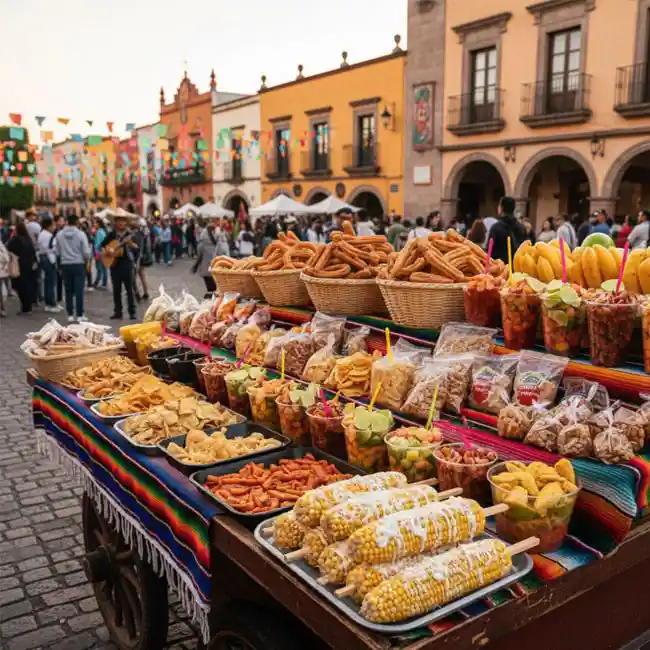
Hey, fellow snack enthusiasts! If you thought Mexican main dishes were exciting, prepare yourselves, because we are about to wander into the heart of the country's social and culinary soul: the world of Mexican Snacks. But in Mexico, the word "snack" doesn't quite capture the glory. We’re really talking about Antojitos (pronounced ahn-toh-HEE-tohs), which literally translates to "little cravings" or "whims."
This is where the magic happens. Antojitos are the delicious, casual, and often intensely satisfying dishes that bridge the large gaps between meals. They are the currency of the street corner, the star of the night market, and the reason you can never leave Mexico hungry. They represent speed, immediate flavor gratification, and the absolute mastery of the humble masa (corn dough).
Forget packaged chips; Mexican snacks are prepared fresh, hot, and customized just for you. This journey isn't about recipes; it’s about understanding the culture of the Antojito—how they are prepared, why they are essential, and how they define the rhythm of life in a Mexican city or town. Get ready for an explosion of corn, chili, cheese, and crema!
💥 The World of Antojitos: More Than Just a Snack
The Antojito is a foundational category in Mexican cuisine, far more important than the simple English term "snack" suggests. These dishes are often meals in themselves, perfectly encapsulating the country's culinary history and reliance on indigenous ingredients. They represent the vibrant, accessible, and democratic side of Mexican food culture.
🌮 The Masa Canvas: Corn's Versatility in Snacking
The single most important ingredient in the Mexican snack universe is, once again, corn. Specifically, the masa dough made from nixtamalized corn. Nearly every substantial Antojito starts with this dough, proving its incredible versatility—it’s the foundation, the vessel, and often the flavor base itself.
The Antojitos vendor (antojitosero or street cook) is an artist who transforms the masa into countless shapes: discs, ovals, footballs, boats, and cups. They are then grilled on a hot, flat surface called a comal, steamed, or briefly fried. This simple preparation method ensures the snack is ready quickly, perfect for the fast pace of street life. The slight char from the comal is critical, lending a smoky, comforting note to the delicate corn flavor. Whether it's a thick, cushiony Sope or a crispy, flat Tostada, the corn foundation dictates the texture and sets the stage for the powerful toppings.
🕰️ The Bridge Meal: Why Antojitos Exist in the Daily Rhythm
The existence and proliferation of Antojitos are deeply tied to the traditional Mexican meal schedule, which, as we know, revolves around a massive, late mid-day meal, Comida (2:00 PM – 4:00 PM), and a light dinner, Cena (8:00 PM – 10:00 PM).
The Antojito serves two primary purposes in this rhythm:
1.The Mid-Morning Fuel: Simple snacks like tamales, atole, or sweet bread are sold early to fuel workers and students before the heavy Comida.
2.The Evening Craving: The most famous Antojitos (like Sopes and Gorditas) truly come alive late in the afternoon and evening. They fill the long, often eight-hour gap between the massive Comida and the light Cena, serving as a delicious, satisfying, and inexpensive dinner replacement or bridge meal.
This timing makes Antojitos a communal experience. The street stall at night becomes the social hub—a place to grab a quick, flavorful bite with friends and family, often standing up or sitting on small plastic stools, amidst the vibrant street theater of the vendor.
🌽 The Masa-Based Heavy Hitters (The Savory Snacks)
These Antojitos are the cornerstones of the street food scene. They are hearty, built upon a substantial masa base, and often layered with intense, savory flavors—perfect for satisfying those late-afternoon cravings.
🥙 Sopes and Gorditas: The Topped and Stuffed Perfection
Sopes and Gorditas are often confused, but they represent two distinct, glorious branches of the masa snacking tree.
A Sope (pronounced SOH-peh) is essentially a thick, round disk of masa dough that is partially fried or grilled and then pinched around the edges to form a small, shallow cup or boat. This cup is then smeared with beans, and piled high with toppings: shredded meat (like chicken or pork), lettuce, cheese (queso fresco), onions, and a generous drizzle of crema (Mexican sour cream) and salsa. The pinched edges act like a delicious crust, holding the rich toppings in place. The Sope is a showcase for layering flavor and texture—the soft corn base, the creamy beans, the rich meat, and the fresh, cool toppings.
A Gordita (meaning "little fat one") is a thick, round masa patty that is cooked, and then the side is carefully sliced open—like a pita pocket—and stuffed with savory fillings. The classic filling is often chicharrón (fried pork rinds) in a spicy green or red salsa, or simply cheese and beans. Because the filling is baked or grilled inside the corn base, the Gordita is a self-contained, wonderfully comforting handful of flavor, perfect for eating on the move.
🌙 Tlacoyos and Quesadillas: The Football and the Fold
Other variations on the stuffed masa theme offer regional flair and ancient roots:
Tlacoyos (pronounced tlah-KOH-yos) are among the oldest Antojitos, dating back to pre-Hispanic times. They are traditionally an oval or football shape, thick, and typically made with masa azul (blue corn), which gives them a beautiful, slightly earthy color. They are stuffed before being cooked, usually with beans, requesón (a type of Mexican cottage cheese), or haba (fava bean paste). Once cooked on the comal, they are topped minimally with salsa, onion, and cilantro, allowing the flavor of the corn and the stuffing to shine. They are often less adorned than a Sope, emphasizing the purity of the dough and filling.
The Mexican Quesadilla is also often categorized as an Antojito but has its own regional complexities. The traditional Quesadilla (especially in central Mexico) is a folded masa tortilla (not wheat!) that is fried or griddled and stuffed with cheese—but often, it's stuffed with other savory items instead of cheese, like huitlacoche (corn smut, a delicacy), shredded chicken, or squash blossoms. It’s a beautifully simple, folded pocket, perfect for a quick, fulfilling snack.
🍳 Huaraches: The Giant Sandal Snack
To fully grasp the scope of Antojitos, you have to encounter the Huarache (named after the leather sandals they resemble). This is a large, thin, oval-shaped masa base, often 8 to 12 inches long, that has been smeared with beans before being cooked on the comal.
Because of its size, the Huarache is definitely more of a meal than a snack, but it retains the Antojito style of being made fresh on the street. It’s topped like a giant Sope, often piled high with lettuce, salsa, and a variety of meats like Carne Asada or seasoned ground pork. The Huarache exemplifies the Mexican love for transforming a simple corn base into a vehicle for a complex, satisfying layering of flavors and textures.
🔥 Street Food Theater: Snacks Made on the Spot
Some of the most popular Mexican snacks are defined by the theatrical way they are prepared right in front of you—hot, personalized, and designed for immediate consumption.
🌽 Elotes and Esquites: The Corn Royalty
These two snacks celebrate corn in its whole kernel form and are arguably the most beloved street treats in Mexico.
Elote (pronounced eh-LOH-tay) is corn on the cob, grilled or boiled until tender. The magic happens next: the ear is slathered with a layer of crema (or mayonnaise), rolled in cotija cheese (salty, firm white cheese), sprinkled with chili powder (often a mix of chili, salt, and lime), and finished with a final squeeze of lime juice. It’s the perfect messy, savory, creamy, and spicy handheld snack, demonstrating the Mexican genius for balancing rich flavors with sharp acid.
Esquites (pronounced es-KEE-tays) are the sophisticated, deconstructed version of Elote. The corn kernels are cut off the cob and served hot in a cup, often sautéed or simmered with broth, chili, epazote (an aromatic herb), and salt. The kernels are then dressed with the same toppings as Elote—mayo/crema, cheese, chili, and lime—and eaten with a spoon. Esquites are easier to eat and arguably more flavorful due to the savory broth, making them a perfect cold-weather Antojito.
🥔 Crispy, Crunchy, and Filled: Flautas and Tostadas
For those who crave crunch, these Antojitos deliver satisfying texture:
Flautas (meaning "flutes") are corn tortillas rolled tightly around a filling (usually shredded chicken or potato) and deep-fried until incredibly crisp and golden brown. They are served lying flat, topped with generous amounts of shredded lettuce, salsa, crema, and queso fresco. They are long, elegant, and offer the perfect ratio of crispy shell to soft filling—a beloved snack or light dinner option.
Tostadas are essentially crispy, flat, fried corn tortillas. They are the ultimate platform for nearly anything, functioning like a crunchy plate. They are topped with a wide variety of cold or warm ingredients—like beans, shredded chicken in a tangy sauce, Ceviche (seafood salad), or even just simple avocado and cheese. Because the base is crunchy and the toppings are often cold, they provide a delightful textural contrast that is perfect for street-side snacking.
💧 The Condiment Corner: Salsas, Crema, and Cheese
What truly defines the Antojito experience is the customization corner. A Mexican snack is rarely served fully dressed by the vendor. Instead, it is dressed by the customer using a dazzling array of condiments.
At every Antojito stall, you will find:
• A Variety of Salsas: Ranging from mild Pico de Gallo to deeply smoky Salsa Macha or fiery Habanero salsa. The customer chooses their heat level and flavor profile.
• Crema and Queso Fresco: The essential creamy and salty counterpoints. The crema (a thin, slightly sour cream) provides richness, and the salty, crumbly queso fresco provides savory depth.
• Lime and Salt: Always present, ensuring that every snack receives that crucial final burst of acidity and seasoning.
This interactive process is fundamental to the snack culture, allowing everyone to personalize their Antojito and ensuring every bite is tailored to perfection.
🍬 Sweet Delights: The Post-Savory Treat
While many Antojitos are savory, Mexican snack culture also includes a wonderful tradition of sweet treats, often sold by the same vendors or at nearby stalls, offering a satisfying conclusion to the savory feast.
🍩 Churros and Buñuelos: Fried Dough Perfection
Churros are perhaps the most famous sweet snack, popularized globally but a deep-seated tradition in Mexico. These long, ridged sticks of fried dough (a choux pastry dough) are fried until crisp and dusted with cinnamon sugar. They are often served plain or, in a decadent twist, stuffed with sweet fillings like Cajeta (goat milk caramel) or chocolate. They are sold hot and fresh, usually served in simple paper cones.
Buñuelos are another celebratory fried dough snack, particularly popular during the Christmas season. They are large, thin, round pieces of dough that are fried until flaky and crisp, then often coated in a warm, sweet syrup made from piloncillo (unrefined cane sugar) and cinnamon. They have a delicate, shatteringly crisp texture, making them a joyous, satisfying sweet treat.
🍭 Dulces Regionales: Candies and Fruits as Snacks
Beyond the fried dough, a host of dulces regionales (regional sweets/candies) act as quick, satisfying snacks:
• Ate: A thick, brightly colored fruit paste (often made from guava, quince, or sweet potato) that is cut into squares. It’s dense, chewy, and highly portable.
• Palanquetas: Nut brittle, typically made from peanuts or seeds bound with piloncillo syrup, offering a crunchy, sweet, and wholesome snack.
• Camotes: Sweet potatoes, often cooked and caramelized, sometimes served from street carts, providing a simple, warm, and highly nutritious sweet treat.
These simple sweet snacks underscore the idea that a Mexican snack can be anything that provides quick, satisfying flavor and energy—whether it’s a fully loaded Gordita or a piece of sticky, sweet fruit candy. The culture is built on the principle that the next delicious bite is never far away.
❓ FAQ (Frequently Asked Questions)
Q1: What is the difference between a Sope and a Gordita?
A: The main difference is the preparation method: A Sope is a thick masa disk whose edges are pinched up to create a small "boat" to hold toppings like meat, beans, salsa, and crema. A Gordita is a thick masa patty that is split open like a pita bread and then stuffed with fillings like cheese or chicharrón before being sealed and served.
Q2: Why are most Mexican savory snacks (Antojitos) made with corn dough (masa)?
A: The use of masa reflects the ancient Indigenous heritage of Mexico, where corn was the foundational crop. Masa is versatile, inexpensive, and highly nutritious due to the nixtamalization process. It provides the perfect neutral yet hearty base for layering the powerful flavors of chili, beans, and meat, making it ideal for fast, fulfilling street food.
Q3: When are Antojitos usually eaten? Are they part of dinner?
A: Antojitos are typically eaten as a bridge meal. Since the main meal (Comida) is eaten late in the day (2–4 PM) and dinner (Cena) is very light, Antojitos are most popular in the late afternoon and evening (5 PM onwards). They often serve as a satisfying, inexpensive dinner or a substantial snack for people socializing and winding down on the streets.
🍱 Sharing the Zest: Essential Mexican Snacks for Your Next Gathering
| 🌐 🍱 < Back | 🇲🇽 🍞 < Previous | Next > 🥘 🇲🇽 |