
🏠 Home > 🗺️ Recipes > 🍞 Breads > 🇲🇾 Malaysia Breads
🇲🇾 🍞 Malaysia Breads Recipes
Published by Supakorn | Updated: February 2026
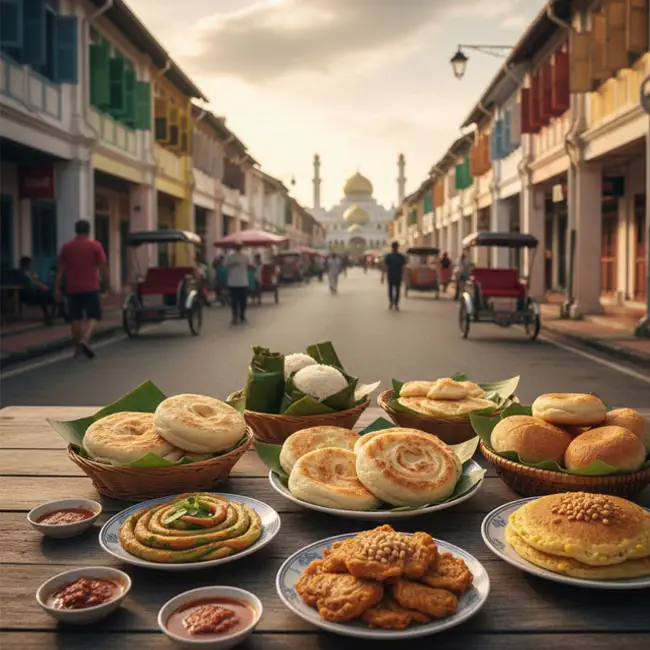
When you think of "bread," your mind might wander to a French baguette or a slice of sourdough. But in Malaysia, bread—or as we affectionately call it, Roti—is a completely different ball game. It’s crispy, it’s buttery, it’s fluffy, and sometimes it’s even a little bit sweet.
Bread culture in Malaysia is the ultimate symbol of our "Muhibbah" (harmony) spirit. It’s where Indian dough-flipping techniques meet Chinese coconut jams and British colonial baking traditions. In this guide, we’re going to hang out and talk about the amazing world of Malaysia breads, the lifestyle of the famous Mamak stalls, and why a simple slice of toast is actually a national treasure.
🥯 The "Roti" Lifestyle: More Than Just Breakfast
In Malaysia, bread isn't just something you shove in a toaster before work. It’s a social event. If you tell a friend, "Let's go for Roti," you aren't just going for a snack; you're going for a two-hour therapy session, a football viewing party, or a midnight chill-out.
🏪 The Mamak Stall Magic
Most of our bread culture revolves around the Mamak stall (Indian-Muslim eateries). These places are open 24/7. Whether it’s 7:00 AM or 3:00 AM, the sound of metal spatulas clinking against a flat iron griddle is the heartbeat of the city. Watching a "Roti Man" flip and spin dough in the air is basically a free street performance that ends with a delicious, flaky meal.
☕ The Kopitiam Heritage
On the other side of the spectrum, we have the Kopitiam (traditional Chinese coffee shop). Here, the bread culture is all about the charcoal grill. There’s something nostalgic about the smell of thick-cut bread being toasted over hot coals, served in a space filled with marble-top tables and the clatter of ceramic coffee cups.
🥞 The Heavyweights: Roti Canai and Its Many Cousins
If there was a "National Bread" of Malaysia, it would undoubtedly be Roti Canai. It’s a flatbread that’s crispy on the outside and soft on the inside, but the variety doesn't stop there.
🥞 Roti Canai: The Classic
Made from a simple dough of flour, water, and plenty of ghee (clarified butter), the dough is stretched until it’s paper-thin and then folded to create hundreds of flaky layers.
• The Serving: It’s almost always served with a trio of dips: Dhal (lentil curry), Kari Ikan (fish curry), and a dollop of spicy Sambal.
🧀 The Creative Variants
Once you master the classic, the Mamak menu opens up into a "choose your own adventure" of breads:
• Roti Telur: Bread with an egg cracked inside.
• Roti Bawang: Stuffed with sliced onions for a sweet, savory crunch.
• Roti Tissue: A sky-high, cone-shaped bread that is paper-thin and glazed with sugar and condensed milk. It’s as much a dessert as it is a bread!
• Roti Bom: A smaller, thicker, and much richer version packed with margarine and sugar. It’s a total flavor bomb.
🥪 The Breakfast Legend: Kaya Toast
While the Roti Canai rules the Mamak stalls, Kaya Toast rules the hearts of every Malaysian during breakfast.
🍯 What is Kaya?
You can't talk about Malaysian bread without mentioning Kaya. It’s a silky, rich jam made from coconut milk, eggs, and sugar, infused with the fragrance of pandan leaves. It’s the "peanut butter" of Southeast Asia, but much more aromatic.
🥪 The Roti Bakar Experience
Roti Bakar (Toasted Bread) is usually served as a sandwich.
• The Build: Two slices of toasted bread (preferably over charcoal), a thick spread of Kaya, and—this is the secret—cold slabs of salted butter.
• The Ritual: You must dip your Kaya Toast into two "soft-boiled eggs" seasoned with white pepper and dark soy sauce. It’s the perfect salty-sweet combination that has fueled Malaysians for generations.
🥖 Regional and Unique Breads
Beyond the famous ones, Malaysia has some hidden gems that reflect our regional diversity.
🍞 Roti Benggali
Contrary to what the name suggests, this bread isn't from Bengal; it’s a local creation from Penang. It’s a thick, crusty loaf with a super-soft, snowy-white interior.
• The Tradition: Traditionally sold by "bread men" on motorcycles with large tin boxes, this bread is the ultimate vessel for soaking up thick mutton soup or curry.
🥧 Roti Paun (Pound Bread)
Coming from the state of Terengganu, Roti Paun are small, pull-apart bread rolls. They are famous for their high butter content and are often eaten plain or with a little bit of local fruit jam. They are incredibly fluffy and "squishy," making them a favorite for kids.
🥖 Roti John
This is the "Malaysian Omelette Sandwich." It’s a long baguette-style loaf split open and fried with a mixture of eggs, minced meat (chicken or beef), and onions.
• The Garnish: It’s topped with a generous amount of mayo, chili sauce, and black pepper sauce. It’s a messy, glorious street food staple often found at Ramadan bazaars.
🥯 Why Malaysian Bread is Different
What makes Malaysia breads so special compared to a standard loaf?
1.The Texture: We value the "pull." Whether it's the elasticity of Roti Canai or the soft bounce of a steamed bun (Pau), the mouthfeel is just as important as the taste.
2.The Fat: We aren't shy about using ghee, margarine, or butter. This gives our breads that signature "melt-in-your-mouth" richness.
3.The Dipping Culture: In Malaysia, bread is rarely eaten dry. It’s a tool for scooping, dipping, and soaking. Whether it's curry, soft-boiled eggs, or condensed milk, the bread is the vehicle for the sauce.
🥯 Final Thoughts: The Warmth of a Fresh Loaf
In Malaysia, bread is a bridge. It’s what brings people of different backgrounds to the same table at 2 AM. It’s the comfort of a warm Kaya toast on a Monday morning and the excitement of watching a Roti Canai being tossed in the air at a bustling street corner.
When you explore Malaysia breads, you’re not just eating carbs; you’re tasting the history of a nation that loves to take global influences and turn them into something uniquely, deliciously Malaysian.
❓ FAQ: Your Bread Questions Answered
❓ Q1. Is Roti Canai the same as Indian Paratha?
They are cousins! While they share an ancestry, Malaysian Roti Canai is typically lighter and flakier due to the specific "tossing" technique used to aerate the dough, whereas Paratha is often rolled and can be denser.
❓ Q2. Can I find vegan-friendly bread in Malaysia?
Traditional Roti Canai usually contains ghee (clarified butter) or condensed milk in the dough. However, many Kopitiam breads are vegan if you skip the butter and kaya—though you should always ask if the bread contains eggs or milk!
❓ Q3. What is the best way to eat Roti Canai?
Use your right hand! Tear off a piece, fold it slightly to create a "scoop," and dunk it generously into the dhal or curry provided. Don't be afraid to mix the curries together—we call this Roti Banjir (Flooded Bread).
🍞 Master the Golden Flour: Elevating Your Festive Table with Malaysian Breads
👉 Master 3 Holiday Malaysia Breads
| 🌐 🍞 < Back | 🇲🇾 🥗 < Previous | Next > 🍱 🇲🇾 |