
🏠 Home > 🗺️ Recipes > 🍨 Desserts > 🇬🇲 Gambia Desserts
🇬🇲 🍨 Gambia Desserts Recipes
Published by Supakorn | Updated: February 2026
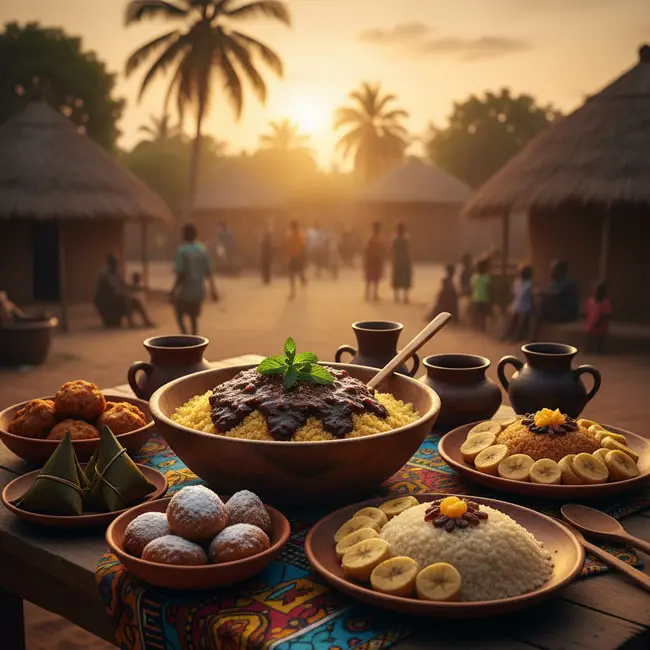
🌍 ✨ Sweet Treats from the Smiling Coast of Africa: Beyond the Savory
If you've spent any time exploring the bold, rich, and savory world of West African cuisine—think the smoky grilled meats of Afra or the nutty, rich embrace of Domoda—you might think that’s all there is. But hold on, friend! Every incredible culinary journey deserves a sweet finish, and The Gambia, known as the "Smiling Coast of Africa," delivers a dessert scene that is every bit as comforting, unique, and flavorful as its main dishes.
Here’s the thing about Gambian desserts: they aren't about overly complicated pastries, fancy French techniques, or rich, flour-heavy cakes (though those exist too!). Instead, they are built around the region's natural bounty—millet, creamy dairy, natural sugars, and the incredibly unique local fruits like the mighty Baobab. The resulting sweets are usually creamy, grainy, slightly tangy, and incredibly satisfying. They are meant to cool you down, offer a gentle finish to a powerful meal, or simply provide a sweet, substantial breakfast or snack.
For anyone searching for authentic, easy-to-make, and utterly unique global dessert recipes—whether you're typing "how to make Thiakry at home" or "Baobab dessert recipes"—you've come to the right place. We're going to dive deep into the cultural significance and the wonderful flavors of these Gambian staples. Consider this your long-form, friendly guide to mastering the sweet side of The Gambia, setting the stage for the detailed recipes we'll share later on.
🥣 🍯 The Essential Ingredients That Define Gambian Dessert Magic
Before we talk about the specific dishes, let's look at what's in the pantry. You won't find a massive list of chemical additives here. Gambian sweets rely on "real food" ingredients that have been used for generations.
🌾 1. Millet and Couscous: The Hearty Foundation
This is the base starch for almost all traditional sweets. Millet, a drought-resistant grain, is foundational to the West African diet. It’s either ground into flour or prepared as tiny couscous-like granules (called Arraw or Thiéré). Unlike the wheat couscous you might find in a Mediterranean salad, Gambian millet couscous has a deeper, nuttier flavor and a wonderful, textured body that holds up perfectly in creamy sauces.
🥛 2. The Creamy Trio: Yogurt, Milk, and Sour Cream
To transform those hearty grains into a rich pudding, Gambians use a combination of dairy. This ranges from fresh local yogurt (often called lait caillé or sour milk) to modern pantry staples like condensed or evaporated milk. This blend delivers the signature creamy and slightly tangy profile that makes these desserts so refreshing in the tropical heat.
🌳 3. The Mighty Baobab (Bouyi)
You can't talk about Gambian sweets without mentioning the "Tree of Life." The Baobab fruit produces a dry pulp that is packed with Vitamin C and has a unique, tangy flavor—think of it as a mix between grapefruit, pear, and vanilla. It’s the secret weapon that gives Gambian puddings their iconic "zing."
🥥 4. Aromatics and Essences
While the grains and fruit do the heavy lifting, the "magic" comes from the finishing touches. A hint of nutmeg, a splash of vanilla, or even banana essence is common. You'll also find a lot of fresh coconut and groundnuts (peanuts) providing extra crunch and healthy fats.
🏡 🥄 The Sweet Spot: Dessert Culture and Daily Life in The Gambia
In many Western cultures, dessert is a strict "after-dinner" rule. But in The Gambia, the line between a snack, a breakfast, and a dessert is beautifully blurred.
☀️ A Sweet Start to the Day
Don't be surprised if you see someone enjoying a bowl of Thiakry at 8:00 AM! Because these dishes are grain-based and nutrient-dense, they serve as an incredible energy booster. It’s like the West African version of "overnight oats," but arguably much more delicious and creamy.
🎊 Celebration and Community
Desserts in The Gambia are deeply social. Whether it's a "Naming Ceremony" (celebrating a new baby), a wedding, or a religious holiday like Eid (Koriteh or Tobaski), sweet dishes are prepared in massive bowls meant for sharing. There’s a beautiful sense of community when everyone gathers around to enjoy a chilled, sweet pudding after a day of celebration.
🥥 Natural and Sustainable
One thing I love about Gambian dessert culture is how it respects the seasons. When mangos are in season, they are incorporated. When the Baobab fruit is ripe, it becomes the star. It’s a very sustainable way of eating that honors the land.
🏆 👑 The Crown Jewels: Iconic Gambian Desserts You Must Try
These are the non-negotiables. If you want to say you know Gambian food, these are the heavy hitters.
🥣 🍦 1. Thiakry (Chakery / Dégué): The Creamy Couscous Dream
Thiakry is arguably the most famous and beloved Gambian dessert. If you search for "creamy African couscous pudding," this is exactly what you're looking for. It is a sweet, chilled pudding that perfectly embodies the West African approach to comfort food.
• The Texture: Imagine tiny, soft, nutty pearls of millet surrounded by a velvety, thick cream. It’s not smooth like a custard; it has a "bite" to it that makes it really satisfying to eat.
• The Flavor Profile: It’s a masterful balance. The sour cream and yogurt cut through the sweetness of the condensed milk, while the nutmeg provides a warm, aromatic finish.
• The Secret Tip: Many people love to add raisins or fresh pineapple to their Thiakry to give it a burst of juicy sweetness!
🌳 🥣 2. Lakh (or Lah): The Baobab Powerhouse
Lakh is a more traditional, rustic pudding that is deeply tied to the land. This isn't just a dessert; it's a nutritional powerhouse.
• The Baobab Factor: The pulp of the Baobab fruit is soaked and strained to create a thick, tangy juice. This juice is then mixed with millet porridge or couscous.
• The Taste: It’s less "dessert-like" than Thiakry and more "earthy." It has a fascinatingly tart flavor that is incredibly refreshing. Some versions even incorporate a touch of peanut butter for extra richness.
• Why It's Special: Lakh is often associated with traditional ceremonies and is a true taste of Gambian heritage.
🍚 ✨ 3. Nan Mburu: The Festive Rice Pudding
Nan Mburu (literally "rice bread" or "rice pudding") is a special treat often reserved for holidays, particularly among the Christian community in The Gambia during Good Friday.
• The Craftsmanship: This isn't your standard rice pudding. It uses rice flour to create tiny, delicate, steamed rice balls. It takes time and love to make these little "dumplings."
• The Presentation: These soft rice balls are submerged in a sweet, aromatic liquid—usually a blend of Baobab juice, sugar, and vanilla. It’s a texture-lover’s dream!
🥨 🍪 The Sweet Cousins: Street Food and Crunchy Treats
Beyond the creamy puddings, there’s a whole world of "finger food" sweets that you’ll find in Gambian markets.
🍩 🎈 1. Panket (Gambian Pancakes/Fritters)
If you’ve heard of "Puff-Puff" in Nigeria or "Bofrot" in Ghana, then you know Panket. These are deep-fried dough balls made from flour, sugar, and yeast.
• The Vibe: They are golden brown, slightly chewy, and perfectly sweet. While they can be a snack, serving them with a dusting of sugar or a side of fruit makes them a fantastic, simple dessert.
🥜 🍯 2. Caramelized Groundnut Cake (Sura)
The Gambia is famous for its peanuts (groundnuts), so it’s no surprise they’ve turned them into a candy!
• The Crunch: These are basically peanut brittle—roasted peanuts held together by dark, caramelized sugar. They are crunchy, nutty, and provide a serious sugar rush.
🧊 🥭 3. Fruit "Ices" and Natural Sweets
In the heat of the Gambian sun, sometimes the best dessert is a frozen one.
• Bouyi Ice: Remember that Baobab juice we talked about? Gambians freeze it in small plastic bags to create "ice sticks." It’s 100% natural, tangy, and much better for you than a processed popsicle!
💡 🧠 Why You Need to Add Gambian Sweets to Your Life
You might be wondering, "Why should I try making these at home?" Well, friend, let me give you three great reasons:
1.They are Surprisingly Healthy: Unlike Western desserts loaded with heavy cream and refined flour, Gambian sweets use ancient grains like millet. These are gluten-free (usually), high in fiber, and slow-digesting.
2.Unique Flavor Profiles: If you’re tired of the same old chocolate or vanilla, the tang of Baobab and the nuttiness of millet will blow your mind. It’s a whole new palette of flavors.
3.No Fancy Equipment Needed: You don't need a stand mixer or a high-tech oven. Most of these are stovetop puddings or simple steamed dishes. If you can boil water and stir a pot, you can make these!
🍽️ 🏠 Tips for Recreating the "Smiling Coast" Vibe at Home
While we'll get into the recipes soon, here are a few tips to help you prepare your kitchen:
• Check the International Aisle: Look for "Millet Couscous" or "Arraw." If you can't find it, regular wheat couscous works in a pinch, though the texture will be softer.
• Don't Fear the Tang: The secret to Gambian desserts is the balance of sweet and sour. Don't be afraid to use a good, tart Greek yogurt or a splash of lemon if you can't find Baobab.
• Serve Chilled: Most of these puddings (especially Thiakry) are 100% better after they’ve spent a few hours in the fridge. The flavors meld together, and the grains soak up all that creamy goodness.
❓ 🙋♂️ FAQ: Your Quick Questions Answered
Q1: What is the main difference between Thiakry and Lakh?
A: Think of Thiakry as the "creamy/dairy" one and Lakh as the "fruity/tart" one. Thiakry uses a yogurt and milk base, while Lakh uses a Baobab fruit juice base. Both use millet, but the vibe is totally different!
Q2: Where can I find Baobab for a dessert like Lakh?
A: You can usually find "Baobab Powder" in health food stores or online. It’s a superfood! You just mix the powder with water to get that authentic Gambian flavor.
Q3: Are these desserts gluten-free?
A: Traditionally, yes! Millet is a naturally gluten-free grain. However, always check the packaging of your couscous, as some commercial brands might mix in wheat flour.
Q4: Can I make these vegan?
A: Absolutely. You can easily swap the dairy in Thiakry for coconut milk and vegan yogurt. The Baobab-based desserts like Lakh are often naturally vegan anyway!
🔜 🍦 What’s Next on Our Sweet Journey?
We hope this deep dive into the sweet side of the Smiling Coast has inspired you. From the classic tangy sweetness of Thiakry to the earthy, fruity tartness of Lakh and the festive comfort of Nan Mburu, Gambian desserts are a delicious world waiting to be explored.
Keep an eye out for our dedicated recipe pages! We'll give you the precise measurements, ingredient substitutions (especially for Baobab), and the step-by-step instructions you need to confidently recreate these authentic West African sweet masterpieces at home. Get your yogurt and millet ready, because the sweet life is calling!
🍨 The Sweet Side of The Smiling Coast: Beginner-Friendly Gambia Desserts You Can Master
👉 Indulge in 3 Authentic Desserts
| 🌐 🍨 < Back | 🇬🇲 🍝 < Previous | Next > 🍷 🇬🇲 |