
🏠 Home > 🗺️ Recipes > 🍲 Soups > 🇨🇳 China Soups Recipes
🇨🇳 🍲 Authentic China Soups: The Ultimate Authentic Comfort Sips
Published by Supakorn | Updated: November 2026
☯️🛑 Introduction: The Cultural Heritage of China Soups
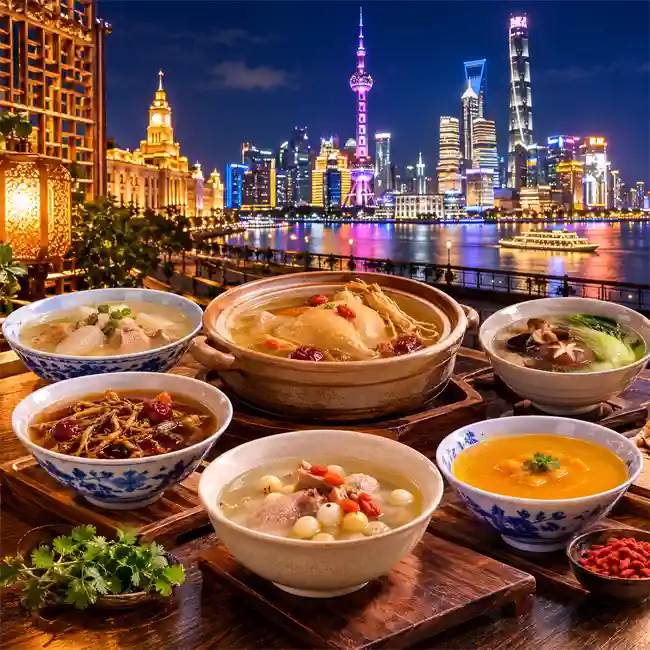
Hey there, fellow food lover! If you have ever wondered what sits at the absolute center of a traditional Chinese home meal, let me let you in on a heartwarming secret: it is almost always a steaming, deeply aromatic bowl of soup. In China, soup is far more than just a liquid starter to clear your throat before the main dishes arrive. It is an art form, a daily wellness ritual, and a profound expression of love passed down through countless generations. Across every province, from the icy northern plains of Harbin to the sun-drenched subtropical coasts of Guangdong, brewing broth is considered the purest test of a cook’s patience and heart.
When you sit down for a meal with a local family or step into a buzzing neighborhood eatery in China, you quickly realize that soup carries a quiet, poetic dignity. The history of Chinese soup culture stretches back thousands of years, deeply interwoven with ancient philosophy, seasonal living, and traditional Chinese medicine. In the eyes of local cooks, the pot is a magical crucible where balance is achieved. Ingredients are never tossed together at random; instead, they are selected with surgical care to complement the weather, the time of year, and even the emotional energy of the household.
If you are traveling through the country, you will notice that soup tells the story of the land itself. Northern regions, where winters are fierce and biting, favor heavy, hearty, meat-laden broths that warm you straight to your bones. Meanwhile, the southern provinces lean toward crystal-clear, slow-simmered herbal infusions designed to soothe the body, restore moisture, and promote lifelong vitality. The sheer variety is mind-blowing, ranging from silky street-side breakfast broths served in plastic stools on cobblestone alleys to lavish, slow-cooked royal delicacies served in porcelain bowls at high-end banquet halls.
Understanding Chinese soups means understanding the pulse of Chinese daily life. It is about how neighbors exchange herbal tips at dawn markets, how mothers spend entire afternoons carefully skimming fat off a low-simmering pot, and how friends gather around steaming bowls to share stories after a grueling day at work. So, grab your favorite spoon, get comfortable, and let’s take a delicious journey into the soul-soothing, rich, and unforgettable world of authentic China soups!
🥢 The Art of China Dining Culture & Social Eating
• The Sacred Principle of Balance: In traditional Chinese dining, soup is the ultimate anchor of Yin and Yang harmony. A meal with too many heavy or deep-fried dishes is always balanced by a soothing, cooling broth to prevent inner body heat, creating a perfect equilibrium for your stomach and spirit.
• Communal Warmth at the Lazy Susan: Eating in China is fundamentally a shared, collective experience. A massive tureen of soup sits proudly at the center of the revolving glass tabletop, inviting everyone to scoop, share, and care for one another throughout the night.
• The Gesture of Love and Hospitality: Offering someone a bowl of slow-cooked broth is the ultimate non-verbal "I love you" or "welcome home" in Chinese family life. Parents often express their affection and care not with grand words, but by ladling the richest portion of soup into their children's bowls.
• Soups as Daily Seasonal Medicine: Food and health are inseparable in Chinese culture. Soups change fluidly with the four seasons, utilizing specific roots, goji berries, and medicinal herbs to protect the body against summer heatwaves, autumn dryness, and winter chill.
• The Comforting Rhythm of Breakfast: Soup is not reserved merely for dinner or special occasions. Millions of locals begin their morning routine with scalding-hot, spiced noodle broths or soothing rice soups, energizing their day with instant warmth and deep comfort.
📍 Where Culture Meets Flavor: Iconic Food Tourism Spots
• Guangzhou (Guangdong Province): The undisputed global capital of Cantonese slow-simmered soup (Laohuo Tang). Wander through the bustling Qingping Market to witness mountains of dried herbs, lotus roots, and medicinal botanicals before slipping into a historic tea house for a legendary bowl of Cantonese pork broth.
• Chengdu & Chongqing (Sichuan & Chongqing): The fiery epicenter of spicy, numbing broth culture. Head to the vibrant street markets of Jinli or the riverfront alleys of Chongqing to taste tongue-tingling beef noodle soups and boiling street-side clay pot broths infused with famous Sichuan peppercorns.
• Xi'an (Shaanxi Province): Home to the iconic Muslim Quarter, where the air is thick with the tantalizing aroma of Yangrou Paomo (aromatic mutton soup served with torn flatbread). It is an absolute must-visit destination for anyone obsessed with rich, ancient Northwest street food traditions.
• Wuhan (Hubei Province): Famous for its chaotic, energetic "morning breakfast passage" along Hubu Alley. Here, food travelers queue up at sunrise for bowls of signature sesame-dusted spicy duck soups and rich noodle broths that define Hubei’s vibrant river-port dining heritage.
• Hangzhou (Zhejiang Province): Nestled around the breathtaking West Lake, this culinary haven offers delicate, velvety fish soups and sweet lotus seed soups served in serene, traditional gardens that feel like walking directly into a classical watercolor painting.
• Yunnan Province (Kunming & Bridge Crossing Regions): The mystical home of Guoqiao Mixian (Over the Bridge Rice Noodles). Travel to this lush southwestern province to experience hot chicken-fat broths served with delicate rice noodles, fresh local mushrooms, and crisp mountain herbs.
🍲 Top Iconic China Soups Specialties
Now that we have soaked in the rich cultural backdrop, let's dive into the absolute superstars of the Chinese soup world! China’s regional soup landscape is astonishingly vast, but a few iconic bowls stand out as absolute bucket-list favorites for food lovers worldwide. These dishes carry deep local pride and deliver long-tail flavor profiles that you will be dreaming about long after your last bowl is empty.
First on our list is the globally cherished Wonton Soup, particularly the delicate Hong Kong and Cantonese versions. Unlike heavy western stews, a classic wonton broth is light, crystal-clear, and packed with complex sea flavor, brewed carefully from dried flounder, pork bones, and toasted shrimp shells. Floating gracefully inside this golden liquid are plump, translucent dumplings stuffed with sweet shrimp and minced pork wrapped in paper-thin egg skins. It is light, elegant, and irresistibly satisfying.
Moving west to Shaanxi Province, we encounter the legendary Yangrou Paomo, a hearty lamb or mutton soup that doubles as an interactive cultural experience. Before you even taste the soup, you are handed a round, unleavened bread called Mo. You crumble this bread into tiny, bite-sized pieces into your bowl, which is then taken back to the kitchen where the chef ladles boiling, spiced lamb broth over your bread pieces, allowing them to soak up every drop of rich, gamey goodness.
If you love punchy, tongue-tingling spices, Sichuan Hot and Sour Soup (Suan La Tang) is your dream bowl. This famous thick soup relies on white pepper for its lingering heat and aged black vinegar for its sharp, mouthwatering tang. Filled with wood ear mushrooms, tofu strips, bamboo shoots, and wispy ribbons of beaten egg, it creates an electric party of textures and tastes in every single bite.
For lovers of deep, slow-cooked soul food, nothing beats Cantonese Slow-Cooked Pork and Lotus Root Soup. Simmered gently for hours in unglazed clay pots, the lotus root becomes melt-in-your-mouth tender, releasing natural starches that turn the broth rich, sweet, and comforting. Similarly, northern China brings us Beef Hand-Pulled Noodle Soup from Lanzhou, featuring crystal-clear beef bone broth, aromatic turnip slices, red chili oil, and chewy hand-stretched noodles created right before your eyes.
Finally, we cannot overlook the sheer fun of Over the Bridge Rice Noodles from Yunnan. Served as a scalding-hot bowl of rich chicken broth topped with a insulating layer of chicken oil, you get to swirl thin slices of raw meat, fresh vegetables, quail eggs, and rice noodles directly into the liquid right at your table, watching them cook instantly before your eyes.
✨ Cantonese Wonton Soup: Delicate, paper-thin pork and shrimp dumplings floating in a golden, flounder-infused clear broth topped with fresh yellow chives.
✨ Shaanxi Yangrou Paomo: A fragrant, long-simmered lamb soup served with hand-crumbled flatbread pieces that absorb the deeply spiced bone broth.
✨ Sichuan Hot and Sour Soup: A velvety, warming soup packed with shredded tofu, wood ear fungus, black vinegar tang, and a spicy kick from ground white pepper.
✨ Lanzhou Beef Noodle Soup: A legendary clear beef broth characterized by five key elements: clear soup, white radishes, red chili oil, green cilantro, and yellow springy hand-pulled noodles.
✨ Yunnan Over the Bridge Rice Noodles: An interactive soup feast featuring a boiling chicken broth that cooks paper-thin meats, crisp vegetables, and silk-smooth rice noodles live at the table.
✨ Lotus Root & Pork Rib Soup: Hubei and Guangdong’s ultimate winter comfort food, highlighting sweet, starchy lotus roots stewed with tender pork ribs until soft and milky.
✨ West Lake Beef Soup: A smooth, velvety starter from Hangzhou featuring minced beef, egg whites, cilantro, and shiitake mushrooms in a light, soothing broth.
🥢 Flavor Profile: What Makes China Soups Unique?
• Mastery of Umami Depth: Chinese soups rarely rely on heavy cream, flour, or dairy butter to create richness. Instead, depth is extracted naturally through long hours of simmering bones, dried seafood like scallops and flounder, and aged cured hams.
• Textural Diversity (Kougan): A single bowl of Chinese soup often plays with multiple contrasting textures at once—combining silk-smooth broths with crunchy bamboo shoots, soft tofu, springy dumplings, and chewy gelatinous ingredients.
• Complex Acidity and Peppery Warmth: Unlike western hot soups that rely heavily on fresh chili peppers, classic soups like Hot and Sour derive their signature burn from ground white pepper and aged black vinegar, creating a deep, throat-soothing warmth.
• Aromatics over Heavy Sauces: Chinese broths celebrate pure, translucent aromatics. Slices of fresh ginger, bruised scallions, whole star anise, and smashed garlic are used to perfume the broth without overwhelming the primary natural ingredients.
• Clear yet Full-Bodied Consistency: Chinese soup masters take immense pride in creating broths that look crystal clear to the eye yet taste unbelievably rich, coating the palate cleanly without feeling heavy or greasy.
🌿 Essential Ingredients & Traditional Cooking Techniques
Behind every unforgettable bowl of soup in China lies a profound understanding of natural ingredients and ancestral kitchen wisdom. You don't need a pantry full of complex sauces to create authentic flavors; instead, it is all about respect for quality components and mastering the element of time. Let's peel back the lid and explore the key spices, herbs, and cooking techniques that turn basic water and bones into liquid gold.
In Chinese soup culture, ingredients are viewed as both flavor enhancers and wellness boosters. Dried aromatics play a massive role here. Fresh items are wonderful, but dried scallops, dried shrimp, and sun-dried shiitake mushrooms possess a concentrated umami intensity that fresh ingredients simply cannot match. When rehydrated into a low-simmering broth, they release a deep, savory foundation that gives Chinese soups their irresistible, signature soul.
Alongside dried seafood and mushrooms, dried fruits and medicinal herbs form the backbone of everyday Cantonese and regional broths. Ingredients like goji berries, jujubes (red dates), dried lotus seeds, and astragalus root are routinely dropped into home pots. They impart subtle natural sweetness and light woody notes while providing gentle, natural nourishment for everyday wellness.
Equally important are the traditional cooking vessels and heat control methods. Chinese cooks are true masters of controlling fire (Huohou). Whether it is double-steaming delicate bird's nest and herbal broths in porcelain jars or slow-stewing coarse ribs in heavy clay pots over charcoal embers, the technique directly shapes the texture, clarity, and aroma of the final dish.
🌶️ Signature Spices & Local Ingredients
• Jujubes (Red Dates) & Goji Berries: Naturally sweet, vibrant red botanicals used in almost all daily home broths to balance bitter medicinal herbs and impart a gentle, comforting sweetness.
• Sun-Dried Shiitake Mushrooms: A powerhouse of natural glutamates that provides a deep, earthy background note and rich dark hue to vegetable and meat broths alike.
• Aged Tangerine Peel (Chenpi): Dried and aged for years (sometimes decades), this aromatic citrus peel cuts through fat, aids digestion, and adds a fragrant, lingering citrus perfume to slow-simmered duck or beef soups.
• Sichuan Peppercorns: Dried berry husks that impart a uniquely floral, tingling, and numbing sensation (Ma) to iconic southwestern spicy soups and noodle dishes.
• Jinhua Cured Ham: A world-renowned savory cured ham from Zhejiang Province, used sparingly in small slices to add unmatched smoky, salty umami depth to royal chicken and seafood broths.
• Fresh Ginger Root & Scallions: The essential aromatic duo added at the very start of bone blanching to neutralize gamey meat odors and infuse a clean, zesty brightness.
• Rock Sugar: Clear, unrefined sugar crystals used sparingly by soup masters to round off harsh acidity, smooth out spicy notes, and give rich broths a glistening sheen.
⏱️ Time-Honored Cooking Methods
• Blanching (Feishui): The non-negotiable first step for almost all Chinese meat soups. Bones and raw meats are boiled rapidly in water with ginger and scallions for a few minutes, then drained and thoroughly washed to remove impurities, guaranteeing a crystal-clear, clean-tasting final broth.
• Slow Clay Pot Simmering (Bao): The ultimate Cantonese technique where ingredients are simmered inside a breathable earthenware clay pot over extremely low heat for 3 to 4 hours, slowly breaking down collagens into a rich, silky broth.
• Double-Steaming (Dun): An ultra-gentle cooking method where broth ingredients are sealed inside a ceramic jar, which is then submerged inside a larger pot of boiling water. The indirect heat preserves fragile aromas, prevents liquid evaporation, and yields the purest, clearest herbal broths imaginable.
• High-Heat Emulsification: A technique used for fish and bone soups where ingredients are fried in hot oil first, then blasted with boiling water over intense, roaring fire. The rapid tumbling of oil and water creates a milky-white, creamy liquid without adding any dairy.
• Pot-Assembling (Guoqiao): Serving an intensely scalding-hot broth with a thick layer of natural oil on top, allowing diners to submerge thinly shaved raw ingredients directly into the soup at the dining table so they cook instantly to delicate tenderness.
🎎❓ Frequently Asked Questions (FAQ)
Q1: What makes Chinese soup different from Western-style soup?
Unlike many Western soups that rely on dairy butter, heavy cream, flour roux, or pureed vegetables to create a thick texture, traditional Chinese soups are typically liquid-based, focusing on clear, long-simmered bone broths infused with aromatic herbs, ginger, and dried seafood. Chinese soups are also designed around traditional health principles to balance body temperature and complement the entire meal rather than standing alone as a heavy single dish.
Q2: Why is soup served during or at the end of a Chinese meal?
In Chinese food culture, soup serves a functional dining purpose! In Cantonese dining, a light soup is often enjoyed right before the meal to awaken the palate and warm the stomach. Across many other northern and central regions, soup is served at the very end of the meal as a soothing way to aid digestion, cleanse the palate after rich savory dishes, and ensure everyone leaves the table feeling perfectly comfortable.
Q3: Are Chinese herbal soups safe and tasty for beginners to try?
Absolutely! While the term "herbal soup" might sound medicinal, classic home-style Chinese herbal soups are surprisingly mild, delicious, and deeply comforting. Herbs like goji berries, red dates, and lotus seeds add a subtle natural sweetness that balances savory chicken or pork rib broths. They taste very similar to a rich, soothing homemade chicken soup with a light, pleasant earthy note.
Q4: How do Chinese cooks achieve crystal-clear soup broths?
The secret to a crystal-clear Chinese soup lies in the traditional blanching process (Feishui) and gentle heat management. Raw bones and meats are boiled briefly and rinsed clean of all blood and foam before the main cooking process begins. Once fresh water is added, the soup is brought to a boil just once, then turned down to a barely visible, gentle simmer. Boiling rapidly stirs up fat and particles, making the soup cloudy, while a gentle simmer keeps it clear and golden.
🏔️ Culinary Heritage & Credit to China Traditions
To truly appreciate China’s rich soup culture, one must pause and honor the millennia of wisdom, patience, and deep harmony with nature passed down by countless generations of nameless home cooks, street vendors, and culinary masters. The world of Chinese soup is not merely a collection of delicious recipes; it is a living, breathing archive of Chinese civilization itself.
From the ancient medical texts of the Han Dynasty that first documented the healing powers of warm herbal broths to the hardworking river merchants who crafted cheap, hearty noodle soups along the Grand Canal, every bowl served today carries a profound link to the past. It represents a deep, enduring respect for the land, the changing of the seasons, and the sacred belief that food is our primary source of daily healing and family comfort.
In an age where everything moves at lightning speed, traditional Chinese soup making remains a beautiful tribute to slow, intentional living. It reminds us that the best things in life cannot be rushed—they must be carefully prepared, gently simmered with patience, and shared warmly with the people we love most around a bustling table. So, the next time you hold a warm ceramic bowl of soup in your hands, take a moment to savor not just the incredible flavors, but the timeless heritage and loving tradition floating gracefully within it. Cheers to great food, warm hearts, and unforgettable sips!
🍲 Quick Chinese Soups: Comfort in a Bowl Made in Minutes
👉 Simmer Signature Chinese Soups
| 🌐 🍲 < Back | 🇨🇳 🍷 < Previous | Next > 🥗 🇨🇳 |