
🏠 Home > 🗺️ Recipes > 🍷 Drinks > 🇨🇳 China Drinks Recipes
🇨🇳 🍷 Authentic China Drinks: Traditional Teas & Refreshing Street Favorites – Tea House & Street Culture
Published by Supakorn | Updated: November 2026
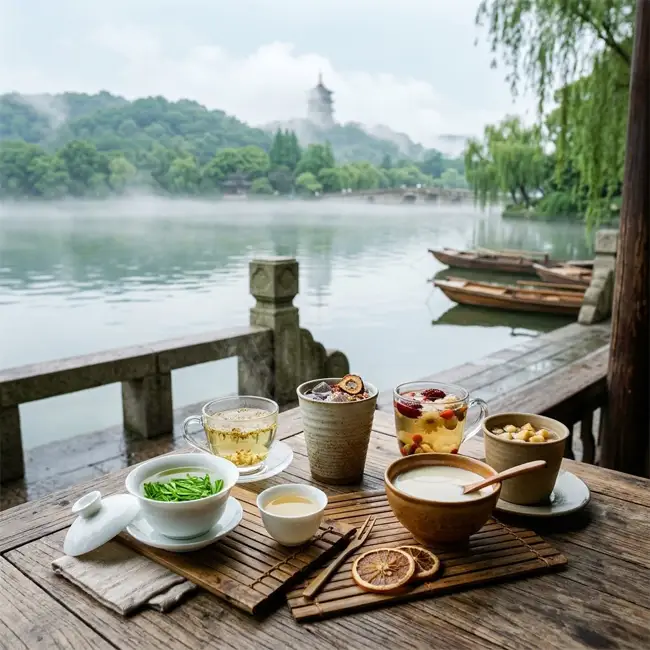
🀄🍵 Introduction: The Cultural Heritage of China Drinks
China has one of the world's richest and most fascinating beverage cultures. From delicate teas served in traditional teahouses to refreshing soy milk enjoyed at breakfast stalls, Chinese drinks are closely connected to everyday life, regional traditions, hospitality, and centuries of cultural development.
When exploring China drinks, there is much more to discover than a simple cup of tea. Every region has its own beverage preferences, ingredients, serving traditions, and local specialties. Some drinks are associated with peaceful afternoons, while others are an essential part of busy morning routines or lively street food neighborhoods.
Tea is perhaps the most recognizable symbol of Chinese beverage culture. China is widely regarded as one of the historical birthplaces of tea cultivation and tea appreciation. Different regions have developed distinctive varieties, including green tea, black tea, white tea, oolong tea, and fermented tea. Each variety offers a different aroma, color, and drinking experience.
However, traditional Chinese beverages extend far beyond tea. Fresh soy milk, sweet fermented rice beverages, herbal infusions, winter melon tea, mung bean drinks, and fruit-based refreshments all have important places in local food culture.
Modern China has also become famous for innovative drinks. Bubble tea, cheese tea, fruit tea, and creative milk-based beverages have transformed the country's contemporary beverage scene. These drinks combine traditional ingredients with modern presentation, creating exciting choices for younger generations and international visitors.
Whether you are interested in authentic Chinese tea culture, traditional breakfast drinks, or colorful street-side refreshments, exploring China's beverage traditions offers a wonderful way to understand the country's food heritage.
🥢 The Art of China Dining Culture & Social Drinking
In China, sharing drinks is often a natural part of social life. A cup of tea can represent hospitality, respect, friendship, and a welcoming gesture toward guests.
Traditional Chinese households frequently serve tea when family members visit, when relatives gather, or when friends spend time together. Offering someone a freshly prepared cup is a simple but meaningful way to show consideration.
Tea also plays an important role in family gatherings. Older generations may prefer traditional loose-leaf tea, while younger family members might choose fruit tea, milk tea, or other contemporary beverages. This combination of old and new reflects how Chinese drinking habits continue to evolve.
Breakfast is another important part of everyday beverage culture. In many cities, freshly prepared soy milk is a familiar morning favorite. It is commonly enjoyed alongside steamed buns, dumplings, savory pancakes, or other traditional breakfast foods.
Tea houses provide another important social setting. These establishments are often associated with conversation, relaxation, traditional arts, and leisurely afternoons. Depending on the location, visitors may find simple neighborhood tea shops or beautifully decorated venues featuring traditional Chinese architecture.
In some parts of China, drinking tea is also connected to traditional wellness philosophies. Certain herbal and botanical beverages are appreciated for their warming, cooling, or refreshing qualities. These cultural associations are part of local food traditions rather than a substitute for medical advice.
Modern city life has introduced another drinking culture: takeaway beverages. Young people regularly visit bubble tea shops, fruit tea counters, and specialty beverage stores. Colorful cups and creative toppings have become familiar sights in shopping districts, universities, and busy commercial streets.
What makes China drinks especially interesting is this balance between tradition and modern lifestyles. A centuries-old tea appreciation culture can exist alongside fashionable beverage shops serving innovative drinks to a new generation.
🏮 Where Culture Meets Flavor: Iconic Food Tourism Spots
Traveling through China is an excellent opportunity to discover how geography, climate, local ingredients, and history influence regional beverages.
Different cities have developed their own drinking traditions, making beverage exploration an enjoyable part of a culinary journey.
◦ Hangzhou, Zhejiang: Famous for its connection to Longjing tea, Hangzhou is an essential destination for visitors interested in traditional Chinese green tea. The surrounding tea-growing landscapes provide a peaceful setting for understanding tea cultivation and appreciation.
◦ Suzhou, Jiangsu: Known for classical gardens, canals, and traditional culture, Suzhou offers a charming environment for enjoying regional teas and exploring historic tea houses.
◦ Chengdu, Sichuan: Chengdu is well known for its relaxed lifestyle and lively teahouse culture. Visitors can experience traditional tea-serving customs while observing local residents enjoying conversation and leisurely afternoons.
◦ Guangzhou, Guangdong: Cantonese food culture includes a strong appreciation for tea. Traditional teahouses and dim sum restaurants offer opportunities to experience different Chinese tea varieties alongside regional breakfast and brunch specialties.
◦ Shanghai: This modern metropolis provides an exciting mixture of traditional tea shops and contemporary beverage brands. Milk tea, fruit tea, and creative specialty drinks are easy to find in popular shopping districts.
◦ Beijing: The capital offers opportunities to discover traditional Chinese tea culture, local specialty shops, and refreshing beverages associated with northern Chinese food traditions.
◦ Fuzhou, Fujian: Fujian is an important tea-producing region, particularly associated with oolong tea and white tea. Exploring its tea culture offers insight into traditional craftsmanship and regional agricultural heritage.
◦ Kunming, Yunnan: Yunnan is particularly interesting for tea enthusiasts because of its connection to Pu'er tea and other distinctive regional tea traditions.
For travelers, visiting these destinations provides more than an opportunity to taste different beverages. It also creates a connection between local agriculture, traditional markets, architecture, and everyday Chinese life.
🥂 Top Iconic China Drinks Specialties
Chinese beverages come in an impressive range of flavors, textures, colors, and serving styles. Some are deeply rooted in traditional food culture, while others have become popular through modern street food and beverage trends.
Here are some iconic China drinks worth discovering.
🍃 1. Chinese Green Tea (Lǜ Chá)
Chinese green tea is one of the most recognizable traditional beverages in the country. It is appreciated for its fresh aroma, delicate flavor, and refreshing character.
Unlike heavily processed tea varieties, green tea generally undergoes minimal oxidation. Its flavor can range from grassy and vegetal to lightly sweet and floral, depending on the tea variety and growing region.
Longjing tea from Hangzhou is among the best-known examples. Its flat leaves, subtle aroma, and smooth character have made it a favorite among tea enthusiasts.
Chinese green tea is commonly enjoyed during everyday meals, quiet afternoons, and traditional tea gatherings.
☕ 2. Chinese Black Tea (Hóng Chá)
Known as red tea in Chinese because of its reddish infusion, Chinese black tea offers a deeper and fuller flavor than many green tea varieties.
Popular examples include Keemun black tea from Anhui and Dianhong tea from Yunnan.
Depending on the variety, the flavor may feature honey-like sweetness, malty notes, floral aromas, or gentle fruity characteristics.
Black tea is commonly enjoyed warm and is also used as a foundation for some modern milk tea creations.
🌸 3. Jasmine Tea (Mòlì Huā Chá)
Jasmine tea is famous for its beautiful floral fragrance. It is traditionally made by scenting tea leaves with fresh jasmine blossoms.
The result is a fragrant beverage that combines the natural character of tea with the delicate perfume of flowers.
Jasmine tea is especially popular in southern China and is often served in restaurants and teahouses.
Its refreshing aroma makes it a pleasant choice for people who enjoy lighter and more fragrant beverages.
🌿 4. Oolong Tea (Wū Lóng Chá)
Oolong tea occupies an interesting position between green and black tea in terms of oxidation.
Its flavor varies considerably depending on the region, processing method, and roasting level.
Some varieties have floral and creamy characteristics, while others offer roasted, nutty, or mineral-like notes.
Fujian and Taiwan are particularly well known for their oolong tea traditions, making this beverage an important part of the broader Chinese tea experience.
🍂 5. Pu'er Tea (Pǔ'ěr Chá)
Pu'er tea originates from Yunnan and is particularly valued for its distinctive production and aging traditions.
It is generally divided into raw and ripe styles, which have different processing methods and flavor characteristics.
Raw Pu'er can develop complex earthy, floral, and woody notes over time, while ripe Pu'er is often appreciated for its smoother, deeper character.
For travelers interested in traditional Chinese tea culture, Pu'er offers a fascinating connection to regional history and craftsmanship.
🥛 6. Traditional Chinese Soy Milk (Dòu Jiāng)
Soy milk is one of China's most familiar everyday beverages, especially during breakfast.
Made from soybeans and water, it has a naturally mild, creamy flavor and can be served warm or chilled.
Sweet soy milk is popular in many areas, while savory versions can include ingredients such as soy sauce, sesame oil, dried vegetables, or other local seasonings.
It is commonly paired with breakfast favorites such as youtiao, steamed buns, and savory pancakes.
For visitors seeking an authentic taste of Chinese daily life, traditional soy milk is an excellent starting point.
🥛 7. Chinese Milk Tea (Nǎi Chá)
Chinese milk tea has developed into a major part of modern beverage culture.
Traditional-style milk tea can combine black tea with milk or other creamy ingredients, creating a smooth drink with a balanced tea flavor.
Today, milk tea shops offer countless variations, including brown sugar milk tea, roasted tea milk tea, fresh milk tea, and specialty seasonal creations.
Different cities and brands often develop their own signature combinations, making milk tea an exciting part of China's contemporary street beverage scene.
🧉 8. Bubble Tea (Zhēn Zhū Nǎi Chá)
Bubble tea is one of the most recognizable modern Asian beverages and has become an international favorite.
It typically combines tea, milk or other beverage bases, sweeteners, and chewy tapioca pearls.
The contrast between the smooth drink and chewy pearls is one of the main reasons for its popularity.
In modern Chinese cities, bubble tea shops offer different sweetness levels, ice options, toppings, and tea bases.
Although contemporary bubble tea culture is strongly associated with Taiwan, it has become widely embraced throughout mainland China and is now part of the country's broader modern beverage landscape.
🍊 9. Winter Melon Tea (Dōng Guā Chá)
Winter melon tea is a popular sweet beverage found in different parts of China and neighboring East Asian food cultures.
It is traditionally associated with winter melon, a large pale-green fruit used in many regional dishes and refreshments.
The drink generally has a mellow sweetness and a gentle, caramel-like flavor.
It can be served warm or chilled, making it a versatile choice throughout the year.
Winter melon tea is especially familiar in southern Chinese-style beverage shops and traditional refreshment stalls.
🌾 10. Sweet Fermented Rice Drink (Tián Jiǔ Niàng)
Sweet fermented rice is a traditional Chinese food ingredient that is also used to create comforting sweet beverages and desserts.
It is commonly made from glutinous rice and a fermentation starter, producing a soft texture and naturally sweet, mildly tangy flavor.
Some regional preparations are served warm with small rice pieces, while others are incorporated into sweet soups or dessert-style drinks.
This specialty offers an interesting example of how traditional Chinese food preservation techniques influence beverage culture.
🌼 11. Chrysanthemum Tea (Jú Huā Chá)
Chrysanthemum tea is a familiar herbal infusion made from dried chrysanthemum flowers.
It has a delicate floral aroma and a light, naturally pleasant taste.
Some people enjoy it plain, while others add a little rock sugar to create a sweeter beverage.
Chrysanthemum tea is frequently associated with traditional Chinese household hospitality and is commonly served warm or chilled.
Its golden appearance also makes it an attractive addition to traditional tea gatherings.
🌱 12. Barley Tea (Dà Mài Chá)
Barley tea is a grain-based beverage appreciated for its roasted aroma and gentle flavor.
Roasted barley is infused in hot water to produce a light brown drink with warm, nutty characteristics.
It can be enjoyed hot or cold and is often chosen as an alternative to more aromatic tea varieties.
Although barley tea is also popular in other East Asian countries, it has its own place within the wider Chinese tradition of grain-based refreshments.
🥜 13. Mung Bean Drink (Lǜ Dòu Tāng)
Mung bean beverages are especially familiar in traditional Chinese summer food culture.
Prepared from mung beans, water, and sometimes rock sugar, this refreshing specialty can have a light, gently sweet flavor.
Depending on the preparation, it may be served as a thin drink or a thicker dessert-like soup.
It is commonly associated with warm-weather refreshments and traditional Chinese household cooking.
🍈 14. Chinese Lemon Tea (Níng Méng Chá)
Chinese lemon tea is a popular refreshing beverage found in restaurants, cafés, and street-side drink shops.
It commonly combines tea with fresh lemon slices and sweeteners.
The resulting flavor is a pleasant balance of citrus freshness, gentle bitterness, and sweetness.
Different shops may use black tea, green tea, or other tea bases, creating a variety of flavor combinations.
It is especially popular among people who enjoy bright, refreshing drinks with a citrus character.
🍑 15. Chinese Fresh Fruit Tea (Shuǐ Guǒ Chá)
Fresh fruit tea has become one of the most fashionable beverage categories in contemporary China.
Popular combinations include lemon tea, peach tea, grape tea, passion fruit tea, and mixed seasonal fruit beverages.
Some versions combine fresh fruit pieces with green tea or jasmine tea, while others feature fruit purées and sparkling water.
The visual appeal of fresh ingredients, colorful layers, and transparent serving cups has helped make fruit tea a favorite among younger consumers.
This modern category also demonstrates how traditional tea ingredients can be adapted to contemporary tastes.
😍 Flavor Profile: What Makes China Drinks Unique?
One of the most interesting characteristics of Chinese beverages is their diversity.
Rather than relying on a single flavor profile, China drinks represent a broad spectrum of tastes shaped by local ingredients, geography, climate, and historical preferences.
Several characteristics help define this diversity:
◦ Floral aromas: Jasmine, chrysanthemum, and certain green tea varieties offer delicate floral fragrances.
◦ Fresh and grassy notes: Many Chinese green teas feature light vegetal flavors and refreshing aromas.
◦ Roasted characteristics: Roasted oolong tea and barley-based drinks provide deeper, nuttier flavor profiles.
◦ Natural sweetness: Soy milk, sweet rice beverages, fruit teas, and mung bean refreshments offer different forms of gentle sweetness.
◦ Creamy textures: Modern milk tea and traditional soy milk provide smoother, fuller drinking experiences.
◦ Citrus freshness: Lemon tea and fruit-based refreshments introduce bright, tangy flavors.
◦ Earthy depth: Certain traditional teas, especially Pu'er, are appreciated for their complex earthy and woody notes.
Another important feature is the relationship between beverages and seasonal preferences.
In warmer months, chilled lemon tea, fruit tea, mung bean drinks, and other refreshing beverages become attractive choices.
During colder periods, warm soy milk, traditional tea, and comforting grain-based drinks are common favorites.
This seasonal approach reflects the close relationship between Chinese food traditions and the natural environment.
🌱 Essential Ingredients & Traditional Preparation Techniques
Chinese beverage culture is built around a fascinating collection of agricultural ingredients and traditional preparation methods.
Tea leaves, flowers, grains, beans, fruits, and botanical ingredients all contribute to the country's diverse beverage traditions.
Understanding these ingredients provides a deeper appreciation of how Chinese drinks developed and why different regions have their own signature specialties.
🚩 Signature Spices & Local Ingredients
Although Chinese drinks are often associated with tea leaves, their ingredients are much more diverse.
Some of the most important ingredients include:
✦ Tea leaves: Green tea, black tea, white tea, oolong tea, and Pu'er form the foundation of traditional Chinese tea culture.
✦ Soybeans: Used to prepare fresh soy milk, an essential part of many traditional breakfast routines.
✦ Chrysanthemum flowers: Popular for making fragrant floral infusions.
✦ Jasmine flowers: Used to create naturally fragrant jasmine-scented tea.
✦ Winter melon: An important ingredient in traditional sweet refreshments.
✦ Mung beans: Used in traditional summer drinks and dessert-style refreshments.
✦ Glutinous rice: An important ingredient in sweet fermented rice specialties.
✦ Barley: Roasted barley creates grain-based beverages with warm, nutty aromas.
✦ Fresh fruits: Lemons, peaches, grapes, citrus fruits, and passion fruit are common ingredients in modern fruit tea.
✦ Rock sugar: Traditionally used to sweeten certain floral infusions, herbal beverages, and dessert-style drinks.
✦ Tapioca pearls: A defining ingredient in many contemporary bubble tea varieties.
Regional agricultural conditions also influence the ingredients available to local beverage producers.
For example, tea-growing areas in Zhejiang, Fujian, Anhui, and Yunnan have developed distinctive tea traditions partly because of their local landscapes and growing environments.
🔥 Time-Honored Cooking Methods
Traditional Chinese beverage preparation involves several techniques that have been refined through generations.
These methods influence not only flavor but also aroma, color, texture, and presentation.
1. Tea Steeping
Steeping is one of the most fundamental techniques in Chinese tea culture.
Tea leaves are placed in hot water to release their aroma and flavor. Different tea varieties require different water temperatures and steeping times to achieve their preferred characteristics.
Traditional tea appreciation often focuses on observing the leaves, smelling the fragrance, and enjoying the changing flavors across multiple infusions.
2. Tea Roasting
Certain tea varieties undergo roasting as part of their production process.
This technique can create deeper aromas and introduce nutty, toasted, or warm flavor characteristics.
The roasting level contributes significantly to the final personality of particular oolong teas.
3. Flower Scenting
Flower scenting is a traditional technique used to create fragrant teas.
Fresh flowers, especially jasmine, are placed in contact with tea leaves so their natural fragrance can be absorbed.
This process may be repeated to achieve the desired aromatic character.
4. Soybean Extraction
Traditional soy milk preparation involves soaking soybeans, grinding them with water, and filtering the mixture.
The resulting liquid is then heated to create a smooth beverage with a mild, creamy flavor.
This technique demonstrates how a simple agricultural ingredient can become an important part of everyday Chinese food culture.
5. Botanical Infusion
Dried flowers and selected botanical ingredients are steeped in hot water to create traditional herbal infusions.
Chrysanthemum tea is a well-known example.
This preparation method allows the natural fragrance and flavor of the ingredients to become part of the finished beverage.
6. Grain Preparation
Grain-based beverages often begin with roasting or cooking their main ingredients.
Roasted barley tea, for example, develops its distinctive warm aroma through the roasting process before being infused in water.
7. Modern Beverage Layering
Contemporary Chinese drink shops have introduced new presentation techniques.
Milk tea, fruit tea, and specialty beverages may feature multiple layers of tea, milk, fruit, cream, and toppings.
These techniques create visually appealing drinks while offering different textures and flavor combinations.
Together, these traditional and modern methods demonstrate the remarkable versatility of China's beverage heritage.
🧧❓ Frequently Asked Questions (FAQ)
Q1. What Are the Most Popular Traditional Drinks in China?
Some of the most recognizable traditional Chinese drinks include green tea, jasmine tea, oolong tea, Pu'er tea, soy milk, chrysanthemum tea, and winter melon tea.
These beverages are popular for different reasons, including their regional heritage, distinctive flavors, and connection to everyday Chinese lifestyles.
Q2. What Do Chinese People Usually Drink for Breakfast?
Soy milk is one of the most familiar Chinese breakfast beverages.
It is commonly enjoyed warm or chilled alongside youtiao, steamed buns, dumplings, and savory pancakes.
Tea is also widely consumed throughout the day, including during breakfast and other meals.
Q3. What Is China's Most Famous Tea?
China has several internationally recognized teas rather than just one national favorite.
Longjing green tea from Hangzhou, Tieguanyin oolong tea from Fujian, Keemun black tea from Anhui, and Pu'er tea from Yunnan are among the best-known examples.
Each variety offers a distinctive aroma, taste, and regional identity.
Q4. What Are the Best Chinese Drinks to Try When Traveling?
Visitors interested in traditional flavors can start with jasmine tea, Longjing tea, soy milk, chrysanthemum tea, and winter melon tea.
Those who prefer modern beverages may enjoy bubble tea, fresh fruit tea, and Chinese-style lemon tea.
Trying regional specialties in their places of origin is an excellent way to experience China's diverse beverage culture.
🏮 Culinary Heritage & Credit to China Traditions
China's beverage heritage represents centuries of agricultural knowledge, craftsmanship, cultural exchange, and everyday traditions.
From the carefully cultivated tea gardens of Zhejiang and Fujian to the historic tea houses of Chengdu and the lively beverage streets of Shanghai, every destination offers a different perspective on how drinks connect people and places.
Traditional Chinese tea culture is particularly important because it represents much more than the preparation of a beverage. It reflects patience, hospitality, appreciation of nature, and the importance of sharing simple moments with others.
At the same time, modern beverage culture demonstrates China's ability to embrace creativity while maintaining connections with traditional ingredients.
Bubble tea, fresh fruit tea, contemporary milk tea, and innovative botanical refreshments have introduced Chinese-inspired drinking experiences to new generations around the world.
For travelers, food enthusiasts, and curious readers, discovering China drinks is an enjoyable way to explore the country's identity through taste.
A traditional cup of jasmine tea, a warm glass of fresh soy milk, or a colorful fruit tea from a modern street-side shop can each tell a different story about Chinese life.
Most importantly, China's beverage traditions deserve recognition through an appreciation of their regional origins, local producers, traditional craftsmanship, and the communities that continue to preserve them.
Whether you prefer delicate floral teas, rich roasted varieties, creamy soy milk, or refreshing fruit-based creations, China's beverage culture offers something interesting for almost every taste.
Discovering China one drink at a time is not simply about finding something delicious. It is about experiencing the traditions, people, landscapes, and everyday moments that make Chinese food culture so memorable.
🍷 Refreshing Chinese Sour Plum Drink (Suanmeitang): A Traditional Summer Favorite
👉 Brew Decadent Chinese Drinks
| 🌐 🍷 < Back | 🇨🇳 🍨 < Previous | Next > 🍲 🇨🇳 |