
🏠 Home > 🗺️ Recipes > 🍞 Breads > 🇧🇦 Bosnia Breads
🇧🇦 🍞 Bosnia Breads Recipes
Published by Supakorn | Updated: April 2026
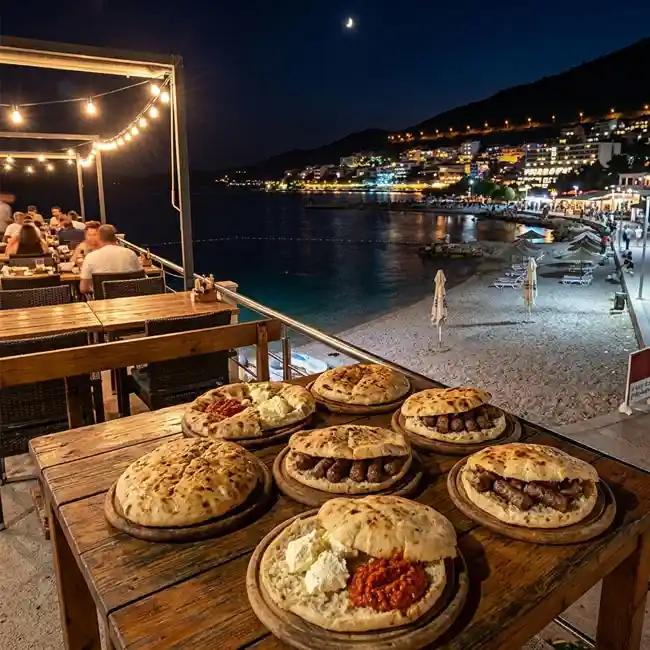
If you’ve ever walked through the historic streets of Baščaršija in Sarajevo just before sunset—especially during the month of Ramadan—there is one scent that defines the entire experience. It’s not just "bread." It’s a warm, yeasty, slightly charred, and utterly intoxicating aroma that pulls you toward the nearest pekara (bakery).
In Bosnia and Herzegovina, bread isn't just a side dish. It’s the guest of honor at every meal. It’s the vessel for your cevapi, the tool you use to scoop up the last drop of bean soup, and the symbol of hospitality that has bound families together for centuries. Today, we’re going on a journey through the flour-dusted world of Bosnian breads. We aren't just talking about carbs; we’re talking about the soul of a nation.
🇧🇦 🧀🥐More Than Just Flour and Water: The Bread Philosophy
Before we look at the specific types of bread, we have to talk about how Bosnians view bread. There’s an old saying in the region: "Bread is life." Throwing away bread is considered a major cultural "no-no." If a piece falls on the floor, it’s common to see older generations pick it up and kiss it as a sign of respect for the sustenance it provides.
Bread is the ultimate equalizer. Whether you are in a high-end restaurant or a humble village home, the bread basket is always full. It represents the "sharing culture" of the Balkans. You don’t just take a slice for yourself; you break the bread with your hands and pass it around. This act of "breaking bread" is the foundation of Bosnian social life.
🥯 The Legends of the Oven: Iconic Bosnian Breads
Let’s dive into the heavy hitters. Each of these breads has a specific role, a specific texture, and a very specific place in the hearts of the locals.
🥙 Somun: The King of the Grill
If there is one bread that defines Bosnia, it is the Somun. This is a soft, airy flatbread that looks like a pocket but tastes like heaven.
• The Look: It’s recognizable by the "lattice" or grid pattern on top, created by a wooden skewer before baking.
• The Smell: Authentic Somun is baked in old-fashioned wood-fired stone ovens. The smoky flavor is non-negotiable.
• The Scent of Tradition: During Ramadan, bakeries add "Ćurekot" (black cumin seeds) on top. The smell of baking Somun with black cumin is the official "scent of Sarajevo."
🍞 Lepinja: The Sturdy Sidekick
Often confused with Somun by tourists, Lepinja is its slightly tougher, more common cousin. While Somun is delicate and airy, Lepinja is a bit more robust. It is the standard bread used for Ćevapi (minced meat sausages). It’s usually sliced open and grilled over the meat juices so it absorbs all that savory goodness.
🥨 Pogača: The Ceremonial Star
If Somun is the everyday hero, Pogača is the star of the show. This is a round, decorative loaf that varies from region to region.
• The Occasion: Pogača is served at weddings, family reunions, and religious holidays.
• The Texture: It’s often richer than standard bread, sometimes made with milk or yogurt to give it a soft, brioche-like interior.
• The Ritual: It is traditionally broken by hand at the center of the table, never cut with a knife, symbolizing the unity of the family.
🍩 Uštipci: The Morning Delight
Technically fried dough rather than baked bread, Uštipci are the Bosnian version of savory donuts. These golden nuggets are a staple of a "Herzegovinian breakfast."
• The Pairing: They are usually served hot with local cheeses, smoked beef (suho meso), or even honey and jam for those with a sweet tooth.
• The Vibe: Eating Uštipci on a terrace overlooking the mountains is a core Bosnian experience.
🏘️ The Pekara Culture: The 24-Hour Heartbeat
In Bosnia and Herzegovina, the Pekara (bakery) is more than just a shop. It is a social landmark. In most cities, you are never more than a five-minute walk from a bakery, and many of them operate 24/7.
🌙 The Night Owl’s Sanctuary
Whether it’s 3:00 AM after a long night of socializing or 6:00 AM as workers head to their shifts, the Pekara is always open. The ritual of getting fresh, hot bread in the middle of the night is a rite of passage. There is something magical about standing in the cool night air, holding a bag of bread so hot it burns your fingers.
🥖 The Craftsmanship
Baking is a respected profession here. Many of the famous bakeries are family-owned, passed down through generations. The "Masters of the Dough" have an intuitive sense of the oven’s temperature and the dough’s elasticity. They don't use fancy timers; they listen to the crackle of the crust.
🏔️ Regional Variations: From the Mountains to the Plains
Just like the landscape, the bread changes as you travel across the country.
🚜 The Rustic North and Central Bosnia
In the central highlands, bread tends to be heavier and more filling. You’ll find more whole grains and dense loaves designed to keep you full during long winters. Here, bread is often served with thick stews like Grah (bean soup) or Bosanski Lonac.
☀️ The Sun-Drenched South (Herzegovina)
In the south, where the sun is stronger and the climate is Mediterranean, the breads can be lighter. You’ll see more influence from the coast—think breads infused with wild herbs or served with generous amounts of high-quality olive oil. The "Stone House" traditions of Herzegovina often feature breads baked under a Sač (a large metal dome covered in hot coals), which gives the bread a unique, earthy crust.
🌾 Ingredients: The Beauty of Simplicity
One of the reasons Bosnian bread tastes so good is the lack of preservatives. We’re talking about the "Holy Trinity" of baking:
1.High-Quality Flour: Locally milled wheat is often used, providing a flavor that mass-produced flour simply can't match.
2.Wood-Fired Ovens: The smoky "char" is a flavor profile in itself.
3.Patience: Many of these breads, especially the Somun, require a specific fermentation process to get those iconic air bubbles.
🤝 The Social Significance: Bread as a Bridge
In Bosnia’s history, bread has often been a symbol of peace. During the most difficult times, the sharing of a simple loaf of bread between neighbors of different backgrounds was a powerful statement of humanity.
When you sit down at a Bosnian table, the host will likely place a huge pile of bread in front of you before the main course even arrives. This isn't just to fill you up; it’s a gesture that says, "Everything I have is yours." To refuse bread is almost impossible because the invitation is so sincere.
❓ FAQ: Everything You Wanted to Know About Bosnian Breads
🙋♂️ Q1.Why is Bosnian bread usually broken by hand instead of sliced?
It’s a deeply rooted tradition! Breaking bread by hand is seen as more intimate and communal. It symbolizes sharing and equality. Using a knife is sometimes seen as too "clinical" or cold for a warm family meal. Plus, the textures of breads like Pogača or Somun are actually better preserved when torn!
🙋♂️ Q2.What is the difference between Somun and Pita?
This is a common point of confusion! In Bosnia, Pita refers to the famous "pie" made of thin phyllo dough (like Burek). Somun is the fluffy flatbread. If you ask for "Pita" expecting bread, you’re going to get a delicious meat or cheese pie instead! (Which is also a win, honestly).
🙋♂️ Q3.Can I find gluten-free traditional Bosnian breads?
Traditionally, Bosnian breads are very wheat-centric. However, in modern cities like Sarajevo and Banja Luka, many bakeries are starting to adapt to modern dietary needs. That said, the classic "Somun" and "Pogača" rely heavily on wheat gluten to get that specific airy texture.
Bosnia and Herzegovina is a country that tells its story through its food, and the bread is the most important chapter. It’s humble, it’s warm, and it’s always meant to be shared. So, the next time you find yourself in the Balkans, follow your nose to the nearest Pekara, grab a warm Somun, and take a bite of history.
Prijatno! (Enjoy!)
🍞 From Balkan Ovens to Your Kitchen: The Ultimate Healthy Bosnian Bread Guide
👉 Indulge 3 Bosnian Everyday Breads
| 🌐 🍞 < Back | 🇧🇦 🥗 < Previous | Next > 🍱 🇧🇦 |