
🏠 Home > 🗺️ Recipes > 🧊🥩 Ice Age Ancestral Feast (Paleo Food) > ❄️ Altai-Siberian Wilderness: Ice Age Ancestral Feast (Paleo Food) Recipes
❄️ 🧊🥩 Altai-Siberian Wilderness: Ice Age Ancestral Feast (Paleo Food) Recipes
Published by Supakorn | Updated: August 2026
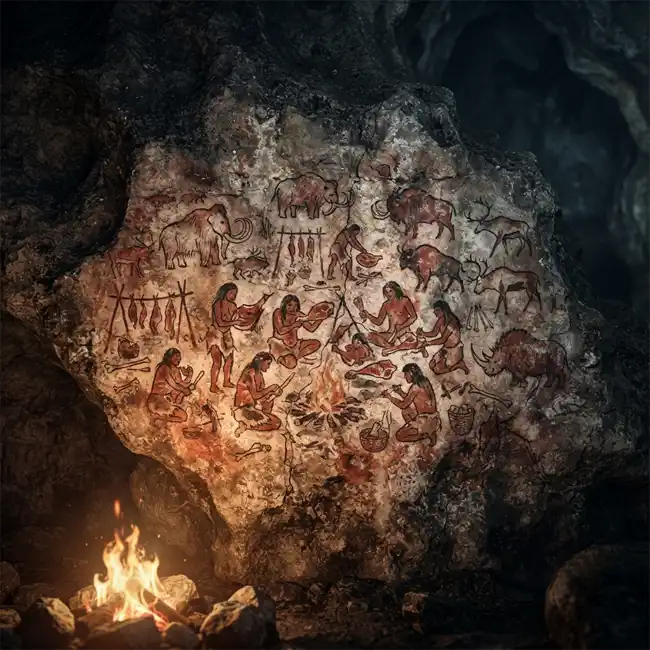
Have you ever wondered what was simmering over a crackling hearth in the bone-chilling cold of prehistoric Siberia hundreds of thousands of years ago? Long before recorded history, high-end culinary arts, or modern agriculture, our ancient ancestors faced one of the most brutal environments this planet has ever seen. Welcome to the rugged Altai-Siberian wilderness during the Pleistocene epoch—a vast, frozen expanse where survival was an everyday triumph and food was the ultimate prize.
In this deep dive into prehistoric food culture, we are stripping away modern cooking techniques, synthetic additives, and agricultural grains to uncover the true roots of human nutrition. We will explore how early humans endured harsh glacial shifts across hundreds of millennia, uncover documented primitive culinary traditions derived from fossilized cave finds, and journey through the legendary landscapes where these ancient hunters once roamed. Grab your furs, step close to the hearth, and let’s unlock the untamed world of the ultimate Ice Age ancestral feast!
❄️ 📜 The Ice Age Chronicles: 30,000 - 300,000 B.C.
To truly appreciate how our ancestors ate, we have to travel back across a vast timeline stretching from 300,000 to 30,000 years ago. This monumental era spans the Lower, Middle, and Upper Paleolithic periods, a time when the Earth was gripped by fluctuating glacial cycles, sub-zero winds, and relentless snowscapes. In the heart of North Eurasia, the Altai-Siberian corridor served as a crucial gateway and refugium for diverse homenin populations, including Neanderthals, Denisovans, and early Homo sapiens.
During the Lower and Middle Paleolithic eras, surviving in the northern latitudes required immense physical resilience and rapid cognitive evolution. Temperatures frequently plunged to extremes that would freeze modern humans in a matter of hours. The landscape was dominated by the mammoth steppe—a cold, dry biome rich in highly nutritious grasses that supported massive herds of megafauna. Early humans could not rely on plant foraging year-round because the frozen ground offered little flora for months at a time. High-density animal fats and protein became absolute non-negotiables for metabolic survival.
The real game-changer during this era was the mastery of fire and the evolution of stone tool technology. The controlled use of fire provided essential warmth, repelled formidable predators, and revolutionized the human digestive system. Cooking tough animal muscle tissue rendered collagen into gelatin, neutralized harmful pathogens, and made complex proteins significantly easier to absorb.
Simultaneously, the transition from simple Oldowan choppers to sophisticated Levallois flakes and Mousterian stone blades allowed homenins to butcher thick-skinned megafauna with surgical precision. By the Upper Paleolithic period, around 30,000 years ago, early modern humans were crafting bone needles, specialized spear points, and organized hearth structures. Food was no longer just scavenged on the fly; it was strategically hunted, carefully butchered, cooked over open flames, and shared within close-knit tribal communities around a central fire.
🦴 Excavated Paleolithic Relics: Ancestral Meals & Elixirs
archaeological science has given us an incredible window into the past. By examining fossilized animal bones displaying cut marks, charred plant remains in ancient hearths, dental calculus, and microscopic pollen trapped in cave sediment, researchers have reconstructed the actual food items consumed by Ice Age Siberian tribes. Below are the prominent ancestral dishes and wild herbal extractions documented through prehistoric archaeological records.
• Pit-Roasted Steppe Bison with Marrow Glaze: A staple meal of the northern plains, featuring large cuts of fatty bison loin wrapped in wild leaves, buried in pit hearths packed with hot river stones, and basted with rendered bone marrow.
• Glacial Steppe Mammoth Rib Roast: Sourced from megafauna hunts, prime rib sections were slow-roasted directly over hearth embers, yielding dense, calorie-heavy fat layers essential for winter endurance.
• Cracked Femur Bone Marrow Jelly: Long leg bones of Woolly Rhinoceros and wild horses were fractured with heavy hammerstones and gently heated near embers to extract pure, liquid lipid marrow rich in fat-soluble vitamins.
• Clay-Baked Wild Horse Shoulder: Choice cuts of horse meat encased in river mud and placed directly into ash beds, allowing the flesh to steam in its natural juices while sealing out dirt and soot.
• Eurasian Cave Bear Collagen Stew: Muscle meat and cartilage-rich joints simmered in natural rock basins using fire-heated stones to create a dense, gelatinous broth packed with amino acids.
• Charred Reindeer Tongue and Heart: Nutrient-dense organ meats roasted on flat slate stones set over open flames, providing high concentrations of iron, B-vitamins, and metabolic fuel.
• Wild Siberian Salmon Smoked over Larch Wood: River-caught salmon stretched on wooden frames and cold-smoked beside hearth fires using fragrant Siberian larch branches for long-term preservation.
• Alpine Willow Bark and Rosehip Infusion: A warm herbal tonic prepared by steeping bitter inner willow bark and wild rosehips in heated water, delivering natural pain-relieving salicin and vitamin C.
• Siberian Pine Needle and Juniper Decoction: A fragrant, forest-foraged hot drink made by simmering fresh evergreen needles and crushed juniper berries to ward off winter scurvy.
• Chaga Mushroom and Birch Bark Tea: A dark, earthy brew derived from wild medicinal fungi harvested from Siberian birch trees, consumed for immune support and thermal warmth.
• Wild Tundra Berry Paste with Rendered Fat: A preserved survival mix combining crushed wild cranberries and lingonberries with rendered animal suet, creating an energy-dense precursor to pemmican.
• Roasted Wild Allium and Root Medley: Foraged wild garlic bulbs, mountain leeks, and starch-rich alpine roots roasted directly in wood ashes during the short summer thaw.
❄️ Living Like the Mammoth Hunters: Paleolithic Survival & Cave Heritage
What did a day in the life of an Ice Age hunter actually look like? Daily existence in the Altai-Siberian wilderness was defined by deep ecological connection, mobility, and intense communal cooperation. Survival required every member of the tribe to contribute, whether tracking massive game across frozen tundra or maintaining the fire that kept the darkness at bay.
Hominins lived in natural limestone caves, rock shelters, and temporary winter dwellings constructed from mammoth bones covered in heavy animal hides. These living spaces were organized around central stone-lined hearths, which served as the kitchen, heating system, and social center of the tribe. Daily life revolved around seasonal cycles: spring and summer were spent fishing along glacial rivers, foraging alpine herbs, and gathering wild roots, while autumn and winter demanded heavy hunting campaigns to store fat reserves.
For modern travelers, history buffs, and adventure seekers, you can actually step into the footprints of these ancient ancestors today. The Altai region of Russia, Kazakhstan, Mongolia, and China remains one of the most pristine and archaeologically rich destinations on Earth.
• Denisova Cave (Altai Krai): Visit the world-famous archaeological site where both Neanderthals and the enigmatic Denisovans lived for tens of thousands of years, offering an unprecedented look at prehistoric human evolution.
• Chagyrskaya and Okladnikov Caves: Key Paleolithic sites in the Altai foothills that have yielded rich assemblages of Neanderthal stone tools and butchered megafauna bones.
• Ukok Plateau: A UNESCO World Heritage landscape featuring vast, frozen steppes, ancient burial mounds, and glacial valleys that mirror the exact environment navigated by Ice Age hunters.
• The Valley of the Yelo River: Home to numerous Paleolithic rock art sites, petroglyphs, and ancient open-air campsites tucked beneath dramatic granite cliffs.
• National Museum of the Altai Republic (Gorno-Altaysk): A world-class facility housing extraordinary Paleolithic artifacts, stone tool collections, and prehistoric faunal remains recovered from local excavation sites.
🏔️ Taming the Frozen Wilderness: Glacial Valleys & Ice Epoch Trails
For historical nature enthusiasts and wilderness hikers, tracing the ancient paths of the Pleistocene epoch is an unforgettable experience. The Altai-Siberian region is home to dramatic terrain that has remained largely unchanged since the last Ice Age. Visiting these physical landscapes provides deep insight into how early humans navigated challenging geography to track migrating herds.
• Katun River Basin Glacial Trail: A striking wilderness trail winding along turquoise glacial waters, where early hunter-gatherers trapped migrating game and fished for cold-water species.
• Chuya Steppe Basin: An immense, high-altitude intermontane basin that served as a primary corridor for megafauna herds, offering sweeping views of snow-capped peaks and ancient alluvial fans.
• Belukha Mountain Wilderness Trails: Routes surrounding the highest peak in Siberia, featuring dramatic glaciers, alpine tundra, and primitive forest ecosystems reminiscent of primeval habitats.
• Aktru Glacial Valley: A dramatic landscape offering close access to living glaciers, allowing visitors to experience the exact ice-bound atmospheric conditions that shaped Pleistocene human survival.
• Karakol Valley Cultural Reserve: A sacred mountain valley brimming with ancient monuments, glacial rock formations, and prehistoric pathways used by nomadic hunter-gatherer bands.
🧬❓ Paleolithic Mysteries FAQ: Unlocking Cave Kitchen Secrets
Q1: Did Ice Age humans only eat heavy meat, or did they consume plant foods too?
A: While animal fats and proteins formed the bulk of their calorie intake during harsh winter months, archaeological evidence confirms that Paleolithic humans were opportunistic omnivores. Dental calculus studies show that they consumed wild grains, tubers, mountain Alliums, berries, and medicinal herbs whenever they were seasonally available.
Q2: How did early humans boil water or simmer broths without metal pots?
A: Prehistoric cooks used ingenious indirect heating methods. They lined dug-out earth pits or natural rock hollows with animal hides or thick bark, filled them with water and ingredients, and dropped intensely heated river stones directly into the liquid using wooden tongs until it reached a rolling boil.
Q3: Why was animal bone marrow so critical to the Ice Age diet?
A: Lean muscle meat alone cannot sustain human life in extreme cold due to protein toxicity (often called "rabbit starvation"). Bone marrow provided an abundant source of pure, dense lipids, essential fatty acids, and fat-soluble vitamins (A, D, E, and K) necessary to maintain metabolic heat and brain function.
Q4: How did prehistoric people keep meat from spoiling without refrigeration?
A: Nature provided the ultimate freezer during Siberia's long winters. Beyond natural cold storage, ancient tribes utilized smoke-drying over hearth fires, wind-drying on wooden racks, lacto-fermentation in cold subterranean pits, and mixing dried meat with rendered fat and acidic wild berries.
🧠 Final Thoughts: The Untamed Soul of Primeval Gastronomy
Stepping back into the Ice Age kitchen reminds us of the raw strength, resourcefulness, and deep ecological wisdom embedded in our human heritage. Long before processed foods, modern conveniences, and artificial flavors, our ancestors survived and thrived by honoring every single resource the wild provided—from nutrient-rich marrow to wild forest herbs.
Eating like an Ice Age hunter isn't just about high-protein nutrition; it’s about reconnecting with unrefined ingredients, understanding natural thermal cooking, and appreciating the fires that kept humanity alive through frozen centuries. Stay tuned for our upcoming releases, where we will share complete, step-by-step culinary recreation guides and authentic cooking methods for each of these legendary prehistoric recipes!
🏛️ Credit to the Keepers of the Paleolithic Heritage
This historical overview is compiled from Paleolithic archaeological records, glacial ice-core studies, and prehistoric cave discoveries. We honor the resilience of our ancient ancestors and the dedicated researchers unearthing human history.
Special recognition goes to the Institute of Archaeology and Ethnography of the Siberian Branch of the Russian Academy of Sciences (IAET SO RAN), international zooarchaeologists, paleobotanists, and field researchers working across the Altai Mountains. Their tireless excavation work in Denisova, Chagyrskaya, and Okladnikov caves continues to rewrite the story of human origin, prehistoric culture, and ancestral foodways for the entire world.
🧊🥩 Siberian Woolly Rhino Steak: A Lost Ice Age Feast Reimagined
👉 Unearth the Altai-Siberian Ancestral Feast
| 🌐 🧊🥩 < Back | Next > 🍵 ❄️ |