
🏠 Home > 🗺️ Recipes > 🥘 Sauces > 🇻🇪 Venezuela Sauces
🇻🇪 🥘 Venezuela Sauces Recipes
Published by Supakorn | Updated: June 2026
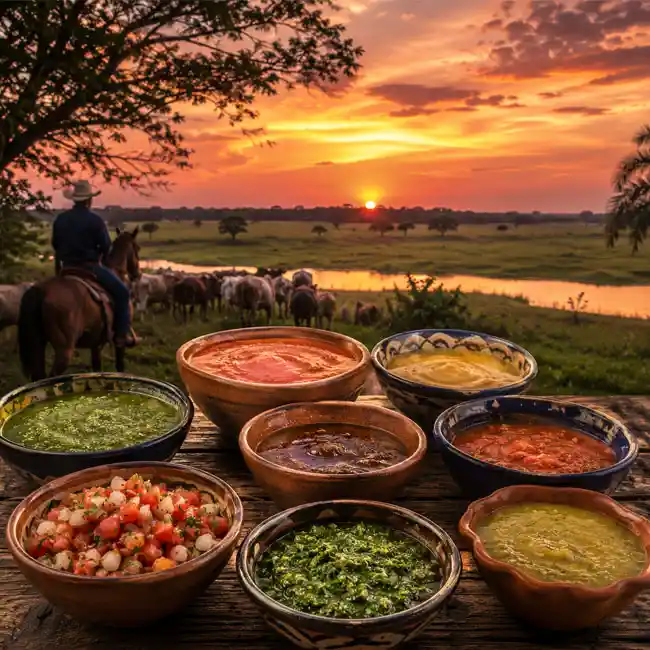
🇻🇪 🥘 Why Venezuela Sauces Are the Heartbeat of Every Meal
Let’s be real — in Venezuela, food without sauce is like a party without music. It just doesn’t feel right. Sauces here aren’t just “extras” you drizzle on top. They’re part of the culture, the conversation, and the way people show love through food. From street corners in Caracas to family kitchens in Mérida, you’ll find a little bowl of something green, creamy, or spicy sitting right next to the main dish.
Venezuelans grow up knowing that a good sauce can turn simple ingredients into something unforgettable. It’s how grandmas win over picky kids, how street vendors keep regulars coming back, and how friends stretch a meal into hours of laughter. The vibe is casual, generous, and full of flavor — just like the country itself.
🥑 Food Culture and Sauces: More Than Just a Condiment
🤝 Sauces as a Social Connector
In Venezuela, putting a bottle or bowl of sauce on the table is basically an invitation. “Pasa la guasacaca” means more than “pass the sauce.” It means “stay a while, eat more, tell me about your day.” Sauces are communal. Everyone dips from the same bowl, tries a little of everything, and argues — lovingly — about whose mom makes it best.
Walk into any family lunch on Sunday and you’ll see it: arepas, grilled meat, fried plantains, and at least 3 different sauces in the center. No one asks if you want sauce. They ask which one you want first.
🎉 The Everyday Role of Sauces in Venezuelan Life
Venezuelans don’t save sauces for special occasions. They’re breakfast, lunch, dinner, and late-night snack heroes.
◦ Breakfast: Spread on a warm arepa with cheese before work
◦ Lunch: Poured over empanadas grabbed from a street cart
◦ Dinner: Served beside grilled chicken or pabellón criollo at home
◦ Midnight craving: Drizzled on tequeños after a night out
It’s practical, too. A solid sauce makes leftovers exciting and stretches simple ingredients. That’s real home cooking wisdom passed down for generations.
🌄 How Geography Shapes the Sauce Game
Venezuela’s landscape is wild — Andes mountains, Caribbean coast, Amazon jungle, wide plains. And guess what? The sauces change with the map.
◦ Andean region: Cooler climate means dairy-heavy, creamy sauces with fresh herbs and a mild kick. Think comfort food for chilly nights.
◦ Coastal areas: Seafood rules here, so sauces lean bright, citrusy, and packed with cilantro or parsley to match fried fish and tostones.
◦ Los Llanos plains: BBQ culture is king. Sauces here are smoky, garlicky, and made to stand up to grilled meats cooked over open fire.
◦ Amazon side: Indigenous influence brings in wild herbs, peppers, and earthy flavors you won’t find in cookbooks.
So when you travel Venezuela, you’re not just tasting different dishes. You’re tasting the land itself, one sauce at a time.
🔥 Iconic Venezuela Sauces You Must-Try on Your Food Journey
🥑 Guasacaca: Venezuela’s Irresistible Green Gold
If Venezuela had a national sauce, guasacaca would win in a landslide. Everyone has their “secret” version, but the base is always fresh: avocado, green bell pepper, onion, garlic, cilantro, parsley, vinegar, and oil. It’s creamy but not heavy, tangy but not sour, and goes with literally everything.
Grilled meat? Yes. Arepas? Absolutely. Fried yuca? Don’t even ask. Locals will tell you a barbecue without guasacaca is just sad meat. It’s the first sauce kids learn to love and the one Venezuelans abroad miss most.
🧄 Salsa de Ajo: The Creamy Crowd-Pleaser
Garlic lovers, this one’s your soulmate. Salsa de ajo is smooth, rich, and unapologetically garlicky. It’s the go-to for street food — empanadas, patacones, shawarma stands, and hot dog carts all have a squeeze bottle ready. The texture is like a hug for your fries.
What makes it Venezuelan is the balance. It’s not just mayo and garlic. There’s usually a touch of lime, a pinch of cilantro, and sometimes a hint of mustard to keep it from being one-note. Pro tip: if you see a Venezuelan hot dog, it’s drowning in salsa de ajo, ketchup, mustard, and crispy potato sticks.
🌶️ Picante Criollo: The Humble Heat With Personality
Venezuela isn’t known for burn-your-face-off spicy food, but picante criollo brings the heat in a friendly way. It’s usually a mix of local ají peppers, vinegar, and spices, aged until the flavors get deep and complex.
Each region, and honestly each family, does it differently. Some are fruity, some are smoky, some will make you sweat a little. You’ll find bottles of it in markets with handwritten labels. It’s not about showing off. It’s about adding that little wake-up call to soups, stews, and beans.
🍅 Salsa Rosada: The Pink Sauce That’s Everywhere
Simple but iconic. Mix ketchup and mayo, and you’ve got salsa rosada. Sounds basic, right? But in Venezuela, it’s a lifestyle. Kids put it on everything. Adults pretend they don’t, then secretly do.
It’s the default sauce for tequeños, yoyo, and fast food. The best versions have a squeeze of lime or orange juice to cut the richness. It’s nostalgic, comforting, and proof that the best flavors don’t have to be complicated.
🌿 Mojo Venezolano: The Herb Bomb
Don’t confuse this with Cuban mojo. The Venezuelan version is all about fresh herbs, garlic, oil, and vinegar — like a chimichurri cousin with its own personality. It’s chunky, fragrant, and made for spooning over grilled meats and fish.
In the plains, llaneros use it to flavor beef while it’s still on the grill. The smell alone will make you hungry. It’s rustic, fresh, and tastes like Sunday afternoon in the countryside.
🗺️ Eating Your Way Through Venezuela: Sauces and Travel
🏖️ Coastal Stops and Citrusy Dips
Hit the coast and your plate changes. Think fried red snapper with tostones, and right next to it, a zesty green sauce loaded with cilantro and lime. Coastal sauces are lighter, brighter, and made to cut through fried food.
Beach vendors know what’s up. They’ll hand you a paper cone of fried fish with a side of guasacaca or a vinegar-based ají. Sit in the sand, squeeze, eat, repeat. That’s the real Venezuelan beach experience.
🏔️ Andean Comfort in a Bowl
Head to Mérida or Trujillo and the sauces get creamy. The cold mountain air calls for comfort. You’ll find sauces with fresh cheese, cream, and herbs like huacatay or mint. They’re served warm over arepas andinas or boiled potatoes.
Traveling here feels like getting a hug from the food. Locals will insist you try their version because “it’s different from my neighbor’s.” And honestly, it probably is.
🔥 Llanos Barbecue and Smoky Flavors
The plains are all about beef, fire, and open skies. Barbecue — parrilla — is a ritual. The sauces are bold: lots of garlic, smoky ají, and herbs that can stand up to meat cooked for hours.
If you’re invited to a llanera parrilla, don’t be shy. Grab a piece of meat, dip it in whatever’s on the table, and join the conversation. The sauce is just the excuse to keep eating and talking.
🏙️ Caracas Street Food and Sauce Heaven
Caracas is chaotic, loud, and delicious. Street food is everywhere, and so are the sauces. Pepitos, arepas, cachapas, hot dogs — each cart has its own lineup of squeeze bottles.
The rule? There are no rules. Mix salsa de ajo with guasacaca. Add picante to your salsa rosada. Venezuelans love customizing. Your sauce combo says a lot about you, and vendors remember their regulars’ mixes.
💡 Secrets Behind Venezuela’s Sauce Obsession
👵 Family Recipes and “Un Poquito de Esto”
Ask a Venezuelan for their sauce recipe and you’ll get “un poquito de esto, un poquito de aquello.” A little of this, a little of that. Measurements are rare. It’s all about taste, memory, and feel.
That’s why no two guasacacas taste the same. Each family tweaks it based on what grandma did, what’s in the fridge, and who’s eating. The secret isn’t a ingredient. It’s the person making it.
🌿 Fresh Ingredients or Nothing
Freezers? Cans? Not in a traditional Venezuelan kitchen. Sauces are made fresh, often daily. Cilantro has to be bright green. Avocados perfectly ripe. Garlic crushed, not powdered.
Markets are social hubs because people are picking herbs and peppers for tonight’s sauce. That freshness is why the flavors hit different. You can taste the morning sun in every bite.
🥄 The “Share First, Ask Later” Rule
Venezuelans don’t portion sauce. They put the whole bowl out and trust you. It’s generous, communal, and a little messy. Double-dipping? Nobody cares. It’s all family here.
This style of eating turns a meal into an event. You’re not just feeding your stomach. You’re part of something.
🌟 Why These Sauces Matter Beyond the Plate
Venezuela’s sauces tell stories. They tell you about indigenous roots, Spanish influence, African heritage, and immigrant flavors all mixed together. They tell you about a grandma who stretched one chicken to feed eight people. They tell you about resilience, creativity, and joy.
For Venezuelans living abroad, making guasacaca is how you fight homesickness. One taste and you’re back in your mom’s kitchen. For travelers, trying these sauces is the fastest way to understand the country’s heart.
So yeah, they’re “just sauces.” But they’re also history, identity, and love in a bowl. And once you try them, plain food just feels… unfinished.
👋 FAQ: Venezuela Sauces
Q1.What is the most popular sauce in Venezuela?
Guasacaca takes the crown, hands down. It’s the green, avocado-based sauce you’ll find at every barbecue, arepa shop, and family gathering. If you only try one Venezuelan sauce, make it this one.
Q2. Are Venezuelan sauces very spicy?
Not really. Venezuelan food focuses on flavor over heat. Picante criollo adds a kick, but it’s usually mild to medium. You can always add more if you like it hot, but the default is “friendly spicy.”
Q3.What do Venezuelans eat with guasacaca?
Short answer: everything. Grilled meats, arepas, empanadas, tequeños, fried yuca, tostones, chicken, even rice. If it’s on a Venezuelan table, someone’s probably dipping it in guasacaca.
Q4.Can I find these sauces outside Venezuela?
Yes! Venezuelan restaurants and food trucks worldwide serve them. You’ll also find bottled versions in Latin markets. But honestly, the best way is to make them fresh at home — that’s how locals do it.
🥘 These 10-Minute Venezuelan Sauces Will Change How You Eat Forever
👉 Get 3 Authentic 10-Min Venezuelan Sauces!
| 🌐 🥘 < Back | 🇻🇪 🍱 < Previous |