
🏠 Home > 🗺️ Recipes > 🥪 Appetizers > 🇻🇪 Venezuela Appetizers
🇻🇪 🥪 Venezuela Appetizers Recipes
Published by Supakorn | Updated: June 2026
🇻🇪 🥪 Introduction to Venezuelan Food Culture: Where Every Bite Tells a Story
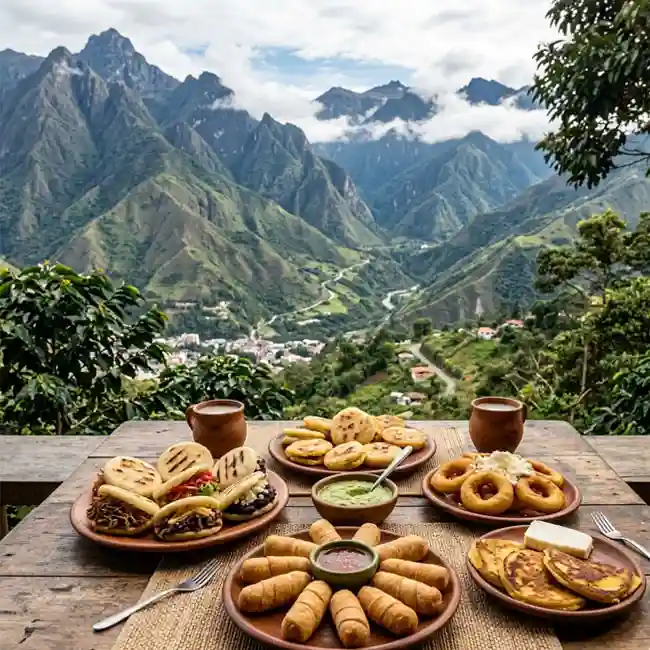
If you’ve never had Venezuelan food before, get ready. This isn’t just about filling your stomach — it’s about family gatherings, beach days, street corner laughs, and that warm feeling you get when someone hands you something fresh from the fryer with a huge smile. Venezuelan appetizers, called pasapalos or entradas, are the opening act to every celebration. And trust me, Venezuelans know how to celebrate.
Venezuela’s food culture is a beautiful mashup. You’ve got Indigenous roots with corn and yuca, African influence with deep frying and bold seasoning, Spanish colonial touches with cheese and cured meats, and even Italian and Portuguese flavors from 20th-century immigration. The result? Appetizers that are crispy, cheesy, doughy, savory, and totally addictive. They’re made to be shared, eaten with your hands, and dipped into sauces like guasacaca, Venezuela’s answer to guacamole but brighter and herbier.
What makes Venezuelan pasapalos different from other Latin American starters is the vibe. These aren’t tiny, fancy bites you eat with a fork. They’re hearty. They’re comfort food disguised as appetizers. One or two tequeños and you’re already wondering if you need the main course. That’s the magic. Food here connects people, and appetizers are how the party starts.
🏖️🍴 Eating Habits & The Social Side of Venezuelan Appetizers
🍚 Food Is Always About Togetherness
In Venezuela, you don’t really “grab a quick bite” alone. Appetizers show up when there’s a reason to gather — birthdays, Christmas parrandas, Sunday family lunches, watching a baseball game, or just because it’s Friday night. Pasapalos are passed around on big trays. Everyone reaches in, talks with their mouth full, and argues over which sauce is best. It’s loud, it’s fun, and it’s deeply social.
⏰ When Do Venezuelans Eat Appetizers?
• Late Afternoon Merienda: Around 4–5 PM, especially for kids after school or adults after work. Think pastelitos from the corner bakery with a malta or fruit juice.
• Pre-Party Pasapalos: At any celebration, the pasapalos come out first while the music’s warming up. You’ll see tables loaded with tequeños, mini arepitas, and empanaditas hours before the main dish.
• Beach & Street Food Style: On the coast, appetizers become the whole meal. You’ll buy a paper cone of tostones or patacones from a beach vendor and call it lunch.
• Christmas Season: December is pasapalo heaven. From hallacas season appetizers to bollitos and pan de jamón bites, the whole month is one long appetizer crawl.
🥄 Dipping Is Non-Negotiable
No Venezuelan appetizer is complete without sauces. The MVP is guasacaca — avocado, cilantro, parsley, onion, bell pepper, vinegar, and oil blended into creamy green goodness. Then there’s salsa rosada (mayo + ketchup), aji dulce sauce, and garlic mayo. Venezuelans will dip literally anything. If it’s fried, it’s getting dunked.
🌽🧀 Iconic Venezuelan Appetizers You Must Know
🧀 1. Tequeños: The Undisputed King of Pasapalos
If Venezuela had a national appetizer, this would be it. Tequeños are sticks of white queso blanco wrapped in soft dough and fried until golden. The cheese gets gooey, the outside gets crispy, and the first bite is always a dangerous game of “don’t burn your mouth.”
• Why They’re Iconic: No birthday, wedding, or baby shower happens without a tray of tequeños. They’re the first to disappear at every party.
• Regional Twist: In Los Teques, where they’re said to originate, some versions use sweeter dough. In Zulia, you might find tequeños de plátano with sweet plantain dough.
• How Venezuelans Eat Them: By the handful, dipped in guasacaca. Always more than one. Nobody eats just one tequeño.
🧆 2. Arepitas: Mini Arepas, Maximum Flavor
You’ve heard of arepas, but arepitas are their bite-sized, appetizer cousins. These are smaller, often fried instead of grilled, and topped or stuffed with everything from shredded beef to black beans and cheese.
• Street Food Star: In Caracas and Maracaibo, street carts sell arepitas as the ultimate late-night snack.
• Versions to Try: Arepitas de anís are slightly sweet with anise seeds and eaten for breakfast. Arepitas de chicharrón mix pork cracklings into the dough for extra crunch.
• Cultural Note: Making arepas is a morning ritual for many families. Leftover dough often becomes arepitas for the afternoon.
🥟 3. Pastelitos: Flaky, Fried Half-Moon Pockets
Pastelitos are Venezuela’s answer to empanadas, but with a thinner, flakier wheat flour dough. They’re crimped into half-moons and stuffed with ground beef, chicken, ham and cheese, or cazón — baby shark — especially on the coast.
• Where You’ll Find Them: Every bakery, every school cafeteria, every bus terminal. They’re the grab-and-go breakfast of Venezuela.
• Regional Pride: On Margarita Island, pastelito de cazón is legendary. In the Andes, you’ll find pastelitos de papa with potato and cheese.
• Pro Tip: Locals splash them with a drop of hot sauce right after the first bite so it soaks in.
🍌 4. Tostones & Patacones: Twice-Fried Plantain Magic
Green plantains sliced, fried, smashed, and fried again until they’re golden discs of pure crunch. Tostones are usually round and thick, while patacones — especially in Zulia — are huge, flat, and used like a base for toppings.
• How They’re Served: As a side, a base, or a snack with salt and garlic sauce. In Maracaibo, patacón maracucho is a whole meal — topped with shredded beef, cheese, ham, lettuce, tomato, and sauces.
• Beach Connection: On the coast of La Guaira or Morrocoy, vendors sell tostones with grated queso llanero and nata cream. Eat them with sand on your feet.
🍘 5. Mandocas: Sweet, Savory, and Totally Zulia
From Zulia state, mandocas are deep-fried rings made of cornmeal, ripe plantain, queso blanco, and papelón — raw cane sugar. They’re sweet, cheesy, and have a slightly crispy edge.
• When They’re Eaten: Traditionally for breakfast with queso de mano and coffee, but they’ve become a popular appetizer too.
• Cultural Quirk: Zulianos are insanely proud of mandocas. If you’re in Maracaibo and don’t try one, you’ll hear about it.
🥔 6. Bollitos Pelones: Cornmeal Dumplings in Sauce
These are soft cornmeal balls stuffed with seasoned ground beef, then simmered in a light tomato sauce. The name pelones means “bald” because they don’t have a crispy outside — just smooth, tender dumplings.
• Occasion Food: Very common as a pasapalo during family gatherings because you can make a huge pot for sharing.
• Texture Game: The contrast of soft dumpling, savory filling, and saucy coating is what makes them special.
🥚 7. Huevos Chimbos: A Sweet Surprise
Don’t let the name fool you — huevos chimbos aren’t eggs. They’re spongy little yolk-based cakes soaked in papelón syrup with rum essence. Traditionally a dessert, but mini versions often show up on pasapalo trays during holidays.
• Why They’re Here: Venezuelan appetizer spreads mix savory and sweet. A mesa de pasapalos always has something sweet to balance the fried stuff.
• Note: We keep it alcohol-free — the rum essence is flavoring only, and many homemade versions skip it entirely.
🗺️✈️ Appetizers & Their Roots: Traveling Venezuela Through Food
Venezuelan appetizers are like a map. Each region has its own star bite, and tasting them is the tastiest way to travel the country.
🏙️ Caracas & Central Region: The Capital of Pasapalos
This is tequeño central. The story goes they were invented in Los Teques by the Báez sisters in the 1920s. Today, Caracas parties run on tequeños and mini arepitas. Street food here is fast, urban, and influenced by waves of European immigration — so you’ll also find pastelitos de jamón y queso everywhere.
Travel Tip: Hit a panadería around 5 PM. The trays of fresh pastelitos and tequeños coming out of the fryer are peak Caracas.
🌊 Coastal Region: La Guaira, Falcón, Sucre – Seafood & Fried Everything
On the coast, appetizers lean into the sea. Pastelitos de cazón, tostones with fish salad, and empanadas de cazón rule. In Morrocoy National Park, boat vendors pull up with coolers full of fried snacks for beachgoers.
Must-Try Experience: Patacón playero — a giant fried plantain topped with coleslaw, pink sauce, and fried fish, eaten while watching the sunset in Choroní.
🐄 Los Llanos: The Plains – Cheese, Beef & Rustic Bites
The plains are cattle country, so cheese is king. Queso llanero, queso de mano, and nata show up in every appetizer. Arepitas here are often made with fresh ground corn. Cachapas — sweet corn pancakes — get cut into bite-sized pieces for parties.
Cultural Note: In the llanos, gatherings mean parrillada, and the appetizers are grilled chorizo bites, morcilla, and cheese with casabe — crunchy yuca flatbread.
🏔️ Andean Region: Mérida, Táchira, Trujillo – Corn, Potato & Cheese
The Andes are cooler, so appetizers get heartier. Arepas andinas made with wheat flour instead of corn, pasteles andinos stuffed with rice, potato, and beef, and queso ahumado smoked cheese. Pizca andina — a potato, milk, and cilantro soup — is sometimes served in espresso cups as a starter.
Travel Tip: In Mérida’s Mercado Principal, try arepitas de trigo with Andean cheese. The altitude makes you hungry.
🌴 Zulia: The Land of Plantains & Bold Flavors
Zulia does its own thing. Mandocas, patacón maracucho, yoyos — sweet plantain slices stuffed with cheese and fried — and bollos pelones. Zulian food is louder, sweeter, and cheesier.
Don’t Miss: Maracaibo’s calle del hambre at night. The patacón stands are legendary.
🏝️ Margarita Island: Caribbean Vibes on a Plate
Pastel de chucho — a casserole of stingray, plantain, and cheese — gets turned into mini empanada versions for appetizers. Tostones are topped with ensalada de raya — shredded stingray salad. Everything has coconut, lime, and Caribbean flair.
🌟🥳 Beyond the Plate: Why Venezuelan Appetizers Matter
💡 Long-Tail Truth: They’re Not “Just” Starters
In many cultures, appetizers are small and forgettable. In Venezuela, they’re the main event before the main event. A good pasapalo spread can make or break a party. Hosts get judged on their tequeños. It’s that serious.
🎉 Holiday Appetizers Hit Different
During December gaitas season, pasapalos go into overdrive. Hallaca bites, pan de jamón sliders, ensalada de gallina on crackers, and dulce de lechosa in tiny cups. Christmas without a mesa de pasapalos isn’t Christmas.
🌍 The Diaspora Effect: Venezuela’s Flavors Go Global
With millions of Venezuelans abroad, tequeños and arepitas have become global. You’ll find frozen tequeños in Miami, Madrid, and Buenos Aires. Food trucks in Mexico City sell patacones. For Venezuelans abroad, these appetizers are nostalgia you can eat — a direct line to home.
🧑🍳💬 How to Enjoy Venezuelan Appetizers Like a Local
• Use Your Hands: Forks are for tourists. Pasapalos are finger food. Embrace the mess.
• Sauce Everything: If there’s guasacaca on the table, you’re legally required to use it. Same for garlic sauce.
• Share the Tray: Don’t hoard the tequeños. Pass the tray, take two, and pass again. That’s the rule.
• Pair with Fresh Juices: Papelón con limón, jugo de parchita, jugo de guayaba, or chicha — thick rice drink with cinnamon. Keeps it refreshing and family-friendly.
• Don’t Fill Up: I know it’s hard, but the parrilla or pabellón is still coming. Pace yourself... or don’t. Nobody’s judging.
🤔 FAQ: Venezuelan Appetizers Edition
Q1. What is the most popular appetizer in Venezuela?
Tequeños, hands down. These cheese-filled dough sticks are at 99% of Venezuelan parties and gatherings. They’re crispy, gooey, and universally loved from Caracas to Maracaibo. If you try one Venezuelan appetizer, make it this one.
Q2. What is guasacaca and what do Venezuelans eat it with?
Guasacaca is Venezuela’s signature green sauce made with avocado, cilantro, parsley, onion, bell pepper, vinegar, and oil. It’s creamy, herby, and tangy. Venezuelans dip tequeños, tostones, arepitas, grilled meats, yuca frita, and basically anything fried into it. It’s the ketchup of Venezuela, but way better.
Q3. Are Venezuelan appetizers spicy?
Not usually. Venezuelan food focuses more on flavor than heat. You’ll find aji dulce — a sweet, mild pepper — used for aroma, but fiery spice isn’t the goal. Hot sauce is always on the side if you want it, but the appetizers themselves are savory, cheesy, and balanced, not mouth-burning. Perfect for all palates.
🥪 Crave-Worthy Venezuelan Snacks You Can Whip Up Tonight
👉 Grab 3 Secrets to 15-Minute Venezuelan Appetizers!
| 🌐 🥪 < Back | Next > 🍝 🇻🇪 |