
🏠 Home > 🗺️ Recipes > 🍞 Breads > 🇺🇸 USA Breads
🇺🇸 🍞 USA Breads Recipes
Published by Supakorn | Updated: February 2026
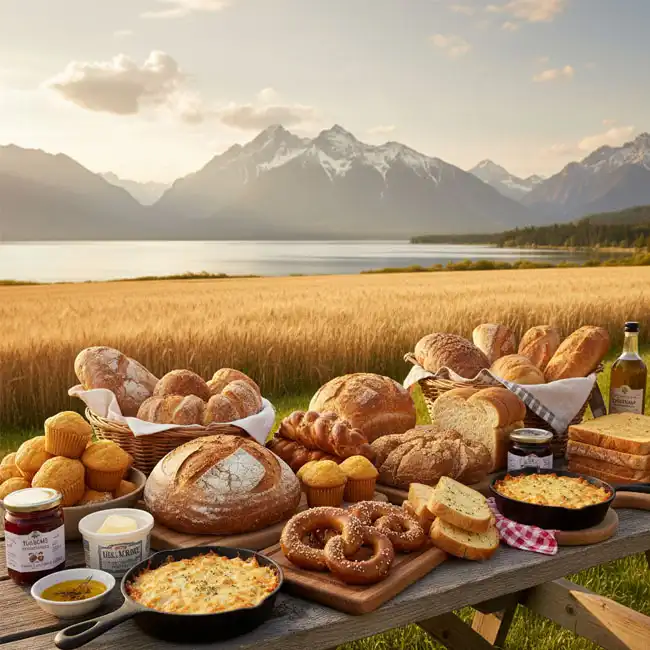
🍞🇺🇸 The Rich and Diverse World of American Breads
When you think of American food culture, bread might not be the first thing that pops into your mind—but it should be. The United States has one of the most diverse bread landscapes in the world, shaped by centuries of immigration, regional traditions, and an endless love for comfort food. From soft, pillowy dinner rolls served at family gatherings to hearty artisan loaves inspired by European roots, bread in the U.S. is more than just something to put butter on. It’s a reflection of American identity—layered, multicultural, and always evolving.
American breads come from everywhere: Indigenous communities who developed early corn-based breads, European settlers who brought wheat-based loaves, and waves of immigrants who contributed styles from sourdough to rye to flatbreads. Each region of the country holds a bread style so beloved that it has practically become a local symbol. And because American culture embraces adaptation and reinvention, these breads often take on new flavors and modern twists while still honoring tradition.
So, let’s take a flavorful stroll across the country and explore the breads that Americans cherish—not through recipes, but through the stories, vibes, and food culture that make them unique.
🥖🌾 A Slice of American Bread Culture
Bread culture in the United States isn’t defined by one type of loaf. Instead, it’s a patchwork quilt of influences—Native American, European, African, Asian, and Latin American traditions all shaping how breads look, feel, and taste.
🌽✨ Indigenous Roots and Early American Breads
Long before ovens and wheat loaves became common in America, Indigenous communities were making bread from ingredients native to the continent—especially corn. Cornbread, now considered a staple in Southern cuisine, evolved from these early traditions. Native American breads were often cooked over open flames, on hot stones, or in ashes, creating rustic textures and earthy flavors. These ancestral methods deeply influenced early settler bread-making and continue to shape American bread culture today.
🇪🇺🥨 Immigrant Traditions Shaping the American Loaf
Every wave of immigration brought new bread traditions to the U.S.
• Germans introduced soft pretzels and rich rye breads.
• Italians contributed ciabatta, focaccia, and bakery culture.
• Jewish immigrants shaped American rye, bagels, and challah.
• French baking traditions influenced artisan loaves and pastries.
Over time, these breads blended into everyday American cuisine, sometimes staying close to their roots and other times evolving into distinctly American versions.
🏡🍞 Bread as an Everyday American Comfort
In daily life, bread plays a starring role across the U.S.—breakfast toast, lunchtime sandwiches, holiday dinners, weekend brunch, road-trip snacks, and even late-night peanut-butter moments. Freshly baked bread carries a sense of warmth and nostalgia that many Americans associate with family gatherings and “home.”
🌆🍞 Iconic American Breads by Region
American geography plays a huge part in shaping bread identity. Each region has its signature favorites that locals proudly claim as their own.
🌉🍞 West Coast – Home of the Legendary Sourdough
The San Francisco sourdough loaf is arguably the most iconic bread in the United States. Its tangy flavor comes from wild yeasts and bacteria native to the region. San Francisco bakers have mastered the art of long fermentation, which results in a chewy crust, airy interior, and unmistakable aroma. This bread is not just food—it’s a cultural symbol of the West Coast.
But the West Coast is also known for its artisan bakery scene. Cities like Portland, Seattle, and Los Angeles embrace slow fermentation, whole grains, and creative twists on traditional breads, making the region a hub for modern bread lovers.
🌽🧈 The American South – Cornbread Royalty
Cornbread is the heart and soul of Southern cuisine. Whether baked in cast-iron pans or shaped into small patties, it represents comfort, home cooking, and tradition. In the South, debates over sugar vs. no sugar in cornbread are taken seriously—almost as seriously as discussions about barbecue styles.
The South also contributed biscuits to the national bread culture. Soft, fluffy, buttery, and irresistible, Southern biscuits appear at breakfast tables, family gatherings, and community events.
🥯🗽 Northeast – Bagels, Rolls, and Artisan Heritage
The Northeast thrives on bread culture thanks to its deep immigrant history. New York bagels are world-famous for their chewy texture and smooth exterior—traditionally boiled before baking.
Italian bread culture is strong in cities like Boston, New York, and Philadelphia, where crusty loaves, soft sandwich rolls, and bakery traditions thrive. The region also embraces rolls such as kaiser rolls, sub rolls, and hearty rye breads.
🐄🌾 Midwest – Hearty, Homey, and Grain-Rich
Often called “America’s breadbasket,” the Midwest is known for using locally grown wheat and corn in its bread traditions. Soft white bread, whole-wheat loaves, dinner rolls, and classic sandwich breads are staples.
The Midwest is also home to sweet breads like banana bread, zucchini bread, and other seasonal loaves that show up at potlucks, bake sales, and family gatherings. Their charm isn’t just flavor—it’s the sense of community they represent.
🍞💭 The Everyday Life of Bread in America
Bread in the U.S. is woven into daily routines, mealtime habits, and cultural traditions.
☀️🍞 Breakfast and the American Morning
Bread plays a major role in breakfast culture:
• Toast with spreads
• Breakfast sandwiches
• Bagels with savory toppings
• English muffins layered with eggs and cheese
For many Americans, breakfast feels incomplete without some type of warm, comforting bread.
🥪😋 Bread as the Foundation of American Lunch
The United States is famous for its sandwiches—one of the country’s most practical and beloved lunch options. Because of this, bread styles like hoagie rolls, sandwich loaves, and soft buns are essential parts of American food identity.
🍽️🏠 Family Gatherings and Holiday Breads
At Thanksgiving and Christmas, bread becomes a symbol of sharing. Dinner rolls are passed around the table, cornbread appears alongside festive dishes, and special holiday breads make their way into celebrations.
Bread is a way to connect, slow down, and enjoy a moment together.
🌾🍞 Modern Bread Trends in the USA
Bread in America isn't stuck in tradition. New trends continue to emerge, blending innovation with long-standing culture.
🥖🌱 Artisan and Small-Batch Bread Movement
Across the U.S., people appreciate natural fermentation, high-quality grains, and handcrafted loaves. Many home bakers even maintain their own sourdough starters.
🌾💚 Whole Grains and Better-For-You Bread Options
Consumers increasingly look for whole-grain, seeded, gluten-conscious, and nutrient-rich breads. The modern American bakery scene embraces this shift with creative, wholesome alternatives.
🌎🍞 Global Influences Blending into American Bread Culture
From tortillas to naan, from Cuban bread to Asian bakery buns—the multicultural landscape of the U.S. keeps expanding the meaning of “American bread.” This blending of cultures is what makes the American bread scene so vibrant, surprising, and deliciously diverse.
❓ FAQ
1. What makes American bread culture unique?
American bread culture is shaped by diverse influences—Indigenous traditions, immigrant recipes, regional styles, and a modern love for comfort foods and innovation.
2. Why is sourdough so popular in the United States?
Sourdough has deep historical roots in American baking, especially in San Francisco, where the local microbes create a distinct flavor. It's also celebrated for its texture, aroma, and artisanal qualities.
3. What are the most iconic breads in the USA?
Popular examples include sourdough, cornbread, bagels, biscuits, and classic sandwich loaves. Each one reflects a unique part of American culture and regional history.
🍞 Delicious American Breads to Bake at Home
| 🌐 🍞 < Back | 🇺🇸 🥗 < Previous | Next > 🍱 🇺🇸 |