
🏠 Home > 🗺️ Recipes > 🍨 Desserts > 🇹🇹 Trinidad & Tobago Desserts
🇹🇹 🍨 Trinidad & Tobago Desserts Recipes
Published by Supakorn | Updated: May 2026
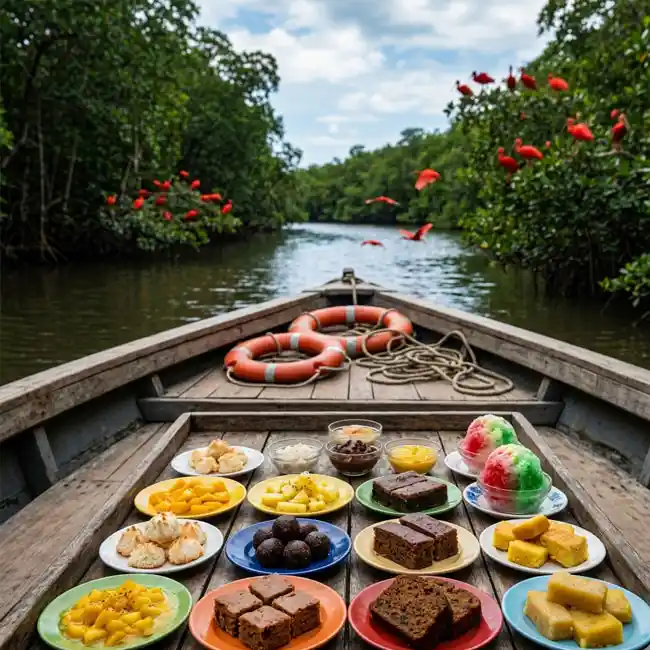
🇹🇹 🥮 Sweet Culture Meets Caribbean Soul: Why Trinidad and Tobago Desserts Hit Different
Let’s be real — when you think of Trinidad and Tobago, your brain probably jumps to Carnival, steelpan, and doubles. But we need to talk about the other national treasure: dessert. Trinidad and Tobago desserts are this wild, beautiful mashup of cultures. You’ve got East Indian, African, Chinese, European, and Indigenous influences all hanging out in the same pot, and the result is sweets that don’t exist anywhere else on earth.
This isn’t just sugar for the sake of sugar. In Trini and Tobagonian homes, dessert is how you say “I love you,” “thanks for liming,” and “welcome home” without saying a word. It’s what shows up at Sunday lunch, Diwali, Eid, Christmas, birthdays, wakes, and random Tuesday afternoons because your auntie felt like boiling something sweet.
And here’s the best part for travelers: you can literally eat your way around the islands through dessert. Each town, each beach, each family has its own twist. The sweets tell you where people came from, what grows nearby, and how they celebrate. So if you’re ready to unlock the real flavor of T&T, let’s dive spoon-first into the sweetest side of the twin islands.
🌴🥭 Cultural Roots: How History Shaped Trinidad and Tobago Desserts
👨👩👧👦 The Melting Pot in Your Dessert Bowl
Trinidad and Tobago’s dessert scene is basically a history lesson you can taste. Indigenous Amerindians were the first to sweeten things up with local fruits and cassava. Then came African traditions that brought bold flavors, frying techniques, and the genius idea of turning simple ground provisions into comfort food.
The 1800s changed everything. East Indian indentured laborers brought spices like cardamom, nutmeg, and rose water, plus techniques for milk-based sweets and fried doughs that are still the standard at every prayer and wedding. Chinese immigrants added their own flair with preserves and fruit-forward treats. And European colonizers? They left behind custards, cakes, and a serious love for coconut in everything.
So when you bite into a Trini sweet, you’re tasting 500+ years of migration, adaptation, and pure kitchen creativity. No two islands do dessert quite like this.
🎉 Celebrations Without Sweets? Impossible.
Here’s a rule in T&T: no celebration is complete without a table that’s 50% sweets. Diwali means bags of kurma and barfi getting passed around the neighborhood. Christmas brings black cake that aunties started soaking in June — we won’t talk about what they soak it in, but the fruit and spice combo is legendary. Eid has sawine and gulab jamoon. Birthdays have sponge cake with extra-thick buttercream. Even Good Friday has its own dessert lineup with hot cross buns and sweet rice.
Sweets aren’t an afterthought here. They’re the main event. And if you show up empty-handed to a lime? Bring dessert. You’ll instantly be everyone’s favorite person.
🏆🌟 Iconic Trinidad and Tobago Desserts You Have To Try At Least Once
🍬 Kurma: The Crunchy Legend of Every Prayer
If Trinidad had an official snack, kurma would win. Think little crunchy sticks of fried dough glazed in a sugar syrup that snaps when you bite it. Spiced with ginger and cinnamon, it’s sweet, a little bit spicy, and dangerously addictive. You’ll find it at every Hindu prayer, but honestly, people eat it year-round because why not? The best kurma is made in giant batches by grandmothers who refuse to share the exact syrup ratio. Pro tip: fresh kurma > bagged kurma, every time.
🥥 Barfi: The Melt-In-Your-Mouth Square
Barfi is the East Indian gift that T&T fully claimed. It’s a dense, fudge-like milk sweet flavored with cardamom, colored pastel pink, green, or white, and sometimes topped with a single almond. It shows up at weddings, prayers, and Divali trays, and everyone has an opinion on who makes it best. The texture should be firm but melt immediately. If it’s grainy, they messed up the milk. If it’s perfect, you’ll eat five pieces before you realize what happened.
🍮 Coconut Sweet Bread: The Sunday Morning Staple
This isn’t bread like sandwich bread. Trini sweet bread is a dense, coconut-packed loaf with mixed fruit, cherries, and a hint of spice. It’s breakfast, it’s tea time, it’s “I need something with my coffee” at 3pm. Every bakery sells it, but the homemade ones with extra grated coconut are the real flex. Toast a slice, add a little butter, and you’ve got a Caribbean hug.
🍧 Toolum: The Roadside Chew You Didn’t Know You Needed
Toolum looks like a little brown cannonball and it’s made from molasses, coconut, and ginger. It’s chewy, sticky, and has this deep, smoky sweetness that hits different. Vendors sell it at bus terminals and on beaches in Tobago. One piece and your jaw gets a workout, but the ginger-molasses kick is worth it. It’s old-school, it’s rustic, and it’s 100% Trini.
🥧 Cassava Pone: The Ground Provision Glow-Up
Cassava pone is how T&T turns a root vegetable into dessert magic. Grated cassava, coconut, pumpkin, spices, and brown sugar get baked into a dense, moist, pudding-cake hybrid. The top gets this slightly caramelized crust, and the inside stays soft and rich. It’s gluten-free by nature and found at every creole food spot. Eat it warm and try not to go back for thirds.
🍚 Sawine: The Eid Essential
Sawine is vermicelli noodles boiled in sweet, spiced milk with almonds, raisins, and sometimes cardamom. It’s served during Eid-ul-Fitr, but lots of families make it just because. Think of it as Trinidad’s answer to rice pudding, but silkier and with that signature noodle texture. Served cold or warm, it’s comfort in a bowl.
🎂 Black Cake: The Christmas Heavyweight
Okay, we’re not giving recipes or talking about soaking methods. But we can say black cake is the king of Trini Christmas. It’s a dense, dark fruit cake loaded with dried fruits and warm spices. The color comes from browning and fruit, and the flavor is deep, rich, and totally unique. People ship it overseas to family members like it’s gold. Because it basically is.
🏝️🚶♀️ Eating Like a Local: Dessert and Daily Life in T&T
🍴 Sunday Lunch Isn’t Done Until Dessert Hits the Table
In Trinidad and Tobago, Sunday lunch is serious business. After macaroni pie, callaloo, and stew chicken, there’s always a “lil something sweet” to finish. It might be sponge cake, pone, a pack of bene balls, or whatever was made that week. Skipping dessert is basically rude. And if you’re a guest, you’re getting a plate wrapped to take home too. That’s just how it works.
🛺 Street Sweets and Beach Limes
Tobago beaches and Trini street corners are dessert treasure hunts. You’ll find ice cream carts, snow cone men with a million syrup flavors, people selling tamarind balls, sugar cake, and fudge out of coolers. Maracas Bay? Get a sugar cake after your bake and shark. Store Bay? Look for nut cake. The sweets change by area, and locals all have their “guy” for the best version.
👵 Auntie Culture: The Real Dessert Economy
Forget bakeries. The best desserts in T&T come from somebody’s auntie. There’s always an auntie in the village known for kurma, another for black cake, another for pone. They don’t advertise. You just know. If you’re lucky enough to get invited over, say yes. That’s where the authentic, non-touristy flavors live.
✈️🗺️ Dessert Destinations: Where Sweet Tooth Meets Travel
🏖️ Tobago: Coconut, Nutmeg, and Beach Vibes
Tobago’s dessert scene leans into its produce. You’ll get coconut everything — sugar cake, coconut drops, coconut ice cream. Nutmeg shows up in cakes and ice cream too, because Tobago grows it. Hit the Store Bay vendors for local fudge and tamarind balls. Head to the countryside and you’ll find homemade cassava pone sold on the roadside. Dessert in Tobago tastes like vacation because it is vacation.
🌆 Trinidad: The Urban Sweet Hunt
Port of Spain, San Fernando, Chaguanas — every city has bakeries and sweet shops with glass cases full of colored barfi, gulab jamoon, and currants roll. During Divali, drive through Central Trinidad and every house has sweets to share. During Christmas, follow your nose to the black cake. And year-round, the markets have people selling homemade pholourie and sweet sauces, plus toolum and pawpaw balls.
🎊 Festival Hopping Through Sugar
Plan your trip around a festival and your dessert game levels up instantly.
◦ Divali: Central and South Trinidad become a kurma and barfi paradise.
◦ Christmas: Everyone’s black cake and sweet bread game is at its peak.
◦ Eid: Look for sawine and vermicelli desserts.
◦ Tobago Heritage Festival: Traditional sweets like cassava pone and coconut drops take center stage.
You don’t just watch the culture here. You eat it.
🧡🔑 What Makes Trini Desserts Truly Unforgettable
🌶️ Spice Is Not Just for Curry
Trinidad and Tobago desserts use spice like nobody else. Cinnamon, nutmeg, ginger, cardamom, anise — they’re in everything. But it’s balanced. You get warmth, not heat. That’s why a simple coconut sweet bread tastes complex, and why barfi isn’t just “sweet milk.” The spice blend is the secret handshake.
🥥 Coconut Is Basically a Food Group
If it grows on the islands, it’s going in dessert. But coconut is the MVP. Grated, milk, oil, water — it shows up in pone, sweet bread, toolum, sugar cake, and more. Fresh coconut hits different from the packaged stuff, and Trinis know. If you see a man with a cart and a grater, that’s where you stop.
🤲 Made By Hand, Shared By Heart
Most iconic Trini sweets aren’t mass-produced. They’re rolled, cut, stirred, and packed by hand. That’s why the texture and taste vary by person. It’s not a flaw, it’s a feature. And sharing is the whole point. Desserts are made in big batches because you’re not just feeding your house — you’re feeding the neighbors, the coworkers, and whoever stops by.
🍽️💡 Pro Tips for First-Time Trini Dessert Explorers
🙋♀️ Ask “Who Made It?”
If you’re at a lime and someone offers you sweets, ask who made it. If they light up and say “My auntie!” or “The lady on the corner,” you know it’s good. That’s the Trini Michelin star system.
🧊 Temperature Matters
Some sweets like sawine and barfi are better cold. Others like cassava pone and sweet bread are amazing slightly warm. If you can, ask how it’s supposed to be eaten. Locals will gladly tell you.
📦 Bring Home a Taste, Not a Recipe
Lots of these sweets travel well — kurma, sugar cake, toolum, bene balls. They’re shelf-stable and make the best gifts. You’re not just bringing back food. You’re bringing back a story.
Trinidad and Tobago desserts aren’t just the end of a meal. They’re the start of a conversation. They’re how islands separated by 20 miles of sea but united by culture say “this is us.” So whether you’re planning a trip or just dreaming of one, save room for dessert. The real T&T is sweet, spiced, and waiting for you to take a bite.
🤔❓ FAQ: Trinidad and Tobago Desserts
Q1.What is the most popular dessert in Trinidad and Tobago?
It’s a toss-up, but kurma, black cake, and cassava pone are the heavy hitters. Kurma is the everyday favorite, black cake rules Christmas, and pone is the comfort food everyone agrees on. If you try only one, make it kurma for the crunch factor.
Q2.Are Trinidad and Tobago desserts very sweet?
Some are, but it’s all about balance. You’ll get deep sweetness from sugar and molasses, but it’s cut with spices like ginger, nutmeg, and cardamom. Things like toolum and sugar cake are sweet, while cassava pone is rich but not cloying. There’s something for every sweet tooth level.
Q3.Where can tourists find authentic Trinidad and Tobago desserts?
Skip the hotel buffet and go local. Check roadside vendors in Tobago, bakeries in Chaguanas and Port of Spain, and markets like the one in San Fernando. For the real deal, ask locals who makes the best barfi or pone in their area. During Divali or Christmas, just follow the crowds — dessert finds you.
🍨 Sweet Caribbean Treats You Can Make for Less Than $5
👉 Savor 3 Ultimate Trinbagonian Desserts Under $5!
| 🌐 🍨 < Back | 🇹🇹 🍝 < Previous | Next > 🍷 🇹🇹 |