
🏠 Home > 🗺️ Recipes > 🍨 Desserts > 🇹🇴 Tonga Desserts > 🍨 1.Faikakai Topai Protein Dumplings , 2.Otai Watermelon Protein Smoothie Bowl , 3.Kele Talo Baked Coconut Taro Cakes
🍨 These 3 Island-Style Tongan Treats Actually Help You Recover After Lifting
Published by Supakorn | Updated: June 2026
🇹🇴 🥧🏝️ Introduction: Why Tongan Desserts Are Blowing Up in Fitness Circles
If you’ve ever scrolled through food TikTok or travel vlogs from the South Pacific, you’ve probably seen it: creamy coconut, golden baked taro, and sticky sweet bananas wrapped in lush green leaves. Tongan food is having a serious moment right now, and not just with travelers chasing beach sunsets in Vava’u or foodies exploring Nuku’alofa markets.
Here’s the twist nobody saw coming. Gym bros and meal-prep fans are quietly borrowing from Tongan kitchens to solve their biggest post-workout problem: how to eat something that tastes like a cheat meal but actually helps your muscles recover. Traditional Tongan desserts are naturally built around coconut cream, root crops like taro and cassava, and ripe tropical fruit. Add a modern protein tweak, and you’ve got a recovery snack that feels indulgent but hits your macros.
This article pulls together 3 popular Tongan-inspired desserts, each redesigned to deliver at least 5g of protein per serving. No weird powders you can’t pronounce. No alcohol. Just real ingredients, island vibes, and gains.
Here’s the lineup we’re making today:
🥧 • Recipe 1: Faikakai Topai Protein Dumplings
🍉 • Recipe 2: Otai Watermelon Protein Smoothie Bowl
🥮 • Recipe 3: Kele Talo Baked Coconut Taro Cakes
All three are dead simple, use ingredients you can find outside Tonga, and taste like a vacation. Ready to trade your boring protein bar for something your taste buds will high-five you for? Let’s get cooking.

🥥 Recipe 1: Faikakai Topai Protein Dumplings
🍡 About this Recipe
Faikakai Topai is classic Tongan comfort food. Traditionally, it’s soft flour dumplings swimming in a rich, sweet caramelized coconut syrup called faikakai. It’s warm, gooey, and usually reserved for Sundays or special family feasts. The version you’ll make today keeps the soul of the dish but swaps in unflavored whey or plant protein to sneak in 6g protein per serving. You still get that sticky-sweet coconut hit, but now it earns its place in your post-workout meal plan. Think of it as the island’s answer to protein pancakes, only way more satisfying.
📝 Ingredients & Measurements
For the dumplings, you’ll need:
• All-purpose flour: 1 cup
• Unflavored whey protein isolate or pea protein: 2 scoops, about 30g total
• Baking powder: 1 teaspoon
• Salt: 1 pinch
• Full-fat coconut milk: 3/4 cup, plus extra if dough is dry
• Vanilla extract: 1/2 teaspoon
For the faikakai coconut caramel sauce, grab:
• Coconut cream: 1 cup, use the thick part from a chilled can
• Coconut sugar or brown sugar: 1/2 cup
• Water: 1/4 cup
• Salt: 1 small pinch to balance sweetness
• Extra whey protein isolate: 1 scoop, about 15g, optional for protein boost
Makes 4 servings. Each serving gives you roughly 6.2g protein, 28g carbs, 12g fat.
👩🍳 Step-by-Step Instructions
1.Mix the dough. In a large bowl, whisk flour, protein powder, baking powder, and salt. Pour in coconut milk and vanilla. Stir until a soft, sticky dough forms. If it’s crumbly, add coconut milk 1 tablespoon at a time. You want it soft but not soupy.
2.Shape the dumplings. Wet your hands so the dough won’t stick. Scoop about 2 tablespoons of dough and roll gently into a ball. You should get 12 small dumplings. Set them on a plate.
3.Start the sauce. In a wide pot or deep pan, combine coconut cream, coconut sugar, water, and salt. Bring to a gentle boil over medium heat, stirring until sugar dissolves. Reduce to a simmer. You’ll see it turn glossy and slightly thick. That’s your faikakai.
4.Cook the topai. Gently drop dumplings into the simmering sauce. Don’t stir yet or they’ll break. Cover and let them poach for 8 to 10 minutes. They’ll puff up and float when done.
5.Add the protein kick. Turn off the heat. If using the extra scoop of protein for the sauce, let the sauce cool 2 minutes first. Then whisk it in fast so it doesn’t clump. This keeps the sauce smooth and adds protein without cooking it.
6.Serve warm. Spoon 3 dumplings per bowl and drench with that hot coconut caramel. The sauce will thicken more as it cools.
💡 Tips & Mistakes to Avoid
• Don’t boil the dumplings hard. A rolling boil will tear them apart. Keep it at a bare simmer with tiny bubbles.
• Cool the sauce before adding extra protein. Heat above 158 degrees Fahrenheit ( 70 degrees Celsius ) makes whey grainy. Wait 2 minutes after turning off the stove.
• Use full-fat coconut milk in the dough. Light versions make dry, chalky dumplings. You need the fat for tenderness.
• Don’t skip the salt. Both in the dough and sauce, salt makes the coconut and caramel flavors pop. Without it, everything tastes flat.
• Eat them fresh. Topai are best in the first 30 minutes. They soak up sauce and get too soft if you store them submerged. To meal prep, store sauce and dumplings separately.
❓ FAQ
Q1.Can I make this dairy-free?
Yes. Use pea, rice, or soy protein isolate instead of whey. The texture stays almost identical.
Q2.I don’t have coconut sugar. What now?
Brown sugar works 1:1. Honey or maple works too, but the sauce will be thinner. Simmer 2 extra minutes to reduce.
Q3.How do I count this for my macros?
One serving is 3 dumplings + 1/4 of the sauce. That’s 6.2g protein, 28g carbs, 12g fat, about 245 calories.
Q4.Can I steam the dumplings instead?
You can, but you’ll lose the faikakai flavor because they won’t cook in the sauce. If you must, steam 12 minutes, then pour hot sauce over.
✅ Summary
Faikakai Topai Protein Dumplings give you the sweet, sticky comfort of a Tongan feast with a legit 6g+ protein per bowl. They’re fast, use one pot, and taste like you’re recovering on a beach in Ha’apai. Perfect for when you want dessert but your training plan says “hit your protein.”
🍉 Recipe 2: Otai Watermelon Protein Smoothie Bowl
🥤 About this Recipe
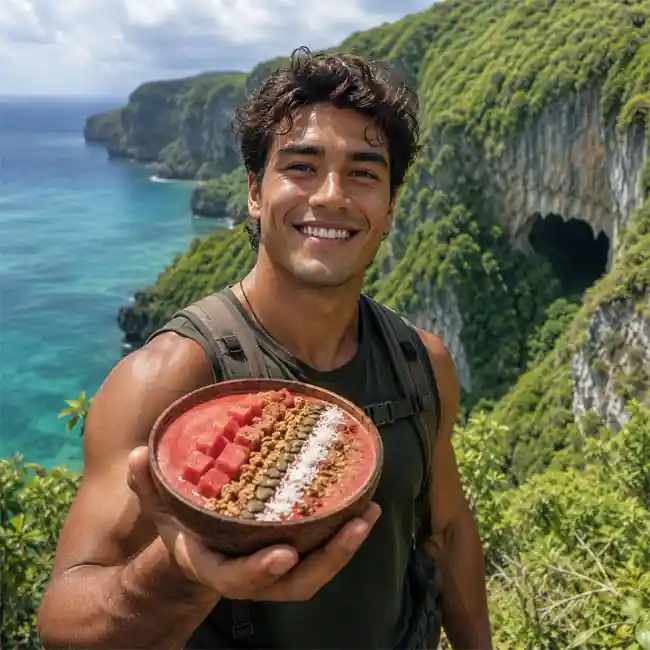
Otai is the national drink of Tonga. Traditionally it’s a refreshing blend of watermelon, coconut milk, and sometimes pineapple or mango, served ice cold after a hot day. Locals drink it at weddings, church functions, and pretty much any family gathering. Our post-workout version keeps all that juicy, hydrating goodness and blends in unflavored collagen or whey to land at 5.5g protein per bowl. It’s like a smoothie bowl and sports drink had a baby on a tropical island. You’ll love it after leg day when you’re sweaty and craving something cold.
📝 Ingredients & Measurements
For one large recovery bowl, you need:
• Seedless watermelon, cubed and frozen: 2 cups
• Pineapple chunks, frozen: 1/2 cup
• Full-fat coconut milk: 1/2 cup, shake the can first
• Unflavored whey isolate or collagen peptides: 1 scoop, about 15g
• Lime juice: 1 tablespoon, fresh tastes best
• Shredded coconut, unsweetened: 1 tablespoon for topping
• Chia seeds: 1 teaspoon for topping, optional but adds texture
• Pinch of sea salt to replace electrolytes
Makes 1 big serving. Nutrition: 5.5g protein, 32g carbs, 9g fat, 230 calories. Double it if you’re really hungry.
👩🍳 Step-by-Step Instructions
1.Freeze your fruit. Cut watermelon and pineapple the night before and freeze solid. This is key. If the fruit isn’t frozen, you’ll get juice, not a thick spoonable bowl.
2.Blend the base. Add frozen watermelon, frozen pineapple, coconut milk, protein powder, lime juice, and salt to a high-speed blender. Blend on low, then ramp up. Use the tamper to push fruit down. Stop and scrape sides if needed. You want it thick like soft-serve.
3.Check texture. If it won’t blend, add coconut milk 1 tablespoon at a time. Don’t add too much or it’ll turn into a drink. Goal is spoon-thick.
4.Serve immediately. Scoop into a chilled bowl. The cold bowl keeps it from melting fast.
5.Top it like you mean it. Sprinkle shredded coconut and chia seeds. Add extra diced watermelon or a lime wedge if you’re feeling fancy.
💡 Tips & Mistakes to Avoid
• Don’t use pre-sweetened coconut milk. The carton stuff is watery and sugary. Canned full-fat gives creaminess and healthy fats for recovery.
• Blend protein with the liquid first if your powder clumps. Add coconut milk + protein, blend 5 seconds, then add frozen fruit.
• Skip the ice. Ice waters down the flavor. Frozen fruit is your ice.
• Eat it right away. This is not a meal-prep recipe. It melts in 10 minutes. If you must wait, store in the freezer and re-blend.
• Balance your salt. Post-workout you’ve sweated out sodium. That tiny pinch in the recipe actually helps rehydration.
❓ FAQ
Q1.Can I use fresh watermelon?
Only if you freeze it first. Fresh + ice makes a slushy that separates. Frozen chunks make it creamy.
Q2.What if I hate coconut?
Swap coconut milk for Greek yogurt or almond milk. You’ll lose the Tongan flavor but still hit protein. Add 1/4 teaspoon coconut extract to fake it.
Q3.Is collagen as good as whey post-workout?
Collagen is great for joints and skin but lower in leucine for muscle building. If hypertrophy is your main goal, use whey. If you just want recovery + protein, collagen works.
Q4.Can I make it into popsicles?
Yes. Pour into molds and freeze 4 hours. Macros stay the same, and it’s killer for summer training.
✅ Summary
Otai Protein Smoothie Bowl is your 5-minute ticket to hydration, fast carbs, and 5g+ protein after a brutal session. It tastes like a Tongan celebration in a bowl, with zero cooking required. When you can’t look at another chalky shake, make this.
🍠 Recipe 3: Kele Talo Baked Coconut Taro Cakes
🥮 About this Recipe
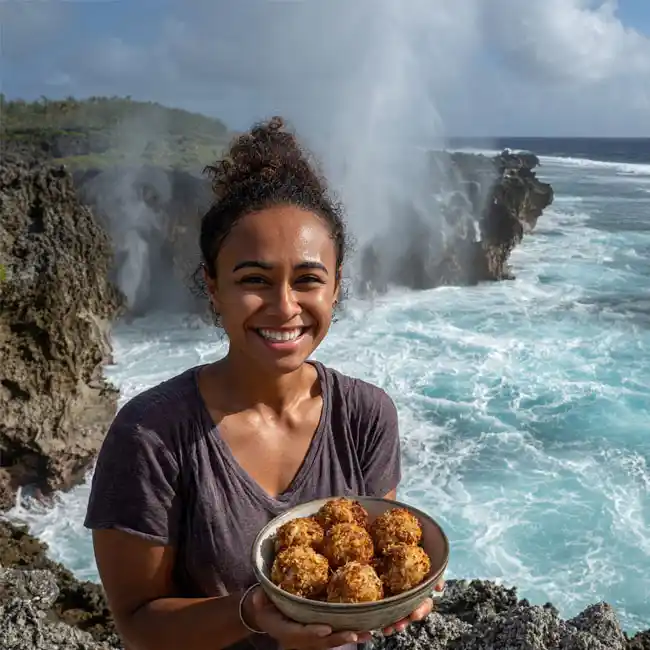
Kele is a Tongan dessert made from grated root crops like taro or cassava, mixed with coconut cream and sugar, then baked or steamed in banana leaves until it’s dense, chewy, and caramelized on the edges. It’s the kind of thing you’d find at a Sunday to’onai feast. This version uses taro, because it’s easier to find frozen at Asian markets, and we fold in vanilla protein powder to push each slice to 5.1g protein. The texture is somewhere between a blondie and mochi. Sweet, coconutty, and surprisingly satisfying for something that’s actually decent workout fuel.
📝 Ingredients & Measurements
• Frozen grated taro, thawed: 2 cups, about 300g. If using fresh taro, peel, grate, and measure 2 cups.
• Coconut cream: 1 cup, thick part only
• Coconut sugar: 1/3 cup, packed
• Vanilla whey or plant protein: 2 scoops, about 30g total
• Tapioca starch or cornstarch: 2 tablespoons, helps binding
• Baking powder: 1/2 teaspoon
• Salt: 1/4 teaspoon
• Vanilla extract: 1 teaspoon
• Optional: banana leaf for lining, or parchment paper
Makes 6 squares. Per square: 5.1g protein, 26g carbs, 8g fat, 195 calories.
👩🍳 Step-by-Step Instructions
1.Prep your pan and oven. Preheat to 350 degrees Fahrenheit / 176 degrees Celsius. Line an 8x8 inch pan with banana leaf or parchment. Banana leaf gives authentic flavor, but parchment works fine. Lightly oil it.
2.Drain the taro. Thawed taro holds water. Squeeze it in a clean towel to get rid of excess liquid. You want it damp, not dripping, or your cakes will be gummy.
3.Make the batter. In a bowl, whisk coconut cream, coconut sugar, protein powder, tapioca starch, baking powder, salt, and vanilla until smooth. Fold in the grated taro. It’ll look thick and pasty. That’s right.
4.Bake low and slow. Spread batter evenly in the pan. Bake 45 to 50 minutes. The top should be set and golden brown at the edges. A toothpick will come out with moist crumbs, not wet batter.
5.Cool completely. This is important. Kele sets as it cools. If you cut it hot, it’ll fall apart. Let it sit 1 hour at room temp.
6.Slice and serve. Cut into 6 squares. Eat at room temp or slightly warm. The edges are the best part – chewy and caramelized.
💡 Tips & Mistakes to Avoid
• Don’t use taro paste. You need grated taro for texture. The paste sold for bubble tea is cooked and sweetened already.
• Squeeze the taro well. Extra water = dense, rubbery cake. Take 60 seconds to wring it out in a towel.
• Don’t overbake. If the top cracks badly and looks dry, you went too far. Pull it when edges are golden but center still looks soft.
• No banana leaf? No problem. Parchment works. To get that aroma, warm 1/4 teaspoon banana extract into the coconut cream.
• Store in the fridge. Because of coconut cream, leave it out max 1 day. Fridge keeps it 4 days. Reheat 10 seconds in the microwave to soften.
❓ FAQ
Q1.Where do I buy taro?
Check the freezer section of Asian or Pacific Island markets. Look for “frozen grated taro” or “frozen cassava.” If you only find whole taro root, peel it carefully, then grate it raw. Wear gloves – raw taro can irritate skin.
Q2.Can I use cassava instead?
Yes. Same amount. Cassava kele is actually more common in Tonga. Texture will be a bit chewier.
Q3.My cakes came out gummy. Why?
Two reasons: 1, you didn’t squeeze the taro dry enough. 2, you cut them while hot. Let them cool fully next time.
Q4.Can I make these without protein powder?
You can, but you’ll drop to about 1.5g protein per slice. To keep it “post-workout,” add 2 tablespoons almond flour instead for a small boost.
✅ Summary
Kele Talo Coconut Taro Cakes are chewy, coconut-rich, and sneak in 5g+ protein without tasting “healthy.” They’re perfect for meal prep because they hold up in the fridge and taste amazing with coffee. This is how you do dessert when you’re serious about recovery but still want to eat like you’re on island time.
🏁 Final Thoughts: Island Flavor, Real Results
See? Making your own Tongan-inspired recovery desserts isn’t complicated. You’re basically stirring, simmering, or baking with ingredients you can pronounce. No culinary degree needed.
Start with whichever recipe matches your mood. Craving something warm and gooey after a cold morning lift? Go for the Faikakai Topai Dumplings. Just crushed a summer run and need to cool down fast? The Otai Smoothie Bowl is your move. Want something you can bake Sunday and grab all week? Kele Talo Cakes have your back.
The best part is these don’t taste like “fitness food.” They taste like something your Tongan friend’s grandma would proudly serve you, just with a macro upgrade. So pick one, make it this week, and pay attention to how you feel during your next session. Recovery starts in the kitchen, and sometimes it tastes like coconut and sunshine.
Made one already? Drop a comment with which recipe you tried and how you hacked it for your own diet. And if you’re heading to Tonga for real, try the originals and tell us how they compare. Eat well, lift heavy, and ‘ofa atu.
| 🇹🇴 🍨 < Back |