
🏠 Home > 🗺️ Recipes > 🥪 Appetizers > 🇹🇭 Thailand Appetizers
🇹🇭 🥪 Thailand Appetizers Recipes
Published by Supakorn | Updated: February 2026
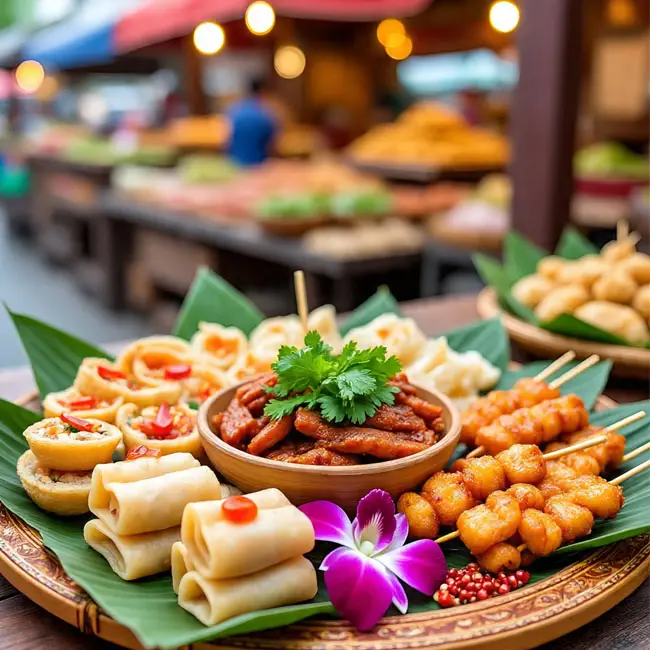
Thai cuisine is loved worldwide for its bright flavors, aromatic herbs, and unique balance that makes every bite memorable. When it comes to Thai appetizers, these small dishes do more than simply start a meal—they set the emotional tone, showcase the spirit of hospitality, and introduce diners to the heart of Thai food culture. Reader-friendly, introduction to Thailand’s incredible world of appetizers.
🍜 What Makes Thai Appetizers Unique?
🌶️ The Balance of Flavors in Thai Cuisine
Thailand appetizers are more than just small dishes; they represent the essence of Thai culinary philosophy. Every bite combines sweet, sour, salty, spicy, and umami flavors, giving diners a vibrant experience. These starters are often shared among friends and family, symbolizing togetherness and warmth at the table.
The Thai approach to appetizers focuses on creating excitement before the main dishes arrive. You’ll notice how even a simple spring roll can feel like a burst of spices and freshness, or how grilled skewers can reveal layers of herbs, marinades, and smoky aromas. Whether enjoyed at a busy Bangkok market or at home with loved ones, these small bites capture everything Thai cuisine stands for—balance, harmony, and happiness.
🥗 Essential Elements of Thai Starters
🧂 Popular Ingredients in Thai Starters
Classic appetizers include spring rolls, satay skewers, and crispy wontons. Many of them are quick to prepare, yet packed with bold flavors from lemongrass, kaffir lime, fish sauce, garlic, chilies, and fresh herbs. Whether served at street stalls or family gatherings, these dishes set the tone for a flavorful Thai meal.
One of the secrets behind Thai appetizers is the clever use of fresh aromatics. Ingredients such as coriander roots, galangal, turmeric, shallots, and fresh limes give Thai starters their signature brightness. Even snacks that seem simple, like shrimp chips or chili dips served with vegetables, are elevated by the fragrance and depth that Thai herbs offer.
Thai appetizers also reflect regional diversity. In the north, sticky rice–based snacks are common, while the south offers spicier and coconut-rich starters. This variety makes Thai cuisine both approachable and endlessly fascinating for food lovers around the world.
🌍 Thai Food Culture Behind the Appetizers
🍽️ Sharing Culture & Communal Eating
In Thailand, meals are rarely eaten alone. Food is placed in the middle of the table and shared among everyone, symbolizing unity and warmth. Appetizers serve as a welcoming gesture—offering small bites while everyone gathers, chats, and waits for the main dishes to be served.
These starters often spark conversations, letting people bond over flavors, textures, and aromas. They’re not just about filling the stomach—they set the mood for joyful, shared experiences.
🛕 Food and Tradition
Thai appetizers also have roots in cultural traditions. Many small dishes were originally offered to monks during morning alms rounds, while others were created for royal banquets centuries ago. Some snacks were made with leftover ingredients to reduce waste, showing Thailand’s resourcefulness and creativity in the kitchen.
🏡 Simple Daily Eating in Thai Homes
While street food attracts global attention, Thai homes also carry a strong food culture. Many families make appetizers such as:
• Fresh herb plates
• Grilled skewers
• Simple fried snacks
• Sticky rice bites
These dishes may not look fancy, but they capture the warmth of home cooking. Even today, Thai households often prepare appetizers as side snacks during family gatherings or holidays.
🏞️ Regional Thai Appetizers: A Flavor Journey
🥒 Northern Thailand (Lanna Cuisine)
Northern Thai cuisine is known for its earthy flavors and mild spice levels. Appetizers here often feature sticky rice, fermented ingredients, and chargrilled dishes.
Common northern starters include:
• Sticky rice balls paired with spicy dips
• Grilled pork skewers seasoned with garlic and pepper
• Crispy pork rinds served with chili pastes
Lanna flavors emphasize warmth and comfort rather than heat, creating a cozy introduction to northern cooking.
🌶️ Northeastern Thailand (Isaan Cuisine)
Isaan cuisine is bold, punchy, and vibrant. Appetizers from this region often feature grilled meats, tangy dressings, and aromatic herbs.
Examples include:
• Grilled chicken wings with herbal marinades
• Spicy salads (without alcohol) made with lime and chili
• Sticky rice snacks paired with roasted chili dips
Isaan starters tend to leave a strong impression—perfect for diners who love bold flavors.
🍤 Central Thailand
Central Thai cuisine, including Bangkok, is where sweet, salty, spicy, and sour flavors are perfectly balanced. This region is famous for many appetizers popular worldwide.
Common central appetizers include:
• Crispy spring rolls
• Golden fried wontons
• Chicken satay with peanut sauce
• Fish cakes flavored with kaffir lime leaves
Central dishes often combine street food influence with royal cuisine recipes that emphasize delicate technique.
🥥 Southern Thailand
Southern Thai food is aromatic, herbal, and sometimes fiery. Coconut, turmeric, and seafood are stars of the region.
Typical southern starters include:
• Fried turmeric chicken
• Herb-packed seafood cakes
• Coconut-heavy dips served with fresh vegetables
The southern palate is rich and full-bodied, offering a warm welcome to those who love deep, aromatic flavors.
👨🍳 The Art of Thai Appetizer Preparation
🔪 Techniques Used in Thai Starters
Thai cuisine uses a variety of cooking techniques for appetizers, including:
• Deep-frying: For crispy snacks like wontons or spring rolls
• Grilling: For satay and aromatic meats
• Steaming: For dumplings and delicate bites
• Pounding: For dips, salads, and spice pastes
• Wrapping: Using rice paper, pandan leaves, or banana leaves
Each technique brings its own charm and flavor profile.
🧺 The Role of Fresh Herbs
Fresh herbs are essential in Thai starters. Basil, cilantro, mint, dill, and Thai celery are often sprinkled on top to intensify aroma and freshness.
Herbs also help balance rich or fried appetizers, adding a refreshing contrast that brings dishes to life.
🥒 Thai Appetizers in Street Food Culture
🛵 Street Food as a Way of Life
In Thailand, street food is an everyday tradition—not just a tourist attraction. Small stalls sell a wide range of appetizers perfect for snacking throughout the day. From sizzling pans of fried spring rolls to fragrant skewers grilling over charcoal, Thai street vendors play a huge role in preserving culinary culture.
🍢 Grab-and-Go Starters
Many appetizers are designed to be enjoyed on the go. Skewers, fried snacks, and small dumplings make convenient, flavorful street treats for busy locals.
🎉 Occasions Where Thai Appetizers Shine
🧧 Festivals & Celebrations
Thai appetizers appear at festivals, temple events, weddings, and family gatherings. They are often served:
• As welcome snacks
• As part of buffet tables
• Alongside rice dishes
• During cultural ceremonies
👨👩👧 Family Gatherings
During holidays or weekend meetups, families prepare a variety of starters to enjoy while spending time together. Children often help roll spring rolls or shape dough for dumplings—turning cooking into a bonding moment.
🌱 Modern Trends in Thai Appetizers
🥦 Vegetarian & Vegan Options
Many Thai dishes can easily be adapted for plant-based diets. Tofu, mushrooms, and jackfruit often replace meat. Vibrant herbs remain at the center of the flavor experience.
🥗 Healthy Approaches
Some modern kitchens use air-frying, steaming, or grilling to reduce oil without compromising taste. Fresh vegetable platters with chili dips are also growing in popularity.
🌏 Thai Fusion Inspirations
As Thai food expands globally, many chefs experiment with fusing Thai aromas with international techniques, creating exciting contemporary starters. These still preserve the heart of Thai flavors while offering new textures and presentations.
❓ FAQ
Q1: What are the most popular Thai appetizers?
A1: Some favorites include Thai spring rolls, chicken satay, fish cakes, and crispy fried wontons. These are served across Thailand and internationally.
Q2: Are Thai appetizers difficult to make at home?
A2: Not at all. Most recipes are beginner-friendly, using ingredients like fresh herbs, rice wrappers, and basic sauces. With step-by-step guides, anyone can try.
Q3: Can Thai appetizers be made vegetarian or vegan?
A3: Yes. Many dishes can be adapted using tofu, mushrooms, and soy-based sauces. Thai cuisine is versatile, offering plenty of plant-based options.
🥪 3 Authentic Thai Appetizer Recipes Made Easy
| 🌐 🥪 < Back | Next > 🍝 🇹🇭 |