
🏠 Home > 🗺️ Recipes > 🥘 Sauces > 🇸🇷 Suriname Sauces
🇸🇷 🥘 Suriname Sauces Recipes
Published by Supakorn | Updated: May 2026
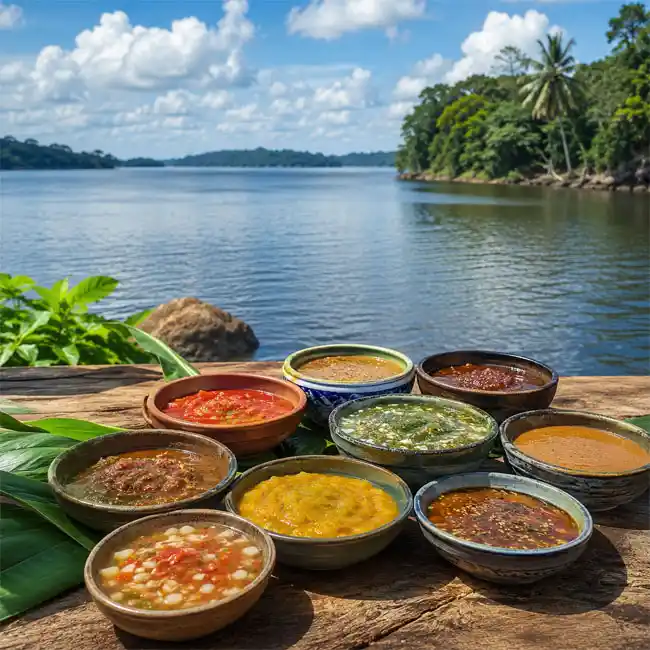
Hey there, fellow food lover! Grab a seat, because today we are embarking on a serious flavor journey to one of the most unique, vibrant, and utterly delicious hidden gems on the culinary map: Suriname.
If you’ve never heard of Surinamese food, or if you’ve only ever caught a whisper of it through the bustling food stalls of Amsterdam, you are in for an absolute treat. Suriname is a small country nestled on the northeastern coast of South America, but don’t let its geographical size fool you. When it comes to its food culture—and especially its incredible, mind-blowing sauces and condiments—this place punches way above its weight class.
We’re talking about a culinary melting pot where fiery South American heat meets complex Indonesian spices, deeply comforting West African traditions, rich Indian curries, and refined European and Chinese techniques. It’s a beautiful, chaotic, and harmonious dance of flavors that you won’t find anywhere else on Earth. And the absolute heart and soul of this cuisine? The sauces. In Suriname, a sauce isn’t just an afterthought or a side note; it’s the main event that brings the whole plate to life.
So, let’s dive right into the rich cultural tapestry, the daily food lifestyle, the iconic local sauces, and how this incredible food ties directly into the breathtaking experience of traveling through Suriname.
🇸🇷 🥘 The Ultimate Cultural Melting Pot: A History You Can Taste
To truly understand why Suriname sauces taste so unbelievably complex, we have to take a quick step back into history. Suriname’s past is deeply woven with global migration, resulting in a population that is wonderfully multicultural.
Centuries ago, Indigenous peoples laid down the foundational agricultural roots of the region, utilizing native cassava, sweet potatoes, and local chilies. Over time, West African, East Indian, Javanese (Indonesian), Chinese, and European populations arrived, each bringing their own sacred family recipes, farming techniques, and spice preferences.
Instead of keeping these food cultures separated, something magical happened. They blended.
• The East Indian (Hindustani) Influence: Brought the aromatic warmth of cumin, coriander, turmeric, and the brilliant concept of slow-cooked chutneys and achars.
• The Javanese Influence: Introduced the profound depth of lemongrass, galangal, sweet soy sauce (ketjap), and the legendary peanut-based sauces that locals absolutely obsess over.
• The West African (Creole/Maroon) Influence: Contributed rich, hearty stews, the masterful use of local root vegetables, and a deep respect for slow-cooked, deeply savory flavor bases.
• The Chinese Influence: Perfected the balance of sweet, sour, and savory stir-fry glazes and five-spice aromatics.
When you drizzle a local sauce over a meal in Paramaribo (the capital city), you aren't just adding heat—you are literally tasting centuries of global history coming together on one single plate. It is a beautiful example of harmony through food.
🌶️ Meet the Stars: Iconic Suriname Sauces You Need to Know
While we won’t be diving into exact kitchen measurements or step-by-step cooking tutorials today, we absolutely must talk about the heavy hitters. These are the legendary, iconic sauces and condiments that define the Surinamese dining experience. If you walk into a local home or a street-side eatery, you are guaranteed to find these sitting proudly on the table.
🥜 1. Surinamese Peanut Sauce (Pindasaus)
Forget any ordinary peanut butter sauce you’ve had before. Surinamese Pindasaus is a glorious legacy of the Javanese community, but it has evolved into something uniquely its own. It’s thick, incredibly rich, delightfully creamy, and packs a surprising punch. It beautifully balances the natural sweetness of roasted peanuts with savory aromatics like garlic and ginger, a hint of sweet soy sauce, and a subtle undercurrent of local chili heat. It is a velvety blanket of pure comfort that makes literally anything it touches taste ten times better.
🌶️ 2. Madame Jeanette Sambal
If you love heat, this one is going to be your absolute best friend. The Madame Jeanette chili pepper is the undisputed queen of Surinamese cuisine. It’s an asymmetric, bright yellow or orange pepper that looks innocent enough but packs a searing, fruity, aromatic heat that rivals the habanero. When turned into a Sambal (a crushed chili paste heavily influenced by Indonesian traditions), it becomes an explosive condiment. A tiny dot of this bright, fiery paste is all it takes to elevate a simple bowl of rice or a grilled snack into a sensory masterpiece.
🥭 3. Mango Achar (Spicy Mango Condiment)
Brought to the country by the East Indian community, Achar is a masterclass in texture and contrasting flavors. Green, unripe mangoes are chopped and infused with a heavy blend of toasted mustard seeds, fenugreek, garlic, oil, and plenty of hot chilies. The result is a chunky, tangy, spicy, and intensely savory condiment. The sharp acidity of the green mango cuts beautifully through heavy, rich dishes, making it an absolute staple for everyday dining.
🧅 4. Zuurgoed (Pickled Red Onions and Cucumbers)
Every heavy, savory dish needs a refreshing counterweight, and in Suriname, that role belongs entirely to Zuurgoed. This isn’t a heavy, cooked sauce, but rather a bright, crisp, quick-pickled relish made from thinly sliced red onions, cucumbers, allspice berries (piment), and vinegar. It provides a sharp, tangy, crunch that cleanses the palate between bites of rich meat or starchy root crops. It’s simple, colorful, and completely indispensable.
🍽️ The Local Food Lifestyle: How Food Brings Suriname Together
To understand the culinary scene here, you have to understand how people live. In Suriname, food is not just fuel; it is a profound expression of hospitality, community, and pure joy. The local phrase "Nyan switi" translates to "eat sweet" or "enjoy your meal," and it perfectly encapsulates the laid-back, generous spirit of the country.
🏡 1. Family gatherings and Backyard Cookouts
Life in Suriname often revolves around the home, the veranda, and the backyard. Weekend gatherings with extended family and neighbors are a massive part of the social fabric. Huge pots of food are set up over open fires or outdoor stoves, filling the air with the intoxicating scents of roasted peanuts, sizzling chilies, and aromatic spices.
In these settings, sauces are treated with the utmost respect. Every family has their own secret twist on a classic sauce recipe, passed down through generations. A host will proudly watch you take your first bite, waiting for that inevitable nod of pure satisfaction when the homemade sauce hits your taste buds.
🛵 2. The Vibrant Street Food Scene and 'Warungs'
If you want to experience the true pulse of daily life, you head to the streets. Paramaribo is dotted with Warungs—cozy, casual Indonesian-style cafes and roadside stalls—as well as bustling roti shops and Creole eateries.
The lifestyle here is deeply communal. People from all walks of life—business professionals, students, fishermen, and travelers—sit side by side on simple wooden stools, sharing stories over casual plates of street food. And without fail, every single table is adorned with an array of glass jars filled with colorful, homemade sauces. It’s a self-serve paradise where you are encouraged to customize your meal’s flavor profile exactly to your liking.
✈️ Wandering with Appetite: Tourism, Nature, and Local Eats
Suriname is a dream destination for eco-tourists and adventurous travelers. It is a country covered in vast, pristine Amazonian rainforests, roaring rivers, and sweeping savannahs. But what makes traveling here truly magical is how seamlessly the breathtaking nature blends with the culinary journey.
🌆 1. Paramaribo: The Historic Wooden City
Your journey will almost certainly begin in the capital city, Paramaribo, a UNESCO World Heritage site famous for its striking Dutch colonial wooden architecture. Walking through the city is a sensory adventure. As you stroll along the Suriname River, the gentle breeze carries the aromas of roasting meats, freshly baked goods, and spicy stews from nearby markets.
Food tours here are incredibly popular because you can taste the entire world within a few city blocks. You can enjoy a rich, peanut-sauce-drenched dish for lunch, and follow it up with a spicy, aromatic curry and tangy mango chutney for dinner. The city’s vibrant central market is a must-visit, where local vendors sell towers of fresh Madame Jeanette peppers, bundles of fragrant herbs, and freshly made, artisanal sauces bottled in recycled glass jars.
🛶 2. Deep into the Rainforest: Maroon and Indigenous Communities
As you leave the coastal capital and venture deep inland via motorized dugout canoes (korjaals), the culinary landscape shifts beautifully. Traveling along the Upper Suriname River brings you to the traditional villages of the Maroon communities—descendants of escaped West Africans who preserved their ancestral traditions deep within the safety of the jungle.
Here, the food lifestyle is deeply connected to the earth. You'll witness cassava being processed into crisp flatbreads using traditional woven presses, and wild game or fresh river fish being slow-cooked over wood fires. The sauces in the interior rely heavily on wild, hyper-local ingredients: smoked chilies, wild herbs, and rich oils extracted from native palm nuts. Eating a freshly caught fish drizzled with a simple, fiery jungle-chili sauce while watching the sunset over the Amazon rainforest is an unforgettable, spiritual experience for any traveler.
✨ Why Suriname Sauces Deserve a Spot on Your Global Food Radar
In a world where culinary trends come and go, Surinamese cuisine remains an authentic, unapologetic celebration of diversity, history, and raw flavor. The country’s sauces perfectly mirror its people: warm, incredibly welcoming, fiercely proud of their heritage, and full of vibrant life.
They teach us that flavors from opposite ends of the world don't just coexist; they can combine to create something entirely new, beautifully complex, and profoundly comforting. Whether it’s the creamy, rich embrace of a well-crafted peanut sauce, the sharp, refreshing bite of a local pickle, or the searing, tropical fruitiness of a fresh chili paste, Suriname’s condiments are bound to leave a lasting impression on your palate.
So, the next time you are looking to expand your culinary horizons, seek out the bold, beautiful world of Suriname. Your taste buds will absolutely thank you!
❓❔❓ Frequently Asked Questions (FAQ)
Q1: What makes Surinamese sauces different from other Caribbean or South American sauces?
A: The secret lies in its unprecedented combination of global cultures. While many Caribbean sauces focus heavily on herbs and hot peppers, Surinamese sauces blend Indonesian spice bases (like lemongrass and ginger), East Indian curry aromatics, Chinese soy glazes, and West African slow-cooking traditions. This creates a multi-layered flavor profile that is completely unique to the country.
Q2: Are all Surinamese sauces incredibly spicy?
A: Not at all! While the country loves the fiery Madame Jeanette pepper, the cuisine is highly balanced. For every spicy sambal or fiery achar, there is a rich, creamy, mild peanut sauce (Pindasaus) or a crisp, tangy, refreshing pickled relish (Zuurgoed) designed to cool down your palate and balance the meal perfectly.
Q3: How do locals typically use these sauces in their everyday meals?
A: In Suriname, sauces are incredibly versatile. They are used as rich marinades for meats, generous drizzles over rice, starches, and noodle dishes, or as lively dipping condiments for street food snacks, fried plantains, and fresh root crops. They are treated as an essential component to customize the flavor of a dish right at the dining table.
🥘 Unlocking the Bold Flavors of Paramaribo: Your Guide to 3 Legendary Homemade Condiments
👉 Taste 3 Irresistible Surinamese Festive Sauces
| 🌐 🥘 < Back | 🇸🇷 🍱 < Previous |