
🏠 Home > 🗺️ Recipes > 🍨 Desserts > 🇸🇷 Suriname Desserts
🇸🇷 🍨 Suriname Desserts Recipes
Published by Supakorn | Updated: May 2026
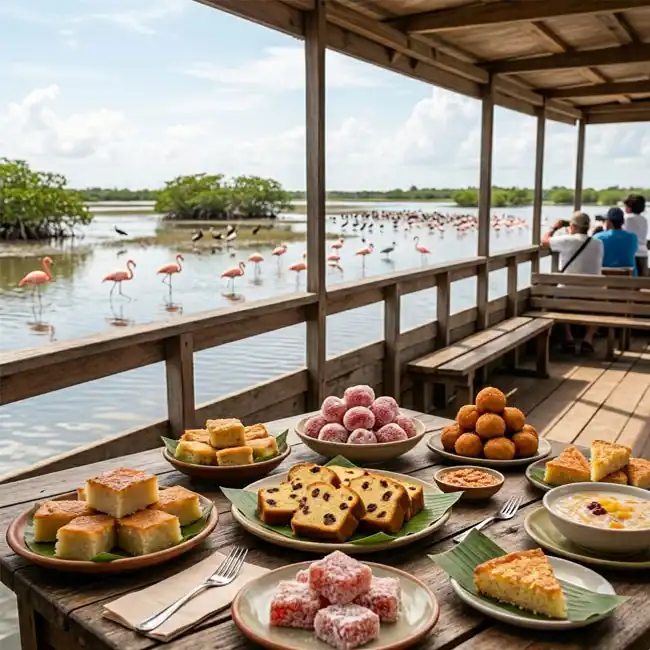
Suriname may be one of South America’s lesser-known culinary destinations, but when it comes to desserts, this colorful country delivers some of the most comforting, tropical, and multicultural sweet treats you could ever taste. Surinamese desserts are deeply connected to the country’s mixed heritage, blending influences from Indigenous traditions, African roots, Dutch colonial history, Javanese migration, Indian flavors, and Caribbean ingredients into one unforgettable dessert culture.
What makes Suriname desserts so special is the balance between simplicity and richness. Coconut, cassava, banana, cinnamon, peanuts, condensed milk, tropical fruits, and warm spices appear again and again across family kitchens, roadside bakeries, village celebrations, and city food stalls. Every sweet dish feels homemade, nostalgic, and filled with stories passed down through generations.
Unlike flashy modern desserts packed with complicated decoration, many traditional Surinamese sweets focus on natural flavors and comforting textures. Some are soft and pudding-like, others are chewy, sticky, creamy, or lightly crisp around the edges. Most are made for sharing during holidays, birthdays, market gatherings, religious celebrations, or relaxed family afternoons.
Traveling through Suriname means discovering desserts that reflect the country itself: warm, diverse, welcoming, and full of hidden surprises. Whether you explore bustling streets in Paramaribo or smaller riverside communities surrounded by rainforest, sweet foods are everywhere and often connected to local hospitality.
🇸🇷 🍰 A Sweet Blend of Cultures in Suriname
One of the most fascinating things about Suriname desserts is how multicultural they are. Few countries in the world have such a diverse culinary identity packed into one small nation.
Surinamese sweets often combine techniques and ingredients from several continents at once. Dutch baking traditions brought cakes, custards, and buttery pastries. Indian communities introduced spices, milk-based sweets, and festive desserts. Javanese families contributed layered cakes and sticky rice treats. African cooking traditions helped shape cassava dishes, coconut sweets, and rich comforting textures. Indigenous ingredients like cassava and tropical fruits remain important today.
This incredible mix creates desserts you cannot easily compare to just one cuisine. A single Surinamese bakery might sell Dutch-style cakes beside coconut candy, cassava pudding, banana fritters, and layered Indonesian-inspired treats all at once.
Food lovers often describe Suriname cuisine as one of the most underrated culinary experiences in South America, especially for travelers searching for authentic local flavors rather than international fast food.
🍌 Tropical Ingredients Are the Heart of Surinamese Sweets
Suriname’s tropical climate gives dessert makers access to fresh fruits and natural ingredients year-round. Bananas, coconuts, guava, pineapple, tamarind, passion fruit, cassava, and sweet potatoes frequently appear in traditional recipes.
Coconut is especially important in many Surinamese desserts. Fresh grated coconut adds aroma, texture, and richness to cakes, candies, puddings, and pastries. In many homes, coconut-based desserts are still prepared the traditional way using hand-grated coconut rather than packaged ingredients.
Bananas are another staple ingredient. Sweet ripe bananas are used in baked desserts, fried snacks, sweet dough dishes, and comforting puddings that are commonly enjoyed during family gatherings.
Warm spices like cinnamon, nutmeg, cloves, and vanilla also help define the flavor profile of Suriname sweets. These spices create cozy aromas that make many desserts feel deeply homemade and comforting.
🥥 Most Iconic Traditional Suriname Desserts
Suriname has many desserts worth discovering, especially if you enjoy traditional sweets with rich cultural roots.
🍮 Bojo
Bojo is easily one of the most famous desserts in Suriname. This beloved cassava cake combines grated cassava, coconut, sugar, butter, and warm spices into a dense, moist, and slightly chewy dessert.
The texture of Bojo is what makes it unforgettable. It is neither cake nor pudding, sitting somewhere beautifully in between. The edges often become slightly caramelized while the inside stays soft and rich.
Bojo is commonly served during celebrations, family events, and holidays. Many travelers consider it the ultimate comfort dessert of Suriname.
🍌 Fiadoe
Fiadoe is another well-known Surinamese dessert with strong festive associations. This layered baked dessert often combines raisins, almonds, candied fruits, and rich sweet dough textures influenced by Portuguese-Jewish traditions that helped shape Suriname’s food culture.
Fiadoe is especially popular during holidays and special occasions. Families may have their own secret variations passed down through generations.
The dessert reflects Suriname’s historical connections and multicultural identity beautifully.
🥥 Kokada
Kokada is a sweet coconut candy loved throughout Suriname and many Caribbean regions. In Suriname, these coconut treats are often homemade and sold at markets, roadside stalls, and local snack shops.
The candy is made using grated coconut and sugar cooked until sticky and fragrant. Some versions are soft and chewy, while others are firmer with lightly crisp edges.
Kokada represents the simplicity of Suriname dessert culture: a few natural ingredients transformed into something delicious and comforting.
🍠 Pone
Pone is another traditional baked dessert that showcases the country’s love for root vegetables and tropical flavors. It is commonly made with cassava or sweet potato mixed with coconut, spices, and sugar.
Dense and moist, Pone is often served in thick squares and enjoyed during gatherings or relaxed afternoons at home.
Many locals grow up eating Pone from childhood, making it one of the most nostalgic desserts in Suriname cuisine.
🌴 Desserts Found in Suriname Markets and Streets
Street food culture in Suriname is not only about savory dishes. Sweet snacks and desserts are also incredibly popular throughout local markets and busy neighborhoods.
Walking through food areas in Paramaribo often means smelling fresh pastries, coconut sweets, fried banana snacks, and warm baked desserts cooling on trays.
🍍 Fresh Fruit Desserts
Because tropical fruits are abundant in Suriname, many desserts highlight freshness rather than heavy cream or complicated toppings.
Fruit slices with sweet syrup, chilled tropical fruit mixes, guava desserts, and pineapple pastries are common in local food culture.
Mango season is especially exciting because many homemade sweets suddenly appear using perfectly ripe local mangoes bursting with flavor.
🍩 Fried Sweet Snacks
Fried desserts are another important part of Suriname street food culture. Banana fritters, dough-based sweets, and crispy pastries are popular afternoon snacks.
These sweet snacks are often enjoyed casually while chatting with friends, visiting markets, or relaxing after work.
The smell of warm fried dough mixed with cinnamon and sugar is something many visitors remember long after leaving Suriname.
🥧 Local Bakery Favorites
Suriname bakeries are full of multicultural influences. It is completely normal to find Dutch-style pastries beside tropical coconut cakes and Indonesian-inspired layered sweets.
Many bakeries remain family-owned and continue using recipes handed down through generations.
The bakery culture in Suriname feels cozy, local, and authentic rather than commercialized, which is part of its charm.
🎉 Desserts During Festivals and Celebrations
Food plays a major role in Suriname celebrations, and desserts are often the centerpiece of family gatherings.
Different communities prepare special sweets during religious holidays, weddings, birthdays, and cultural festivals.
🎂 Family Gatherings and Homemade Traditions
In many Surinamese homes, desserts are strongly connected to family identity. Grandparents teach recipes to younger generations, and certain sweets only appear during important celebrations.
Homemade desserts are highly valued because they represent love, hospitality, and tradition.
Guests are often welcomed with sweet treats as a sign of kindness and generosity.
🪔 Indian and Javanese Influences
Suriname’s Indian and Javanese communities contribute many festive desserts that remain deeply woven into national food culture.
Spiced sweets, layered cakes, sticky rice desserts, and syrup-soaked pastries all appear during community celebrations and religious events.
This blending of cultures gives Suriname one of the most unique dessert scenes in South America.
🍯 Why Suriname Desserts Feel So Comforting
Many people who try Surinamese desserts describe them as deeply comforting rather than overly sugary.
That comfort comes from the use of natural ingredients, homemade preparation methods, and warm spice combinations that create rich aromas and familiar textures.
Unlike heavily processed modern desserts, traditional Surinamese sweets often feel rustic and authentic. They are designed for sharing, conversation, and togetherness rather than social media trends.
🌿 Natural Ingredients Still Matter
Many traditional recipes continue using fresh coconut, ripe bananas, cassava, brown sugar, and hand-prepared ingredients.
Even today, some families prefer making desserts entirely from scratch rather than using packaged mixes.
This connection to natural cooking helps preserve the authenticity of Suriname dessert culture.
🏡 Homemade Over Commercial
One beautiful aspect of Suriname food culture is that homemade desserts are still incredibly respected.
Travelers frequently discover that the best sweets are not always found in luxury restaurants but inside small bakeries, local markets, family kitchens, and neighborhood gatherings.
That homemade spirit creates desserts filled with personality and cultural identity.
🗺️ Exploring Suriname Through Dessert Tourism
Food tourism in Suriname is growing slowly as more travelers discover the country’s unique multicultural cuisine.
Desserts offer one of the easiest ways to experience local traditions because each sweet tells part of Suriname’s history.
🚶 Paramaribo’s Sweet Food Scene
The capital city, Paramaribo, is one of the best places to explore Surinamese desserts. Street vendors, bakeries, cafés, and local markets offer a huge variety of sweets influenced by different communities.
Walking through the city allows travelers to experience how Dutch, Caribbean, African, Indian, and Javanese traditions all blend together naturally.
Many visitors are surprised by how diverse the dessert scene feels compared to other South American destinations.
🌳 Rural Communities and Traditional Sweets
Outside the city, rural communities continue preserving older dessert-making traditions.
Some villages still prepare cassava desserts and coconut sweets using traditional cooking methods that have existed for generations.
These regional experiences give travelers a deeper understanding of Suriname’s cultural roots.
🍨 The Role of Coconut in Suriname Dessert Culture
If there is one ingredient that truly defines Surinamese sweets, it is coconut.
Fresh coconut appears in cakes, puddings, candies, pastries, and festival desserts across the country.
🥥 Coconut Represents Tropical Comfort
Coconut brings richness without needing heavy dairy ingredients. It creates creamy textures while adding natural sweetness and aroma.
In Suriname, coconut desserts often feel refreshing, tropical, and comforting at the same time.
🍰 Coconut and Cassava: A Perfect Combination
Cassava and coconut are frequently paired together in Suriname desserts because they complement each other beautifully.
Cassava provides dense texture while coconut adds softness and fragrance.
This pairing is especially important in desserts like Bojo and Pone.
🌺 Why Food Lovers Should Try Suriname Desserts
Suriname desserts deserve far more international attention than they currently receive.
They offer something genuinely different from mainstream desserts while still feeling warm and approachable.
✨ Authentic and Deeply Cultural
Every dessert reflects the country’s multicultural history and tropical environment.
Rather than following global food trends, Surinamese sweets remain connected to family traditions and local ingredients.
🌎 A Hidden Gem in South American Cuisine
Many travelers focus on famous food destinations while overlooking Suriname entirely.
But those who explore the country often discover one of the most interesting dessert cultures in the region.
From cassava cakes to coconut candy and tropical pastries, Suriname offers unforgettable flavors that feel both comforting and exciting.
🙋 FAQ About Suriname Desserts
❓ Q1.What is the most famous dessert in Suriname?
Bojo is widely considered one of the most iconic Surinamese desserts. This cassava and coconut cake is loved for its moist texture and rich tropical flavor.
❓ Q2.Are Suriname desserts very sweet?
Most traditional Surinamese desserts are rich and comforting but usually not overwhelmingly sugary. Many recipes focus more on coconut, spices, fruits, and natural textures.
❓ Q3.What ingredients are commonly used in Suriname desserts?
Popular ingredients include coconut, cassava, banana, cinnamon, nutmeg, tropical fruits, brown sugar, sweet potato, and condensed milk.
🍨 Bring Grandma's Kitchen Home With These Traditional Holiday Desserts From Suriname
👉 Master 3 Irresistible Surinamese Festive Desserts
| 🌐 🍨 < Back | 🇸🇷 🍝 < Previous | Next > 🍷 🇸🇷 |