
🏠 Home > 🗺️ Recipes > 🍞 Breads > 🇸🇷 Suriname Breads
🇸🇷 🍞 Suriname Breads Recipes
Published by Supakorn | Updated: May 2026
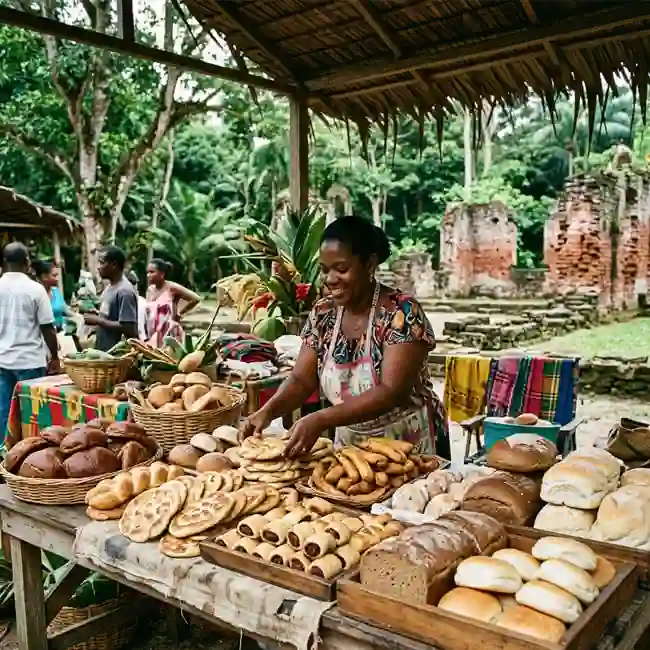
Hey there, fellow food lover! If you’ve ever found yourself daydreaming about the perfect carb-loaded adventure, you are in for an absolute treat today. We are diving headfirst into a culinary treasure trove that a lot of the world is still sleeping on: Suriname breads.
When you think of Caribbean or South American food, your mind might instantly wander to spicy stews, tropical fruits, or rice dishes. But let me tell you, the baking scene in Suriname is an absolute game-changer. It’s comforting, it’s vibrant, and it tells a beautiful story of a country that brings the whole world together on a single plate.
So, grab a cozy seat, maybe a warm cup of tea, and let’s take a delicious virtual stroll through the bustling streets of Paramaribo to find out what makes Surinamese bread culture so incredibly special. Trust me, by the end of this, you’ll be checking flights or, at the very least, hunting down your nearest South American bakery!
🇸🇷 🥐 The Melting Pot of Flavors: Suriname’s Unique Culinary Heritage
To truly appreciate why a slice of Suriname bread tastes so magical, we have to look at the roots of this beautiful country. Tucked away on the northeastern coast of South America, Suriname is one of the most culturally diverse places you will ever encounter. It is a stunning mosaic of Indigenous, African, Dutch, East Indian, Javanese, Chinese, and Jewish heritages.
Now, what happens when all these incredible cultures live side-by-side for centuries? They share kitchen secrets, of course! This cultural exchange created a fusion food scene that is entirely unique.
[ Indigenous Roots ] + [ European Baking ] + [ Asian & African Spices ] = The Surinamese Bread Magic
In Suriname, bread isn’t just a side dish or a quick breakfast option; it’s a living history lesson. When European colonists brought wheat flour and traditional oven-baking techniques to the region, local communities embraced them, put their own spin on things, and elevated the humble loaf into something spectacular.
Instead of basic, plain loaves, you get doughs enriched with rich coconut milk, infused with warm aromatic spices, or stuffed with savory fillings that reflect Javanese or Hindustani flavors. It is a true culinary melting pot where every single bite feels like a celebration of community and shared history.
🥖 The Star Lineup: Iconic Suriname Breads You Need to Know
Alright, let's get to the good stuff—the actual bread! If you find yourself in a Surinamese bakery (known locally as a bakkerij), the aroma alone will make your mouth water. While there are dozens of local variations, a few iconic bakes truly stand out as the undisputed champions of the local food scene.
🥐 1. Surinaamse Puntjes (The Ultimate Sandwich Roll)
If Suriname had a national bread ambassador, it would definitely be the Puntje. These are individual, oval-shaped white bread rolls with a distinct pointed end (hence the name puntje, which translates to "little point" or "tip" in Dutch).
What makes them so special is their contrast in texture. A perfectly baked puntje has a beautifully golden, slightly crisp outer crust that gives way to an incredibly soft, fluffy, and pillowy interior. They are light but sturdy enough to hold a mountain of delicious local fillings. You can enjoy them warm with a simple smear of butter, or load them up with spicy shredded chicken or salted fish for the ultimate comfort meal.
🥥 2. Surinaamse Kokosbrood (Sweet Coconut Bread)
For those who have a sweet tooth, Kokosbrood is absolute heaven on earth. This bread beautifully highlights the tropical abundance of South America. It’s a sweet, enriched yeast bread where the dough is infused with grated coconut and often flavored with a hint of vanilla or warm spices like cinnamon.
Sometimes, you’ll find it baked as a rustic loaf where the coconut is swirled right through the dough, creating beautiful, sweet pockets of texture. Other times, it is shaped into cute individual buns. Taking a bite of this while it’s still warm from the oven feels like a cozy tropical hug.
🥮 3. Bara (The Savory, Spiced Fritter-Bread)
Now, this one blurs the line between a traditional baked bread and a savory snack, but you cannot talk about Surinamese carb culture without bowing down to the mighty Bara. Brought to Suriname by East Indian (Hindustani) immigrants, Bara is a savory, doughnut-shaped fried bread made from a spiced batter of dhal (split peas) flour, wheat flour, and a generous handful of fresh spinach or tayerblad leaves.
It is heavily seasoned with garlic, cumin (djira), and turmeric, giving it a gorgeously warm color and an earthy, aromatic flavor profile. It’s fried until the outside is deeply golden and crispy, while the inside remains soft and wonderfully chewy. It is the king of Surinamese street food!
🍞 4. Surinaamse Stoet (The Everyday Comfort Loaf)
If you are looking for the comforting backbone of local households, look no further than Stoet (pronounced like "stoot"). This is a traditional, rustic white or wheat bread loaf that you’ll find on almost every family breakfast table.
Unlike mass-produced supermarket bread, a true Surinamese stoet has a dense yet soft crumb structure that makes it incredibly satisfying. It is the kind of bread that is perfect for tearing apart with your hands, dipping into hearty stews, or simply toasting and enjoying with a slice of local cheese.
🏡 The Art of Living: How Bread Shapes Daily Life and Culture
In Suriname, food is love, food is family, and food is community. The way people interact with bread in their daily lives tells you everything you need to know about the warm, hospitable nature of the local culture.
🌅 A Morning Ritual
The day in Suriname starts early, before the tropical sun gets too hot. Around 6:00 AM, the air in local neighborhoods fills with the scent of fresh wood-fired ovens. You’ll see locals heading down to their neighborhood bakery on bicycles or on foot, greeting their neighbors along the way.
Buying fresh puntjes or stoet for the family breakfast is a cherished daily ritual. Breakfast is a relaxed affair, usually enjoyed on the veranda with family, accompanied by warm tea, fresh fruit, and lively conversation about the day ahead.
+----------------------------------------------------------------+
| A Day in the Life of a Local |
+----------------------------------------------------------------+
| 06:00 AM - Stroll to the local bakkerij for fresh Puntjes |
| 07:00 AM - Family breakfast on the veranda with warm tea |
| 01:00 PM - Midday break with a hearty, stuffed bread roll |
| 05:00 PM - Evening street food run for a hot, crispy Bara |
+----------------------------------------------------------------+
🤝 Hospitality and Celebration
If you ever visit a Surinamese home, the first thing they will do is offer you something to eat. Sharing bread is a universal sign of friendship here. During major cultural and religious celebrations—whether it's Diwali, Eid, Christmas, or Keti Koti (Emancipation Day)—breads and baked goods take center stage.
Families spend days preparing large batches of treats to share with neighbors of all different backgrounds. It is a beautiful way of keeping community bonds strong, ensuring that no matter your heritage, you are always welcome at the table.
🗺️ Travel and Origin: Eating Your Way Through Suriname’s Bread Map
If you are planning a trip to Suriname (and you absolutely should!), exploring the country through its bakeries is one of the best ways to get to know the land and its people. Different regions and neighborhoods offer their own unique spins on classic bakes.
🏙️ Paramaribo: The Street Food Capital
Your journey will likely begin in the capital city of Paramaribo, a UNESCO World Heritage site known for its stunning wooden Dutch colonial architecture. Here, the bread scene is fast, vibrant, and incredibly diverse.
For the ultimate food experience, you need to visit the local central markets and the famous waterfront (Waterkant). This is where you’ll find bustling food stalls selling iconic stuffed puntjes. The sheer variety of fillings will blow your mind. You can get them loaded with:
• Pom: A rich, baked root vegetable (tayer) and chicken dish with a sweet-and-sour citrus kick.
• Bakkeljauw: Savory, flaked salted cod sautéed with onions and local peppers.
• Kousenband: Crisp, stir-fried yardlong beans with aromatic spices.
Eating a stuffed roll while looking out over the Suriname River as the sun goes down is a travel memory you will never forget.
🌿 Moving Out to the Districts: Commewijne and Lelydorp
If you venture outside the capital into districts like Commewijne, which is famous for its old historic plantations, you’ll find a much slower, deeply authentic rhythm of life. This area has a strong Javanese influence, and you’ll find cozy local eateries (warungs) alongside rustic bakeries. Here, the bread culture leans into tropical, comforting flavors, with plenty of fresh coconut, lemongrass, and ginger notes making their way into local snacks and bakes.
Meanwhile, heading towards Lelydorp, you will encounter some of the best roadside spots to grab fresh, piping hot Bara. Watching the street vendors skillfully shape the spiced dough by hand and drop it into bubbling oil right in front of you is pure culinary theater.
💡 Baking Philosophy: The Secret Behind the Loaf
What makes Surinamese baking truly magical is its soul. It doesn’t rely on overly complicated culinary techniques or fancy, expensive kitchen gadgets. Instead, it’s all about patience, intuition, and utilizing the wonderful natural ingredients provided by the local environment.
"Surinamese baking isn't just about following a recipe; it's about feeling the dough, respecting the yeast in the tropical humidity, and baking with a generous heart."
Many traditional bakeries still use brick or wood-fired ovens, which impart a subtle, rustic smokiness to the crust of the bread that you simply cannot replicate in a modern electric oven. There is a deep respect for the time it takes for dough to rise naturally in the warm, humid climate, resulting in an incredibly airy and light texture that defines the country's signature style.
🤨❓ FAQ: Frequently Asked Questions about Suriname Breads
Q1. What makes Surinamese bread different from regular European bread?
While Surinamese bread heritage shares roots with European (especially Dutch) baking techniques, it stands out because of its unique cultural fusion and tropical ingredients. Local bakes often incorporate ingredients like coconut milk, dhal flour, and local spices, resulting in distinct flavor profiles. Additionally, the warm, humid tropical climate of Suriname affects how the yeast rises, giving breads like Puntjes a uniquely light, fluffy interior and crisp outer crust that is hard to find elsewhere.
Q2. How are Surinamese bread rolls typically eaten?
Surinamese bread rolls, particularly Puntjes, are incredibly versatile! For a simple breakfast, they are enjoyed warm with butter, jam, or local cheese. However, for lunch or a hearty snack, they are transformed into amazing street-food sandwiches. Locals stuff them with savory fillings like Pom (a baked chicken and root vegetable dish), Bakkeljauw (salted cod), curry chicken, or stir-fried vegetables with a splash of local pepper sauce.
Q3. Are there any vegetarian-friendly options in Surinamese bread culture?
Absolutely! Surinamese bread culture is wonderfully inclusive for vegetarians. The famous Bara is entirely plant-based, made from split pea flour, wheat flour, and spinach, seasoned with rich spices. You can also enjoy sweet options like Kokosbrood (coconut bread), or grab a fresh Puntje and have it stuffed with savory Kousenband (yardlong beans) or local vegetarian egg dishes. Just always be sure to ask the vendor about the specific fillings!
🍞 Rise and Shine with the Ultimate Surinamese Festive Breakfast Feast
👉 Experience 3 Ultimate Surinamese Holiday Breads!
| 🌐 🍞 < Back | 🇸🇷 🥗 < Previous | Next > 🍱 🇸🇷 |