
🏠 Home > 🗺️ Recipes > 🍝 Main Dishes > 🇼🇸 Samoa Main Dishes
🇼🇸 🍝 Samoa Main Dishes Recipes
Published by Supakorn | Updated: June 2026
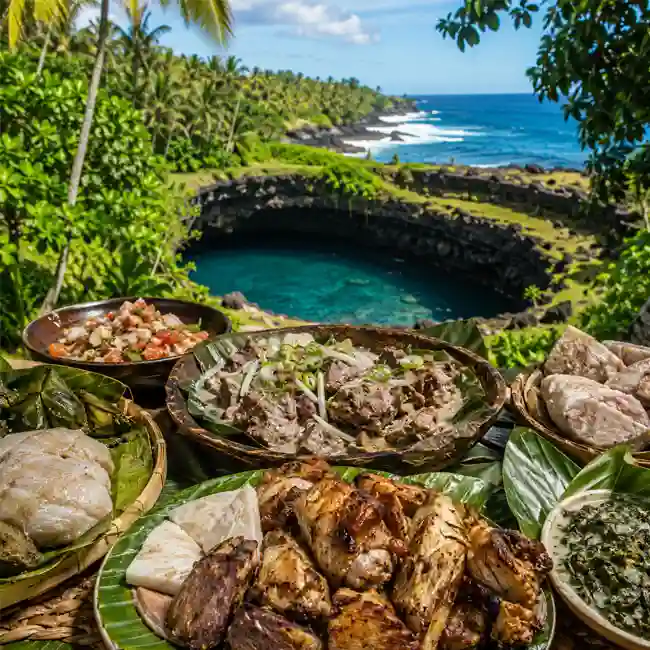
🇼🇸 🍝 Welcome to the Heart of the South Pacific: Introduction to Samoan Food Culture
Imagine stepping off a plane into a world where the air smells faintly of sweet tropical blossoms, salty ocean breeze, and a hint of rich, smoky wood fire. Welcome to Samoa! If you are a food lover who believes that the true soul of any destination is found on its dinner plate, you are in for an incredible adventure.
Samoan cuisine is beautifully simple yet deeply rewarding. Unlike many food cultures that rely on a dizzying array of spices, herbs, and sauces, traditional Samoan main dishes let the natural flavors of the land and the ocean do all the talking. The pillars of the Samoan kitchen are straightforward: incredibly fresh seafood caught just hours before dinner, locally grown root vegetables, tropical fruits, and the absolute superstar of the islands—creamy, rich, freshly squeezed coconut milk.
To truly understand the food of Samoa, you have to understand the concept of Fa'a Samoa—The Samoan Way. This is the traditional code of behavior and values that guides every aspect of life here, including how people cook, share, and respect food. On these beautiful islands, eating is never just a solitary act of survival. It is a joyful, communal celebration of family, land, and togetherness. Food is love, food is respect, and food is the ultimate welcome gesture for any traveler lucky enough to visit this tropical paradise.
🌋 The Legend of the Umu: Where Soil, Fire, and Stone Collide
Before we talk about the iconic main dishes you need to try, we have to talk about how they are made. You can’t understand Samoan culinary life without understanding the Umu. The umu is a traditional Polynesian earth oven, but it does not involve digging a deep pit in the ground like some other Pacific cultures do. Instead, a Samoan umu is built entirely above ground.
The process is a beautiful, rhythmic ritual that has been passed down through generations. First, a fire is built using wood and coconut husks. Large, smooth volcanic stones are piled on top of the flames until they absorb the heat and begin to glow with an intense, radiant energy. Once the fire burns down, the smoking embers are cleared away, leaving only the blazing hot rocks.
This is where the magic happens. Whole fish, portions of pork, seasoned chicken, bundles of green bananas, and taro roots are carefully arranged directly onto the white-hot stones. The entire feast is then wrapped and blanketed in layers of large, glossy green banana leaves and breadfruit leaves. This natural insulation traps the steam and moisture perfectly. Over the next hour or two, the ingredients slow-bake in their own juices, absorbing a gentle, distinctively earthy smoke flavor that cannot be recreated by any modern kitchen appliance in the world. Cooking an umu is a true art form, usually handled by the young men of the family (Aumaga), and the result is nothing short of legendary.
🍲 The All-Star Lineup: Iconic Samoa Main Dishes You Must Try
Now, let’s get into the good stuff! When you sit down at a local gathering or a traditional beachside feast, you will encounter a spread of hearty, comforting mains. Here are the standout stars of the Samoan dining table that you should look out for:
🥬 Palusami (The Absolute Jewel of Samoa)
If Samoa had a national food ambassador, it would undoubtedly be Palusami. This dish is pure tropical perfection wrapped in a neat little green package. It is created by taking layers of young, tender taro leaves and shaping them into a small bowl or pouch. This pouch is filled with a rich mixture of freshly squeezed coconut cream, chopped onions, and a touch of salt.
The bundle is then wrapped securely in a sturdy breadfruit or banana leaf and placed into the hot stones of the umu. As it bakes, the coconut cream inside boils, thickens, and infuses beautifully into the taro leaves. When you unwrap it, you are left with a warm, velvety, melt-in-your-mouth green parcel. The flavor is wonderfully rich, savory, and creamy—it tastes almost like a tropical, luxurious version of creamed spinach, but a million times better!
🐟 Oka l'a (The Ultimate Oceanic Refreshment)
Samoa is completely surrounded by the pristine waters of the South Pacific, so it makes sense that seafood is a daily staple. Oka I'a (often just called Oka) is Samoa's signature raw fish dish, and it is the ultimate comfort food on a hot tropical day.
To create this masterpiece, fresh yellowfin tuna, snapper, or kingfish is cut into neat, bite-sized cubes. The raw fish is briefly marinated in fresh lime or lemon juice, which lightly cures the flesh, turning it opaque and tender. Next, the fish is tossed with a generous splash of thick coconut cream, diced cucumbers, tomatoes, and green onions. Sometimes a pinch of fresh chili is added for a gentle kick. The contrast between the cold, clean, savory fish, the crunchy vegetables, and the luxurious silkiness of the coconut cream is absolutely heavenly. It is light, bright, and deeply satisfying.
🍜 Sapasui (The Samoan Chop Suey)
Samoa has an fascinating history of cultural exchange, and one of the most beloved results of that history is Sapasui. Inspired by early Chinese immigrants who arrived on the islands over a century ago, Sapasui is the Samoan adaptation of chop suey, and it has evolved to become an essential main dish at every single family gathering, church feast, and party.
Sapasui features thick vermicelli glass noodles stir-fried in a deep, savory pool of soy sauce, minced garlic, and plenty of fiery, crushed ginger. The noodles absorb all that beautiful flavor until they turn a glossy dark brown. This noodle base is tossed with a variety of proteins, most commonly chunks of tender pork, chicken, or even rich canned corned beef, alongside whatever vegetables are on hand like carrots and cabbage. It is served piping hot, and it provides a wonderful, deeply savory, comfort-food contrast to the starchier root vegetables on the table.
🐖 Umu Pork and Povi Masima (The Feast Proteins)
When it is time for a major celebration, meat takes center stage in Samoa. Roasted pork cooked in the umu is a glorious experience. Large cuts of seasoned pork are placed on the hot volcanic rocks, allowing the fat to render slowly while the meat turns extraordinarily tender and takes on that signature smoky aroma from the wood fire and singed banana leaves.
Another incredibly popular meat dish you will encounter is Povi Masima. This is traditional Samoan salted beef. Brisket or other rich cuts of beef are preserved in a heavy salt brine and then slowly simmered with onions and cabbage until the meat is tender enough to pull apart with your fingers. It is intensely savory, salty, and incredibly filling—a true favorite among locals who appreciate hearty, robust flavors after a long day of working in the fields or out on the ocean.
🍌 Fa'alifu Talo and Fa'alifu Fa'i (The Savory Coconut Staples)
In Western food culture, potatoes and bread are the default sides. In Samoa, starchy root crops and green bananas are the absolute kings of the plate, and they are frequently elevated into spectacular main-style comfort dishes using the Fa'alifu cooking style.
Fa'alifu simply means boiling an ingredient and then smothering it in a rich, savory, reduced coconut cream sauce seasoned with sweet onions.
Fa'alifu Talo: This version features chunks of hearty taro root (Talo). Taro has an earthy, slightly nutty flavor and a dense texture that acts like a sponge, soaking up the creamy, savory coconut sauce perfectly.
Fa'alifu Fa'i: This variation swaps the taro for green, unripe cooking bananas (Fa'i). When green, bananas lose their sugary sweetness and behave much more like a firm, starchy root vegetable. When simmered in onions and coconut cream, they become tender, slightly savory, and completely addictive.
🍽️ The Art of Eating and Living: Daily Food Rituals in Samoa
To get the most out of your culinary journey, you have to understand how people live and eat in Samoa on a daily basis. Life here moves to a gentle, respectful rhythm, and meals are the anchor points of the day.
🌅 A Simple Start to the Day
Breakfast in a traditional Samoan village is usually a light, comforting affair designed to give you a quick boost of energy before the tropical heat sets in. You won’t find heavy fry-ups here. Instead, mornings are all about fresh tropical fruits like sweet papayas (Esi), small but intensely flavorful island bananas, and freshly baked breads.
Two morning favorites you must try are Pani Popo (fluffy, sweet yeast buns that are baked while completely submerged in a sticky pool of sweet coconut syrup) and Koko Alaisa. Koko Alaisa is a deeply comforting breakfast porridge made by boiling white rice with rich, earthy Samoan cacao beans and coconut milk. It is warm, chocolatey, creamy, and feels like a big hug in a bowl.
👨👩👧👦 Sunday To'ona'i: The Ultimate Family Feast
If you want to witness Samoan food culture at its absolute peak, Sunday is the day. Sunday is a sacred day of rest, church, and family across the islands. Early in the morning, before the sun even rises, the men of the family gather in the outdoor kitchen to build the Umu.
While the family is at church, the feast slowly bakes under its blanket of banana leaves. Around midday, everyone returns home, changes into comfortable clothes, and gathers together for the To'ona'i—the grand Sunday feast. The food is laid out on large woven mats, and the entire extended family sits together on the floor to share the bounty. There is an beautiful hierarchy of respect here: elders and guests are always served first, receiving the prime cuts of meat and the freshest portions of Palusami. It is a long, slow, joyful meal filled with laughter, storytelling, and an inevitable afternoon nap (Moe) afterward.
👐 No Utensils Required: Embracing the Feast with Your Hands
Here is a fun insider tip for travelers: traditional Samoan food is meant to be eaten with your hands! While modern restaurants will always provide forks and knives, sitting down for a traditional village meal means rollin' up your sleeves and digging in with your fingers.
Locals have mastered a brilliant technique for this. They will break off a firm piece of boiled taro or breadfruit and use it like a natural edible spoon to scoop up the creamy, velvety Palusami or the savory sauce from a plate of Sapasui. It is a wonderfully tactile, grounded way to experience a meal. Don't worry about getting messy—before and after every meal, a bowl of fresh water and a clean towel will be passed around so everyone can wash their hands.
🗺️ Culinary Wanderlust: Food and Travel Destinations in Samoa
Food and travel are completely inseparable in Samoa. As you explore the two main islands—Upolu and Savai'i—you will find that the stunning landscapes, beautiful beaches, and local food markets blend together into one unforgettable sensory experience. Here is where you should go to satisfy your appetite for both adventure and amazing flavors:
🛍️ The Vibrant Markets of Apia (Upolu Island)
Your food journey should ideally begin in Apia, the bustling capital city located on the island of Upolu. The city is home to some incredible local markets that offer a sensory overload of sights, sounds, and aromas.
Fugalei Market: This is the main produce market, and it is a paradise for fruit lovers. Walk through the aisles and you will see towering stacks of taro roots, giant green breadfruits, strings of wild bananas, and mounds of fresh coconuts. This is the perfect place to grab a chilled, fresh coconut (Niu), pop a straw directly into the shell, and sip the refreshing water while chatting with the incredibly friendly local vendors. You can also sample ready-to-eat island snacks like Panikeke (round, deep-fried banana drop doughnuts that are crispy on the outside and wonderfully fluffy on the inside).
Apia Fish Market: If you wake up early on a Sunday morning, make a bee-line straight for the waterfront fish market. The energy here is electric. Local fishermen haul in their nightly catch, showcasing a brilliant display of giant yellowfin tuna, bright red snappers, octopus, and crabs. It is incredibly clean, fascinating to watch, and gives you a deep appreciation for the ocean bounty that fuels the island's iconic main dishes.
🎭 Fiafia Nights: Fire, Dance, and Food at Beachfront Resorts
For a traveler, one of the easiest and most spectacular ways to experience the magic of an umu feast combined with local culture is by attending a Fiafia Night. Most major resorts and cultural centers across Upolu and Savai'i host these weekly celebrations.
A Fiafia night is a total celebration of Samoan heritage. The evening usually begins in the late afternoon, where guests can watch the chefs unwrap the hot smoking earth oven to reveal the cooked main dishes. Afterward, you are treated to a massive buffet featuring everything we’ve talked about—Palusami, Oka, Sapasui, and beautifully roasted pork. As you eat, local performers take to the stage to share graceful traditional dances, powerful songs, and the jaw-dropping Siva Afi (the traditional fire knife dance), where performers twirl blazing blades at dizzying speeds. It is an absolute must-do experience that bonds food, art, and history into one unforgettable night.
🏝️ Staying in a Beach Fale: The Ultimate Authenticity
If you want to step off the beaten tourist path and experience true island life, skip the luxury hotels for a few nights and stay in a traditional beachfront Fale. These are open-air, thatched-roof wooden huts built right on the sand, just feet away from the crystal-clear turquoise lagoons (the Manase coast on Savai'i island is famous for this).
When you stay at a family-run beach fale, your breakfast and dinner are usually included and prepared by the host family. This is where you get to taste real, unembellished, home-cooked Samoan main dishes. You might sit down to a dinner of fresh reef fish caught by the family’s uncle that morning, served alongside freshly dug taro from their backyard garden, and a bowl of velvety Palusami made by the grandmother. Eating home-cooked food while listening to the gentle lap of the ocean waves right outside your open-air hut is a magical experience that will stay with you forever.
👋 Frequently Asked Questions About Samoan Main Dishes
Q1. I am a vegetarian. Will I find enough options among Samoan main dishes?
While Samoans absolutely love their fresh seafood and meats, vegetarians can still enjoy some of the most iconic flavors of the islands! The absolute king of Samoan dishes, Palusami, is naturally vegetarian as it consists entirely of taro leaves, coconut cream, and onions. You can also happily feast on Fa'alifu Talo (taro in savory coconut sauce) and Fa'alifu Fa'i (green bananas in coconut sauce), along with an endless abundance of fresh tropical fruits. Just be sure to ask your host or server if any meat or fish broth was added to dishes like Sapasui, as meat variations are very common.
Q2. What exactly does Palusami taste like? Is it spicy?
Palusami is not spicy at all! Traditional Samoan food relies very little on hot chilis. Instead, Palusami has a wonderfully rich, savory, and comforting flavor profile. The young taro leaves taste very similar to a mild, earthy spinach. When these leaves slow-bake with the sweet, velvety coconut cream and onions inside the earth oven, they become incredibly soft and buttery. It essentially tastes like a super luxurious, rich, and smoky version of creamed greens. It is pure comfort food.
Q3. Is it safe to eat Oka I'a since the fish is served raw?
Yes, it is remarkably safe and incredibly delicious! Because Samoa is an island nation with an ancient, highly skilled fishing culture, the fish used in Oka I'a is typically caught fresh that very morning. Local chefs and home cooks have exceptionally high standards for seafood freshness. Furthermore, the fish is cubed and marinated in fresh citrus juice (lime or lemon), which uses natural acidity to lightly cure the meat, safely denaturing the proteins much like cooking with heat does. It is light, clean, and highly recommended for seafood lovers.
Q4. What is the best way for a traveler to try authentic Umu-cooked food?
The easiest and most accessible way for a visitor to experience authentic umu cooking is by booking a Fiafia Night at a local resort or cultural center. These events are specifically designed to showcase the entire process, letting you watch the oven being opened before sitting down to a massive buffet of traditional main dishes. Alternatively, staying at a family-run beach fale or making friends with locals can often land you an invite to a traditional Sunday To'ona'i feast, which is the most authentic community dining experience you can possibly have in Samoa.
🍝 Celebrate Like a Local: Simple One-Pan Samoan Holiday Classics
👉 Unlock 3 Top Samoan Holiday Main Dishes
| 🌐 🍝 < Back | 🇼🇸 🥪 < Previous | Next > 🍨 🇼🇸 |