
🏠 Home > 🗺️ Recipes > 🍷 Drinks > 🇱🇨 Saint Lucia Drinks Recipes
🇱🇨 🍷 Authentic Saint Lucia Drinks: Creole Heritage & Tropical Island Refreshments
Published by Supakorn | Updated: November 2026
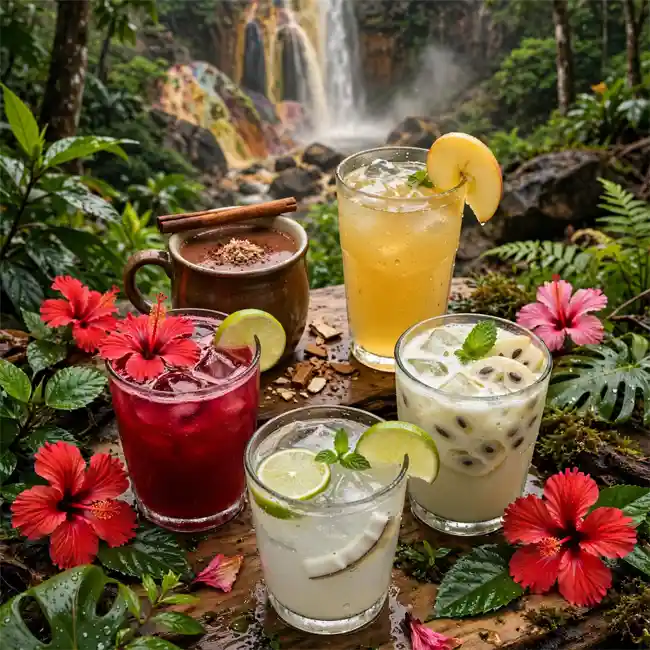
🐬🏄♀️ Introduction: The Cultural Heritage of Saint Lucia Drinks
Saint Lucia is a beautiful Caribbean island where lush green mountains, tropical coastlines, colorful villages, and vibrant Creole traditions come together to create a distinctive way of life. While many travelers are drawn to its famous Pitons, golden beaches, and welcoming communities, there is another part of the island worth discovering: its traditional drinks.
Saint Lucia drinks are more than refreshing beverages. They are an expression of local agriculture, family traditions, cultural identity, and the island's connection with nature. From steaming cups of homemade cocoa tea to chilled tropical fruit juices and seasonal sorrel, every drink offers a little taste of everyday Saint Lucian life.
The island's beverage culture reflects a fascinating blend of African, European, and Caribbean influences. Generations of families have developed their own ways of preparing drinks using locally available ingredients, including cocoa, coconut, tropical fruits, herbs, roots, and aromatic spices.
Unlike commercial beverages that often rely on standardized flavors, many traditional Saint Lucian drinks celebrate the natural character of their ingredients. A ripe mango brings its own sweetness, freshly opened coconut water offers gentle refreshment, and locally prepared cocoa creates a rich aroma that feels wonderfully comforting.
Another interesting aspect is the relationship between drinks and the seasons. Certain beverages are especially popular during Christmas celebrations, while others are enjoyed throughout the year as part of breakfast, afternoon relaxation, or family gatherings.
For visitors interested in authentic Caribbean food culture, exploring traditional Saint Lucian beverages is an enjoyable way to understand the island beyond its famous scenery.
☕ The Art of Saint Lucia Dining Culture & Social Drinking
In Saint Lucia, food and drinks are closely connected to hospitality and social interaction. Sharing something to eat or drink is a natural way for families, friends, and neighbors to spend time together.
A typical morning might begin with a warm cup of cocoa tea alongside fresh bread or traditional bakes. The aroma of cocoa, cinnamon, and nutmeg creates a familiar breakfast experience that many locals associate with home and childhood memories.
During warmer afternoons, the preference often shifts toward cooler refreshments. Fresh fruit juices, coconut water, and homemade fruit-based beverages provide a pleasant break from the tropical sunshine.
Some common social occasions where traditional drinks play a role include:
• Family breakfasts: Warm cocoa tea and other comforting beverages are enjoyed alongside simple homemade meals.
• Weekend gatherings: Families and friends share homemade juices and seasonal refreshments while catching up.
• Community celebrations: Traditional beverages accompany local food, music, dancing, and cultural activities.
• Christmas traditions: Sorrel is particularly associated with festive gatherings and seasonal hospitality.
• Market visits: Freshly prepared fruit juices offer a convenient way to enjoy the island's agricultural produce.
The idea of sharing is especially important. Drinks are often prepared in larger quantities when relatives visit or when a family gathering is planned. Rather than focusing on elaborate presentation, the emphasis is frequently on freshness, familiar flavors, and enjoying time together.
Saint Lucian Creole culture also contributes to this relaxed atmosphere. Conversation, music, food, and hospitality are all important parts of community life. A simple glass of homemade juice can become part of a much bigger social experience.
📍 Where Culture Meets Flavor: Iconic Food Tourism Spots
Traveling through Saint Lucia offers plenty of opportunities to discover the island's beverage traditions. Different destinations provide different perspectives on local ingredients, agricultural history, and everyday food culture.
Here are several places worth including in a culinary exploration.
✦ Castries Central Market: One of the best places to discover local fruits, cocoa products, spices, and freshly prepared refreshments. Visitors can explore ingredients such as mangoes, golden apples, passion fruit, and cocoa sticks while observing everyday market life. Saturday mornings are particularly lively.
✦ Soufrière: Surrounded by volcanic landscapes, tropical vegetation, and historic agricultural estates, Soufrière provides an interesting connection to Saint Lucia's cocoa heritage. Visitors can discover locally grown cocoa and learn about the traditional ingredients used in cocoa tea.
✦ Marigot Bay: Known for its beautiful harbor and relaxed coastal atmosphere, this destination is a lovely setting to enjoy tropical fruit refreshments while appreciating the island's maritime scenery.
✦ Gros Islet: This lively northern community offers an opportunity to experience local food culture, neighborhood gatherings, and Caribbean street-food traditions.
✦ Anse La Raye: Famous for its fishing-village atmosphere and community food celebrations, Anse La Raye gives visitors a glimpse of the connection between local cuisine, coastal living, and social traditions.
A visit to these destinations is not simply about tasting something new. It is also about discovering where ingredients come from, meeting local vendors, and understanding how food and drinks fit into the rhythm of island life.
🥥 Top Iconic Saint Lucia Drinks Specialties
Saint Lucia has a wonderful variety of traditional and contemporary non-alcoholic beverages. Some are deeply connected to family heritage, while others showcase the island's abundance of tropical fruits and natural ingredients.
Here are some of the most interesting Saint Lucia drinks to discover.
1. ☕ Saint Lucian Cocoa Tea – A Traditional Island Breakfast Favorite
Cocoa tea is one of the most recognizable traditional beverages in Saint Lucia. It is a warm, aromatic drink made with locally produced cocoa, and it has a special place in the island's breakfast culture.
Unlike ordinary instant chocolate beverages, traditional cocoa tea begins with solid cocoa sticks or balls made from processed cocoa beans. These are grated or broken down and combined with water, milk, and aromatic ingredients.
Common flavor additions include cinnamon, nutmeg, and bay leaf. The result is a rich, fragrant drink with a deeper cocoa character and a comforting warmth.
Cocoa tea is particularly meaningful because it connects modern Saint Lucian households with the island's agricultural history. Cocoa cultivation has been part of Saint Lucia's story for generations, and traditional preparation methods have been passed down through families.
Visitors exploring the Soufrière area may also find opportunities to learn about local cocoa cultivation and the island's chocolate-making traditions.
2. 🌺 Saint Lucia Sorrel Drink – A Festive Caribbean Favorite
Sorrel is a beautifully colored traditional beverage associated with Christmas and festive occasions across Saint Lucia and other Caribbean communities.
The drink is prepared using the colorful calyces of the sorrel plant, commonly known as hibiscus. Its naturally vibrant red appearance makes it especially attractive when served in a clear glass or traditional pitcher.
The flavor is usually tart, fruity, and refreshing, with a gentle floral quality. Traditional variations may include ginger, cinnamon, cloves, and orange peel, creating a fragrant combination that balances the natural sharpness of the hibiscus.
In Saint Lucia, sorrel is closely associated with holiday hospitality. Families prepare it for seasonal gatherings, festive meals, and visits from relatives and friends.
Its popularity also reflects the Caribbean tradition of using plants and spices to create distinctive homemade refreshments rather than relying entirely on commercial drinks.
3. 🌳 Mauby – A Distinctive Traditional Caribbean Beverage
Mauby is a traditional Caribbean beverage made from the bark of the mauby tree. It is known for its unusual bittersweet flavor, making it quite different from the sweet fruit juices that visitors might expect to find on a tropical island.
The drink generally has a deep brown appearance and an earthy aroma. Its flavor can be pleasantly bitter, slightly sweet, and gently spiced depending on the preparation and family preferences.
Traditional preparations may incorporate ingredients such as cinnamon, cloves, and other aromatic spices.
Mauby is interesting because it demonstrates how Caribbean communities have historically used local plants to develop distinctive everyday beverages. Its flavor may take a little getting used to, particularly for visitors unfamiliar with bitter herbal drinks.
For travelers interested in authentic Caribbean flavors, mauby is certainly worth discovering.
4. 🥥 Saint Lucia Sea Moss Drink – A Popular Island Specialty
Sea moss is another well-known ingredient in Caribbean beverage culture. It is a type of edible seaweed traditionally used to create thick, creamy drinks and other food preparations.
In Saint Lucia, sea moss beverages are appreciated for their distinctive texture and versatility. Depending on the preparation, the drink can be smooth, rich, and lightly sweet.
Common flavor additions include vanilla, cinnamon, nutmeg, and other ingredients that create a pleasant dessert-like character.
Sea moss has a particularly interesting connection to the Caribbean's coastal environment. Its use demonstrates how communities have incorporated marine resources into their traditional food culture.
Today, sea moss drinks can be found in different variations, from homemade preparations to contemporary fruit-flavored versions.
Sea moss products can vary considerably in ingredients and nutritional composition. They should not automatically be considered health treatments or substitutes for medical care.
5. 🍏 Golden Apple Juice – A Taste of Tropical Saint Lucia
Golden apple juice is a refreshing way to experience one of the Caribbean's distinctive tropical fruits.
Golden apple, also known in some regions as ambarella or June plum, has a recognizable green-to-yellow appearance and a flavor that combines fruity sweetness with a pleasant tartness.
When used in beverages, the fruit creates a lively tropical flavor. Depending on its ripeness, the juice can be more tangy or sweeter, making it a particularly interesting option for visitors who enjoy naturally sharp fruit flavors.
Golden apple is also an excellent example of how local agricultural ingredients influence everyday island refreshments.
You may encounter golden apples at markets, roadside stalls, and local produce vendors, particularly when the fruit is in season.
6. 🥥 Fresh Coconut Water – Natural Refreshment from the Island
Few beverages capture the feeling of a tropical Caribbean holiday quite like fresh coconut water.
In Saint Lucia, green coconuts provide a naturally refreshing drink that is particularly enjoyable during warm afternoons. Vendors may open the coconut on the spot, allowing visitors to enjoy the water directly from the fruit.
Fresh coconut water has a light, mildly sweet flavor that is quite different from heavily sweetened bottled coconut beverages.
It is also closely connected to the island's agricultural landscape, where coconut palms are part of the tropical scenery.
For travelers spending time at beaches, exploring coastal villages, or walking through outdoor markets, fresh coconut water is a simple and memorable local refreshment.
7. 🍈 Tamarind Juice – Sweet, Sour, and Refreshingly Different
Tamarind juice is another traditional Caribbean-style refreshment worth exploring in Saint Lucia.
Tamarind grows inside brown pods containing a naturally tangy pulp surrounding the seeds. This pulp is valued for its distinctive combination of sweetness and acidity.
The resulting beverage often has a deep amber or brown appearance and a flavor that is both fruity and slightly sharp.
Depending on personal preference, the drink may be presented with a sweeter or more tart character.
Tamarind is especially interesting because it illustrates the Caribbean appreciation for ingredients that deliver strong natural flavors without requiring complicated preparation.
It is also a popular flavor to look out for when browsing local markets and homemade juice selections.
8. 🍹 Passion Fruit Juice – A Tropical Island Classic
Passion fruit juice is one of the most appealing tropical refreshments for visitors who enjoy bright, fragrant fruit flavors.
The fruit contains juicy pulp and small edible seeds, producing a beverage with a naturally aromatic character.
Its flavor is typically sweet-tart, with a refreshing acidity that makes it especially enjoyable when served chilled.
In Saint Lucia, passion fruit is part of the wider tropical fruit culture that shapes local juice selections. It can be enjoyed on its own or combined with other fruits for a more complex flavor.
Passion fruit also represents the island's agricultural diversity, bringing together tropical growing conditions and the everyday creativity of local juice makers.
9. 🍐 Soursop Juice – A Smooth and Creamy Tropical Refreshment
Soursop juice offers a different experience from sharper tropical fruit beverages.
Soursop, also called guanabana in some countries, has soft white flesh and a naturally fragrant flavor that combines creamy, sweet, and gently tangy notes.
When prepared as a beverage, the fruit creates a thicker texture than many ordinary fruit juices. Its flavor is often described as a combination of tropical fruit characteristics with a smooth, almost creamy finish.
Soursop is an attractive choice for visitors who prefer mellow fruit flavors rather than strongly acidic refreshments.
It is one of the tropical fruit varieties worth looking for at Saint Lucia's markets and local juice stalls.
10. 🍍 Fresh Pineapple Juice – Sunshine in a Glass
Pineapple juice is a familiar tropical favorite that fits naturally into Saint Lucia's warm-weather lifestyle.
Fresh pineapple provides a combination of sweetness, acidity, and a distinctive tropical aroma. When served cold, it makes a particularly enjoyable refreshment after a day exploring the island.
Local variations may combine pineapple with other fruits, creating different flavor profiles depending on seasonal availability.
Its popularity also highlights the importance of fresh produce in Caribbean food culture. Rather than treating fruit only as a dessert ingredient, local beverage traditions make it an important part of everyday refreshment.
11. ⭐ Five Fingers Juice – An Unusual Local Fruit Experience
Five fingers, commonly known internationally as starfruit or carambola, is a tropical fruit that deserves attention when exploring Saint Lucian beverages.
Its name comes from the fruit's distinctive shape, which reveals a beautiful star when sliced across the middle.
Five fingers has a crisp texture and a flavor that can range from mildly sweet to noticeably tart, depending on the variety and ripeness.
When prepared as juice, it offers a refreshing alternative to more familiar tropical fruit drinks.
The fruit is particularly interesting for food travelers because it shows how local produce can become part of the island's distinctive beverage identity.
12. 🌿 Traditional Bush Tea – A Connection to Nature and Family Knowledge
Bush tea is an important part of traditional Caribbean household culture, including in Saint Lucia.
The term generally refers to herbal infusions prepared using locally available leaves, roots, and other plant materials.
Unlike beverages made from commercial tea bags, bush teas often reflect family knowledge about the plants growing around homes and gardens.
Different households may use different combinations of herbs depending on availability, personal taste, and family customs.
Common Caribbean herbal tea ingredients include lemongrass, mint, ginger, and other aromatic plants.
The preparation is generally simple, allowing the natural aroma of the herbs to become the main feature.
Bush tea is particularly meaningful because it represents the passing of traditional plant knowledge from older generations to younger family members.
For visitors, trying a locally prepared herbal infusion can provide a gentle introduction to the island's relationship with nature and traditional home life.
13. 🍠 Ginger Drink – A Bold and Aromatic Caribbean Refreshment
Ginger is widely appreciated throughout Caribbean cooking and beverage traditions, and it brings a distinctive character to homemade refreshments.
A ginger-based drink generally offers a combination of warming spice, natural fragrance, and refreshing sharpness.
Some versions are served chilled, while others are prepared as warm infusions. Citrus ingredients may also be included to create a brighter flavor.
Ginger beverages are especially appealing to visitors who enjoy strong, aromatic tastes rather than simple sweet fruit juices.
The ingredient also connects beverage preparation with the wider culinary traditions of Saint Lucia, where spices and aromatic plants contribute significantly to everyday cooking.
14. 🍹 Guava Juice – A Sweet Taste of the Caribbean
Guava juice is another fruit-based beverage worth discovering during a visit to Saint Lucia.
Guava has a distinctive fragrance and a naturally sweet flavor that can vary depending on the variety. Pink-fleshed guavas produce beautifully colored drinks, while other varieties may have a lighter appearance.
The fruit's soft texture makes it suitable for smooth juice preparations and blended refreshments.
Guava is also popular in other Caribbean food traditions, appearing in preserves, desserts, and homemade fruit beverages.
For visitors, guava juice provides a familiar but unmistakably tropical flavor that complements the island's broader collection of local refreshments.
🍊 Flavor Profile: What Makes Saint Lucia Drinks Unique?
The distinctive character of Saint Lucia drinks comes from the combination of tropical fruit, locally grown ingredients, aromatic spices, and traditional preparation methods.
Rather than relying on a single flavor profile, the island offers beverages that range from naturally sweet and fruity to earthy, tart, creamy, and warmly spiced.
Several characteristics make these drinks particularly recognizable.
◦ Natural tropical sweetness: Mango, guava, pineapple, soursop, and other fruits contribute different levels of sweetness and fragrance.
◦ Refreshing acidity: Tamarind, passion fruit, golden apple, and five fingers provide tangy flavors that balance sweeter ingredients.
◦ Aromatic spices: Cinnamon, nutmeg, cloves, and ginger add warmth and complexity to traditional beverages.
◦ Rich cocoa character: Locally produced cocoa gives cocoa tea its deep aroma and distinctive taste.
◦ Earthy herbal notes: Mauby and bush tea introduce flavors associated with traditional plant-based preparations.
◦ Creamy textures: Sea moss and soursop create smoother beverages that differ from ordinary fruit juices.
Another important characteristic is seasonality. The availability and ripeness of tropical fruits influence the flavors that local vendors and households can offer.
This means that discovering Saint Lucia drinks can be a slightly different experience depending on the time of year and the destination.
🌿 Essential Ingredients & Traditional Preparation Techniques
Saint Lucia's traditional beverages are closely connected to its agricultural environment. Tropical fruits, cocoa, herbs, spices, and coastal ingredients all contribute to the island's distinctive collection of refreshments.
Understanding these ingredients makes it easier to appreciate why certain drinks have remained popular across generations.
🌶️ Signature Spices & Local Ingredients
Some ingredients appear repeatedly throughout Saint Lucian beverage traditions. Their importance goes beyond flavor because many are also connected to local agriculture, family cooking practices, and cultural heritage.
1. Cocoa
Cocoa is one of the most significant ingredients in Saint Lucia's traditional beverage culture.
The island has a long history of cocoa cultivation, and locally processed cocoa sticks remain important for preparing traditional cocoa tea.
Cocoa also connects the island's agricultural communities with contemporary chocolate-making experiences and culinary tourism.
2. Cinnamon
Cinnamon contributes a sweet, woody aroma to traditional beverages. It is particularly familiar in cocoa tea and seasonal spiced refreshments.
3. Nutmeg
Nutmeg is another recognizable Caribbean spice. Its warm, slightly sweet fragrance works particularly well in cocoa-based drinks and creamy preparations.
4. Ginger
Ginger provides a naturally sharp, warming flavor. It is frequently used in homemade refreshments and traditional seasonal beverages.
5. Sorrel and Hibiscus
These colorful plant ingredients provide the characteristic red appearance and tart flavor associated with traditional sorrel drinks.
6. Coconut
Coconut is an important tropical ingredient, particularly in coastal and rural food traditions. Fresh coconut water offers a naturally light refreshment, while coconut flesh and milk contribute to other food and beverage preparations.
7. Golden Apple and Tamarind
These fruits provide distinctive sweet-and-sour flavors. They demonstrate the variety of tropical produce available through local markets and agricultural communities.
8. Local Herbs and Leaves
Herbal ingredients contribute to bush tea traditions. Their use reflects household knowledge about plants and the natural environment.
9. Tropical Fruits
Mango, guava, passion fruit, pineapple, and soursop are among the fruits that help define Saint Lucia's refreshing beverage culture.
Together, these ingredients create a beverage tradition that is colorful, diverse, and closely connected to the island's natural surroundings.
🧊 Time-Honored Cooking and Beverage Preparation Methods
Traditional Saint Lucian drinks do not depend on complicated equipment or elaborate presentation. Many preparation methods have been developed around simple household tools and readily available ingredients.
Here are several techniques that help preserve their traditional character.
◦ Grating and dissolving cocoa: Traditional cocoa sticks are grated or broken into smaller pieces before being incorporated into hot liquid. This helps release their rich cocoa flavor and aroma.
◦ Herbal infusion: Fresh or dried leaves and herbs are steeped in hot water to extract their natural fragrance. This method is particularly associated with bush tea.
◦ Fruit extraction: Tropical fruits are crushed, blended, or strained to separate their flavorful pulp and juice. The texture can vary according to the fruit and individual preferences.
◦ Seasonal spice infusion: Ingredients such as cinnamon, cloves, and ginger are incorporated into beverages to create deeper aromas and more complex flavors.
◦ Cold chilling: Fruit juices and seasonal refreshments are often cooled before serving, making them especially enjoyable in the island's tropical climate.
◦ Traditional straining: Some fruit and herbal preparations are passed through a strainer to produce a smoother consistency.
◦ Natural ingredient combinations: Different fruits and spices may be combined to create individual household variations rather than following one standardized preparation.
These techniques highlight an important aspect of Saint Lucian culinary heritage: traditional drinks are often shaped by personal taste, available ingredients, and family preferences.
🎉 Saint Lucia Drinks, Festivals & Everyday Island Life
Beverages become particularly interesting when viewed through the island's celebrations and everyday social traditions.
Saint Lucia's cultural calendar includes events that bring together food, music, dance, and local identity. One of the most meaningful celebrations is Jounen Kwéyòl, or Creole Day.
The event celebrates Saint Lucian Creole heritage and provides an opportunity to experience traditional food, community activities, cultural performances, and local customs.
Food and drinks are important parts of this celebration because they allow communities to share familiar flavors and preserve culinary knowledge.
Christmas is another important time for seasonal refreshments. Sorrel is especially associated with festive gatherings, when families and friends come together to enjoy traditional foods and homemade beverages.
For visitors, these occasions offer something beyond ordinary sightseeing. They provide an opportunity to see how local culinary traditions remain connected to family life and cultural identity.
🌋❓ Frequently Asked Questions (FAQ)
Q1. What are the most popular traditional drinks in Saint Lucia?
Some recognizable traditional Saint Lucian beverages include cocoa tea, sorrel, mauby, sea moss drinks, bush tea, and fresh tropical fruit juices.
Cocoa tea is particularly associated with breakfast, while sorrel is popular during Christmas celebrations. Coconut water and fruit juices are also common refreshments for enjoying the island's warm climate.
Q2. What is the traditional breakfast drink in Saint Lucia?
Cocoa tea is one of the island's best-known traditional breakfast beverages.
It is prepared using locally produced cocoa sticks, often combined with cinnamon, nutmeg, and other ingredients. Its rich aroma and comforting flavor make it an important part of Saint Lucian breakfast culture.
Q3. What is sorrel drink made from in Saint Lucia?
Traditional sorrel drink is made using the colorful calyces of the sorrel plant, commonly identified with hibiscus.
The beverage is known for its red color and naturally tart flavor. Ginger, cinnamon, cloves, and orange peel are common additions that give it a fragrant seasonal character.
Q4. Where can visitors experience authentic Saint Lucia drinks?
Castries Central Market is an excellent starting point for discovering local fruits, cocoa products, spices, and freshly prepared refreshments.
Visitors can also explore Soufrière for cocoa-related cultural experiences and visit local communities such as Gros Islet and Anse La Raye to discover everyday Caribbean food traditions.
Asking local vendors about seasonal fruit availability is one of the easiest ways to find interesting homemade beverages.
🇱🇨 Culinary Heritage & Credit to Saint Lucia Traditions
Saint Lucia's beverage culture is an important part of the island's wider culinary identity. Its traditional drinks reflect generations of agricultural knowledge, cultural exchange, family customs, and a close relationship with the natural environment.
From the rich cocoa aroma of a traditional breakfast to the refreshing taste of freshly prepared golden apple juice, these beverages tell stories about the people and places that make Saint Lucia special.
The continued popularity of cocoa tea, sorrel, mauby, bush tea, and tropical fruit refreshments demonstrates how traditional food knowledge can remain relevant in modern island life.
It is also important to recognize the farmers, market vendors, local cooks, and families who help preserve these traditions. Their knowledge of seasonal ingredients, traditional preparation methods, and local flavors keeps Saint Lucia's culinary heritage alive.
For travelers, discovering authentic Saint Lucia drinks is an enjoyable way to connect with the island's culture. Every market visit, family-style breakfast, and glass of freshly prepared tropical juice offers another opportunity to appreciate the island's distinctive character.
Ultimately, the best way to understand Saint Lucia's beverage heritage is to experience it through its people, local ingredients, and everyday traditions. These simple but meaningful refreshments represent the warmth, creativity, and cultural richness of Caribbean island life.
🍷 Quick Tropical Saint Lucia Refreshers to Reset Your Afternoon
👉 Brew Refreshing Saint Lucian Drinks
| 🌐 🍷 < Back | 🇱🇨 🍨 < Previous | Next > 🍲 🇱🇨 |