
🏠 Home > 🗺️ Recipes > 🍞 Breads > 🇵🇭 Philippines Breads
🇵🇭 🍞 Philippines Breads Recipes
Published by Supakorn | Updated: February 2026
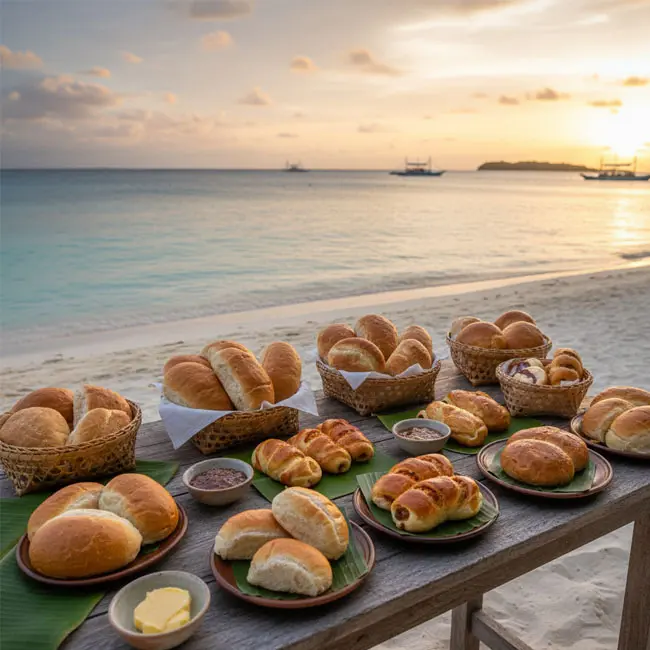
🧀🍪 The Warm Aroma of the Neighborhood: An Introduction to Filipino Breads 🇵🇭 🏝️
Hey there! If you’ve ever walked through a Filipino neighborhood at 5:00 AM, you’ve smelled it—that unmistakable, sweet, yeasty aroma wafting from the local Panaderia (bakery). While the Philippines is famous for its rice, bread holds a special, almost sacred place in the daily life of every Pinoy.
Filipino bread isn't quite like the crusty baguettes of France or the dense sourdoughs of San Francisco. Our bread is a reflection of our history: a soft, often sweet, and incredibly fluffy fusion of Spanish heritage, American influence, and local Filipino ingenuity. Whether it's tucked into a paper bag for a quick breakfast or served as a centerpiece during a festive gathering, bread is the "Pambansang Almusal" (National Breakfast) companion that we just can’t live without.
🥖 The Panaderia Culture: More Than Just a Bakery
To understand Filipino bread, you have to understand the Panaderia. In every "barangay" (village) across the archipelago, the panaderia is the heart of the community.
• The Early Bird Tradition: The bakery is the first shop to open, often before the sun even rises. You’ll see people in their pajamas lining up with their "supot" (brown paper bags) to catch the first batch of hot bread.
• Affordability and Accessibility: Filipino bread is designed to be the "food of the people." It’s affordable, filling, and sold in individual pieces, making it accessible to everyone from students to office workers.
• The Community Hub: It’s where neighbors exchange the morning gossip while waiting for the next tray of hot buns to come out of the oven. It’s a sensory experience—the sound of the metal trays clacking, the sight of the flour-covered bakers, and that heavenly smell.
🥯 The Icons of the Pinoy Bread Box
If you’re stepping into a Filipino bakery for the first time, the sheer variety can be overwhelming. Let’s break down the "Must-Haves" that define the Filipino palate.
🥖 Pandesal: The Salt of the Earth
The name translates to "salt bread" from Spanish, but ironically, modern Pandesal is slightly sweet. It is a small, oval-shaped roll coated in fine breadcrumbs. The hallmark of a great pandesal is a slightly crusty exterior and a soft, airy interior.
How to eat it: We love dipping it into hot coffee or chocolate, or stuffing it with anything from condensed milk and butter to corned beef and scrambled eggs.
🧀 Ensaymada: The Royal Treat
Originally from Mallorca, Spain, the Filipino Ensaymada has evolved into a lush, buttery brioche-style pastry. It is coiled into a spiral, slathered with butter (or margarine), sprinkled with sugar, and topped with a generous mountain of grated cheese. During Christmas, we take it up a notch by using "Quezo de Bola" (Edam cheese) for a salty, sharp kick.
🥐 Spanish Bread: A Sweet Deception
Funny enough, if you go to Spain, you won't find this! Spanish Bread is a Filipino original—a soft bread roll filled with a paste of butter, sugar, and breadcrumbs. It’s usually elongated and twisted, with the sweet filling caramelizing slightly as it bakes. It’s the ultimate comfort snack for a mid-afternoon break.
🍞 Monay: The Heavyweight
Monay is the "mother" of many Filipino breads. It’s a dense, heavy, and slightly sweet bun with a distinct crease down the middle. Because it’s so filling, it’s a favorite for workers who need a quick energy boost. It’s firm on the outside but stays soft for days.
🎨 A Splash of Color: The Creative Breads
Filipinos love a bit of flair, and our breads are no exception. Some of our favorites are as beautiful as they are delicious.
🔴 Pan de Regla (Kalihim)
This one always gets a laugh because of its name (which refers to a woman's menstrual cycle), but it’s a bakery staple. It’s a bread pockets filled with a bright red, sweet pudding made from recycled bread scraps, sugar, and red food coloring. It’s incredibly moist and nostalgic.
🟣 Ube Cheese Pan de Sal
A modern superstar! Taking the traditional pandesal and infusing it with Ube (purple yam) and a melty cheese center. The contrast between the purple bread and the golden cheese made it a viral sensation, but the flavor is what made it a permanent part of the Filipino bread family.
🍽️ The "Palaman" Philosophy: What’s Inside Matters
In the Philippines, bread is rarely eaten alone. We have a whole culture dedicated to Palaman (fillings).
• The Sweet Side: Coconut jam (Matamis na Bao), peanut butter, or a simple sprinkle of sugar and a thick slab of butter.
• The Savory Side: Adobo leftovers, sardines with calamansi, or the classic "Liver Spread" (potted meat).
• The "Dip" Culture: As mentioned, dipping bread into a hot drink is a national pastime. The bread acts like a sponge, soaking up the flavors of the beverage, making for a warm, mushy, and comforting bite.
🥥 Regional Flourishes: Breads of the Provinces
Just like our soups and appetizers, bread changes as you travel across the islands.
🥧 Pastel (Camiguin)
If you find yourself in Northern Mindanao, you have to try Pastel. These are soft, pillowy buns filled with a rich, creamy custard called Yema. It started as a family recipe in Camiguin and is now one of the most popular "pasalubong" (souvenirs) in the country.
🍪 Pan de San Nicolas (Pampanga)
Pampanga is the culinary capital of the Philippines, and their bread reflects that. These are intricately molded shortbread-like cookies/breads featuring the image of St. Nicholas. They were historically used as healing bread and are made with arrowroot flour.
🥖 Biscocho (Iloilo)
In the Visayas, they love their crunch. Biscocho is essentially "twice-baked" bread. It’s usually stale bread coated in butter and sugar and baked again until it’s as crunchy as a cracker. It’s the perfect companion for a quiet afternoon.
🕒 Merienda Time: The Afternoon Bread Ritual
The 3:00 PM or 4:00 PM Merienda is when the panaderia sees its second rush of the day. After a few hours of work or school, Filipinos look for a "pantawid gutom" (something to bridge the hunger until dinner).
This is when you’ll see kids running to the bakery with coins in their hands to buy Pan de Coco (bread filled with sweetened grated coconut) or Kabayan (a muffin-shaped bread that looks like a traditional Filipino hat). It’s a moment of pause in a busy day, a sweet reminder to slow down and enjoy the simple things.
✨ Why Filipino Bread is Heart Food
Filipino bread isn't about artisan techniques or fancy grains. It’s about warmth. It’s about the "Ate" or "Kuya" at the bakery window who knows exactly how many pieces of pandesal you want. It’s about the history of a people who took foreign baking traditions and added their own sweetness and love.
Every bite of a Filipino roll tells a story of a community that values sharing, affordability, and, above all, the comfort of home. Whether you're a local or a traveler, a warm bag of Pinoy bread is an invitation to feel like you belong.
❓ FAQ: Frequently Asked Questions
❓ Q1. Why is most Filipino bread so sweet?
Historically, sugar was a major export of the Philippines. Over time, the Filipino palate adapted to prefer sweeter doughs. Additionally, sweet bread acts as a great energy source for manual laborers and pairs perfectly with the salty fillings (like cheese or dried fish) that we love.
❓ Q2. Can I find "healthy" versions of Filipino bread?
The traditional panaderia usually focuses on white flour and sugar, but modern bakeries in cities like Manila now offer whole wheat Pandesal, Malunggay (Moringa) Pandesal, and even sugar-free versions of classics to cater to health-conscious diners.
❓ Q3. What is the best way to store Filipino bread?
Since most Filipino breads don't contain heavy preservatives, they are best eaten within 24–48 hours. If you have leftovers, keep them in a sealed container. To revive them, a quick 5-minute toast in an oven toaster or 10 seconds in a microwave will bring back that soft, "just-baked" feel!
🍞 Super Simple Filipino Bakery Favorites You Can Bake at Home
👉 Discover 3 Beginner-friendly Philippines Breads
| 🌐 🍞 < Back | 🇵🇭 🥗 < Previous | Next > 🍱 🇵🇭 |