
🏠 Home > 🗺️ Recipes > 🍨 Desserts > 🇵🇪 Peru Desserts
🇵🇪 🍨 Peru Desserts Recipes
Published by Supakorn | Updated: February 2026
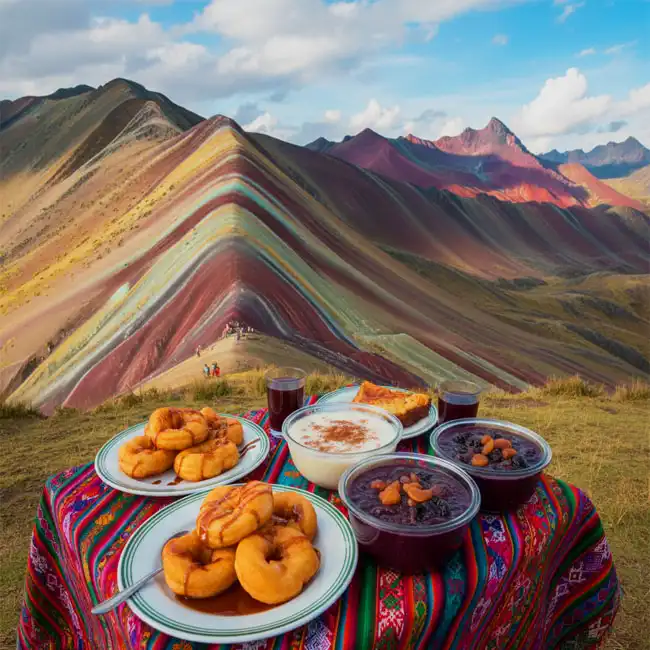
Peruvian desserts are not just about sweetness — they’re about memory, comfort, and tradition. In Peru, desserts often tell stories that go far beyond the plate. They reflect colonial history, Indigenous ingredients, family routines, religious festivals, and the simple joy of everyday life.
Unlike desserts in some cultures that appear only at the end of a formal meal, Peru desserts live everywhere. You’ll find them at street corners, in neighborhood bakeries, at home kitchens, school events, and big celebrations. Sometimes they’re carefully prepared for special occasions, and sometimes they’re enjoyed casually, without any ceremony at all.
This guide takes you through the world of Peru desserts — not recipes, but culture, lifestyle, and the sweet identity that makes Peruvian desserts so unforgettable.
🇵🇪 🍬 The Cultural Story Behind Peru Desserts
Peruvian desserts are deeply shaped by history. Before outside influences arrived, Indigenous communities already enjoyed naturally sweet foods made from fruits, corn, roots, and honey-like syrups derived from plants.
When Spanish influence entered Peru, new ingredients such as sugar, dairy, and wheat slowly became part of local kitchens. Instead of replacing native traditions, these ingredients blended with them, creating a unique dessert culture that feels both old and familiar.
Over time, religious traditions, convent kitchens, and home bakers played a huge role in shaping Peru’s dessert identity. Many iconic sweets were developed in households and community spaces rather than royal kitchens, which is why Peruvian desserts feel humble, comforting, and deeply personal.
🍯 🌽 Core Ingredients in Traditional Peruvian Sweets
Peru desserts rely heavily on ingredients that are closely tied to the land. These ingredients are not chosen just for taste, but for availability, symbolism, and tradition.
You’ll often see:
• Corn in many forms, especially purple and yellow varieties
• Natural sweeteners derived from sugarcane
• Dairy products introduced through historical influence
• Fruits grown in coastal valleys, mountains, and rainforest regions
• Spices used gently to add warmth and aroma
The beauty of Peruvian desserts lies in balance. They’re sweet, but rarely overwhelming. Texture, color, and aroma matter just as much as flavor.
🍮 🏠 Desserts in Everyday Peruvian Life
In Peru, desserts are part of daily routines. They’re not reserved for fancy dinners or special restaurants.
Many people enjoy a small sweet treat in the afternoon, often as a pause in the day — a moment to relax, chat, or reconnect with family. Children grow up with these desserts as familiar flavors tied to home and comfort.
At home, desserts are often made in batches and shared across several days. This creates a sense of continuity — yesterday’s dessert becomes today’s snack, and tomorrow’s memory.
🍰 🏙️ Street Desserts and Local Bakeries
Some of the most beloved Peru desserts are found outside the home. Local bakeries and street stalls are essential to dessert culture.
Bakeries often specialize in a few traditional sweets that haven’t changed much over generations. These places become neighborhood landmarks, where people stop by not just for food, but for conversation.
Street desserts, on the other hand, are casual and spontaneous. They’re enjoyed while walking, chatting, or waiting. These sweets are affordable, accessible, and deeply woven into everyday life.
🍮 🎉 Desserts in Celebrations and Festivals
Peruvian desserts truly shine during celebrations. Religious holidays, birthdays, school events, and community festivals all feature sweet dishes that carry symbolic meaning.
Certain desserts are tied to specific times of the year, reinforcing the connection between food and seasonal rhythms. Preparing these sweets becomes a shared activity, often involving multiple generations in the kitchen.
Desserts in Peru are rarely eaten alone during celebrations. Sharing is key. A dessert isn’t complete unless it brings people together.
🍮 🌈 Iconic Peru Desserts You Should Know
While Peru offers a wide variety of sweets, some desserts have become national symbols.
🍮 Suspiro-Style Desserts
Known for their soft, creamy texture and delicate sweetness, these desserts are often associated with romance and nostalgia. They’re commonly enjoyed in small portions, emphasizing elegance over excess.
🍠 Sweet Corn and Root-Based Desserts
Corn and root vegetables play a surprising role in Peruvian sweets. These desserts highlight how Indigenous ingredients remain central to modern food culture.
🍪 Traditional Baked Goods
Peru has a strong baking tradition influenced by history and local creativity. Many baked desserts are enjoyed with family or offered during gatherings.
🍧 Fruit-Based Sweets
Thanks to Peru’s biodiversity, fruit desserts are incredibly diverse. Coastal, Andean, and Amazonian regions each contribute unique flavors and textures.
Each of these desserts tells a different story, but they all share one thing: a strong sense of place.
🏔️ 🍠 Regional Diversity in Peru Desserts
Peru desserts change dramatically depending on geography.
🌊 Coastal Desserts
Coastal desserts often feel light and refreshing, making use of fruits and smooth textures that suit warmer climates.
⛰️ Andean Desserts
In the mountains, desserts are more filling and comforting. They reflect the need for energy and warmth, using hearty ingredients passed down through generations.
🌿 Amazonian Desserts
Amazonian sweets highlight native fruits and natural sweetness. These desserts feel earthy and vibrant, closely connected to nature.
This regional diversity is one of the reasons Peruvian dessert culture feels so rich and layered.
🍽️ 💬 Desserts as Emotional Food
In Peru, desserts are often tied to emotion. Certain sweets remind people of childhood, grandparents, or specific moments in life.
It’s common to hear someone say a dessert “tastes like home.” That emotional connection is powerful and intentional. Desserts are meant to comfort, not impress.
This emotional role explains why traditional desserts remain popular even as modern food trends come and go.
🌍 🤝 Peru Desserts in the Modern World
Today, Peru desserts are gaining international recognition. Chefs reinterpret classic sweets in modern ways, but the heart of the dessert stays the same.
Outside Peru, these desserts act as cultural ambassadors. They introduce people to Peruvian flavors gently — through sweetness, familiarity, and warmth.
Even when presented in new styles, traditional Peruvian desserts always honor their roots.
🍨 ❤️ Why Peru Desserts Feel So Special
What makes Peru desserts stand out isn’t complexity or luxury. It’s intention.
They are:
• Rooted in tradition
• Connected to family life
• Shaped by geography
• Designed to be shared
Peruvian desserts don’t rush the moment. They invite you to slow down, enjoy, and remember.
❓ FAQ: Peru Desserts
❓ Q1.What makes Peruvian desserts unique?
Peruvian desserts combine Indigenous ingredients with historical influences, creating sweets that are deeply cultural and emotionally meaningful.
❓ Q2.Are Peru desserts very sweet?
They are balanced rather than overly sweet, focusing on texture, aroma, and natural flavors.
❓ Q3.When are desserts usually eaten in Peru?
Desserts can be enjoyed anytime — as afternoon treats, family snacks, or during celebrations and festivals.
🍨 Healthy Peruvian Desserts That Feel Light and Satisfying
👉 Make 3 Healthy Peru Desserts
| 🌐 🍨 < Back | 🇵🇪 🍝 < Previous | Next > 🍷 🇵🇪 |