
🏠 Home > 🗺️ Recipes > 🧊🥩 Ice Age Ancestral Feast (Paleo Food) > 🏔️ Periglacial Central Europe: Ice Age Ancestral Feast (Paleo Food) Recipes
🏔️ 🧊🥩 Periglacial Central Europe: Ice Age Ancestral Feast (Paleo Food) Recipes
Published by Supakorn | Updated: August 2026
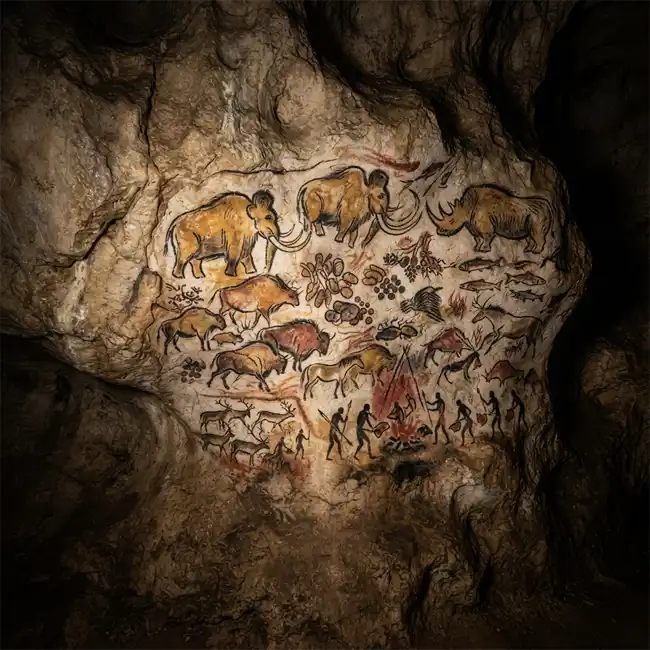
Welcome to the most hardcore kitchen you've ever imagined. Forget your non-stick pans and delivery apps. We're going back 30,000 to 300,000 years ago to Periglacial Central Europe, a world where your fridge was a frozen steppe, your supermarket was a mammoth herd, and your oven was a cave hearth that never went out.
This is not just about food. This is about survival, resilience, and the untamed soul of flavor before farming even existed. So grab your metaphorical fur coat, my friend, let's step into the blizzard.
🏔️ 📜 The Ice Age Chronicles: 30,000 - 300,000 B.C.
Imagine Central Europe not as cozy forests and cute villages, but as a vast, windy, treeless tundra-steppe. We are talking about the periglacial zone, the land right in front of the giant ice sheets. Think modern-day Siberia meets Alaska. Bone-chilling cold, howling winds, but surprisingly rich in life.
This epic chapter spans three major acts of human survival:
• 🧬 Lower Paleolithic (300,000 - 150,000 years ago): This is the era of early Neanderthal ancestors, Homo heidelbergensis. Life was brutally simple. Tools were chunky handaxes, and fire was a precious gift, not a guarantee. Food meant scavenging and opportunistic hunting. Every calorie was a victory.
• 🔥 Middle Paleolithic (150,000 - 45,000 years ago): The golden age of the classic Neanderthals. They were not the dumb brutes we once thought. They were masters of this frozen world. They controlled fire beautifully, created sophisticated Mousterian flake tools, and were apex hunters who could take down a woolly rhinoceros. They lived in rock shelters and deep caves.
• 🎨 Upper Paleolithic (45,000 - 12,000 years ago): Enter us, Anatomically Modern Humans, Homo sapiens, alongside the last Neanderthals. This is the creative explosion. We see blade tools, bone needles, tailored clothing, cave art, and a diet that became incredibly diverse and strategic. The famous Gravettian and Magdalenian cultures left behind Venus figurines and stunning cave paintings.
So how did anyone eat in a deep freezer?
• Fire was everything: It wasn't just for heat. A controlled hearth inside a cave like Vogelherd Cave in Germany or Moravian caves in Czechia meant protection, light, tool-making, and most importantly, transformation. Fire made tough meat digestible, killed parasites, and turned raw fat into liquid gold energy.
• The toolbox of a chef-hunter: Forget knives. We are talking razor-sharp flint blades for butchering, scrapers for cleaning hides, hammerstones for smashing the thickest bones to get to the marrow inside. Later, bone awls and spear-throwers changed the game completely.
• Seasonal nomadic wisdom: No one stayed in one place. These were hunter-gatherer geniuses who followed the great herds. Summer meant high plateaus and river valleys, winter meant deep, south-facing caves. They knew exactly when and where the reindeer would cross the river.
🦴 Excavated Paleolithic Relics: Ancestral Meals & Elixirs
Okay, here's the juicy part you came for. We don't have cookbooks written on paper, but we have something way cooler: evidence written in ash, bone, and cave walls. Archaeologists have been decoding this frozen menu from sites like Dolni Vestonice, Predmosti, and the Swabian Jura caves.
Here are the most iconic, scientifically-documented ancestral menus from Periglacial Central Europe:
🥩 The Mega-Fauna Masterpieces - The Main Event
• Mammoth Marrow Inferno: This is THE dish of the Ice Age. At sites like Dolni Vestonice, archaeologists found massive mammoth bone dumps with bones deliberately shattered. They weren't just eating the meat. They would roast long bones directly on hot stones, then crack them open while still sizzling to scoop out the buttery, calorie-dense marrow. It was pure survival energy, with up to 800 calories per serving.
• Reindeer Heart Pit-Roast: Reindeer was the chicken of the Ice Age, abundant and reliable. Evidence from Salzgitter and other German sites shows whole carcasses butchered and cooked in earth pits. The heart and liver, rich in iron and vitamin A, were prized first, often eaten almost immediately after the hunt, lightly seared on fire-heated rocks.
• Woolly Rhino Fat Crisp: A rare, high-status feast. Woolly rhinoceros bones with cut marks show they rendered its thick subcutaneous fat. Imagine fat strips placed on screaming hot flat stones until they crisped up like ancient cracklings. That fat was essential to prevent protein poisoning in winter.
• Cave Bear Haunch Slow-Cook: Controversial but documented. In Bear Cave sites across the Carpathians, Neanderthal and early human remains are found alongside cave bear bones with human cut marks. The massive haunches were likely slow-cooked for hours in a covered pit with hot stones, making the tough, gamey meat fall-off-the-bone tender.
🌿 The Tundra Pantry - Foraged Secrets
• Glacial Root & Cattail Mash: It wasn't all meat. Dental plaque analysis shows our ancestors ate a lot of starchy plants. They dug up nutrient-packed roots of cattail, wild parsnip, and bistort from riverbanks, then mashed and roasted them in ashes for a smoky, carbohydrate-rich side dish.
• Fire-Parched Hazelnuts & Pine Nuts: In the slightly warmer interstadial periods, hazel trees and dwarf pines dotted the landscape. Charred nut shells found in hearths prove they collected them by the basket and dry-roasted them on stone slabs. A perfect trail snack for hunters.
• Arctic Berries & Crabapple Ember Wrap: Crowberries, lingonberries, and tiny wild crabapples were gathered in late summer. They were likely wrapped in large burdock leaves and placed near the edge of the fire to soften and sweeten, creating a tart, vitamin C-packed dessert.
🧪 The Primitive Preservation Techniques
• Wind-Dried Reindeer Strips: The periglacial wind was a natural dehydrator. Thin strips of lean meat were hung on wooden racks outside the cave entrance or in the cold, dry wind inside cave mouths. This created a light, long-lasting jerky that fueled long treks.
• Bone Broth Stone Boil: One of the smartest inventions ever. They couldn't make pottery yet, so how to boil? They lined a pit with hide, filled it with snow, water, and shattered bones, then dropped in fire-heated stones. The water would boil instantly, creating a rich, collagen-heavy broth that extracted every last nutrient from the carcass. Zero waste.
❄️ Living Like the Mammoth Hunters: Paleolithic Survival & Cave Heritage
What was a day in this life actually like? It was communal, skilled, and deeply connected to the land.
• The Cave as Home and Kitchen: A Paleolithic cave wasn't dark and scary. It was organized. Research shows distinct zones: the bright entrance was the workshop and kitchen, the middle was the sleeping area with furs and hearths, and the deep back was often sacred, for art and rituals. The hearth was the TV, heater, and stove all in one.
• Every Part Matters Philosophy: Wasting food was not an option. Meat for muscle, fat for energy and lamps, marrow for brain power, bones for tools and broth, hides for clothes and shelters, sinews for thread. This nose-to-tail ethos is the original sustainable living.
• Women and Children as Foraging Experts: While often depicted as only mammoth hunters, the reality is women, elders, and children were the nutritional backbone. Their knowledge of hundreds of edible plants, mushrooms, lichens, and small game like hares and ptarmigan kept the group alive when big game failed.
🗺️ Want to Taste the Past Today? Real Places You Can Visit
• The Swabian Jura Caves, Germany: A UNESCO World Heritage site. Visit Vogelherd Cave and Hohle Fels Cave where the oldest art and flute were found. You can literally stand where a family cooked reindeer 40,000 years ago.
• Dolni Vestonice and Pavlov, Czech Republic: The center of the Gravettian mammoth hunter world. The museum here displays mammoth bone huts, where houses were built from mammoth bones and tusks. Absolutely mind-blowing.
• Caves of the Moravian Karst, Czech Republic: A massive cave system with evidence of continuous Paleolithic occupation. Guided tours show you ancient hearths still blackened on the cave floor.
• The Neanderthal Museum, Mettmann, Germany: Near the original Neanderthal discovery site. They have fantastic reconstructions of food preparation and fire-making workshops you can try.
🏔️ Taming the Frozen Wilderness: Glacial Valleys & Ice Epoch Trails
For the modern adventurer, following the food trail of Ice Age Europe is the ultimate food tourism. This isn't about restaurants; it's about foraging, tracking, and understanding the landscape.
• Glacial Valley Foraging Trails: The Danube River Valley, the Ach Valley, and the Morava River basin were ancient highways for both animals and humans. Today, you can hike these same valleys. In summer, local guides teach you to identify the same edible plants your ancestors ate: wild sorrel, dandelion roots, woodruff, and juniper berries.
• Ice Epoch Hunting Paths: Follow the reindeer migration routes through the Carpathians and the Alps foothills. These paths are still visible in the topography. In winter, you can learn ancient tracking skills, how to read snow prints and understand animal behavior, the same skills that put meat on the fire.
• Stone Age Food Photography Tip: The best light for that dramatic cave shot is early morning when mist hangs in the river valleys. It looks exactly like a periglacial dawn. Bring a wooden bowl, some dried meat, and hazelnuts for an authentic, Instagram-worthy shot that respects the site.
🙋♂️ Paleolithic Mysteries FAQ: Unlocking Cave Kitchen Secrets
Q1.Is eating like an Ice Age hunter actually healthy?
Absolutely fascinating question. The real Ice Age diet was incredibly nutrient-dense because it was completely unprocessed. It was high in protein from lean game, extremely high in healthy animal fats and omega-3s from wild animals, rich in marrow-derived collagen, and packed with micronutrients from wild plants and organ meats. It was naturally free from refined sugars, grains, and additives. Modern Paleo takes inspiration from this, but remember, they also faced periods of intense scarcity.
Q2.Why was bone marrow so important? Is it safe?
Marrow was basically Ice Age butter and a superfood. In a freezing environment, you need dense calories. Marrow is almost pure fat and packed with stem cells, collagen, and vitamins. Archaeologists call it the reason our brains grew so large. Is it safe today? Yes, if sourced from healthy, grass-fed animals and properly roasted, bone marrow is safe and still considered a delicacy in many cultures. It is rich and should be eaten in moderation.
Q3.How do we really know what they cooked without written recipes?
Great detective work! We use multiple sciences together. Zooarchaeology studies cut marks and burn marks on bones to see how meat was butchered and cooked. Use-wear analysis looks at microscopic scratches on stone tools to see if they cut meat, bone, or plants. Dental calculus analysis, plaque from fossil teeth, traps microfossils of plants and meat. And analysis of hearths shows us charred seeds, nut shells, and the way fire-cracked stones were used for boiling.
Q4.Can I recreate these flavors at home without a cave?
You totally can, and it's amazing. You can make a modern version of Stone Boil Broth using beef knuckle bones and heating clean river stones, though a regular pot works too. For a taste of Wind-Dried Reindeer, use high-quality bison or venison jerky. For the ember wrap, try roasting root vegetables like parsnips and salsify wrapped in cabbage leaves directly in your oven coals. It gives you that smoky, earthy Ice Age soul.
🧠 Final Thoughts: The Untamed Soul of Primeval Gastronomy
So what does a 300,000-year-old feast teach us today? It reminds us that food was never just fuel. It was community, knowledge, respect, and resilience. Every bite was earned through skill, teamwork, and a deep understanding of a harsh but generous world.
The Periglacial Central European menu wasn't fancy. It was raw, smoky, fatty, earthy, and incredibly honest. It was food without chemicals, without waste, without pretense. Just fire, stone, and the bounty of the tundra.
This is only the beginning of our journey into the Stone Age kitchen. In our upcoming full recipe guides, we will take you step-by-step through how to recreate a safe, modern, and delicious version of Mammoth Marrow Inferno, Reindeer Pit-Roast, and Glacial Root Mash right in your own kitchen.
Stay wild, stay curious, and keep the ancient fire burning.
🏛️ Credit to the Keepers of the Paleolithic Heritage
This historical overview is compiled from Paleolithic archaeological records, glacial ice-core studies, and prehistoric cave discoveries. We honor the resilience of our ancient ancestors and the dedicated researchers unearthing human history.
We extend our deepest respect and gratitude to the tireless archaeologists, anthropologists, zooarchaeologists, and researchers from institutions such as the University of Tubingen, the Max Planck Institute for Evolutionary Anthropology, the Moravian Museum in Brno, and all the dedicated cave preservation teams across Central Europe. Your work keeps the memory of our first kitchens alive.
🧊🥩 Dolní Věstonice Mammoth-Style Clay-Baked Feast: Reclaiming Primeval Flavors
👉 Revive Periglacial Central Europe Ice Age Ancestral Feast
| 🌐 🧊🥩 < Back | Next > 🍵 🏔️ |