
🏠 Home > 🗺️ Recipes > 🍲 Soups > 🇵🇾 Paraguay Soups
🇵🇾 🍲 Paraguay Soups Recipes
Published by Supakorn | Updated: February 2026
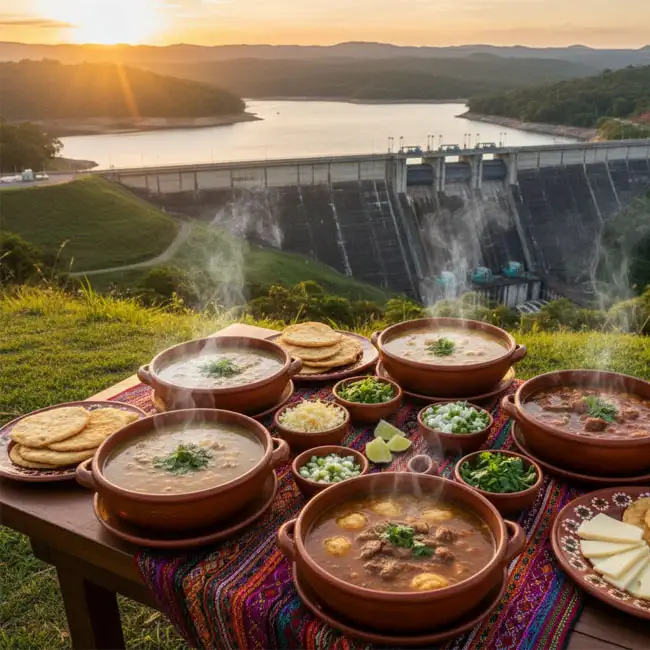
🥄 🌧️ The Heart of the Hearth: Understanding Paraguayan Soup Culture
Hey culinary adventurers! We've explored the cheesy bites and the sweet escapes, but now it’s time to cozy up to the true comfort food of Paraguay: the soups and stews! While the world might know about Sopa Paraguaya (the savory cake that isn't soup), the actual, liquid soups of Paraguay are incredibly rich, deeply traditional, and utterly essential to the national diet.
Paraguayan soup culture is a wonderful testament to practicality and heartiness. These aren't light broths or delicate consommé; they are substantial, full-meal soups designed to be nourishing, satisfying, and to feed a large family with readily available, inexpensive ingredients. This tradition is heavily influenced by the Guaraní indigenous heritage, which centered on staples like corn (maíz), cassava (mandioca), and various local vegetables, often cooked slowly in large pots over an open fire.
The addition of livestock by the Spanish colonial era brought in beef, chicken, and rich broths, transforming these simple Guaraní concoctions into the deeply flavorful, chunky stews we cherish today. Paraguayan soups are often characterized by:
1.Density: They are usually thick, almost stew-like, and packed with solid ingredients.
2.Staples: Heavy use of corn products (like corn flour or coarse cornmeal), cassava, and potatoes for thickening.
3.Protein Power: They nearly always contain chunks of meat (beef or chicken) to make them a complete meal in a bowl.
These soups are the ultimate embodiment of cocido lento (slow cooking)—they simmer for hours, allowing the flavors to meld into a beautiful, comforting symphony. They are the go-to remedy for a chilly day and the centerpiece of a family lunch.
👨👩👧👦 📅 The Daily Bowl: Eating Customs and Communal Warmth
In Paraguay, soup isn't a starter; it’s often the main course, especially during the colder months or after a hard day of work. The consumption of soup is tied to practical living and the powerful spirit of sharing.
🌬️ Cold Weather Comfort
While Paraguay is a warm country, it does experience cooler, humid winters, and sometimes surprisingly cold snaps. During these periods, soup moves from a meal option to a necessity. Large, steaming pots of stews like Vori Vori or Jopara are common sights in the home kitchen. These thick, calorie-dense soups provide essential warmth and energy, becoming the centerpiece of the main family meal around lunchtime (almuerzo). The deep warmth of the broth and the satisfying chew of the ingredients provide an almost therapeutic comfort.
🏞️ The Farmer's Fuel
Historically and currently, many Paraguayan families rely on agriculture. The soups reflect this hardiness. They are designed to be easy to prepare in large quantities and pack a serious nutritional punch. A bowl of So’o Apu’a (meatball soup) or a hearty Guiso (stew) provides sustained energy for those working outdoors. This practical origin is why the soups are so rich in carbohydrates (from corn/cassava) and protein (from meat). They are food of the earth, for those who work the earth.
🍚 The Sidekick: Cassava and Rice
Almost every single soup or stew in Paraguay is served with, or thickened by, the two great staples: cassava (mandioca) and rice (arroz).
• Mandioca: Served boiled on the side, it's often dipped into the broth or mashed and mixed directly into the soup for added thickness and heartiness.
• Rice: Used either as a thickener within the soup (like in Guiso) or served on the side to absorb the flavorful broth. This practice ensures that no drop of the precious, slow-cooked broth goes to waste.
🧺 The Communal Pot
The ethos of sharing is paramount. Soups are almost always made in enormous batches. When a family gathers, the pot is the focal point, and everyone gets a large, generous portion. There is no concept of individual servings; it is about providing warmth and nourishment to the entire group, reinforcing familial and social bonds.
✨ 🌟 The Pantheon of Paraguayan Soups: Must-Try Classics
Paraguayan liquid soups are categorized by their rich flavor, texture, and the unique addition of local staples. Here are the true heroes of the Paraguayan soup pot.
🟡 🧀 The National Dumpling Delight: Vori Vori
This is arguably the most famous and beloved of all Paraguayan soups—a true comfort food champion. The name itself is a reduplication of the Guaraní word borá, which means "ball" or "sphere."
• What it is: A thick, rich, and flavorful chicken or beef broth soup, distinguished by the addition of small, chewy dumplings or balls (voris). These voris are made from corn flour (harina de maíz) and copious amounts of queso paraguay (local cheese).
• The Vibe: The broth is often seasoned with sautéed vegetables, giving it an intense savory depth. The voris are the star: they are dense, slightly salty, and offer a wonderful, satisfying chew against the smoother broth and tender meat. It’s hearty enough to be the only meal you need all day.
• The Preparation: It requires slow, patient cooking. The broth must be deeply reduced, and the voris are added toward the end, where they swell up and absorb the broth’s flavor, thickening the soup perfectly.
🥩 🥔 The Guaraní Meatball Wonder: So’o Apu’a
This is the ultimate home-style, traditional meatball soup, known for its powerful flavor and substantial fillings. So’o means "meat," and Apu'a means "round" or "ball" in Guaraní.
• What it is: A savory soup featuring large, homemade meatballs (usually beef) blended with herbs, spices, and sometimes finely chopped cassava. The soup base is a flavorful vegetable and tomato broth, often featuring large chunks of potato and other root vegetables.
• The Vibe: It's a comforting, rustic dish. The meatballs are the size of golf balls and incredibly tender, having simmered in the broth for a long time. The soup is less creamy than Vori Vori but is packed with vegetables, making it a very wholesome and balanced meal.
• Cultural Significance: This is often seen as a dish of celebration or a restorative meal, embodying the rich blend of indigenous (Guaraní language name, cassava use) and Spanish (beef, tomato base) influences.
🌽 🥜 The New Year’s Tradition: Jopara
While many soups are everyday staples, Jopara holds a specific, important place in the calendar, symbolizing good fortune.
• What it is: A very thick, nutrient-dense soup made from a mix of legumes (like beans and peas) and corn (usually locro, a type of large kernel corn), along with pumpkin, meat, and vegetables.
• The Vibe: It is traditionally eaten on October 1st to ward off the mythical bad luck spirit of Karai Octubre (Mr. October), who is believed to punish families who are not industrious and leave their pantries bare. Eating a hearty Jopara shows the spirit that the family is well-stocked and ensures a prosperous year ahead.
• The Flavor: It is earthy, intensely savory, and incredibly satisfying, thanks to the combination of starches, legumes, and meat.
🍜 🍚 The Everyday Stew: Guiso
While Guiso translates generally to "stew," the Paraguayan version is a unique, hearty dish that is foundational to daily eating.
• What it is: A thick, tomato-based stew featuring meat (usually beef or chicken), vegetables (onions, bell peppers, carrots), and often includes rice or small pasta (fideos) cooked directly into the broth until it is very creamy and thick.
• The Vibe: It's the ultimate pantry-cleaning, weeknight meal. Simple to prepare, hugely customizable based on what you have on hand, and profoundly comforting. The rice or pasta swells up and absorbs the rich, savory, slightly sweet tomato broth, giving it a wonderfully creamy texture without any actual cream.
🌶️ 🌿 More Broths and Stews of the Land
The Paraguayan liquid culinary landscape is rich with other nourishing and flavorful bowls that showcase local ingredients and techniques.
🐔 🥕 The Clear, Restorative Broth: Caldo de Gallina (Chicken Broth)
Every culture has its classic restorative soup, and in Paraguay, that is a good Caldo.
• What it is: A simple, clear, but deeply flavored broth made from slow-cooking chicken (often an older, more flavorful hen) with root vegetables like carrots, potatoes, and sweet potatoes, and seasoned with local herbs.
• The Vibe: It is often considered a medicinal or strengthening soup, particularly given to people who are sick, or to children. It’s light compared to Vori Vori, focusing purely on the clean, rich flavor of the slow-simmered chicken and vegetables.
🐟 🧅 The River's Gift: Caldo de Pescado (Fish Broth)
Given that Paraguay is landlocked but borders massive rivers (like the Paraguay River and Paraná River), fish-based soups are a regional delicacy.
• What it is: A broth made from local freshwater fish (like Dorado or Surubí), often simmered with onions, tomatoes, and cassava chunks.
• The Vibe: It is a more specialized, regional soup, offering a lighter but intensely savory flavor profile that celebrates the bounty of the river. It’s a nice alternative to the heavier meat-based stews.
🌿 🌽 The Green and Hearty: Locro
Locro is found across the Andes, but the Paraguayan version, sometimes made with beans and pumpkin, is extremely hearty.
• What it is: A very thick stew based on large, whole white corn kernels (maíz locro), which are slowly cooked until they burst open and thicken the mixture. It usually includes various meats (beef, pork), and vegetables like squash and beans.
• The Vibe: It's an ancient, indigenous dish—one of the earliest forms of stews in the region. It’s incredibly dense and filling, representing a true meal that takes hours to prepare but provides energy for days.
🇵🇾 The Philosophy: Why Paraguayan Soups Sustain the Soul
Paraguayan soups are more than just a dish; they are a culinary philosophy centered on sustenance, community, and making the most of the land.
• The Power of Slow Cooking: The heart of this cuisine is patience. These soups are not quick fixes. The slow, methodical simmering allows the Guaraní staples (corn, cassava) and the Spanish additions (meat, dairy) to fully break down, infuse the broth, and create an intensely rich final product. This emphasis on time reflects a culture that values tradition over speed.
• Zero Waste Ethos: Every part of the food is used. Vegetables and tough cuts of meat are simmered to tenderness, and the resulting liquids are thickened with cornmeal or rice. The inclusion of cassava on the side ensures that the precious, flavorful liquid is soaked up and enjoyed to the very last drop.
• Nourishment and Love: In Paraguay, offering someone a bowl of hot, hearty soup is an act of love and profound hospitality. It's a way of saying, "I want to nourish you and make sure you have the strength to thrive." When you eat a bowl of Vori Vori, you are not just consuming food; you are absorbing a piece of Paraguayan soul.
❓ FAQ: Diving into the Depth of Paraguayan Bowls
1. What is the difference between Sopa Paraguaya and Vori Vori?
The primary difference is their form: Sopa Paraguaya is a savory baked cornbread or cake, not a liquid soup, despite its name. It is thick, solid, and cut into squares. Vori Vori, however, is a traditional liquid soup or stew, characterized by a rich broth that contains chewy, cheesy cornmeal dumplings (voris). Both dishes use cornmeal and cheese, but they are entirely different in texture and presentation—one is a sturdy cake, the other is a satisfying, hearty liquid stew.
2. Is there a traditional Paraguayan soup that is vegetarian?
While many traditional soups rely on meat (usually beef or chicken) for their rich broths, dishes can often be made vegetarian or have vegetarian roots. Jopara is a great example. Although often made with meat, its core ingredients are beans, peas, corn, and pumpkin. A pure vegetarian Jopara can be made by omitting the meat and focusing on the delicious combination of legumes, vegetables, and rich broth, making it a very filling and wholesome meatless meal.
3. Why are Paraguayan soups generally so thick and heavy?
Paraguayan soups and stews are heavy and thick because they evolved as practical, full-meal dishes intended to provide maximum sustenance and energy for large families, often in rural or working environments. They achieve their thickness through the heavy use of staples like coarse cornmeal, cassava, potato, and rice, which are added to the simmering liquid. These ingredients break down or swell up, naturally thickening the broth into a hearty, stew-like consistency that is satisfying and energy-dense.
🍲 Soulful and Satisfying: Vegetarian Soups and Stews from Paraguay
👉 Discover 3 Vegetarian Paraguay Soups
| 🌐 🍲 < Back | 🇵🇾 🍷 < Previous | Next > 🥗 🇵🇾 |