
🏠 Home > 🗺️ Recipes > 🍞 Breads > 🇵🇾 Paraguay Breads > 🍞 1.Chipa Mandi’o (The Chewy Cassava Root Bread) , 2.Pastel Mandi’o (The Cassava Dough Pasty) , 3.Chipa Mestiza (The Blended Corn and Cassava Ring)
🍞 Beyond the Basics: Discovering Unique Gluten-Free Breads from Paraguay
Published by Supakorn | Updated: February 2026
🥖 An Introduction: The Hidden Gems of Wheat-Free Baking
Paraguayan cuisine is a goldmine for anyone avoiding wheat. Thanks to the legacy of the Guaraní people, the national diet is built on the robust, starchy backbone of cassava (mandioca) and corn (maíz). This isn't just a trend; it's a centuries-old tradition!
These 'breads' and savory pastries are not merely snacks; they are hearty, fulfilling components of daily life. Today, we are exploring three fantastic recipes that move beyond the most famous staples, offering even more variety in texture and flavor, all while remaining 100% naturally gluten-free:
🌟 • Recipe 1: Chipa Mandi’o (The Chewy Cassava Root Bread)
🌟 • Recipe 2: Pastel Mandi’o (The Cassava Dough Pasty)
🌟 • Recipe 3: Chipa Mestiza (The Blended Corn and Cassava Ring)
Ready to get started on these delicious, wheat-free discoveries?
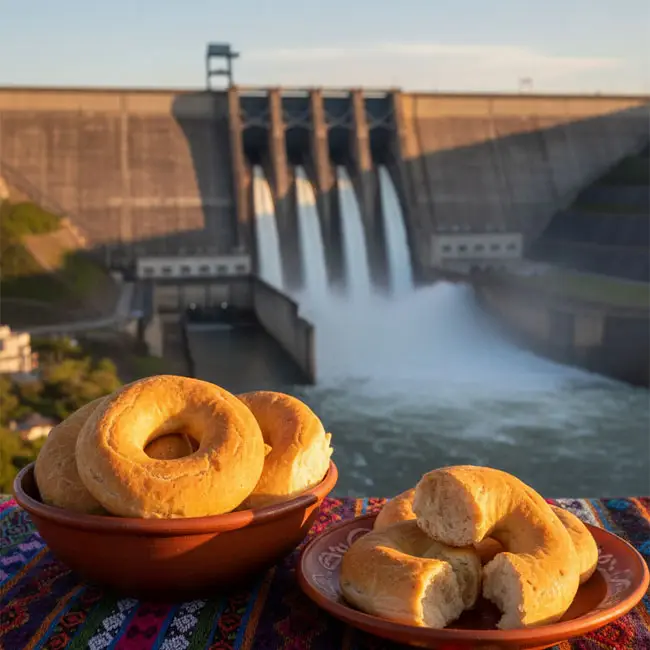
🍠 Recipe 1: Chipa Mandi’o – The Chewy Cassava Root Bread
Unlike the classic Chipa made only with cassava starch, Chipa Mandi’o incorporates cooked, mashed cassava root (mandioca) into the dough. This results in a heartier, denser, and slightly sweeter "bread" with a texture that is exceptionally tender and moist.
✨ About this Recipe: Rooted in Flavor
This recipe is a true taste of the earth, utilizing the whole cassava root. The cooked cassava provides binding and moisture, ensuring a soft, satisfying gluten-free bake. It's often shaped into small, rustic patties or thick cylinders.
🛒 Ingredients & Measurements
Here’s what you need to make approximately 10–12 small patties:
• 2 cups of fresh cassava root (mandioca), peeled, boiled until very tender, and mashed
• 1 cup of Fine Cassava Starch (Almidón de Mandioca / Tapioca Starch)
• 1 cup of crumbled white cheese (queso fresco or similar)
• 1/4 cup of unsalted butter or rendered lard, softened
• 1 large egg
• 1/2 teaspoon of salt (adjust based on the saltiness of your cheese)
• 1 teaspoon of baking powder (optional, but adds tenderness)
• 1/4 cup of milk (if the dough is too dry)
📝 Step-by-Step Instructions
1.Prep the Cassava: Boil the peeled and sliced cassava root until it is extremely tender. Drain well and immediately mash it thoroughly until smooth. Let it cool until warm. You need 2 cups of mashed cassava.
2.Combine Wet Base: In a large bowl, mix the warm mashed cassava, softened butter, and egg until well combined and smooth.
3.Mix Dry Ingredients: In a separate bowl, whisk together the cassava starch, crumbled cheese, salt, and baking powder.
4.Form the Dough: Add the dry ingredients to the cassava mixture. Mix well, first with a spoon, then briefly with your hands, until a cohesive, soft dough forms. It should be slightly stickier and moister than traditional Chipa dough. Add milk only if the dough feels too dry to come together.
5.Shape: Preheat your oven to 400∘F or 200∘C. Shape the dough into rustic, thick patties or short, thick logs. Place them on a parchment-lined baking sheet.
6.Bake: Bake for 18 to 25 minutes, or until the patties are set and the surface is light golden brown. They won't puff up as much as Chipa due to the mashed root.
7.Serve: Serve immediately while warm.
⚠️ Tips & Mistakes to Avoid
• Mash Thoroughly: Any lumps in the cassava root will result in a grainy, uneven texture. Mash the root immediately while it is hot for the smoothest results.
• Control Moisture: Cassava root retains a lot of water. If your mashed cassava is very wet, you may need to reduce the milk or add a tiny bit more starch to get a manageable dough.
• Avoid Over-Baking: Since this is a moist dough, over-baking will dry it out. Pull it from the oven as soon as the surface is golden and the dough is set.
• Texture Expectation: Expect a denser, more filling texture than regular Chipa—it’s more like a hearty baked potato bread.
❓ FAQ
1.Can I use frozen cassava?
Yes, as long as it is properly thawed, boiled, and mashed.
2.What does the cooked cassava add?
It adds natural sweetness, increases the moisture level, and gives the bread a more substantial, earthy flavor and a softer crumb than starch alone.
3.Is this a good sandwich bread alternative?
Because of its density and soft interior, Chipa Mandi'o works beautifully when sliced for small, open-faced sandwiches or served alongside savory stews.
📝 Summary
Chipa Mandi’o is a dense, moist, and wonderfully hearty gluten-free bread that leverages the whole cassava root for an unparalleled soft texture and rich, earthy flavor.
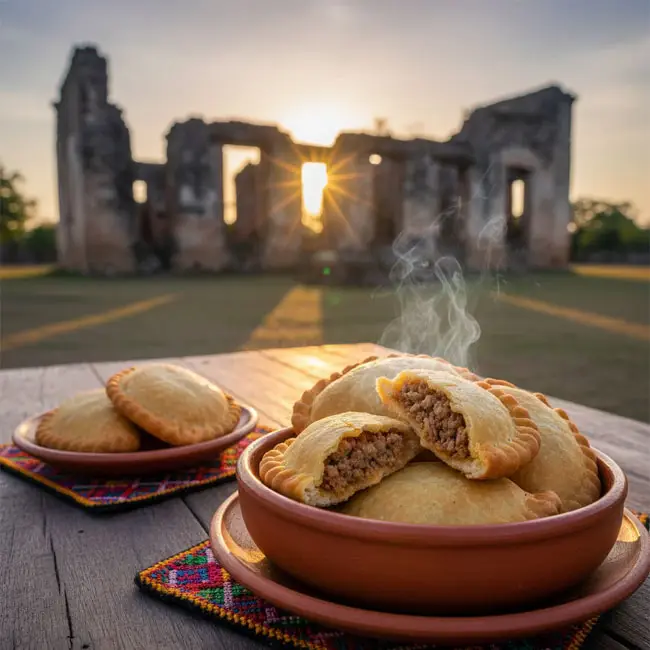
🥟 Recipe 2: Pastel Mandi’o – The Cassava Dough Pasty
Pastel Mandi’o is the Paraguayan version of an empanada, but with a crucial gluten-free twist: the dough is made entirely from cassava. These savory pockets are traditionally deep-fried, resulting in a crisp, golden shell and a soft, yielding interior, filled with a hearty meat or vegetable stuffing.
✨ About this Recipe: The Gluten-Free Pasty
We’ll focus on the unique cassava-based dough and use a flavorful, simple vegetarian filling. The dough uses a blend of cooked cassava and corn flour for a pliable, yet sturdy, wrapper that fries beautifully without falling apart.
🛒 Ingredients & Measurements
This recipe makes about 10–12 pasties:
For the Dough:
• 2 cups of fresh cassava root (mandioca), peeled, boiled, and mashed (warm)
• 1 cup of fine yellow cornmeal (harina de maíz)
• 1/2 cup of cassava starch (Almidón de Mandioca)
• 1 teaspoon of salt
• 2 tablespoons of butter or lard, melted
For a Simple Vegetarian Filling:
• 1 tablespoon of vegetable oil
• 1 small onion, finely chopped
• 1/2 green bell pepper, finely chopped
• 1 cup of cooked brown lentils or finely crumbled tofu (for texture)
• 1 teaspoon of paprika
• 1/2 teaspoon of dried oregano
• Salt and pepper to taste
📝 Step-by-Step Instructions
1.Prepare Filling: Sauté the onion and bell pepper in oil until soft. Add the lentils (or tofu), paprika, oregano, salt, and pepper. Cook until heated through and well-seasoned. Let the filling cool completely.
2.Make the Dough: In a large bowl, combine the warm mashed cassava, cornmeal, cassava starch, and salt. Pour in the melted butter/lard. Mix and knead briefly until a smooth, pliable, and non-sticky dough forms. If it’s too sticky, add a little more cornmeal.
3.Shape the Pasties: Divide the dough into 10–12 equal balls. On a lightly floured surface (use cornmeal or cassava starch), flatten each ball into a thin disk (about 1/8 inch thick).
4.Fill and Seal: Spoon 1-2 tablespoons of the cooled filling onto one half of the disk. Fold the dough over to form a semicircle. Crimp the edges tightly with a fork or by folding them over with your fingers to seal.
5.Cook: Heat about 2 inches of vegetable oil in a deep pan to 350∘F / 175∘C. Fry the pasteles in batches for 3 to 5 minutes per side, turning once, until they are deep golden brown and the dough is cooked through.
6.Drain and Serve: Remove from oil and drain on paper towels. Serve hot!
⚠️ Tips & Mistakes to Avoid
• Cool the Filling: Never fill the dough with warm or hot filling, as this will melt the fat in the dough and make it impossible to seal and fry cleanly.
• The Right Cassava: The dough must be made with boiled and mashed cassava root, not just starch. The root provides the body and pliability necessary to roll and seal the pastry.
• Seal Tightly: Ensure the edges are sealed very tightly. If they open during frying, the filling will leak out and make the oil messy. Crimping with a fork is a reliable method.
• Maintain Oil Temperature: Fry at the correct temperature. If the oil is too cool, the pasty will absorb too much oil and be greasy. If it's too hot, the outside will burn before the interior dough is cooked.
❓ FAQ
1.Can I bake these instead of frying?
Yes, you can bake them at 400∘F ( 200∘C) for 20–25 minutes, brushing the tops with oil or egg wash. The texture will be drier, but still delicious.
2.What is a traditional filling?
The most traditional filling is seasoned ground beef (Pastel Mandi'o So'o), but cheese and onion is also very popular and vegetarian-friendly.
3.Can I make the dough ahead?
Yes, the dough can be wrapped tightly and refrigerated for up to 2 days, or the sealed, unbaked pasties can be frozen and fried from frozen (adding a few minutes to cooking time).
📝 Summary
Pastel Mandi’o offers a truly unique gluten-free pastry experience. Using cassava dough, it creates a comforting, crispy, and savory pocket perfect for a substantial snack or appetizer.

🍚 Recipe 3: Chipa Mestiza – The Blended Corn and Cassava Ring
Chipa Mestiza (Mestizo Chipa) is a fascinating blend of the two great Paraguayan staples: cassava starch and cornmeal. This marriage creates a 'bread' that is firmer and slightly more porous than the standard Chipa (starch only), yet richer and more savory than a pure corn bake.
✨ About this Recipe: Harmonious Blend
The term Mestiza refers to the blending of cultures (Guaraní corn/cassava with Spanish cheese/dairy). This recipe uses both major gluten-free flours, resulting in a complex, balanced flavor and a wonderfully textured, hearty baked ring.
🛒 Ingredients & Measurements
This recipe yields about 12 medium-sized rings:
• 1 cup of Fine Cassava Starch (Almidón de Mandioca / Tapioca Starch)
• 1 cup of fine yellow cornmeal (harina de maíz)
• 1 cup of grated hard, flavorful cheese (Edam, Provolone, or a firm salty white cheese)
• 1/2 cup of softened unsalted butter or rendered lard
• 2 large eggs
• 1/2 cup of milk (whole milk preferred)
• 1 teaspoon of salt
• 1 teaspoon of baking powder
📝 Step-by-Step Instructions
1.Prep and Preheat: Preheat your oven to 400°F / 200°C. Line a baking sheet with parchment paper.
2.Aromatics and Fat: In a large bowl, cream the softened butter (or lard) with the eggs until light and fluffy.
3.Mix Dry Ingredients: In a separate medium bowl, whisk together the cassava starch, cornmeal, grated cheese, salt, and baking powder.
4.Combine: Gradually add the dry blend to the wet mixture. Mix until a coarse, shaggy dough forms.
5.Form Dough: Slowly pour in the milk, mixing until the dough comes together into a cohesive, non-sticky ball. Because of the cornmeal, it will feel slightly less elastic than pure Chipa dough, but it should still be easy to handle.
6.Shape and Bake: Pinch off golf-ball sized pieces, roll them into logs, and form them into rings. Place them on the prepared baking sheet. Bake for 20 to 25 minutes, or until the rings are golden brown and firm.
7.Serve: Let cool slightly on a rack before serving warm.
⚠️ Tips & Mistakes to Avoid
• Use Fine Cornmeal: Use fine cornmeal (harina de maíz), not coarse polenta, for the best final texture. The fine grind helps blend seamlessly with the cassava starch.
• Hydration is Important: The cornmeal absorbs moisture differently than cassava starch. Ensure your dough is properly hydrated—it should be soft, not dry and crumbly, but still hold its shape when formed into a ring.
• Flavorful Cheese: As with all Chipa variations, the cheese is the main source of savory flavor. Don't use a bland cheese!
• Cook Slightly Longer: Because of the cornmeal content, this blend often requires an extra minute or two in the oven compared to pure cassava Chipa.
❓ FAQ
1.What does Mestiza mean in this context?
It means "mixed" or "blended," referring to the blend of both cassava starch and cornmeal, representing the fusion of native ingredients.
2.Is this softer than Chipa?
No, it's often slightly firmer and more crumbly than pure cassava Chipa due to the cornmeal, but it’s still very moist compared to wheat bread.
3.Can I substitute the starch for more cornmeal?
No, the cassava starch is essential for the structure and binding power, which is necessary for a gluten-free ring that doesn't crumble.
📝 Summary
Chipa Mestiza is a delicious marriage of Paraguay's two most important ingredients, resulting in a deeply satisfying, textured, and flavorful gluten-free baked ring.
☀️ Final Thoughts
There you have it—three incredible, authentic, and naturally gluten-free recipes that offer a deeper look into the comforting world of Paraguayan baking! We moved beyond the most famous staples to discover the chewy tenderness of Chipa Mandi’o, the crispy pocket perfection of Pastel Mandi’o, and the harmonious blend of Chipa Mestiza.
These recipes are a testament to the fact that sticking to a wheat-free diet doesn't mean you have to miss out on hearty, traditional comfort food. The unique properties of cassava and corn make this cuisine an absolute winner for flavor, texture, and nutrition.
I highly encourage you to start with the unique Pastel Mandi’o—it's such a fun, impressive, and savory bite! Then, see how the blend of flours in Chipa Mestiza changes the game. Grab your cassava, and share your delicious, wheat-free journey with us! Happy cooking!
| 🇵🇾 🍞 < Back |